How to Calculate Power Consumption for LED Strip Lights?

Time:2026-07-31 Author:Sophia
0%

When considering energy-efficient lighting options, LED strip lights have gained immense popularity. These versatile lights are favored for their brightness and low energy usage. However, it is crucial to understand how to calculate power consumption for LED strip lights. A report from the U.S. Department of Energy shows that LED lighting can reduce energy costs by up to 75% compared to traditional lighting solutions.

Many users still struggle with understanding energy consumption metrics. Without accurate calculations, unexpected costs can arise, which can negate the benefits of choosing LEDs. For instance, a standard LED strip light may consume 20 watts per meter. Knowing these details can greatly impact your energy bill.

Industry professionals emphasize the importance of understanding power ratings and using them effectively. Relying on basic assumptions can lead to errors. Therefore, calculating power consumption is vital for anyone investing in LED technology. A deeper understanding can lead to better energy management and cost savings in the long run.
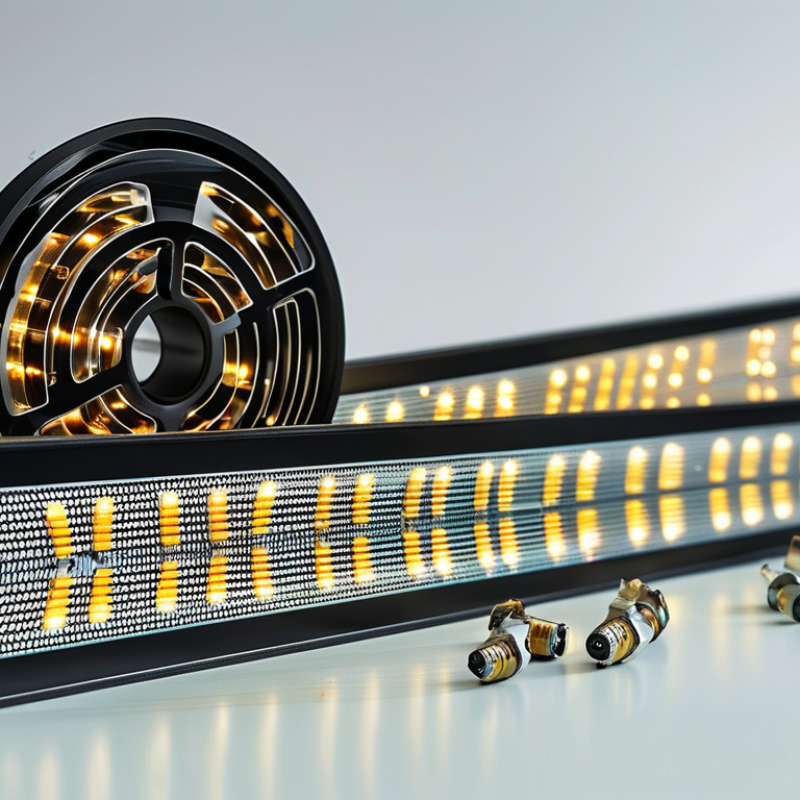
How to Calculate Power Consumption for LED Strip Lights?

Understanding LED Strip Light Power Ratings and Specifications

When considering LED strip lights, understanding power ratings is crucial. These ratings determine how much energy the strips will consume in operation. Typically, LED strip lights are measured in watts per meter. For instance, a common specification might be 14.4 watts per meter. According to industry reports, using energy-efficient LEDs can save up to 80% in electricity compared to traditional lighting.

Specifications go beyond wattage. Voltage ratings, usually between 12V and 24V, significantly affect performance. Higher voltage might lead to less voltage drop over long runs, which is essential for uniform brightness. Power consumption details can often be confusing. Some manufacturers may present their figures based on maximum output, not on typical performance during regular use. This gap in clarity leads to different user experiences and satisfaction rates.

It’s also important to remember that installation and usage impact overall consumption. Using dimmers or connecting multiple strips can alter efficiency. Users sometimes underestimate the heat generated by LED strips, which can affect lifespan. Striking a balance between desired brightness and power savings can be challenging, but it's essential. Data from recent lighting studies emphasizes the importance of accurate specs for achieving desired outcomes in lighting design.

Calculating Total Wattage Based on LED Strip Length and Density

Calculating the total wattage for LED strip lights is crucial for efficient setup. Start by measuring the length of your LED strips. The typical density of LED strips ranges from 30 to 120 LEDs per meter. Higher density strips tend to consume more power, so knowing your strip’s specifications is essential.

For instance, a 5-meter strip with a density of 60 LEDs per meter might consume around 12 watts per meter. This translates to a total of 60 watts for the entire length. Always check the provided specifications as variations exist.

Another consideration is installation. If you're connecting multiple strips, ensure your power supply matches the total wattage. Overloading can be a common mistake. It's vital to account for any future expansions or increased usage. Big plans can lead to poor execution. Stay mindful of these details to prevent potential issues.

Assessing Voltage Requirements for Optimal LED Strip Performance

When assessing voltage requirements for LED strip lights, understanding the correct voltage is crucial. LED strips typically operate on either 12V or 24V systems. This choice affects power consumption and overall performance. A study by the Lighting Research Center states that using the proper voltage can enhance brightness while minimizing energy waste. Mismatched voltage can lead to flickering or even permanent damage.

For optimal performance, it is essential to choose the right power supply. Underpowered strips may experience a voltage drop, leading to dim spots. Conversely, overvoltage can cause overheating. According to data from industry standards, maintaining a steady voltage within ±5% ensures better lifespan and efficiency for LED strips. In doing so, users might consider using a multimeter to verify that the voltage levels remain consistent throughout the strip.

Another important factor to ponder is installation. Unprofessional setups can complicate voltage consistency. Poor connections can lead to increased resistance and power loss. This inevitability raises the question: have you optimized your installation quality? Reflecting on these aspects ensures you get the best performance from your LED strips.

Considering Power Supply Efficiency and Heat Dissipation Factors

When calculating power consumption for LED strip lights, efficiency and heat dissipation are crucial factors. Research shows that LED lights can emit around 80% less heat than traditional incandescent bulbs. However, they still produce some heat, which may affect performance if not managed properly. According to a report by the U.S. Department of Energy, heat dissipation can reduce the lifespan of LED fixtures significantly. This calls for careful consideration during installation.

Power supply efficiency also plays a key role in the overall calculation. Many power supplies have an efficiency rating between 80% to 90%. If a power supply is only 85% efficient, it can lead to wasted energy. This loss can increase operating costs over time. Therefore, while selecting power supplies for LED strips, it's essential to choose high-efficiency options. Understanding these factors helps in achieving optimal performance and longevity of the LED strip lights.

Neglecting heat management can create challenges. If the strips are placed in an enclosed space without proper ventilation, they may overheat. This scenario could incur additional costs due to early replacements. Ensuring adequate airflow can mitigate such risks significantly while enhancing system reliability.

Exploring the Impact of Dimming and Control Systems on Power Use

Dimming and control systems significantly influence the power consumption of LED strip lights. According to the Department of Energy, LED lights use up to 75% less energy than traditional incandescent bulbs. With dimming, these savings can increase. When dimmed to about 50%, some systems can reduce power usage by another 30%. However, not all dimming systems are created equal.

Efficiency varies by technology. For instance, PWM (Pulse Width Modulation) dimming is often the most effective method. It allows for fine-tuning light levels while maintaining color consistency. Yet, some cheaper dimmers might not fully utilize the potential of the LEDs, leading to unnecessary power drain.

Tip: When selecting a dimming system, ensure compatibility with your LED strips. This prevents performance issues and excessive consumption. Regularly check for firmware updates that can enhance efficiency.

Moreover, situational factors play a role. Power consumption may increase if the strip lights are frequently switched on and off. Consider maintaining a steady setting for long durations. This not only saves energy but ensures a longer lifespan for the LED strips.

Tip: Use smart control systems to automate light levels based on usage patterns. These systems can optimize energy use without sacrificing brightness. Regular evaluation of your setup helps in identifying potential improvements.

How to Calculate Power Consumption for LED Strip Lights?

LED Strip Type Wattage per Meter Length (Meters) Total Power Consumption (Watts) Dimming Capability
Standard White 4.8 5 24 No
Warm White 5.0 10 50 Yes
RGB 7.2 5 36 Yes
RGBW 9.6 8 76.8 Yes

FAQS

: How do I calculate the total wattage for my LED strips?

: Measure the length of the strips and check the density, usually 30 to 120 LEDs per meter.

What is the power consumption for a 5-meter strip?

A 5-meter strip with 60 LEDs per meter consumes about 60 watts in total.

Why is it important to check power supply ratings?

Ensuring the power supply matches total wattage prevents overloading, which can damage your setup.

How does heat affect LED strip performance?

LEDs produce some heat; if unmanaged, it can reduce their lifespan and performance significantly.

What efficiency should I look for in power supplies?

Aim for power supplies with at least 85% efficiency to minimize energy waste and costs.

Can dimming systems save energy?

Yes, dimming can reduce power usage further, potentially by 30% when lights are dimmed to 50%.

Are all dimming systems equally effective?

No, some cheaper dimmers may waste power and not utilize LEDs’ full potential.

How can I ensure my dimming system works well?

Select compatible dimmers and check for firmware updates regularly to enhance efficiency.

What should I consider for optimal LED strip longevity?

Maintain steady light levels and avoid frequent on/off cycling to extend the lifespan of the strips.

Is ventilation important for LED strips?

Yes, avoiding enclosed spaces without airflow prevents overheating and unnecessary replacement costs.

Conclusion

This article provides a comprehensive guide on how to calculate power consumption for LED strip lights, essential for ensuring optimal performance and efficiency. It begins by discussing the power ratings and specifications of LED strips, emphasizing the importance of understanding wattage per foot and the total length needed. The article then outlines how to calculate total wattage based on the length and density of the LED strips, while also assessing the necessary voltage requirements to avoid issues during operation.

Further, the article highlights the significance of considering power supply efficiency and heat dissipation factors that can affect overall power consumption. Additionally, it explores the influence of dimming and control systems on energy use, offering insights that can help users achieve both aesthetic and functional lighting solutions. By following these guidelines, readers can effectively manage their LED strip lighting setups for both residential and commercial applications.

Sophia

Sophia

Sophia is a dedicated marketing professional with an exceptional depth of knowledge about her company's products and services. With a keen understanding of market trends and customer needs, she crafts insightful blog posts that not only inform but also engage readers, enriching the company’s online......