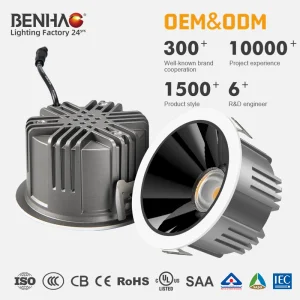
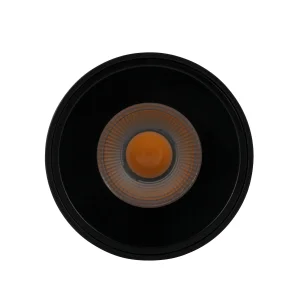
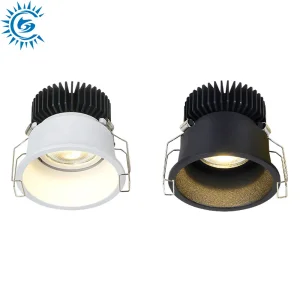
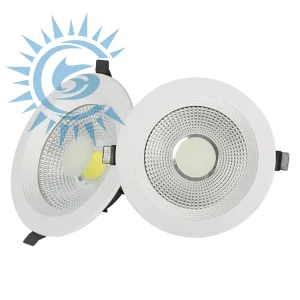
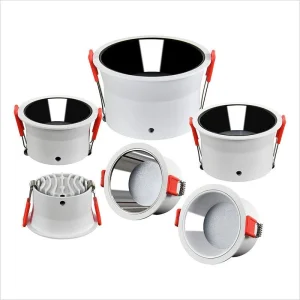
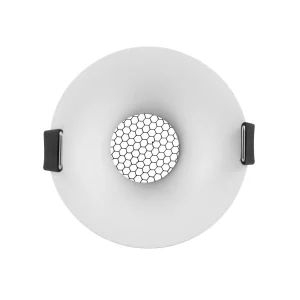
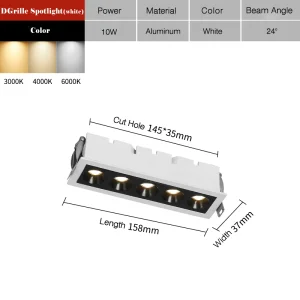
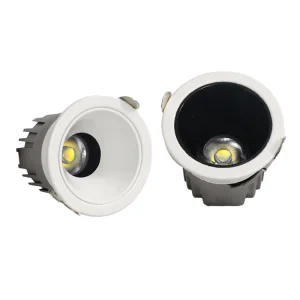
In modern architectural engineering and high-end commercial spaces, the demand for precise control over light distribution and rendering index has driven a significant technological paradigm shift. The global lighting market has largely transitioned from traditional SMD (Surface Mounted Device) arrays to COB (Chip-on-Board) LED architectures when addressing directional downlighting. As developers, specifiers, and procurement officers navigate dynamic energy conservation guidelines (such as the EU's ErP directives and California's Title 24 code), high-efficacy COB downlights have emerged as the standard infrastructure for premium office configurations, hospitality sectors, educational complexes, and luxury retail storefronts.
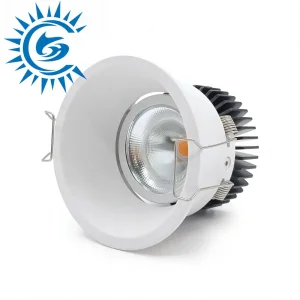
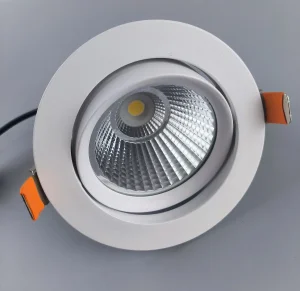
The commercial value of COB downlights lies in their unique chip packaging topography. By mounting multiple bare LED dies directly onto a thermally conductive substrate (often ceramic or metal-core PCBs), COB technology achieves a highly concentrated, uniform light source without the typical multi-shadow artifacts associated with SMD clusters. For projects requiring high Center Beam Candlepower (CBCP) and absolute color uniformity, COB chips enable optics designers to design smaller apertures with much higher lumen density. As global supply networks adapt to decarbonization policies, importing from vertically integrated manufacturing centers in China has become a vital strategic pathway for global distributors seeking optimal performance-to-cost indexes.
For lighting consultants and electrical specifiers, evaluating a LED downlight goes far beyond aesthetics. True reliability is determined by the intersection of three key domains: thermal management, optical physics, and driver topology.
Thermal resistance is the primary driver of lumen degradation and chromaticity shift in high-power COB installations. Our modules utilize high-purity die-cast aluminum (A380/ADC12) heat sinks coupled with phase-change Thermal Interface Materials (TIMs). This setup reduces junction-to-ambient thermal resistance (θ_ja), keeping the LED junction temperature below 85°C even at high ambient operation.
Controlling the Unified Glare Rating (UGR) is critical to maintaining productivity in environments like corporate offices and classrooms. Using deep-recessed reflector geometries and engineered TIR (Total Internal Reflection) polycarbonate lenses, we achieve a clean beam distribution cut-off. This prevents spill light from entering the normal field of view and minimizes glare.
Our drivers are engineered with ripple-free constant current circuits to eliminate flickering across all dimming ranges. They support advanced protocols like DALI-2, Zigbee 3.0, and 0-10V analog signals. Designed with built-in protection for over-temperature, over-voltage, and short circuits, they consistently operate at a high power factor (PF > 0.95).
In high-precision applications like art galleries and fashion retail, standard color metrics can fall short. The industry has moved beyond traditional Ra values to evaluate color rendition using the ANSI/IES TM-30-18 system. This standard measures color fidelity (Rf) and color gamut (Rg) across 99 distinct color samples. Our high-fidelity COB downlights achieve an Rf of >92 and an Rg of ~100. This ensures colors remain rich, natural, and accurately rendered under artificial lighting conditions.
Zhejiang Lili Light Co., Ltd. is a professional manufacturer and exporter specializing in high-performance LED lighting products and integrated smart-lighting solutions. Over years of focused operation, we have expanded our capacity to deliver highly engineered commercial systems worldwide, forming long-term OEM/ODM partnerships across Europe, South America, Southeast Asia, and the Middle East.
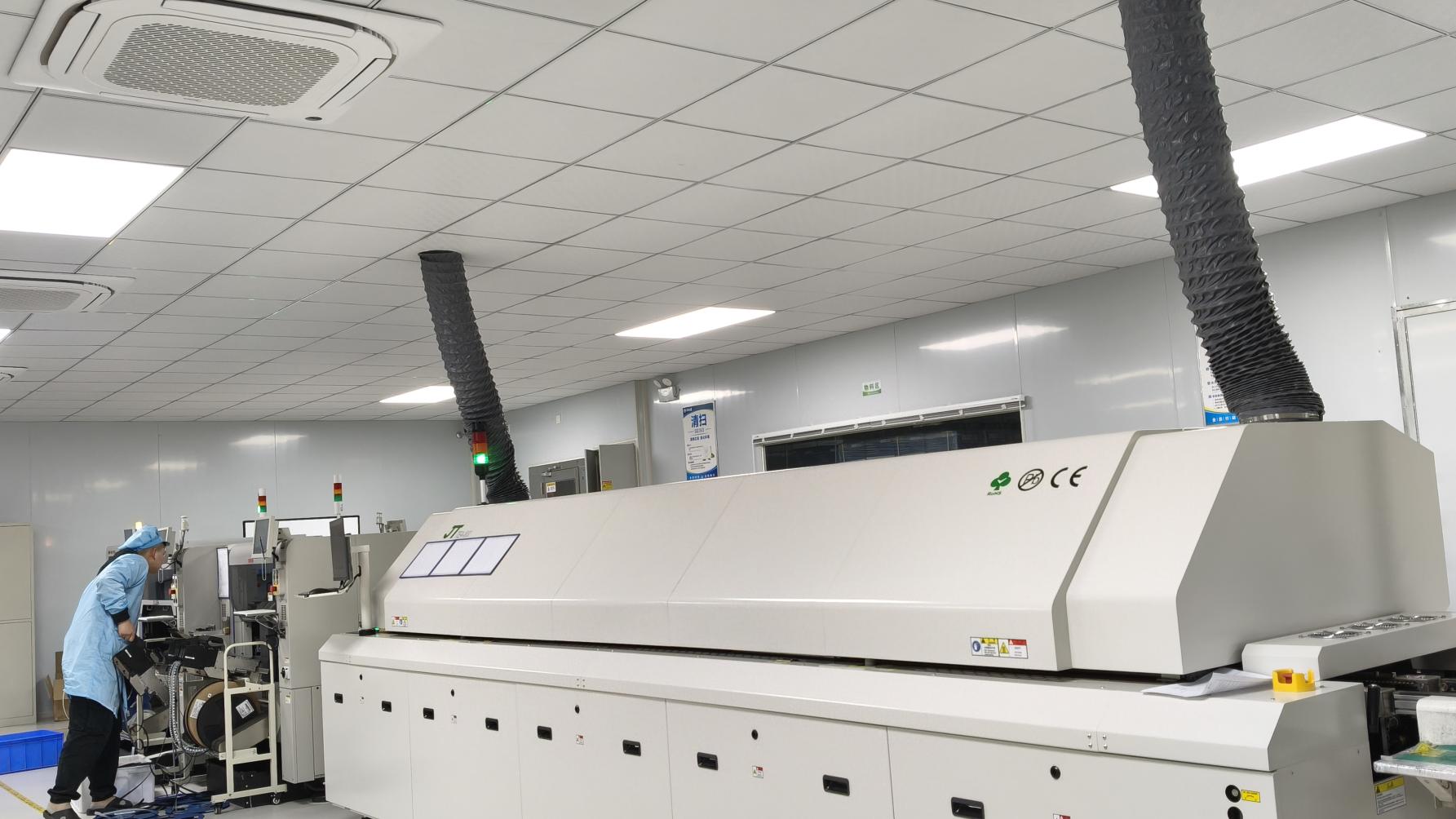
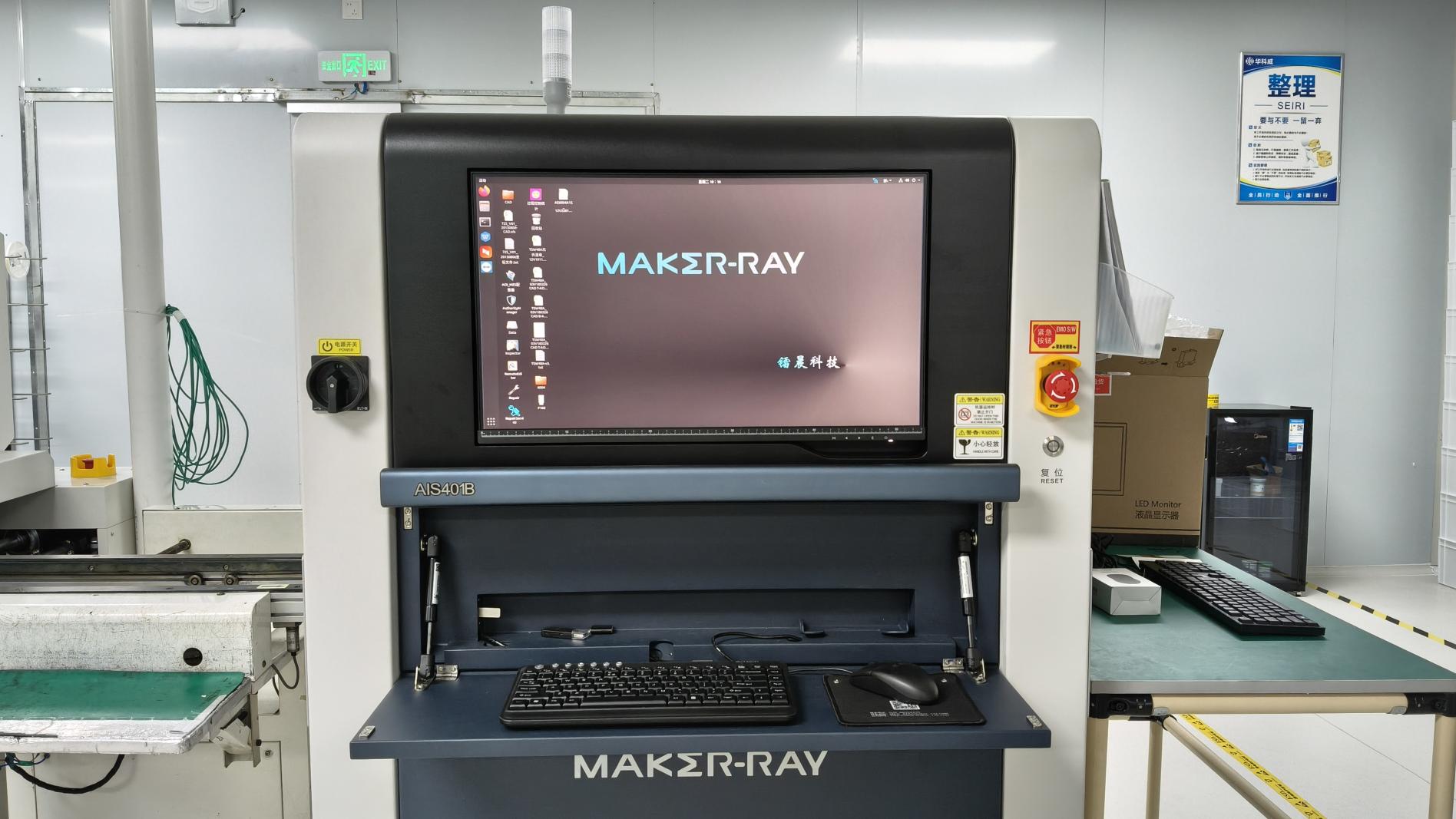
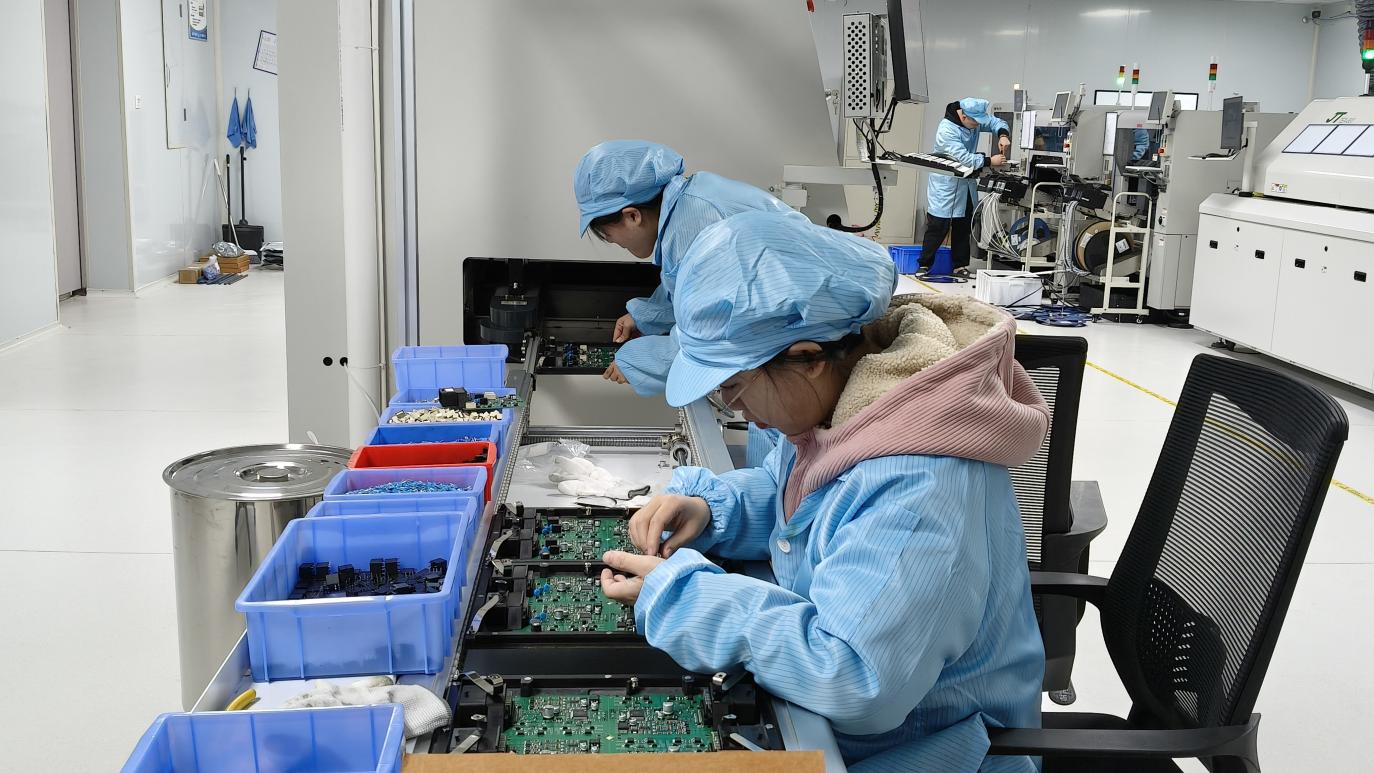
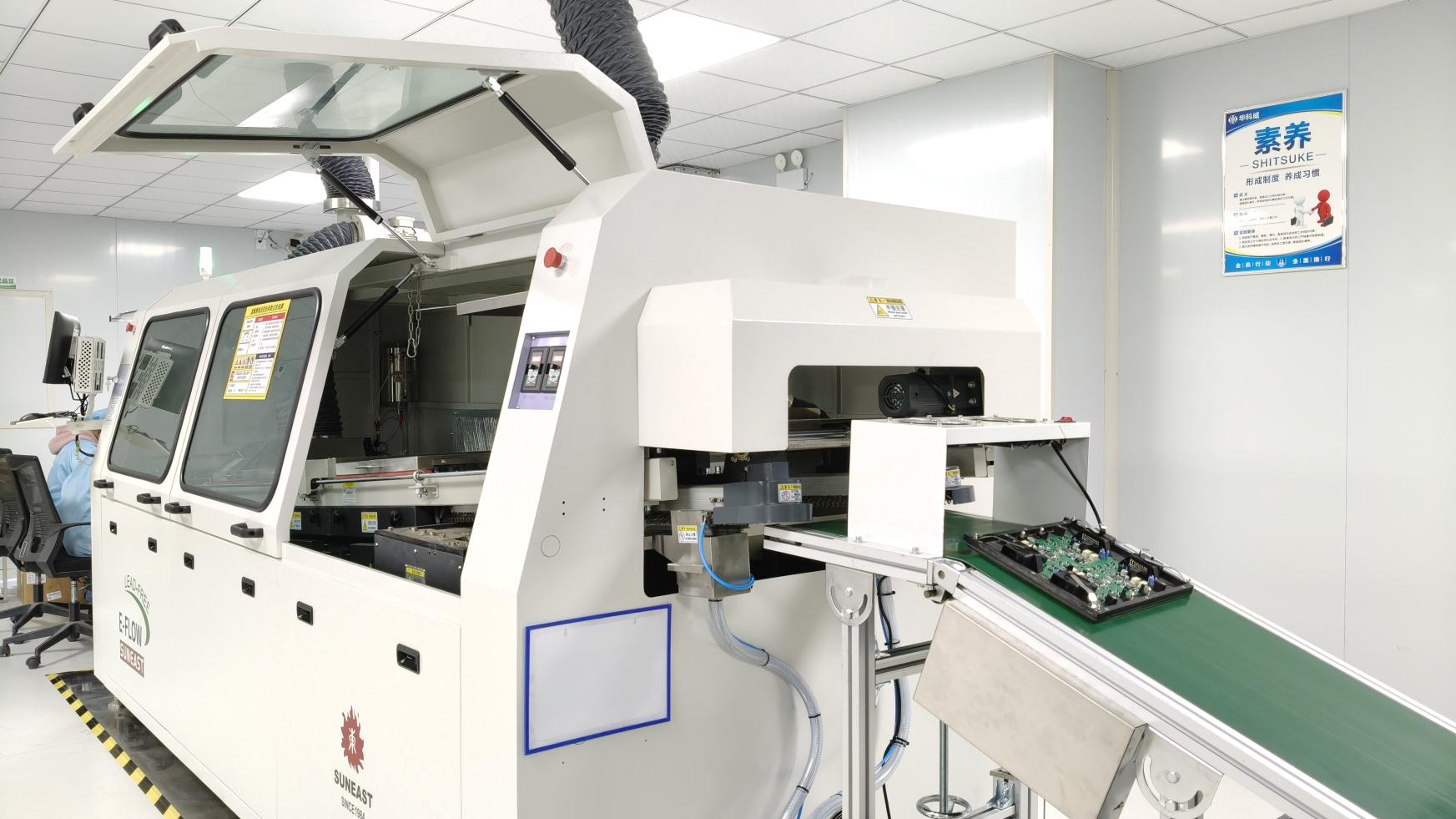
Our comprehensive indoor and outdoor portfolio encompasses residential, commercial, industrial, and municipal infrastructure. Supported by advanced SMT lines, automated optical testing systems, and a dedicated engineering team, we ensure every fixture meets stringent international standards, including CE, RoHS, and high-degree IP ratings.
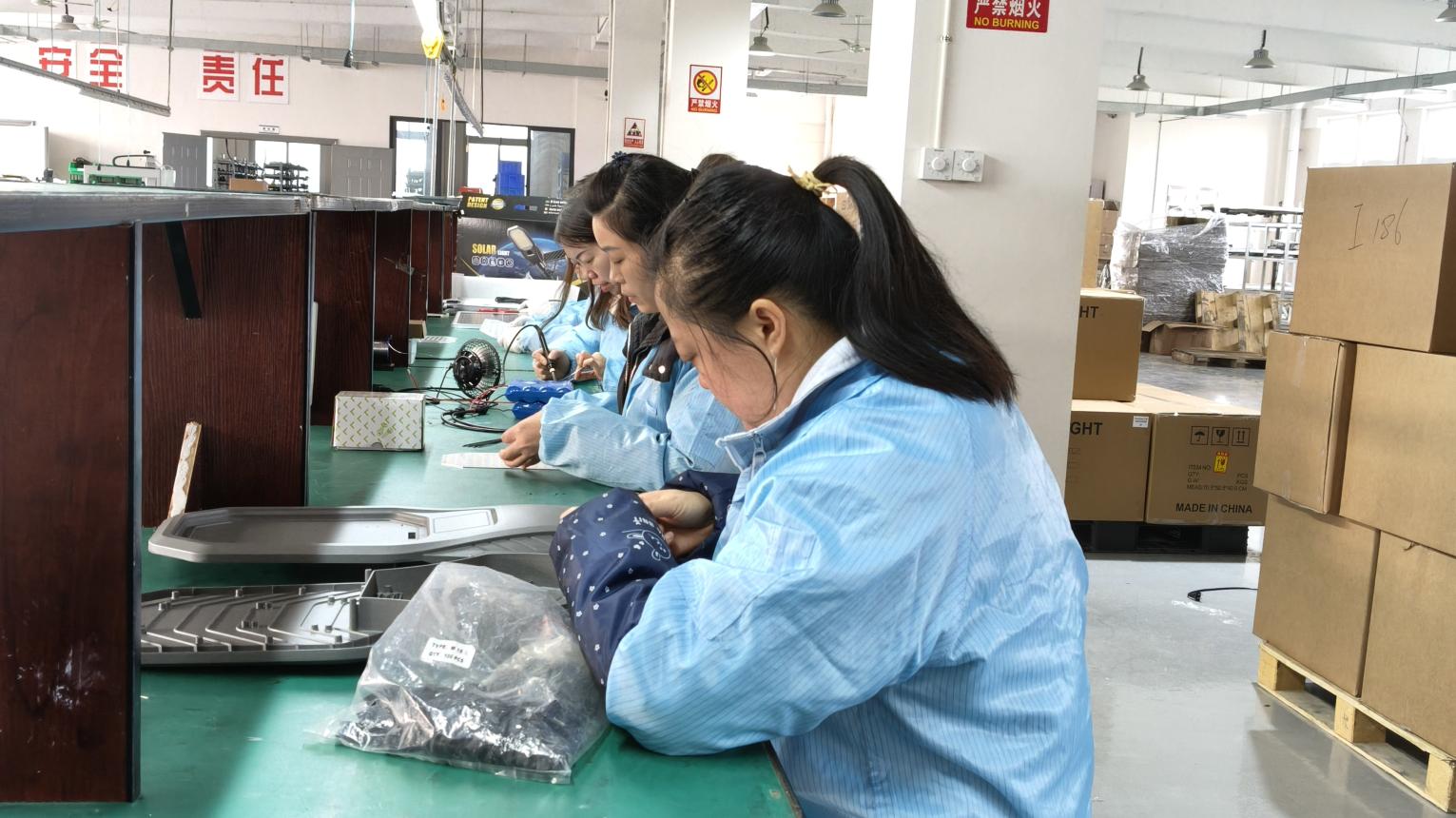
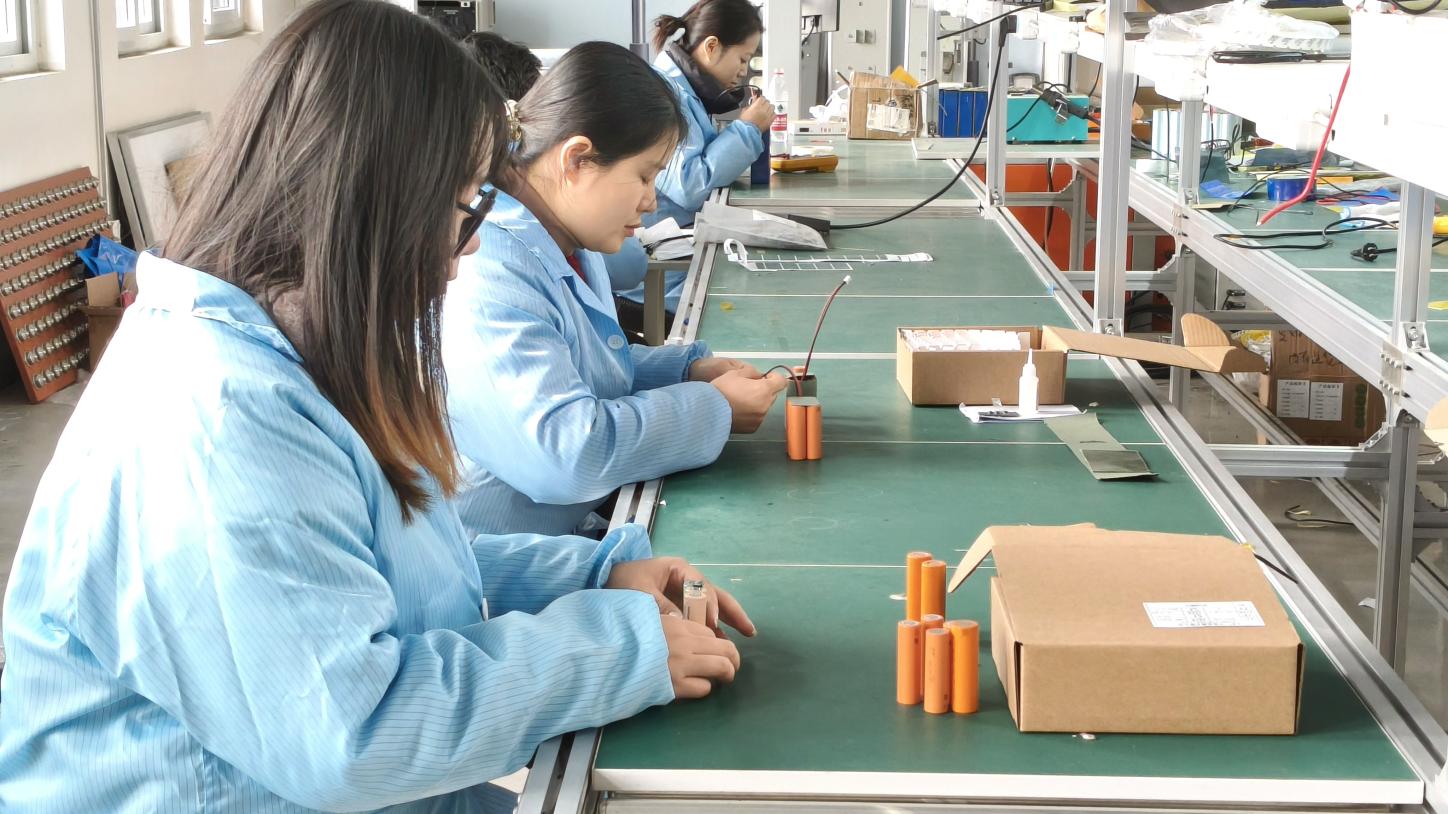
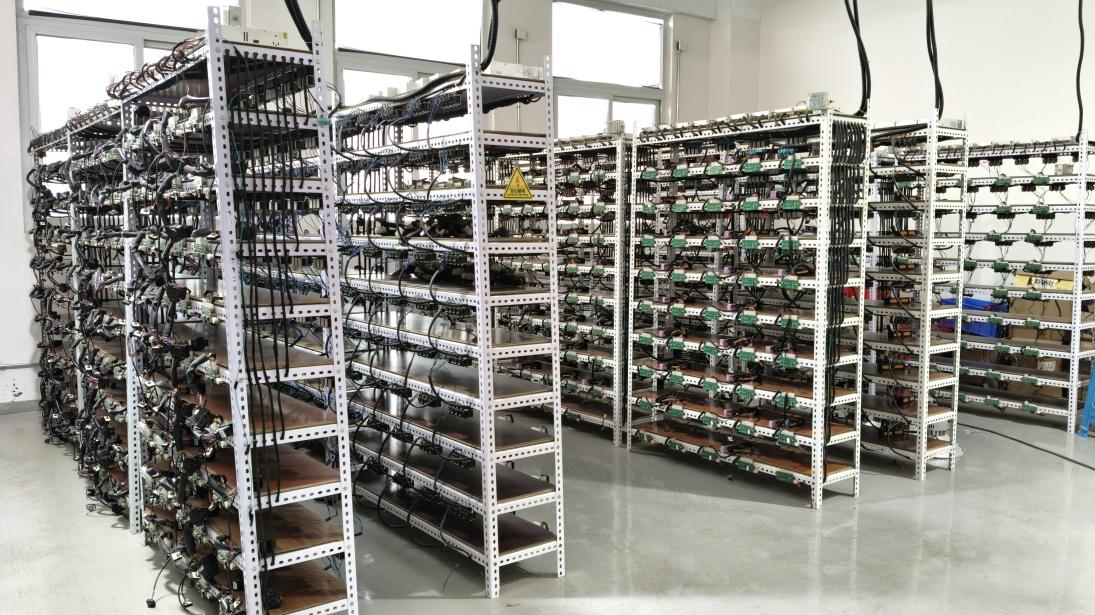
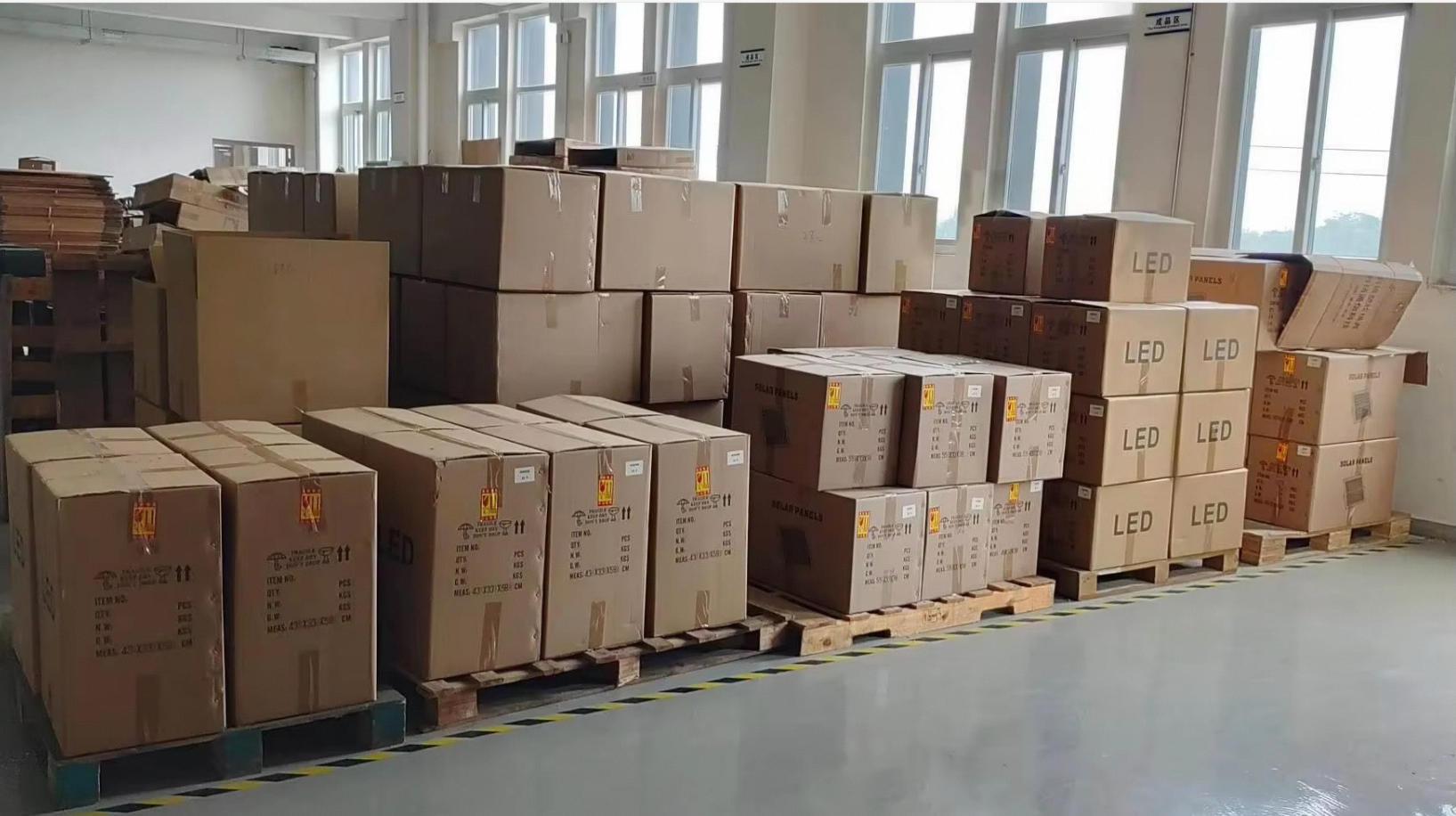
Every downlight we deliver is manufactured under strict ISO 9001:2015 conditions. Our production lines feature advanced automation to reduce assembly errors and maintain consistent electrical parameters across production runs.
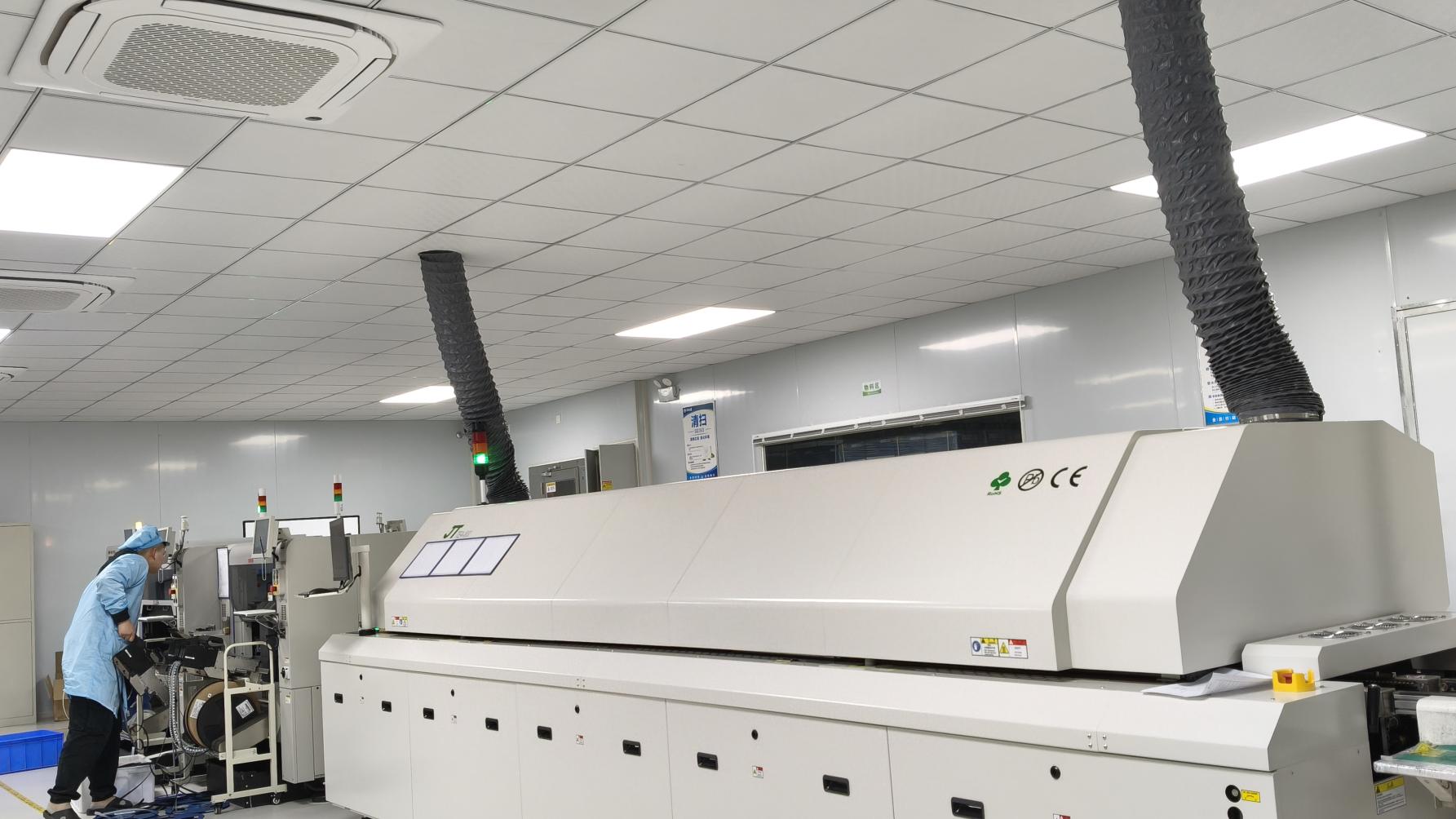
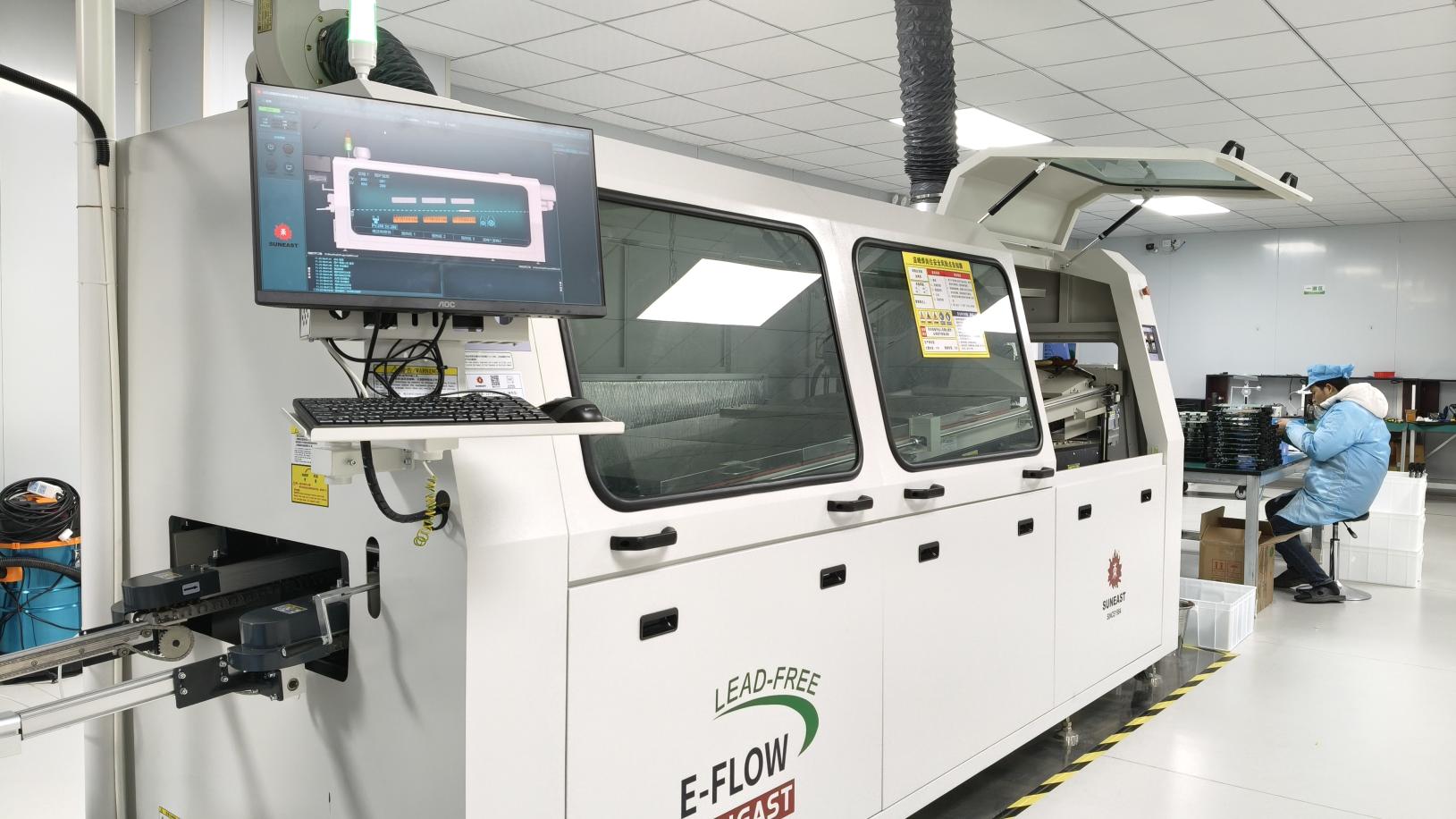
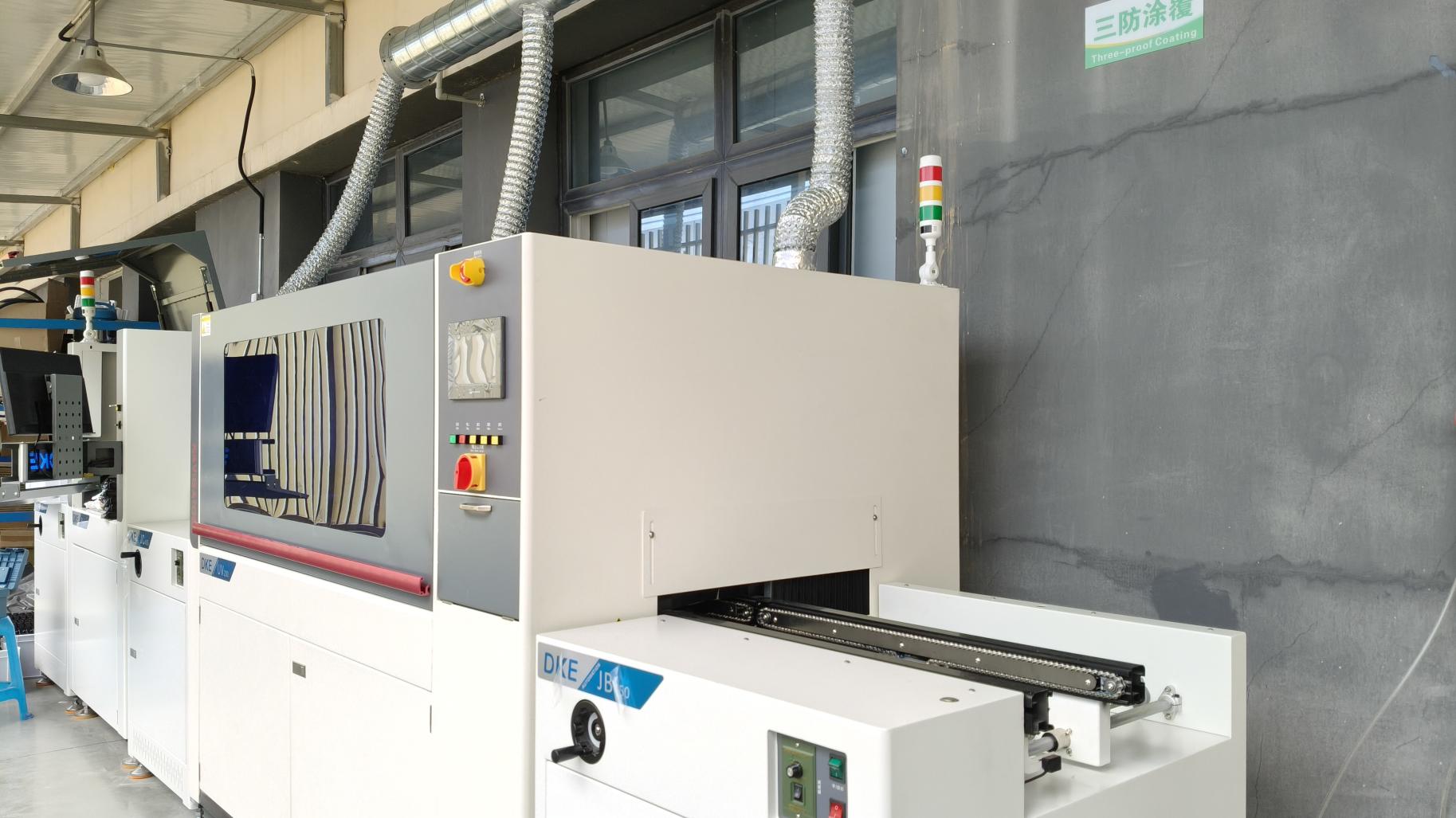
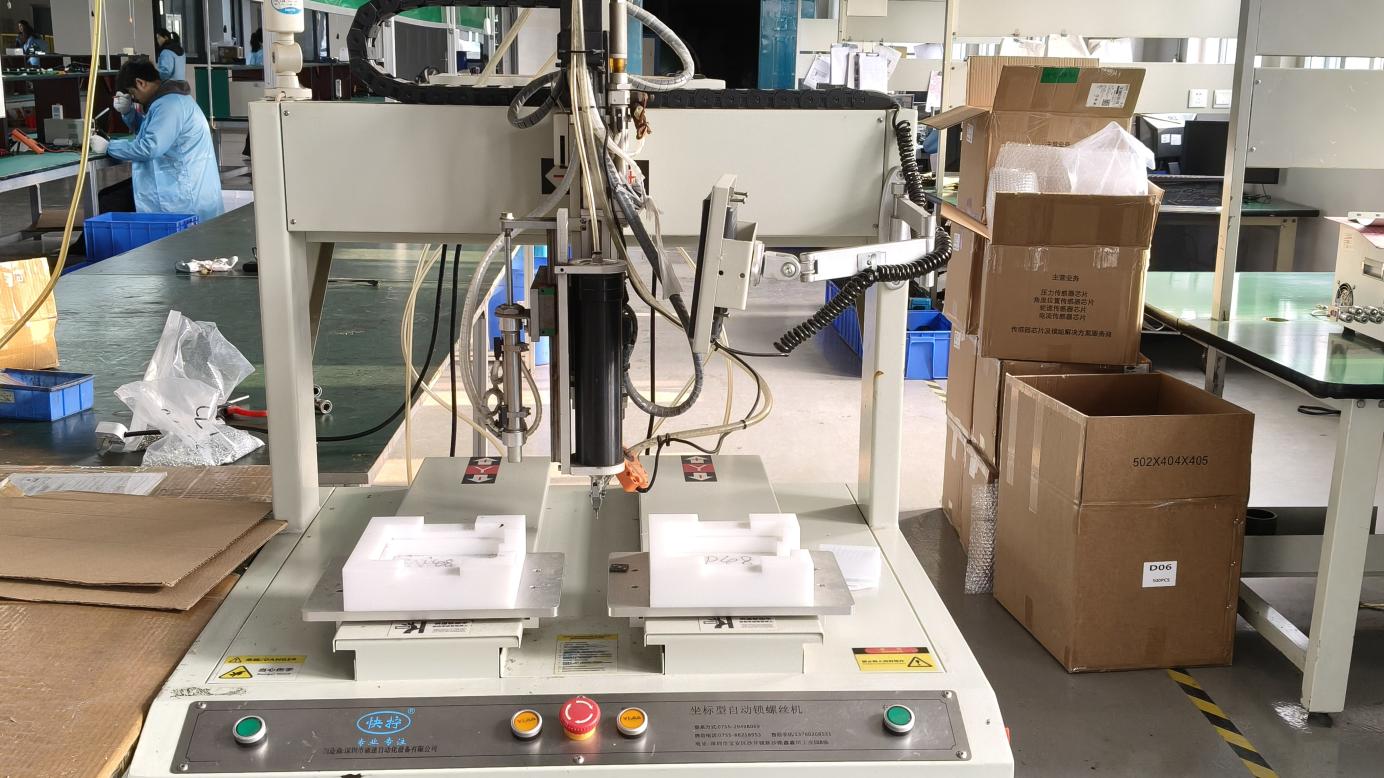
Different architectural spaces present unique lighting requirements. A retail showroom, a cleanroom, and a luxury residence each demand a distinct approach to luminaire configuration.
In premium retail environments, color accuracy is key. Downlights with Ra >95 and high R9 saturated red values ensure merchandise colors are displayed vividly and accurately. Precise optical beam angles ranging from 15° to 36° allow designers to create depth, guide customer movement, and highlight featured displays.
Office layouts prioritize sustained user comfort and energy efficiency. Deep-recessed anti-glare fixtures help reduce eye fatigue and support productive workspaces. When integrated with smart lighting control networks, these systems can adjust to dimming schedules that complement natural light and lower overall energy use.
Creating a welcoming and relaxing atmosphere in hotels and residences requires versatile lighting. Tunable White (CCT 2700K - 6500K) and dim-to-warm configurations allow spaces to transition smoothly from energetic daytime light to soft, warm evening illumination, supporting natural circadian rhythms.
In outdoor and demanding indoor settings, environmental ratings are critical. Outdoor corridors and bathroom installations require IP44 or IP65 dust and moisture protection. Our IP65-rated waterproof COB downlights use durable silicone gaskets, corrosion-resistant aluminum housings, and protective anti-condensation valves to prevent moisture accumulation and ensure long-term stability in high-humidity areas.
The commercial lighting industry is shifting from static, energy-efficient fixtures to integrated IoT communication hubs. In this evolving landscape, downlights serve as nodes in smart building networks, carrying sensors that collect space occupancy data, environmental metrics, and equipment diagnostic feedback.
Our ongoing development focuses on preparing downlight systems for integration with next-generation platforms like Matter and Thread, alongside established protocols like DALI-2 and Zigbee 3.0. By equipping drivers with digital diagnostic interfaces (such as DiiA parts 251, 252, and 253), we enable real-time tracking of energy consumption, thermal health, and operating hours. This supports predictive maintenance schedules and contributes to building efficiency goals in modern commercial installations.
 Lili Light