Converting fluorescent tubes to LED linear lights has become a popular choice. The shift to LED technology offers numerous benefits, including energy efficiency, longer lifespan, and reduced maintenance costs. However, understanding how to convert fluorescent tubes to LED linear lights can be slightly overwhelming for some. It's not just about swapping bulbs; it involves a few critical steps.
The conversion process requires specific knowledge and tools to ensure safety and effectiveness. Familiarity with electrical systems is essential. Mistakes can lead to hazards, so it’s crucial to approach the task with care. Many people overlook the potential complexities involved in this conversion.
Choosing the right LED fixtures is vital. You need to consider compatibility with existing fixtures and ballast systems. This decision significantly impacts performance and energy savings. Reflecting on personal experience, some may find that a simple conversion leads to unexpected challenges. It's important to learn from these issues rather than rushing through the installation. Understanding how to convert fluorescent tubes to LED linear lights can empower you to make informed and successful transitions in your lighting choices.
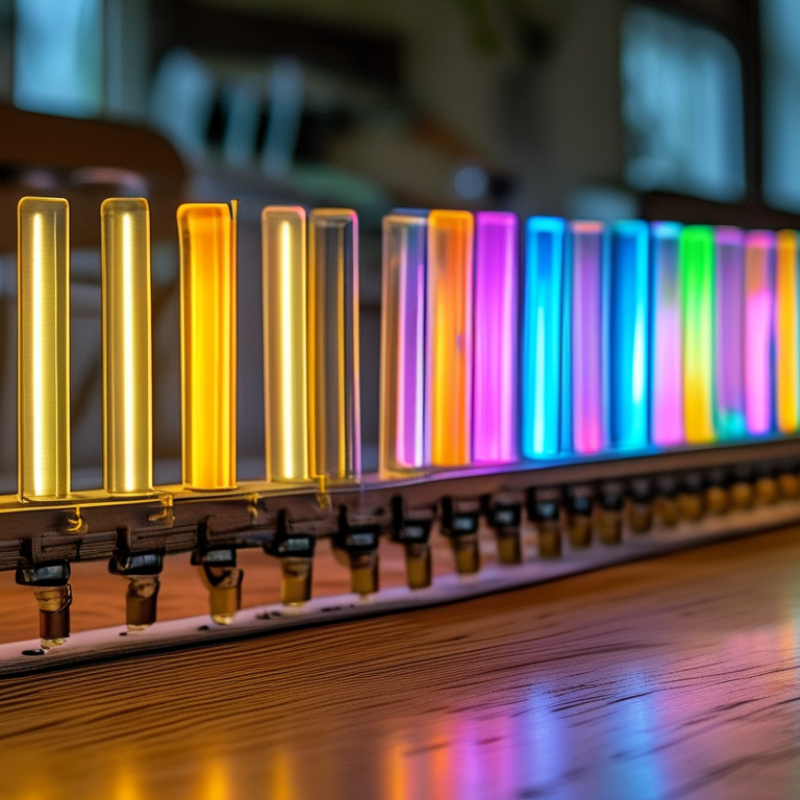
Converting fluorescent tubes to LED linear lights offers numerous advantages. One of the primary benefits is energy efficiency. LED lights consume significantly less power compared to fluorescent tubes. This reduction can lower electricity bills over time. Additionally, LED lights have a longer lifespan, which means less frequent replacements. This aspect not only saves money but also reduces waste, making it an eco-friendly choice.
When considering the switch, it’s essential to know some tips. First, ensure that the LED fixtures you choose are compatible with your existing fixtures. Look for bulbs that can operate with your current ballast or opt for direct-wiring if needed. Always check the lumen output to ensure adequate lighting. A higher lumen count provides brighter illumination, crucial for workspace settings.
Another point to remember is that while LEDs are durable, they can be sensitive to temperature. Avoid placing them in extremely hot conditions. Also, reconsider placement for optimal light distribution. Thoughtful arrangement can enhance the overall atmosphere in any room. Take these factors into account for a successful conversion.
The energy efficiency of LED lighting is increasingly recognized in both residential and commercial settings. Studies reveal that LED lights can be up to 80% more efficient than traditional fluorescent lights. This conversion can lead to significant savings on energy bills. For instance, switching from fluorescent tubes to LED linear lights can reduce electricity consumption from 60 watts per tube to around 18 watts.
Moreover, the lifespan of LED lights is notably longer. While fluorescent tubes typically last 7,000 to 15,000 hours, LED options can extend that range to 25,000 to 50,000 hours. This longevity translates into fewer replacements and less waste. A report from the U.S. Department of Energy notes that if every American household replaced one light bulb with an LED, the energy savings could be equivalent to taking a million cars off the road.
However, the initial costs of LED installations can be higher. Some consumers hesitate to invest despite the long-term savings. There's a need for balanced evaluation here. If possible, consider the total cost of ownership. Calculate the savings over time to understand how significant the benefits can become. The shift to LED is not just a trend; it represents a more sustainable approach to lighting.
Converting fluorescent tubes to LED linear lights involves a careful process, especially when considering socket configurations. Many buildings still use outdated fluorescent lighting, which consumes more energy and has a shorter lifespan. In the U.S., approximately 70% of commercial lighting relies on fluorescent tubes.
To start the conversion, it’s essential to assess the existing lighting setup. Identify the type of fluorescent tube and the specific socket configuration—most common are T8 and T12 types. Some LED alternatives are designed for direct retrofit, while others may require socket replacement. Reports indicate that LED fixtures can save up to 50% of energy costs compared to traditional fluorescent lighting. Selecting the appropriate LED fixture ensures compatibility with current sockets, enhancing safety and efficiency.
Next, shut off the power supply before starting the installation. Removing the old fluorescent tubes involves unscrewing or sliding them out of their sockets. For a direct replacement, insert the LED tube into the existing sockets. Ensure a secure fit to avoid flickering. If a complete retrofit is needed, expert installation may be necessary. Studies suggest that improper installation leads to reduced performance and a shorter lifespan. It’s critical to verify the voltage requirements and ensure that the new LED lights are rated for your application.
| Step | Action | Tools Required | Notes |
|---|---|---|---|
| 1 | Turn off the power supply | None | Safety first, ensure no electricity is flowing. |
| 2 | Remove the fluorescent tube | None | Support the tube with both hands while twisting it. |
| 3 | Check socket compatibility | Multimeter | Confirm if the sockets fit LED tubes. |
| 4 | Replace or rewire sockets if necessary | Screwdriver, Wire Strippers | Use proper safety precautions while handling wires. |
| 5 | Insert LED tubes into sockets | None | Ensure tubes are securely held in place. |
| 6 | Turn the power supply back on | None | Check for any flickering or issues. |
| 7 | Test the lighting functionality | None | Ensure lights are working correctly. |
When converting fluorescent tubes to LED linear lights, preparation is key. Essential tools include a wire stripper, screwdriver, and the appropriate LED tubes. Always consider safety precautions. Before beginning, turn off the power supply to prevent electric shocks. Wearing protective gloves and goggles can offer additional safety.
Be mindful of the existing fixtures. Check for any damage or signs of wear. If there are serious issues, it might be better to replace the fixtures entirely. Improperly securing the LED tubes can lead to malfunction.
Here are some quick tips. Ensure that the LED tubes are compatible with your ballasts if you’re using them. Some LED tubes are designed for direct wiring, while others work with existing ballasts. Measure the length of your current tubes accurately; exact fitting is crucial. Keep a fire extinguisher nearby, just in case. Converting lights should be done carefully and thoughtfully.
Calculating the cost savings and longevity of LED over fluorescent lighting reveals significant benefits. According to the U.S. Department of Energy, LEDs use up to 75% less energy than traditional fluorescent tubes. This efficiency translates into lower electricity bills for homes and businesses alike. For example, switching from a fluorescent tube to an LED equivalent in a typical office space can yield savings of about $300 annually per fixture.
In terms of longevity, LED lights last up to 25,000 hours, while fluorescent tubes generally last around 10,000 hours. This means that not only do you save money, but you also reduce maintenance costs. Replacing bulbs less frequently can significantly decrease labor costs and disruption in a workplace environment. However, it's essential to consider initial installation costs. Some projects may require additional wiring or fixtures for optimal performance, which could offset initial savings.
Additionally, while LEDs are durable and efficient, not all LED lights are created equal. Variations in quality can impact performance and lifespan. Conducting thorough research on products ensures that lighting choices align with both budget and energy goals. Understanding these factors helps in making an informed decision during conversion projects.
: Converting to LEDs improves energy efficiency. This leads to lower electricity bills over time. Additionally, LEDs have a longer lifespan than fluorescents.
Check if the LED fixtures work with your existing setup. Look into whether they can use your current ballast or if direct-wiring is necessary.
Lumen output is crucial. A higher lumen count ensures brighter lighting, which is important in workspaces where visibility is key.
Yes, LEDs can be sensitive to heat. Avoid placing them in extremely hot conditions to maintain their performance and lifespan.
Thoughtful arrangement of lights can improve overall atmosphere. Consider the layout of your space for better illumination.
Assess the existing lighting setup and identify the fluorescent type and socket configuration, such as T8 or T12 types, to ensure proper compatibility.
Improper installation can lead to reduced performance and a shorter lifespan of LED lights. Always verify voltage requirements and secure proper fit.
Reports indicate LEDs can cut energy costs by up to 50% compared to traditional fluorescents, making the switch financially beneficial.
LEDs generally last about 25,000 hours, while fluorescent tubes last around 10,000 hours, leading to fewer replacements.
Not all LED lights have the same quality. Variations can affect their performance and lifespan, so research before choosing products.
Converting fluorescent tubes to LED linear lights presents numerous advantages, including improved energy efficiency, enhanced longevity, and reduced maintenance costs. Understanding how to convert fluorescent tubes to LED linear lights begins with a comparison of energy efficiency, highlighting the significant savings and reduced environmental impact of LED technology.
The conversion process involves a detailed step-by-step guide to adjusting fluorescent socket configurations, ensuring compatibility with LED fixtures. Essential tools and safety precautions are outlined to facilitate a smooth transition. Finally, calculating the cost savings from the long lifespan and lower energy consumption of LED lights reinforces the financial benefits of making the switch. Embracing this conversion not only boosts lighting quality but also promotes a more sustainable lighting solution.

Lili Light