Choosing LED panel lights involves various factors, but CRI, or Color Rendering Index, stands out as a crucial element. CRI measures how accurately a light source displays colors compared to natural light. According to a report by the Philips Lighting Institute, a high CRI value above 90 is ideal for applications requiring precise color accuracy, such as art galleries or retail environments. This reinforces the idea that lighting quality directly impacts the perception of color in different spaces.
Expert David Johnson, a lighting designer with over 15 years of experience, emphasizes this point: "Why is CRI important when buying LED panel lights? High CRI leads to better color accuracy, enhancing the overall aesthetics of a space." His insight reflects a growing consensus in the industry regarding the value of CRI.
Many consumers overlook CRI while focusing on other technical specifications. However, the real-world implications of poor color rendering can be significant. Inadequate lighting may distort colors, affecting product presentation and customer experience. A thoughtful approach to CRI can lead to informed decisions that enhance the quality and functionality of lighting in both residential and commercial settings.
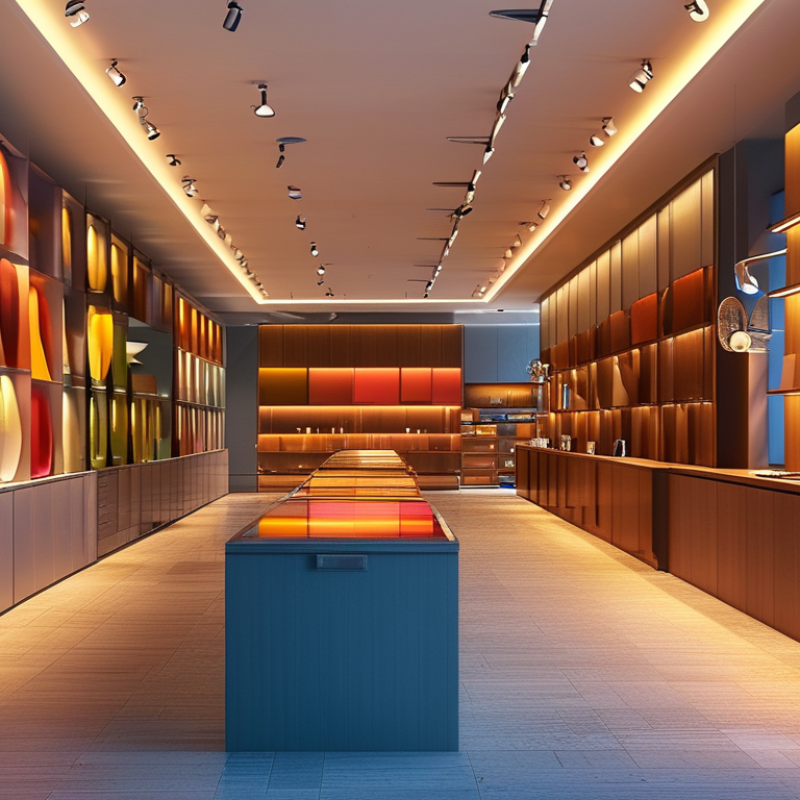
What is CRI and Its Importance in Lighting?
CRI, or Color Rendering Index, is a crucial factor in lighting. It measures how accurately a light source displays colors compared to natural light. A higher CRI, closer to 100, means better color reproduction. For instance, LED lights with a CRI above 90 are ideal for places where color differentiation is important, like art studios or retail spaces.
In practical terms, CRI impacts how we perceive spaces and products. When lighting is poor, colors can appear dull or distorted. According to industry reports, over 80% of consumers rely on color accuracy before making a purchase decision. Therefore, understanding CRI not only enhances aesthetics but also influences commercial success.
When selecting LED panel lights, consider their CRI rating. A high CRI rating promotes vibrant atmospheres. For instance, choosing lights with a CRI of 95 or higher can elevate customer experiences. However, not every situation requires top-tier CRI. In utility spaces, lower CRI ratings may suffice, saving cost without significant quality loss. Always balance cost and performance based on your specific needs.
Understanding the Characteristics of LED Panel Lights
The characteristics of LED panel lights play a vital role in determining their effectiveness for various applications. One key element is the Color Rendering Index (CRI). A higher CRI means better color accuracy. This is particularly important in environments where color distinction is critical, such as art studios and retail spaces. Inadequate CRI can distort colors, leading to poor visual outcomes.
Another significant characteristic is the light's uniformity. LED panel lights are designed to provide even illumination across surfaces. This reduces harsh shadows and highlights, creating a more pleasant visual environment. However, not all LED panels achieve this. Some may have noticeable hotspots or uneven brightness. Evaluating these features can help ensure the selected lights meet specific needs.
Energy efficiency is another factor to consider. LED panel lights are generally more efficient than traditional lighting options. They consume less power while providing comparable or superior brightness. However, not all LED lights are created equal in this regard. Some models may offer lower efficiency, resulting in higher energy bills. Understanding these characteristics allows for better-informed choices in lighting.
How CRI Affects Color Perception and Mood
Color Rendering Index (CRI) plays a significant role in how we perceive colors in our surroundings. A high CRI means colors are rendered more accurately and vividly. This can profoundly impact our mood and the ambiance of a space. For example, natural light has a CRI of 100, making colors vibrant and true to life. Comparatively, artificial lights with low CRI can make colors appear dull and misleading, affecting everything from artwork to clothing choices.
Consider a cozy café illuminated by LED panel lights. If the lights have low CRI, the warm tones of the woodwork may seem lifeless. On the contrary, a high CRI will enhance the inviting atmosphere and bring out the warmth of the colors. This effect can shape not just how we feel but also our willingness to stay, socialize, or work in that space. When choosing LED panel lights, it’s crucial to reflect on how the CRI number will affect everything around us.
The mood of a room can shift dramatically with just a minor change in lighting. In places like offices or homes, the difference is tangible. Poor lighting can lead to eye strain and fatigue. Thus, selecting a light source with good CRI is essential for both well-being and functionality. Being mindful of these factors can lead to a more enjoyable and productive environment.
Comparing CRI Ratings: What You Need to Know
When selecting LED panel lights, the Color Rendering Index (CRI) is a key factor. CRI measures how accurately a light source displays colors compared to natural light. High CRI values, typically above 90, reflect more natural and vibrant colors. Low CRI lighting can distort colors, making spaces feel uninviting. It's crucial to consider how lighting impacts both mood and functionality in various environments.
Different applications require different CRI ratings. For a home setting, a CRI of 90 or above enhances the appearance of artwork and fabrics. In retail spaces, high CRI lighting can attract customers by displaying products in the best possible light. However, not all spaces demand high CRI. Some utility areas may benefit from lower ratings, focusing primarily on visibility rather than aesthetics.
A common misconception is that all LED lights have similar CRI ratings. In reality, there can be significant variations. Buyers often overlook this detail, which can lead to unsatisfactory results. Evaluating CRI ratings can be straightforward. Look for product specifications, and don’t hesitate to ask for more information. Understanding CRI can promote better choices in lighting, ensuring the environment aligns with your visual needs.
Choosing the Right LED Panel Lights Based on CRI
When selecting LED panel lights, Color Rendering Index (CRI) plays a vital role. A high CRI means colors appear more accurate and vivid. This is essential for spaces like art studios or retail shops. In these environments, the way colors are perceived can impact decisions and emotions. For instance, an interior designer needs to see true color tones. Low CRI lighting can distort their vision, leading to poor design choices.
Many consumers overlook CRI when shopping for LED panel lights. They might focus on brightness and energy savings instead. However, a light with a CRI below 80 may not be suitable for many applications. It's about understanding how lighting can affect daily activities. For example, crafting or cooking requires seeing true colors. Without proper CRI, colors may look dull or misleading, causing frustration.
Choosing the right LED panel should prioritize both lumens and CRI. Not all lighting options will satisfy every need. It's essential to assess the specific requirements of a space. Feedback from users indicates that the right lighting can improve productivity and enhance mood. Therefore, a thoughtful approach to CRI can lead to better outcomes in various settings.
Why is CRI Crucial for Choosing LED Panel Lights?
| Light Color Temperature (Kelvin) |
CRI Value |
Typical Use |
Color Rendering Quality |
| 3000K |
90 |
Residential Spaces |
Excellent |
| 4000K |
80 |
Offices and Classrooms |
Good |
| 5000K |
95 |
Retail Stores |
Excellent |
| 6500K |
75 |
Industrial Applications |
Fair |
FAQS
: CRI measures how accurately light displays colors compared to natural light. Higher CRI means better color accuracy.
A higher CRI is crucial for environments needing accurate color distinction, like art studios and retail spaces.
Uniformity ensures even illumination, reducing harsh shadows. However, some panels might have uneven brightness or hotspots.
Generally, LED panel lights are more efficient than traditional options. However, efficiency can vary among different models.
For homes, a CRI of 90 or above enhances the look of artwork and fabrics effectively.
Not all spaces require high CRI; utility areas may focus more on visibility than aesthetics.
Check product specifications for CRI information. Don't hesitate to ask for details if unclear.
Yes, low CRI can distort colors, making spaces feel uninviting. This can affect both mood and functionality.
Consider CRI, uniformity, and energy efficiency to ensure the lights meet your specific needs effectively.
Yes, buyers often overlook CRI ratings, leading to unsatisfactory lighting outcomes. Awareness is key to better choices.
Conclusion
When selecting LED panel lights, understanding the Color Rendering Index (CRI) is essential. CRI measures a light source's ability to accurately reproduce colors compared to natural light. This aspect is crucial in both residential and commercial settings, as it affects color perception and influences mood. High CRI ratings ensure that colors appear vibrant and true to life, enhancing the overall ambiance of a space.
Moreover, when comparing CRI ratings, buyers should note that a higher score typically indicates superior color accuracy, which can impact the effectiveness of lighting in art studios, retail environments, and homes. Therefore, knowing why CRI is important when buying LED panel lights can guide individuals in making informed decisions that optimize their lighting choices for aesthetic and functional purposes.

 Lili Light