In the rapidly evolving world of commercial lighting, understanding "what causes LED driver failure in commercial lighting" is crucial. Industry expert Dr. Emily Wright emphasizes, “Identifying failure points in LED drivers can save businesses time and money.” This insight highlights the importance of a thorough investigation into the reasons behind these failures.
LED drivers are essential components that regulate power to LEDs. Common failure causes include overheating, electrical surges, and poor quality. When drivers fail, lighting systems become unreliable, impacting productivity and ambiance. Frequent replacements can lead to unnecessary costs and disruption.
As lighting technology advances, the push for energy efficiency and longevity increases. However, the complexity of these systems can make identifying failures challenging. A deeper look into materials used and environmental conditions can provide clarity. The industry must continue to question and analyze failures to enhance reliability and performance.
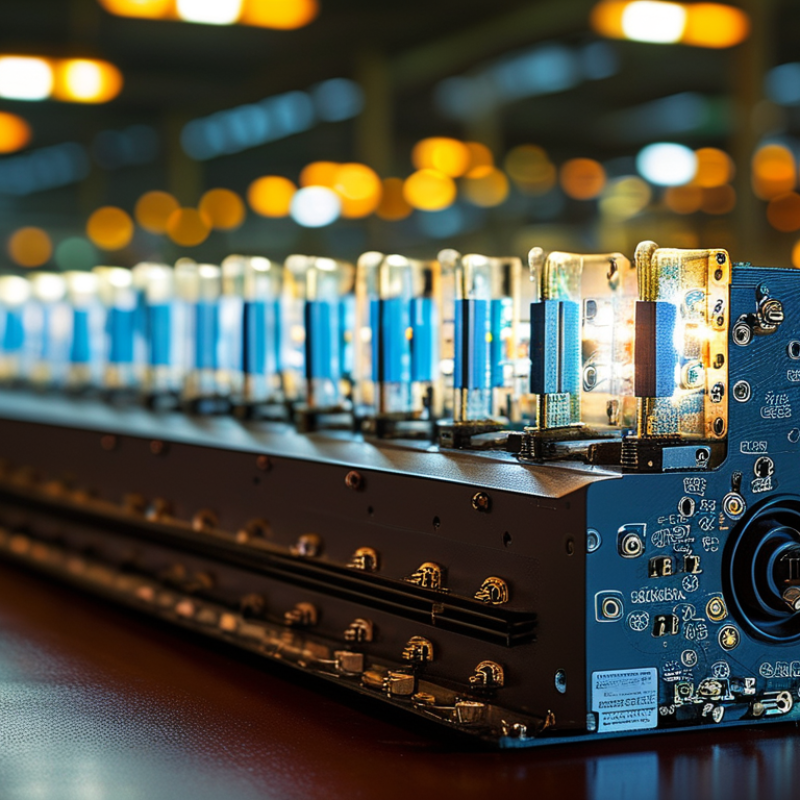
LED drivers are crucial components in commercial lighting systems. They regulate power to LED fixtures, ensuring optimal performance. These devices convert incoming voltage to a form usable by LEDs while managing current flow. Understanding their operation is essential for maintaining reliable lighting solutions.
Factors influencing LED driver performance include temperature and load conditions. High temperatures can accelerate component degradation. Load requirements must match the driver specification for stability. Even slight mismatches can lead to failures. Over time, drivers can suffer from component fatigue, impacting overall efficiency.
Routine maintenance and monitoring are vital. Regularly checking connections and verifying voltage outputs can help detect issues early. While many factors contribute to driver failure, addressing them proactively can extend the lifespan of LED systems. Staying informed about typical failure modes will aid in making better choices for long-term investments.
Identifying LED driver failure begins with recognizing common signs that can impact
lighting performance. Flickering lights are among the most noticeable indicators.
According to the Lighting Research Center, fluctuations in light output can signal driver issues. A study found that about
30% of driver failures are linked to overheating, which can be exacerbated
by inadequate ventilation in installations.
Another symptom is sudden dimming or complete loss of light. This often occurs when components, like capacitors or diodes, degrade.
Research suggests that drivers operating beyond their rated temperature can fail approximately 50% faster.
Thus, maintaining optimal operating conditions is crucial.
Audible noises, such as buzzing or humming, also often point to driver malfunctions. These sounds might stem from the electronic
components struggling to regulate power. Insights from industry reports highlight the significance of monitoring these symptoms to
avoid costly replacements. Awareness leads to proactive measures,
ensuring systems run efficiently and effectively.
When discussing LED driver malfunctions, several key factors emerge. One major issue is overheating. Poor thermal management can lead to excessive heat, damaging internal components. Drivers must operate within specific temperature ranges. If not, expect premature failure.
Another contributing factor is voltage fluctuations. LED drivers require stable input to operate reliably. Sudden changes in voltage can stress components. This not only shortens lifespan but also affects lighting consistency.
Electrical noise also plays a role. Interference from other devices can distort driver signals. This miscommunication causes erratic behavior. In commercial settings, where lighting reliability is crucial, this can be problematic.
Regular maintenance checks can help identify these issues early. Being proactive reduces the chances of unexpected failures. Understanding these factors can guide better design choices and operational practices. Making informed decisions is vital for longevity and efficiency in LED lighting.
| Failure Factor | Description | Impact Level | Preventive Measures |
|---|---|---|---|
| Overvoltage | Excess voltage can damage the LED driver components. | High | Use surge protectors and voltage regulators. |
| Overheating | High temperatures can lead to component failure. | High | Ensure proper ventilation and heat sinks. |
| Poor Quality Components | Use of substandard parts can lead to early failures. | Medium | Source components from reputable suppliers. |
| Incorrect Wiring | Improper connections can cause shorts or failures. | Medium | Follow wiring diagrams and instructions carefully. |
| Electrical Noise | Interference from other devices can disrupt functionality. | Low | Use noise filters and isolate sensitive components. |
Diagnosing LED driver issues in commercial lighting requires a systematic approach. These components play a crucial role in energy efficiency and overall lighting performance. According to the Lighting Research Center, over 25% of commercial lighting failures are attributed to driver malfunctions. Identifying the root causes can help minimize downtime and repair costs.
Visual inspection is the first step. Look for burnt components or discoloration. Use an infrared camera to detect hotspots, indicating overheating. Additionally, measurement tools like oscilloscopes can be invaluable. These can help analyze output waveforms and determine if the driver is functioning within specifications. Regular monitoring can reveal trends that indicate potential failures before they happen.
Often, drivers fail due to poor thermal management or electrical stress. A study by the Department of Energy emphasizes that drivers operating above recommended temperatures can have reduced lifespans. Inconsistent voltage levels can also lead to premature failure. Noticing these signs early is essential for maintaining a reliable lighting system. Understanding these factors will improve both the performance and longevity of LED drivers in commercial applications.
LED driver failures in commercial lighting can lead to significant operational disruptions. To mitigate these failures, understanding best practices is essential. Studies suggest that improper thermal management is a leading cause of driver failures, accounting for nearly 40% of the issues reported. Overheating diminishes the lifespan of these components. Installing adequate cooling systems and ensuring proper ventilation can effectively reduce temperature-related failures.
Another critical factor is the quality of electrical components. According to industry standards, low-quality capacitors and poorly designed circuits contribute to more than 30% of driver malfunctions. Investing in higher-grade components may incur higher upfront costs but can yield better reliability. Regular maintenance checks are also vital. A proactive approach, involving periodic inspections and diagnostics, can identify wear and tear before it leads to failure.
Yet, not all failures can be predicted. Even with preventive measures, some drivers may still fail. Human oversight can inadvertently affect performance, with improper installation techniques leading to issues that manifest later. A balance between skilled installation and ongoing education for technicians can enhance overall system reliability. Addressing these points with diligence fosters a more resilient lighting infrastructure, ultimately benefiting commercial operations.
: Flickering lights often indicate driver issues. Sudden dimming or total loss of light can also be a sign.
Overheating can cause failures. About 30% of driver failures are linked to high temperatures.
Inadequate ventilation may exacerbate overheating. Proper airflow can help maintain optimal operating conditions.
Buzzing or humming sounds are common signs of malfunctions. They suggest components are struggling to regulate power.
Ensure proper thermal management and ventilation. Install adequate cooling systems to minimize overheating risks.
Low-quality components contribute to driver malfunctions. Investing in reliable components can reduce failure rates.
Yes, regular inspections can identify wear and tear before failures occur. They are crucial for long-term reliability.
Yes, human oversight may cause problems. Proper installation techniques are essential for optimal performance.
No, despite preventive measures, some drivers may still fail. It highlights the necessity of thorough technician training.
Proactive measures foster a resilient lighting system. They ultimately enhance efficiency and save costs over time.
Understanding what causes LED driver failure in commercial lighting is crucial for maintaining efficient lighting systems. LED drivers play a vital role in the operation of LED lights, and recognizing the common signs of failure such as flickering, dimming, or complete shutdown is the first step in addressing issues. Key factors contributing to malfunctions include overheating, power surges, and poor-quality components.
To effectively diagnose LED driver issues, technicians should use techniques such as visual inspections, testing voltage output, and assessing the overall integrity of the lighting system. Implementing best practices like proper thermal management, using surge protection devices, and selecting high-quality drivers can significantly reduce the risk of failures. By understanding these elements, commercial lighting managers can ensure the longevity and reliability of their LED systems.

Lili Light