Choosing the right LED downlight color temperature can greatly impact the ambiance of your space. With numerous options available, it’s crucial to understand how to choose the right LED downlight color temperature that suits your needs. Color temperature, measured in Kelvin (K), influences how warm or cool the light appears.
Warm light, around 2700K to 3000K, creates a cozy atmosphere. This range is perfect for homes and relaxation areas. On the other hand, cooler light, above 4000K, is ideal for workspaces and kitchens, enhancing focus and clarity. Yet, many homeowners struggle to select the perfect hue. This often leads to frustration and unbalanced lighting in their homes.
Consider testing different color temperatures in your space. What feels right may vary greatly between individuals. It’s also worth reflecting on how color affects mood. Getting it wrong could lead to harsh environments or a lack of warmth. Ultimately, understanding how to choose the right LED downlight color temperature will allow you to create inviting and functional spaces.
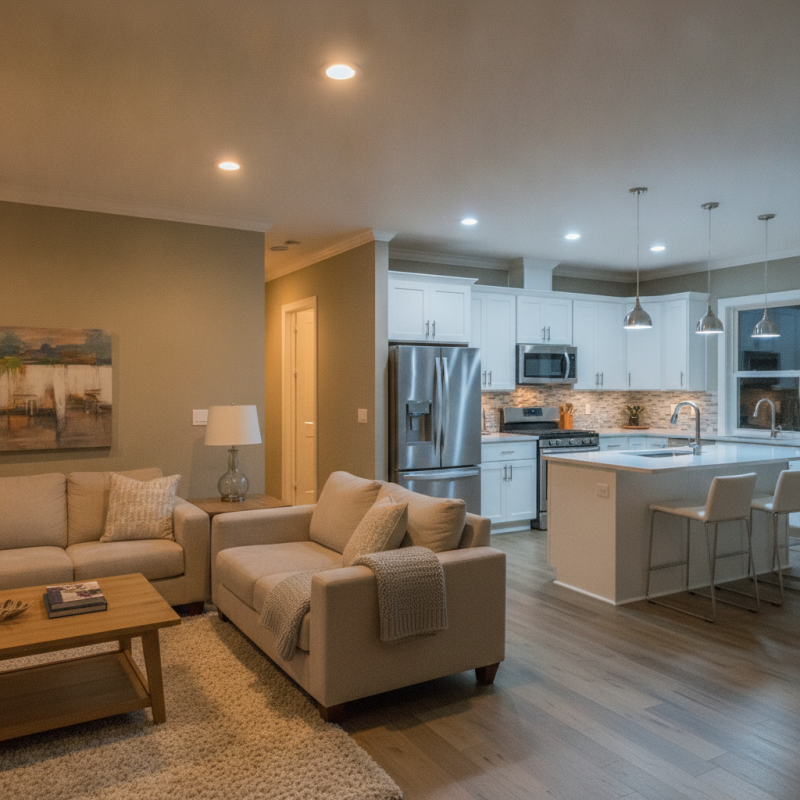
When selecting LED downlights, understanding color temperature is crucial. Color temperature is measured in Kelvin (K), which indicates the hue of the light emitted. Typically, lower values such as 2700K produce warm, yellow tones, while higher values around 5000K emit cool, bluish light. According to a 2022 report by the Lighting Research Center, the color temperature you choose can dramatically impact the ambiance of a space.
Choosing the right color temperature also has practical implications. For example, warm light is often preferred in living rooms and bedrooms, as it creates a cozy atmosphere. Conversely, cooler light is more suitable for workspaces or kitchens, promoting alertness and focus. Research shows that the human eye feels more comfortable in environments with appropriate color temperatures, improving overall well-being. However, navigating these options can sometimes lead to confusion. What might seem warm and inviting can appear harsh and clinical under certain conditions.
In addition to personal preference, factors like room size and wall color can influence your choice. Light reflection can alter how color temperature is perceived. A 2021 study indicated that light colored walls can enhance the brightness of cooler tones, whereas darker hues may absorb these wavelengths. This variability means that testing different color temperatures in your space is beneficial. Remember, the goal is to create an environment that feels right for you. Choices can often lead to unexpected results, prompting further reflection on what you truly need.
| Color Temperature (Kelvin) | Appearance | Best Use Areas | Mood/Effect |
|---|---|---|---|
| 2700K - 3000K | Warm White | Living Rooms, Bedrooms | Cozy, Inviting |
| 3000K - 4000K | Neutral White | Kitchens, Workspaces | Balanced, Productive |
| 4000K - 5000K | Cool White | Offices, Retail Spaces | Energetic, Focused |
| 5000K - 6500K | Daylight | Garage, Showrooms | Bright, Alert |
: Color temperature, measured in Kelvin (K), indicates the light's hue emitted by LED downlights.
Color temperature significantly impacts the ambiance, with warm light creating coziness and cooler tones promoting alertness.
Warm light around 2700K is often preferred in living areas for a comfortable atmosphere.
Yes, cooler tones near 5000K are ideal for workspaces as they enhance focus and clarity.
Room size and wall color can change how color temperature appears; light walls can brighten cooler tones.
Testing different temperatures is vital, as unexpected results may lead to better ambiance.
Different temperatures can alter mood, sometimes creating stark contrasts between day and night lighting.
Yes, adjustments are encouraged to find harmony, even if it feels risky or imperfect.
Consider how light shades interact with decor colors to create a balanced atmosphere.
Yes, lighting may need to fluctuate to maintain the desired effect as natural light changes.
Choosing the right LED downlight color temperature is crucial for creating the desired ambiance in any space. The article outlines the basics of color temperature in lighting design, emphasizing the significant difference between warm and cool color temperatures. Understanding these variations can help homeowners decide on the ideal lighting that enhances their interior decor while ensuring functional illumination.
To determine how to choose the right LED downlight color temperature for a specific area, it is essential to consider the purpose of the room and the atmosphere you want to create. The article provides tips on balancing color temperatures with existing decor to achieve a cohesive and inviting environment. Ultimately, the right choice contributes not only to aesthetic appeal but also to the overall mood and comfort of the space.

 Lili Light