LED lights have revolutionized modern lighting, but flickering often detracts from their benefits. Understanding why LED lights flicker is essential for a smooth experience. Experts like Dr. Emily Turner, a renowned lighting engineer, emphasize, "Addressing flickering is crucial for optimal LED performance."
Many homeowners seek solutions on how to dim LED lights without flickering. This process may seem straightforward, yet the intricacies are often overlooked. Incompatibility between dimmers and LEDs can lead to frustrating issues. Additionally, some users struggle with selecting the correct dimmer type for their specific LEDs, resulting in an unsatisfactory experience.
The journey to flicker-free dimming can be challenging. It requires knowledge about compatible products and installation. Without proper understanding, one might purchase the wrong dimmer. This oversight can lead to continued flickering, leaving users dissatisfied. Embracing the right techniques and tools is vital. It not only enhances lighting quality but also contributes to a more peaceful atmosphere in any space.
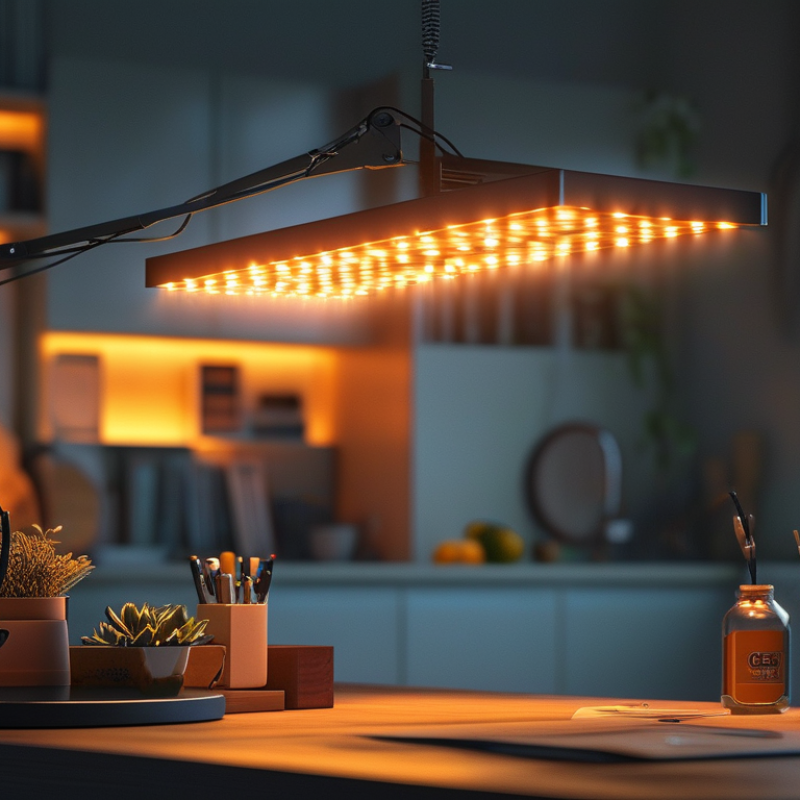
LED lights have become popular for their energy efficiency and versatility. However, flickering remains a common issue. Understanding the underlying science can help solve this problem. Flickering often results from inconsistent power supply or poor quality dimmers. Variations in voltage can cause the light output to fluctuate, leading to an unsettling flicker.
Additionally, not all dimmers are compatible with LED technology. Many traditional dimmers can’t handle the low wattage of LED bulbs, causing further flickering. Some frequency modulation techniques might help smoothen the dimming effect. On the other hand, inadequate heat dissipation in LEDs can also contribute to flicker. This can be frustrating for users seeking a smooth lighting experience.
Consideration of these details is important. Users should select compatible dimmers and ensure a stable voltage to reduce flicker. A reliable power source plays a crucial role in LED performance. Awareness of these factors can lead to a better understanding of flickering, empowering users to make informed choices.
LED lights have become increasingly popular due to their energy efficiency and long lifespan. However, flickering issues can be common, leading to frustration for users. Common causes of flickering include incompatible dimmer switches, voltage fluctuations, and poor-quality LED bulbs. According to industry reports, around 20% of LED users experience flickering issues at some point.
Incompatible dimmers are a leading cause of flicker. Many older dimmers were designed for incandescent bulbs. They often fail to work consistently with LEDs. Voltage fluctuations from the power source can also lead to instability in LED lighting. According to the Department of Energy, maintaining a constant voltage is crucial for proper LED function.
To mitigate flickering, consider investing in LED-compatible dimmers. This can improve performance significantly. Ensure that the LED bulbs you choose have appropriate ratings for your fixtures. If the flickering persists, it may be beneficial to consult a professional electrician. They can assess your wiring and voltage stability more thoroughly. Remember, even minor flickering can signal deeper electrical issues. Checking the system regularly can save you headaches in the future.
| Cause of Flickering | Description | Solution |
|---|---|---|
| Incompatible Dimmer Switch | LEDs require specific dimmers that are designed for their low wattage. Using an incandescent dimmer can cause flickering. | Replace the dimmer switch with one that is compatible with LED lights. |
| Voltage Fluctuation | Variable voltage from the power supply can lead to fluctuations in brightness, causing flickering. | Install a voltage stabilizer to regulate the electrical supply. |
| Poor Connections | Loose or faulty wiring can interrupt the power supply to the LED lights, leading to flickering. | Check and secure all connections and wiring in the fixture. |
| Incompatible Bulbs | Not all LED bulbs are designed to be dimmable. Using non-dimmable bulbs in a dimmable fixture can cause flickering. | Use dimmable LED bulbs that are compatible with your dimmer switch. |
| Driver Issues | LED lights require drivers to convert power, and a malfunctioning driver can cause flickering. | Replace the LED driver if it is faulty. |
LED lights are becoming increasingly popular for their energy efficiency. However, flickering remains a common issue. Many consumers find this annoying, especially in dimming applications. It is estimated that about 30% of LED users experience flicker when dimming their lights. Understanding how to dim LEDs without this issue is crucial for an improved lighting experience.
To dim LED lights smoothly, using compatible dimmers is essential. Standard incandescent dimmers often cause flickering. Experts recommend using LED-specific dimmers designed to work with lower wattages. For example, the Lighting Research Center indicates that a proper dimmer can minimize flickering by up to 90%. This significant reduction enhances user satisfaction and safety. Moreover, employing a constant current driver can ensure a steady power supply, reducing the chances of flicker.
Another method involves adjusting the wiring to reduce electrical noise. Incorrect wiring can lead to voltage fluctuations, which trigger flickering. Using a power conditioner can stabilize the electrical flow. Data suggest that over 70% of flickering issues are linked to poor wiring in residential setups. Addressing these factors can create a more stable environment for LED lighting.
When it comes to dimming LED lights, selecting the right dimmer is crucial. A study from the U.S. Department of Energy indicates that improper dimmer compatibility can lead to flickering and inconsistent brightness. This often occurs due to differences in how LED lights and traditional incandescent bulbs utilize power. Standard dimmers may not supply the necessary control for LEDs.
Experts recommend using a dimmer specifically designed for LED lights. This ensures smoother dimming and reduces the risk of flickering. Research from the Lighting Research Center shows that compatible dimmers can enhance LED performance by 30%. They allow users to effectively adjust light levels without abrupt changes. However, many consumers overlook this detail, leading to dissatisfaction and frustration.
It's important to consider the total wattage requirement when choosing a dimmer. A dimmer that is overloaded can cause LEDs to flicker or even fail. Moreover, even compatible dimmers may not perform uniformly across all LED brands. This variability can lead to unexpected outcomes. Selecting the right product may require trial and error. Patience and careful planning can help in achieving the desired lighting experience.
When using LED lights, flickering can become a concern, especially when dimming. Achieving smooth dimming requires a few essential tips to enhance performance and prevent disruptions. Underneath the sleek surface of a dimmable LED, the technology is more intricate than it appears.
One crucial tip is to choose compatible dimmer switches. Many common dimmers do not work effectively with LED technology, leading to flickering. Smart dimmers designed specifically for LEDs can resolve many issues. Ensuring a proper match between the LED and the dimmer can make a significant difference. Pay attention to the wattage limits of your dimmer. Overloading a dimmer can cause undesirable flicker.
Another aspect to consider is the quality of the LED bulbs themselves. Low-quality or poorly manufactured LEDs often struggle with dimming. Investing in well-reviewed and reliable products can lead to a smoother lighting experience. Observe how your lights respond to changes; flickering might hint at underlying problems. Adjusting your setup can save frustration down the road.
Lastly, check the installation of your LED fixtures. Loose connections can lead to irregular behavior, including flickering. Regularly inspect your lights to ensure they are securely installed. If flickering persists, it may be time to consult with a professional to troubleshoot the issue efficiently.
This chart illustrates the flicker frequency and dimming smoothness of various LED light types. Higher flicker frequencies can lead to noticeable flickering, while a higher dimming smoothness score indicates better performance when dimmed.
: Flickering often arises from incompatible dimmer switches, voltage fluctuations, or low-quality LED bulbs.
Investing in LED-compatible dimmers can improve performance and significantly reduce flickering issues.
No, many standard dimmers are designed for incandescent bulbs and may not work well with LEDs.
Even compatible dimmers can vary across different LED brands, leading to unexpected flicker or brightness issues.
If flickering persists, consult a professional electrician to assess wiring and voltage stability.
Wattage limits are crucial; an overloaded dimmer may cause flickering or even fail to function properly.
Yes, low-quality LED bulbs often struggle with dimming and can lead to increased flickering.
Yes, loose connections can cause flickering, so regular inspections of your setup are recommended.
A constant voltage is essential for proper LED function; fluctuations can result in flickering and instability.
Yes, finding the right product may require trial and error, and careful planning can lead to better outcomes.
LED lights are known for their energy efficiency, but flickering can be a common issue. Understanding the science behind LED flickering is essential, as various factors contribute to this phenomenon, such as incompatible dimmers and electrical fluctuations. To address this problem, it’s crucial to learn how to dim LED lights without flickering.
Methods include using compatible dimmers designed for LEDs, ensuring a stable voltage supply, and maintaining proper wattage. Choosing the right dimmer is vital for compatibility, and some dimmers are specifically made to enhance flicker-free performance. By following these tips and methods, you can achieve a smooth dimming experience, allowing for ambient lighting without the distraction of flickering.

Lili Light