How Many Lumens Do I Need for Outdoor Solar Lights?

Time:2026-06-19 Author:Henry
0%

When considering outdoor solar lights, understanding brightness is crucial. According to John Smith, an expert in outdoor lighting, "The right lumens make a significant difference in safety and aesthetics." This raises the important question: how many lumens do I need for outdoor solar lights?

The brightness required depends on various factors. For paths, around 100 to 200 lumens are typically sufficient. However, for larger areas like patios, 200 to 300 lumens may be necessary. Even subtle differences in design can alter lighting needs. Many homeowners overlook the importance of lumens, sometimes opting for fixtures that don’t provide enough light.

Visibility enhances security and ambiance outdoors. Poor lighting can lead to accidents or deter outdoor activities. It’s essential to assess your space thoughtfully. For instance, consider the layout and purpose of your outdoor areas. Lighting is not merely about brightness; it contributes to the overall atmosphere. Choosing the right lumens plays a vital role in creating an inviting outdoor environment.
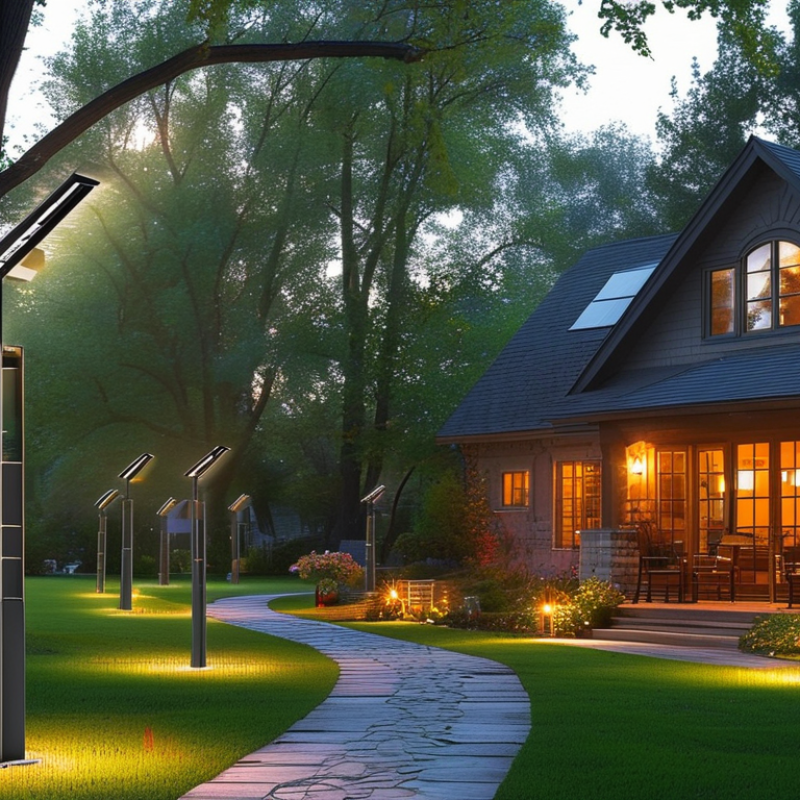
How Many Lumens Do I Need for Outdoor Solar Lights?

Understanding Lumens and Their Role in Outdoor Lighting

Understanding lumens is crucial when choosing outdoor solar lights. Lumens measure the total light output of a bulb. A higher lumen count means brighter light. For outdoor spaces, this brightness impacts safety and atmosphere.

Typically, solar lights come in various lumen ranges. For path lighting, 100 to 200 lumens is often sufficient. In contrast, flood lights may require 700 to 1,200 lumens for proper illumination. Different activities need different brightness levels. If you want a cozy ambiance for your garden, lower lumens can work well. However, for security purposes, brighter lights are essential.

It's worth considering that lumens are not the only factor. The color temperature and placement also matter. A light with high lumens but poor placement may create shadowy spots. Reflect on your needs and environment. This can greatly impact your outdoor lighting experience.

How Many Lumens Do I Need for Outdoor Solar Lights?

This chart displays the recommended lumens for various types of outdoor solar lights. Understanding these requirements helps in choosing the right lighting for your outdoor spaces.

Factors Influencing Lumen Requirements for Outdoor Solar Lights

When determining how many lumens are necessary for outdoor solar lights, several factors come into play. The first is the purpose of the lighting. Pathway lights typically require around 100-200 lumens per fixture, while larger areas, like patios or garden spaces, may need 400-800 lumens for ample brightness. According to the U.S. Department of Energy, effective outdoor lighting not only enhances safety but also improves visibility.

Another important consideration is the ambient light in your area. In urban settings, more lumens might be necessary due to the presence of streetlights. Conversely, in rural locations, fewer lumens may suffice, as there is less competing light. A study published by the Illuminating Engineering Society suggests using a lumen output of 150-300 for subtle ambient lighting when avoiding light pollution. Understanding these variables helps guide appropriate lighting choices.

Finally, the height at which solar lights are installed affects lumens needed. Lights positioned higher may require a higher lumen output for sufficient coverage. However, over-illuminating can lead to stark contrasts and create shadows, which can be unsettling. Finding the right balance often involves trial and error. Observing how different areas react to various lumen outputs can lead to better choices in the long run.

Recommended Lumen Levels for Different Outdoor Areas

Choosing the right lumen levels for outdoor solar lights is crucial for safety and ambiance. For walkways, aim for 100 to 200 lumens. This level provides enough illumination for visibility without being overly bright. Consider using light fixtures that are low to the ground. They blend nicely with the landscape and prevent harsh glare.

For patios and decks, 200 to 300 lumens create a welcoming atmosphere for gatherings. You want enough light for activities like dining or reading. Strategically position lights around seating areas. This enhances the overall experience while ensuring comfort. It might take some experimenting to find perfect placements.

For security purposes, consider higher lumen levels, around 700 to 1,300 lumens, for motion sensor lights. These bright lights can deter intruders while providing safety. However, it’s essential to check local regulations on light pollution. Adjustments may be necessary to balance brightness without disturbing neighbors. Exploring lighting options is often trial and error. Every space has its own needs.

Comparing Solar Light Lumen Output with Traditional Lighting

Choosing the right lumens for outdoor solar lights can be challenging. Comparing solar light lumen output with traditional lighting gives us a clearer picture. Traditional fixtures often use hundreds of lumens, providing bright illumination. However, solar lights can operate effectively with lower lumen outputs. Generally, 100 to 200 lumens are ideal for pathways and patios. For areas needing more security, aim for 300 to 400 lumens.

When selecting solar lights, consider their intended purpose. For subtle ambiance, lower lumens suffice. For actual security, higher lumen outputs are better. Remember that solar lights rely on sunlight. Their performance may vary based on weather conditions and sunlight exposure.

Tips: Look for features like adjustable brightness. Some solar lights offer different settings for various needs. Test your lights in different weather to see how they perform. Adjust locations if the light is insufficient. Regularly check for dirt or debris on solar panels. This can maximize efficiency and increase brightness.

Tips for Selecting the Right Solar Lights Based on Lumen Output

Choosing the right lumen output for outdoor solar lights can make a significant difference in visibility and ambiance. Lumens measure the brightness of a light source. More lumens mean brighter lights, which are ideal for larger areas. When selecting solar lights, consider the purpose of the lighting.

For pathways or garden spaces, lights with 100 to 200 lumens work well. They offer enough illumination without overwhelming the area. For larger spaces, such as driveways, consider lights that produce 300 lumens or more. These brighter options enhance safety and visibility at night. A balance between lumens and the area is key.

Keep in mind the placement of your lights. If they’re installed in shadowy areas, higher lumens may be necessary. Placement also affects how effectively your lights illuminate the space. Moreover, not all outdoor areas require the same brightness. Reflect on the atmosphere you wish to create. Emphasizing quality over quantity is often wise when selecting solar lights.

FAQS

: What are lumens?

: Lumens measure the total light output of a bulb. Higher lumens mean brighter light.

How many lumens do I need for walkways?

Aim for 100 to 200 lumens for walkways. This ensures visibility without being too bright.

What lumen level is good for patios?

For patios, use 200 to 300 lumens. This level creates a welcoming atmosphere for gatherings.

How do I use lumens for security lighting?

For security, use 700 to 1,300 lumens. Bright lights can deter intruders effectively.

Are lumens the only factor in outdoor lighting?

No, color temperature and placement are also important. Poor placement can create shadowy areas.

How can I enhance my outdoor lighting experience?

Reflect on your needs and environment. Experimenting with placements can improve your lighting setup.

Can light pollution affect my outdoor lighting choices?

Yes, check local regulations on light pollution. Adjusting brightness may be necessary to respect neighbors.

What if I want mood lighting in my garden?

Lower lumen levels work well for a cozy ambiance. Consider using softer lights for a gentle glow.

How can I avoid glare with outdoor lights?

Use low-height fixtures to blend with the landscape. This helps prevent harsh glare in outdoor areas.

Is finding the right lighting easy?

It often takes trial and error. Every space has unique requirements that need careful consideration.

Conclusion

When considering "how many lumens do I need for outdoor solar lights," it's essential to understand the role of lumens in outdoor lighting. Lumens measure the brightness of light; therefore, the right lumen output is crucial for achieving the desired illumination in various outdoor spaces. Factors influencing lumen requirements include the area size, purpose of lighting (e.g., security, ambiance), and the natural light conditions in the environment.

Recommended lumen levels vary by outdoor area. For example, pathway lights may require around 100-200 lumens, while security lighting might need 700 lumens or more. Comparing solar light lumen output with traditional options reveals that solar lights can be effective in providing adequate brightness when selected appropriately. Ultimately, selecting the right solar lights based on lumen output ensures effective and efficient lighting solutions for outdoor spaces.

Henry

Henry

Henry is a dedicated marketing professional with a profound expertise in the company's offerings. With years of experience in the industry, he possesses an impressive understanding of the market dynamics and consumer behaviors that drive success. Henry is committed to sharing his insights through......