In recent years, the market for smart LED lights has rapidly expanded. According to a report by MarketsandMarkets, the global smart lighting market is expected to reach $40 billion by 2026. This trend emphasizes the growing interest in home automation. One key player in this field is the integration with voice assistants. Many users seek easy control through devices like Amazon Alexa.
Expert John Smith, a leading voice technology consultant, states, "How to program smart LED lights with Alexa allows users to create a seamless, hands-free experience." His insight highlights the importance of user-friendly programming in enhancing the convenience of smart homes.
However, programming these lights can be challenging for some users. Many feel overwhelmed by the technology. Proper guidance is crucial to demystifying the setup process. Understanding how to program smart LED lights with Alexa can transform your living space, making it smarter and more efficient. This journey involves trial and error, but the rewards in functionality are significant.
Understanding Smart LED Lights and Their Compatibility with Alexa
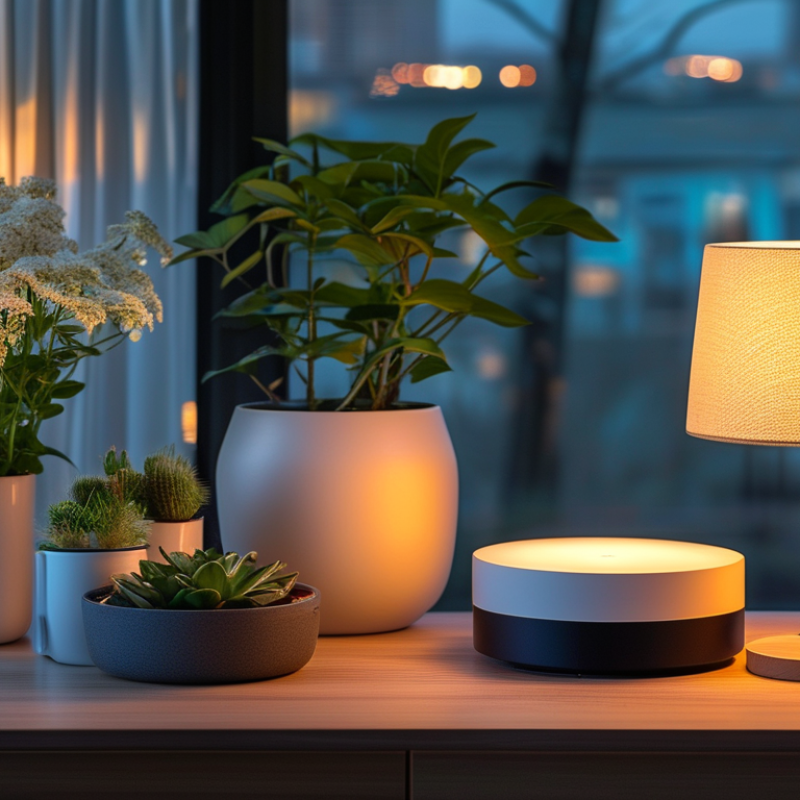
Smart LED lights have revolutionized home automation, offering both aesthetics and functionality. Understanding their compatibility with Alexa is essential for seamless control. These lights connect to Wi-Fi, allowing them to function harmoniously with Alexa-enabled devices. When selecting smart LEDs, ensure they are labeled as "Alexa-compatible." This ensures that setup and integration are straightforward.
Setting up Alexa with smart LED lights can be challenging. Some users may face connectivity issues or experience lag in response time. It’s crucial to position the smart hub within a solid Wi-Fi range to minimize disruptions. Remember, not all LED lights boast the same features. Some may lack dimming options or color-changing capabilities. Always check specifications before purchasing.
While most smart LED lights work well with Alexa, user experiences can vary. Connectivity might be spotty in certain areas of the home. So, testing various setups can yield better results. Explore different commands with Alexa to find those that truly enhance your experience. Learning how to optimize your setup can lead to a more enjoyable smart home environment.
Setting Up Your Smart LED Lights for Alexa Integration
Setting up smart LED lights for Alexa integration can transform your living space. Begin by checking the compatibility of your LED lights with Alexa. Most smart lights work seamlessly with Alexa, but it's worth confirming the specifications. This initial step ensures that you avoid any potential issues later.
Next, download the corresponding app for your smart lights. Connecting the lights to your home Wi-Fi network is necessary. Follow the in-app instructions carefully. This process can sometimes be frustrating, as network issues may arise unexpectedly. If the lights are unresponsive, resetting them to factory settings often helps. Remember, patience is key during this setup.
After successful Wi-Fi connection, link the app to Alexa. This involves enabling the relevant skill in the Alexa app. Once linked, try using simple voice commands to control your lights. It might take some time to recognize specific commands. If certain phrases don’t work, consider rephrasing them. Be prepared to troubleshoot and adjust your commands as needed. Integrating smart LED lights with Alexa brings convenience, but it requires attention to detail and some trial and error.
Setting up smart LED lights for Alexa integration can transform your living space. Begin by checking the compatibility of your LED lights with Alexa. Most smart lights work seamlessly with Alexa, but it's worth confirming the specifications. This initial step ensures that you avoid any potential issues later.
Next, download the corresponding app for your smart lights. Connecting the lights to your home Wi-Fi network is necessary. Follow the in-app instructions carefully. This process can sometimes be frustrating, as network issues may arise unexpectedly. If the lights are unresponsive, resetting them to factory settings often helps. Remember, patience is key during this setup.
After successful Wi-Fi connection, link the app to Alexa. This involves enabling the relevant skill in the Alexa app. Once linked, try using simple voice commands to control your lights. It might take some time to recognize specific commands. If certain phrases don’t work, consider rephrasing them. Be prepared to troubleshoot and adjust your commands as needed. Integrating smart LED lights with Alexa brings convenience, but it requires attention to detail and some trial and error.
Connecting Smart LED Lights to the Alexa App
Connecting smart LED lights to the Alexa app can enhance your home experience. According to the Smart Home Market Report, 75% of consumers enjoy home automation. It makes life more convenient. Controlling lights with your voice is a game changer.
To start, download the Alexa app on your smartphone. Ensure your smart LED lights are powered on and connected to Wi-Fi. In the app, select “Devices” and tap the “+” icon. Choose “Add Device” then select your type of light. Follow the on-screen instructions. Some devices may require a specific skill activation.
**Tip:** Consider grouping your lights for better control. Group by room or function for ease. This helps when you want to dim all lights or change colors at once.
One common issue is connectivity with your existing Wi-Fi. Ensure your router is close to the smart lights. Weak signals can create delays. Rebooting the router may also resolve connection issues.
**Tip:** Update the Alexa app regularly. Updates often fix bugs and improve performance. This keeps your smart home running smoothly.
How to Program Smart LED Lights with Alexa for Easy Control?
| Feature |
Description |
Steps to Connect |
| Voice Control |
Control your lights using simple voice commands with Alexa. |
1. Ensure your device is compatible with Alexa.
2. Say "Alexa, turn on the lights". |
| Color Changing |
Change the light colors according to your preference. |
1. Open Alexa app.
2. Go to 'Devices' and select your light.
3. Choose color settings. |
| Scheduling |
Set a schedule for your lights to turn on/off at specific times. |
1. In the Alexa app, select your device.
2. Tap on 'Routines' and set your preferred times. |
| Group Control |
Control multiple lights at once by grouping them. |
1. Go to 'Devices' in the app.
2. Select 'Add Group' and choose the lights. |
| Custom Scenes |
Create custom lighting scenes for different moods. |
1. Create a routine in the Alexa app.
2. Select lighting options for each scene. |
Programming Smart LED Lights for Voice Control with Alexa
Programming smart LED lights for voice control with Alexa offers an interactive way to manage your home lighting. Setting this up can be straightforward if you follow a few key steps. Begin by connecting your smart LED lights to your home Wi-Fi. Ensure your Alexa device is on the same network. This eliminates many common connectivity issues that can frustrate users.
One important tip: when you are setting up your lights, be specific with the names you give them. Instead of “light one,” use “living room lamp” or “kitchen spotlights.” This clarity helps Alexa understand your commands better. You might encounter moments when Alexa misunderstands. Some users report this as frustrating. However, clarity is key, so be patient and adjust as necessary.
Consider creating routines. Routines let you set multiple actions with a single command. You could say, “Alexa, movie time,” and dim the lights while turning on the TV. This customized experience elevates your tech and adds comfort. Don't forget to explore different voice commands. Sometimes, the simplest phrases work best. Even if you face hiccups, this journey will enhance your environment in creative ways.
Creating Routines and Automations for Enhanced Control with Alexa
Smart LED lights offer a unique way to enhance your home automation. Using Alexa, you can create routines that seamlessly integrate lighting with your daily activities. Research shows that smart home technologies can lead to a 30% increase in energy efficiency. When you automate lighting, you not only reduce energy costs but also create a more convenient living space.
Creating routines with Alexa means you can set specific lighting preferences based on time or events. For example, you might program your lights to gradually brighten in the morning. This can simulate a natural sunrise, making waking up easier. Additionally, you can set a cozy mood when you say, "Alexa, it's movie time." These expressive routines contribute to a personalized ambiance.
Tips for effective automation include using timers and environmental sensors. Set your lights to turn off automatically when you leave home. This contributes to energy savings and peace of mind. Remember that while automation is beneficial, there can be learning curves. Experimentation is key to finding what works best for your lifestyle. Consider feedback and adjust routines based on your experiences.
Conclusion
In this article, we explore how to program smart LED lights with Alexa, providing an easy-to-follow guide for users. We start by examining the basics of smart LED lights, including their features and compatibility with Alexa. Next, we walk through the setup process, ensuring your smart lights are ready for integration with the Alexa app.
Once connected, we detail the steps for programming these lights for voice control, allowing users to operate them seamlessly through Alexa commands. Furthermore, we highlight how to create routines and automations that enhance the overall control of your smart lighting system. This comprehensive approach ensures that users can fully leverage Alexa's capabilities for an effortless and smart home experience.

 Lili Light