Explore our top-performing CE-compliant LED luminaires engineered for architectural stability, industrial endurance, and intelligent power management.
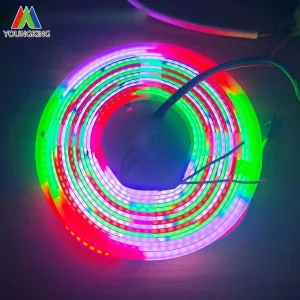
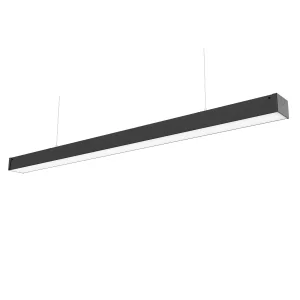
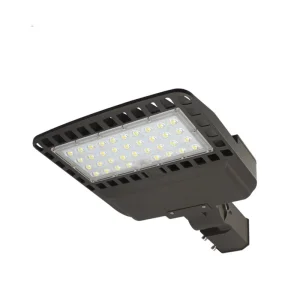
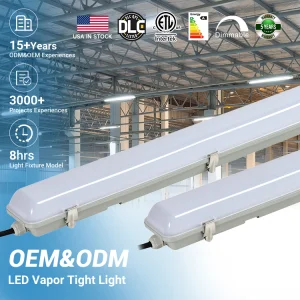
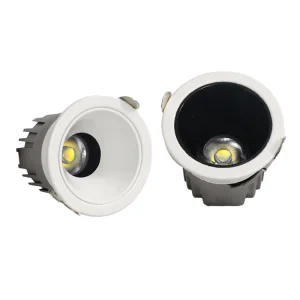
Zhejiang Lili Light Co., Ltd. is an industry-leading, professional manufacturer and exporter specializing in high-efficiency LED lighting systems and integrated, smart lighting architectures. With decades of research and developmental progress in the global solid-state lighting (SSL) arena, we are deeply committed to engineering innovative, energy-efficient, and highly stable luminaires tailored for the global enterprise market.
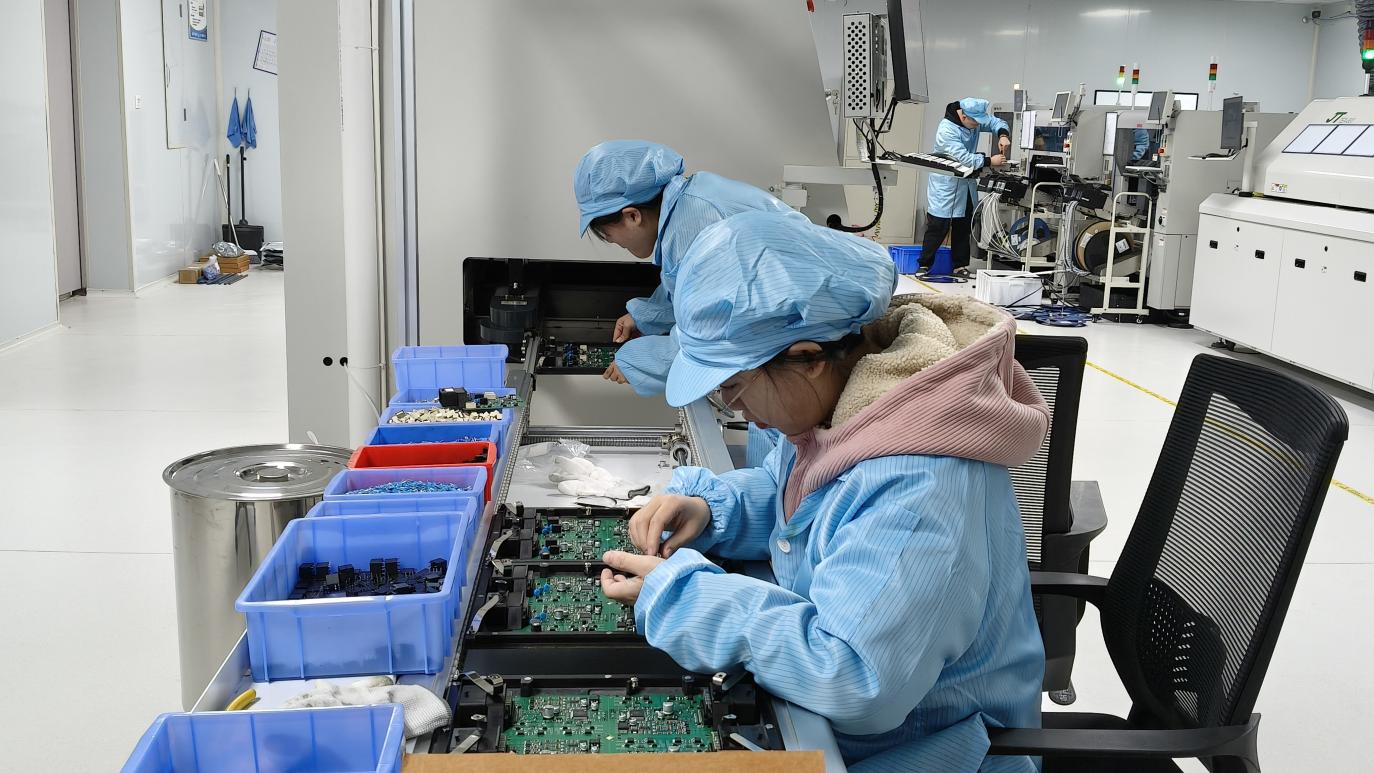
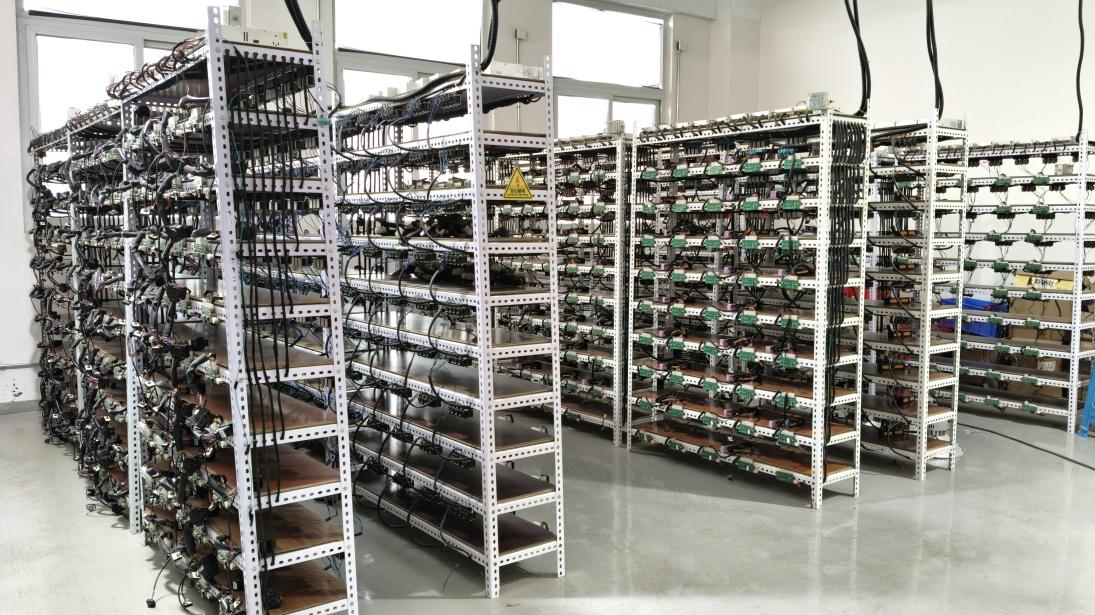
From the beginning, Zhejiang Lili Light Co., Ltd. has prioritized advanced technological investment. Our infrastructure scales over a vast, vertically integrated manufacturing plant, combining rapid prototyping, SMT processing, automated quality screening, and high-standard thermal endurance chambers. Supported by a senior team of optoelectronic engineers, structure design experts, and strict conformity managers, we maintain robust, strategic supply pipelines for enterprises spanning Europe, South America, the Asia-Pacific region, and the Middle East.
Our expansive product roadmap offers tailored solutions for residential, heavy-industrial, architectural, municipal, and custom lighting projects. By offering flexible, dynamic OEM and ODM services alongside industry-certified components, we ensure that every light fixture leaving our docks integrates seamlessly into local grid profiles and local safety compliance frameworks.
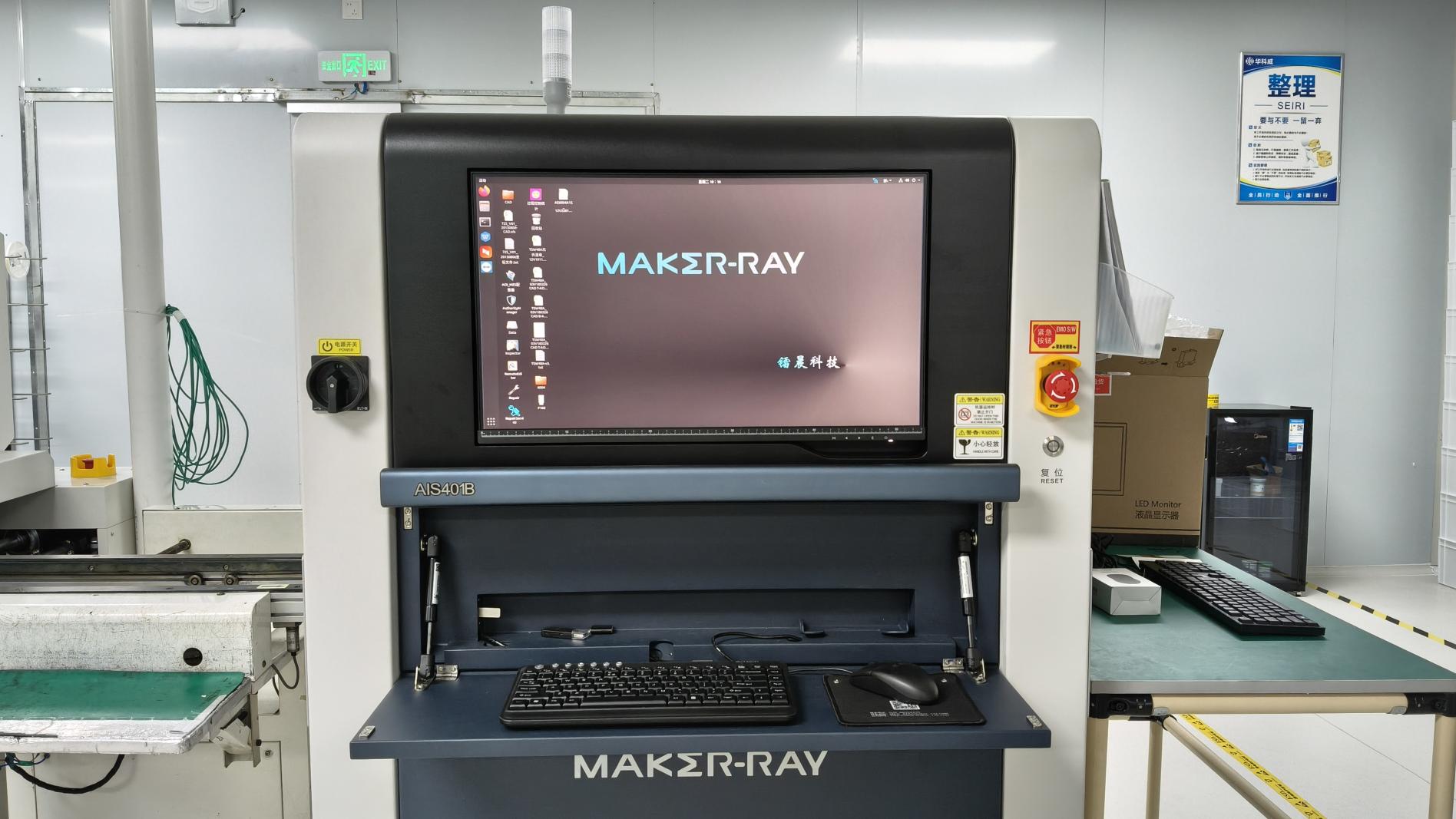
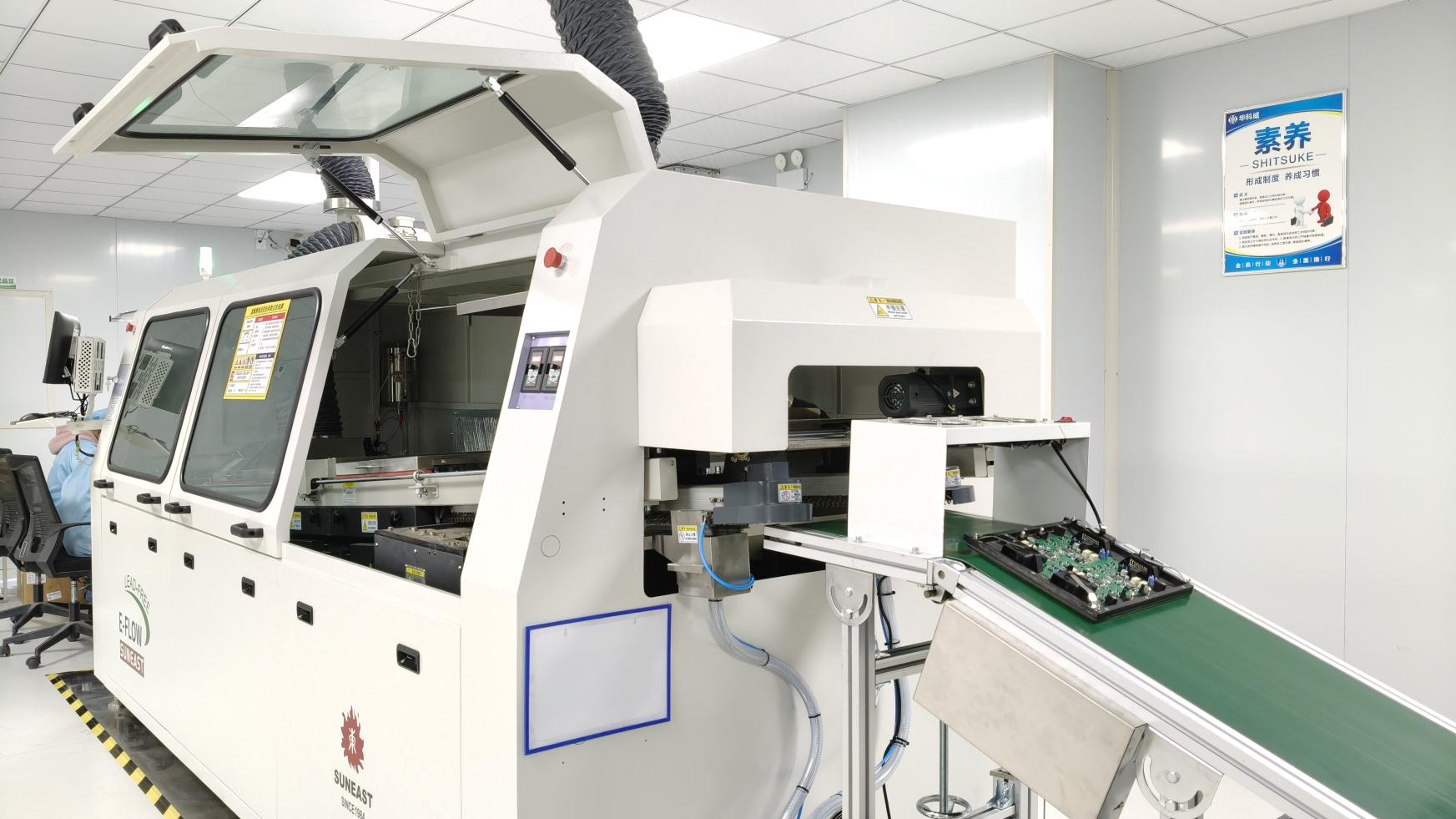
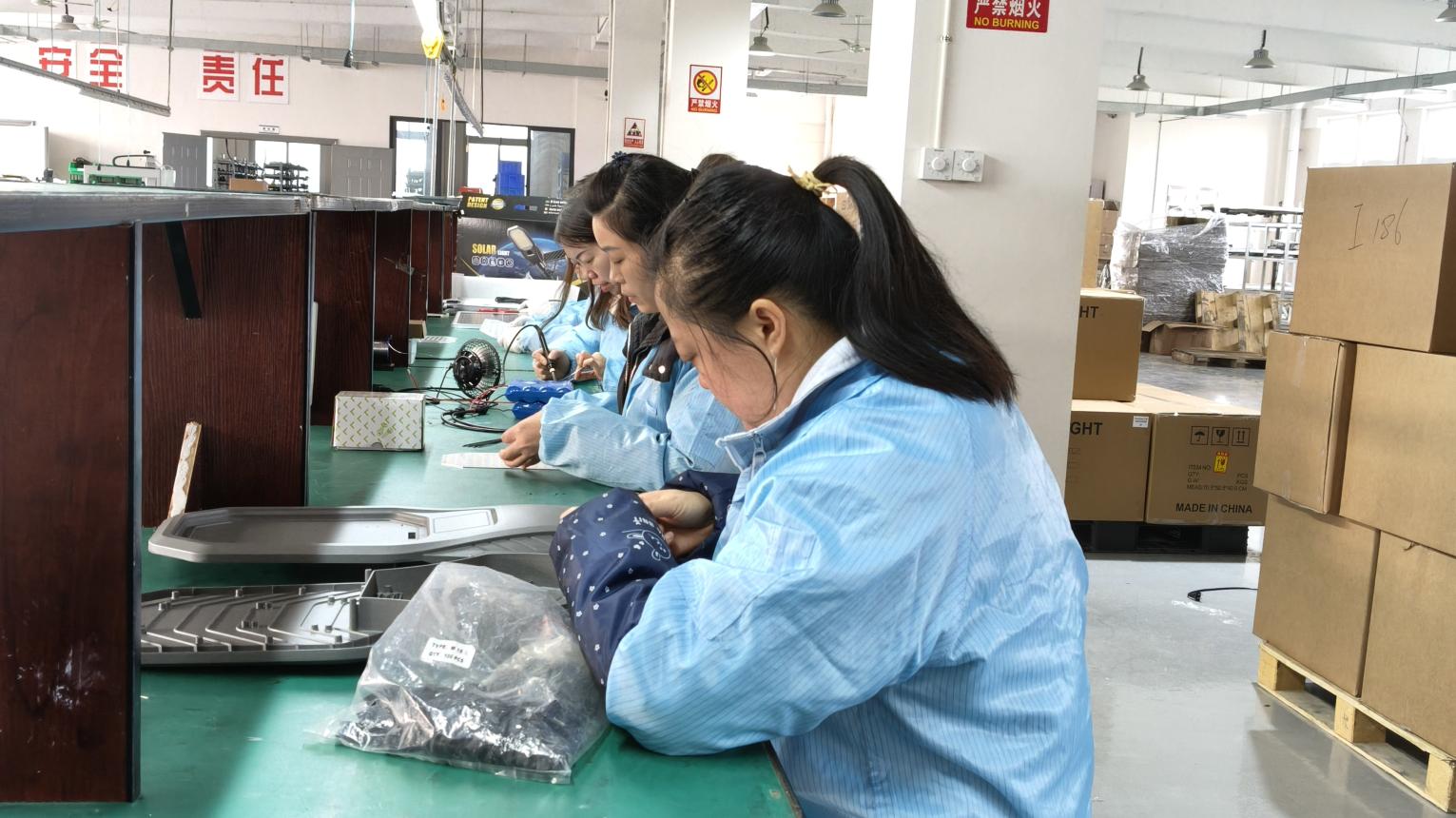
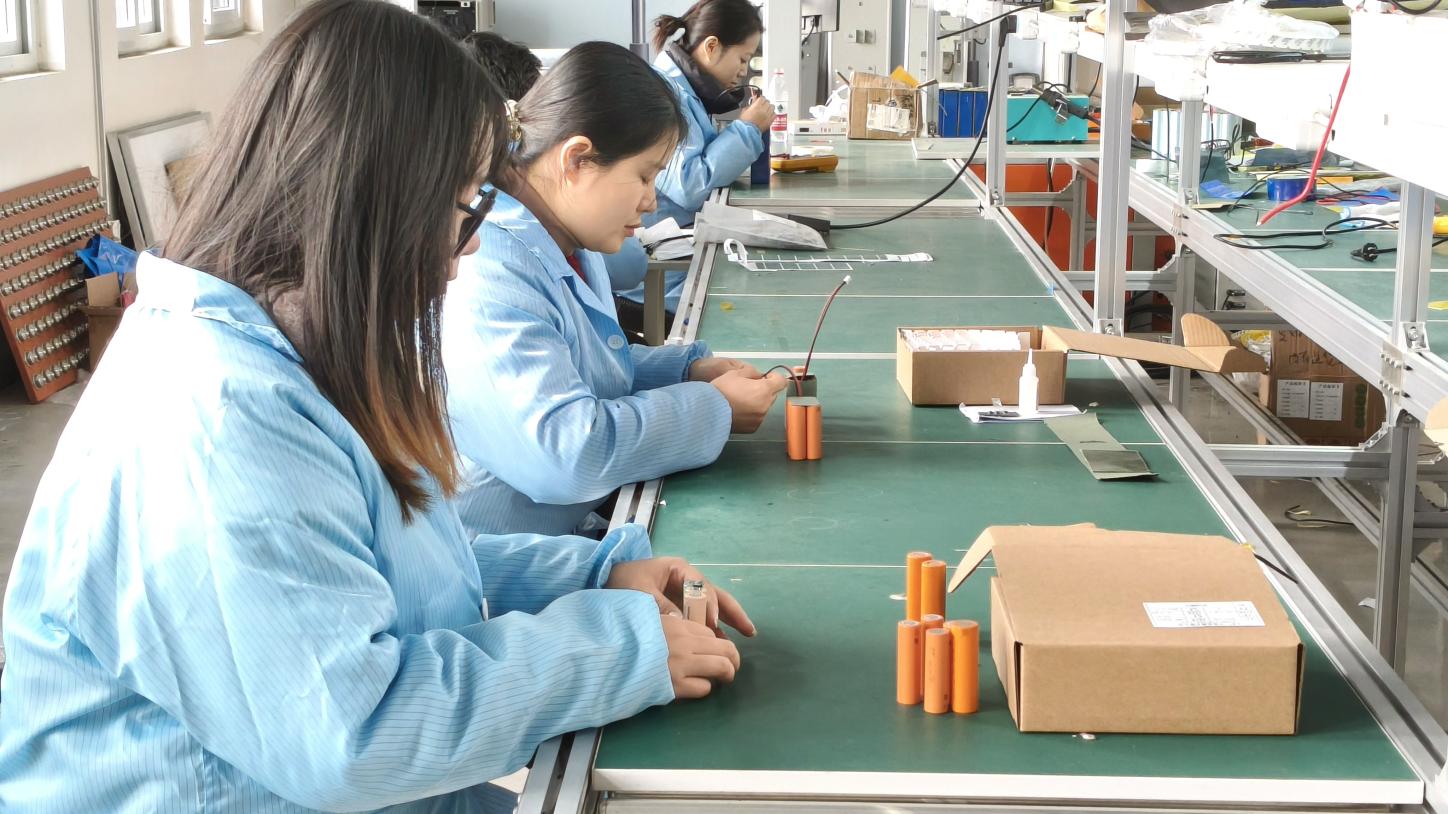
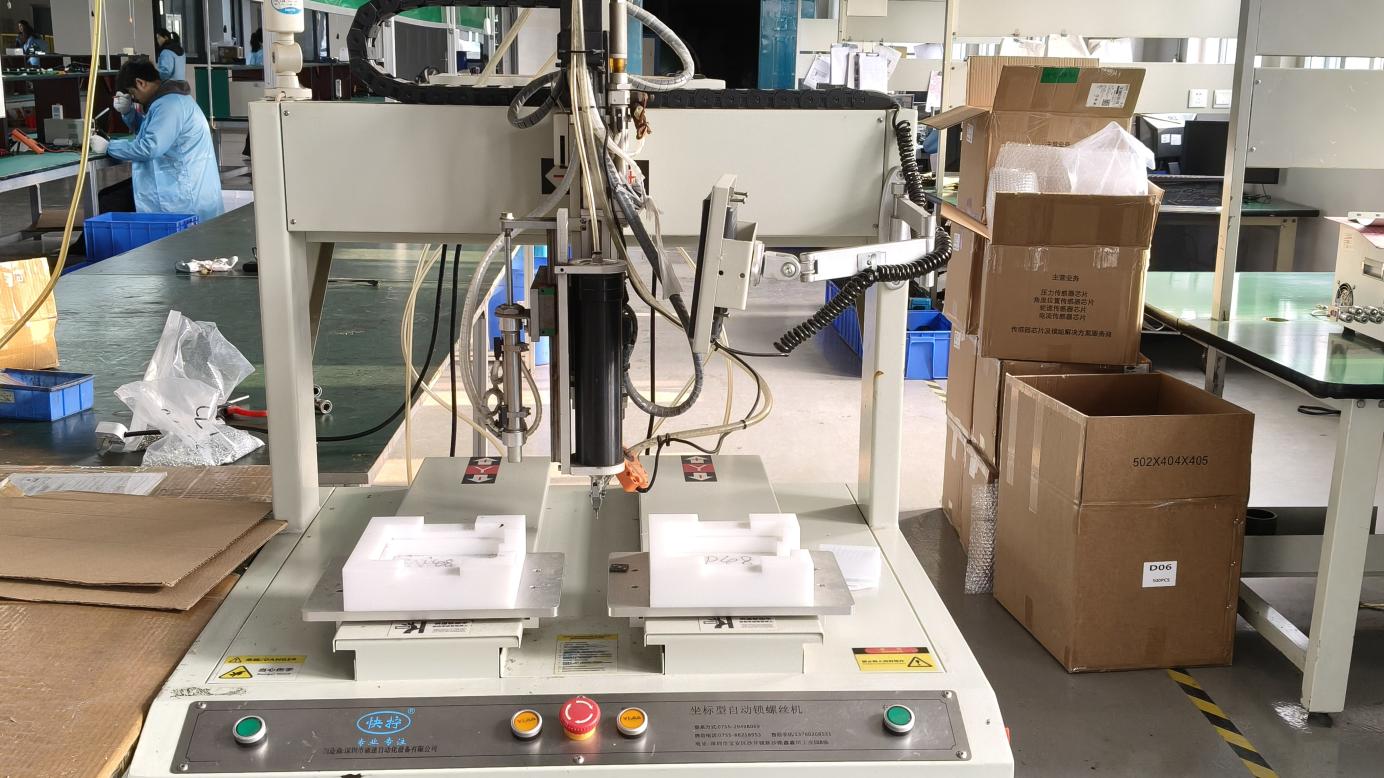
Our facility integrates state-of-the-art machinery and rigorous testing protocols at every phase of the manufacturing process to deliver flawless optical performance.
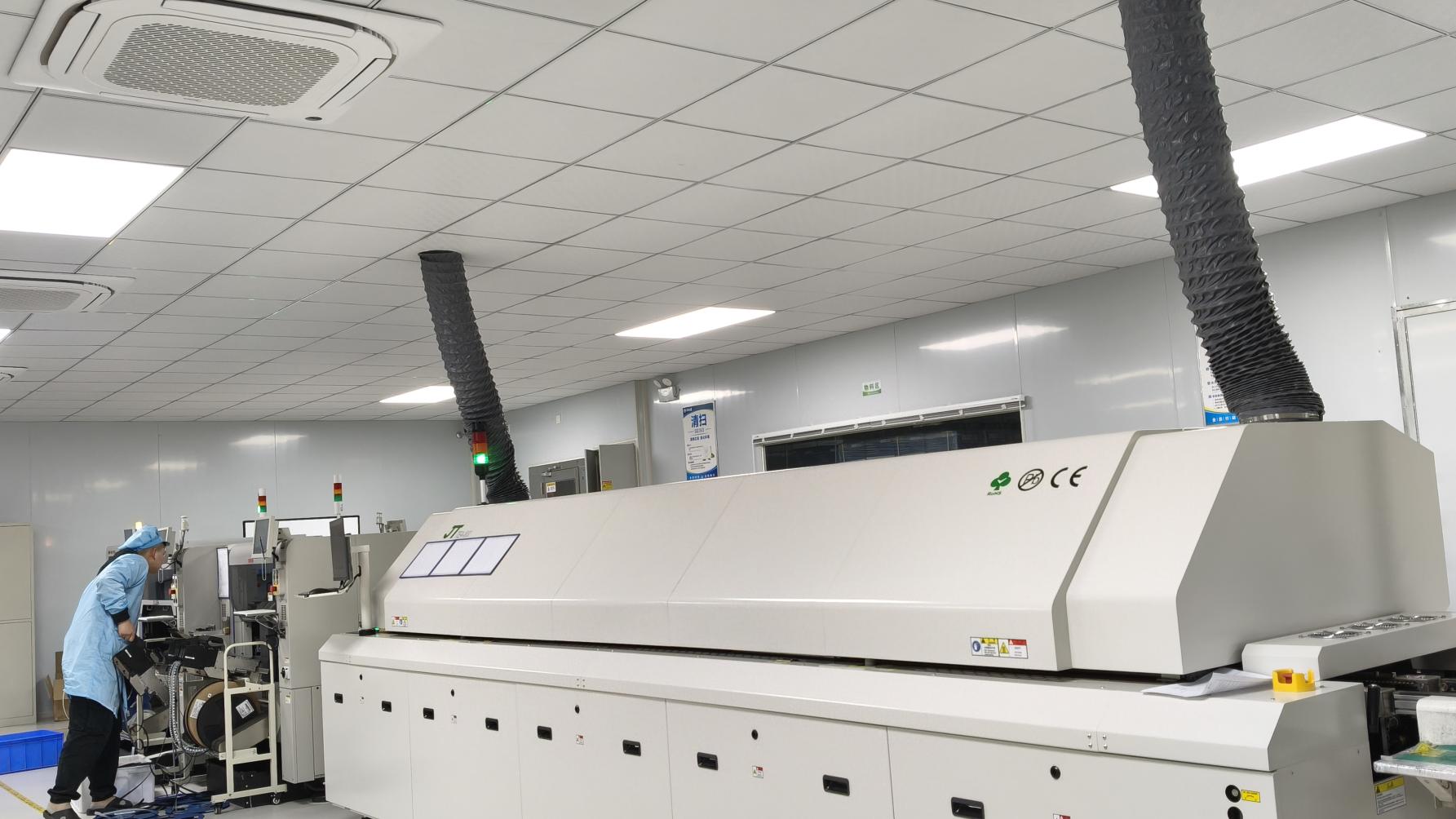
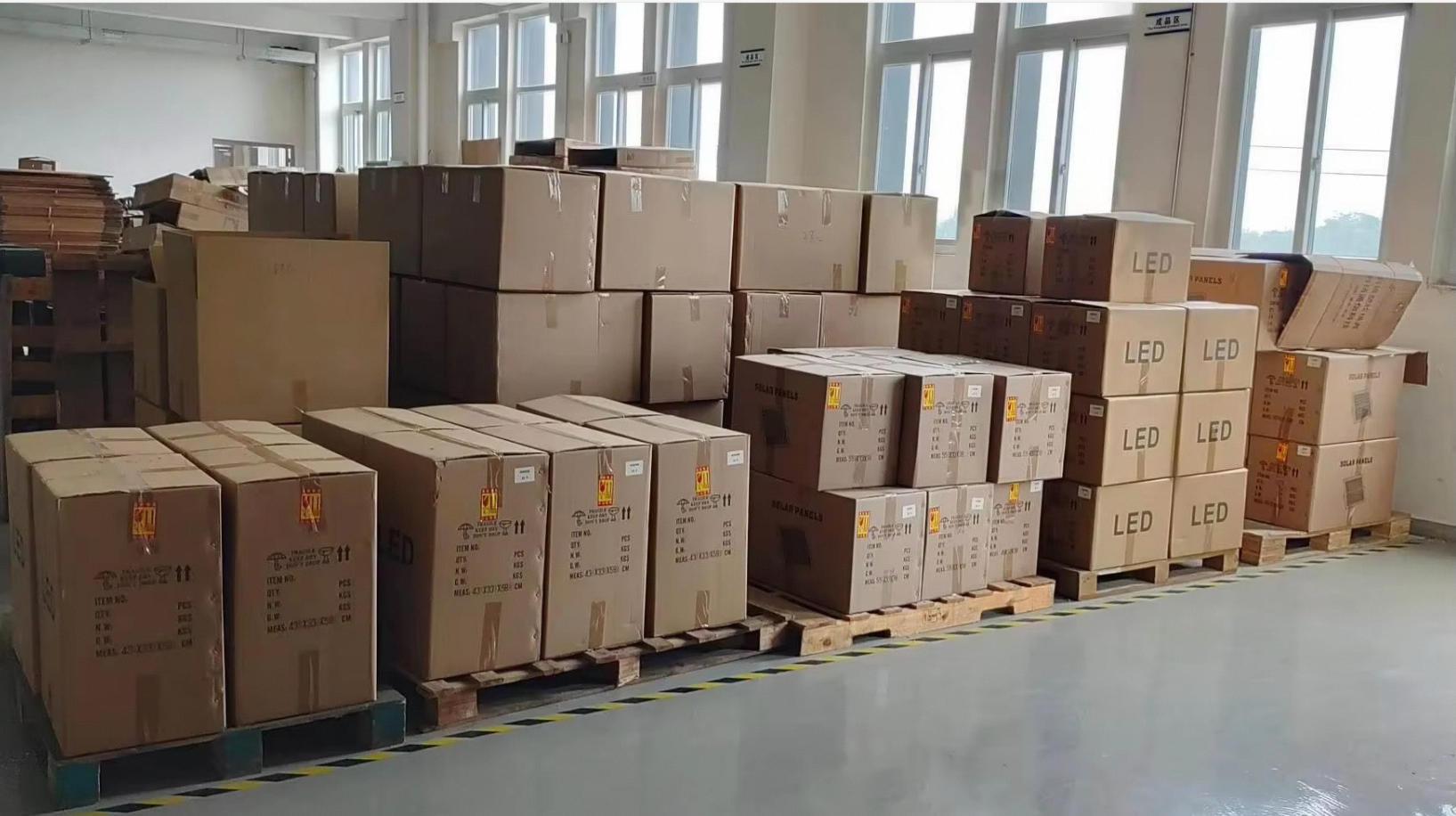
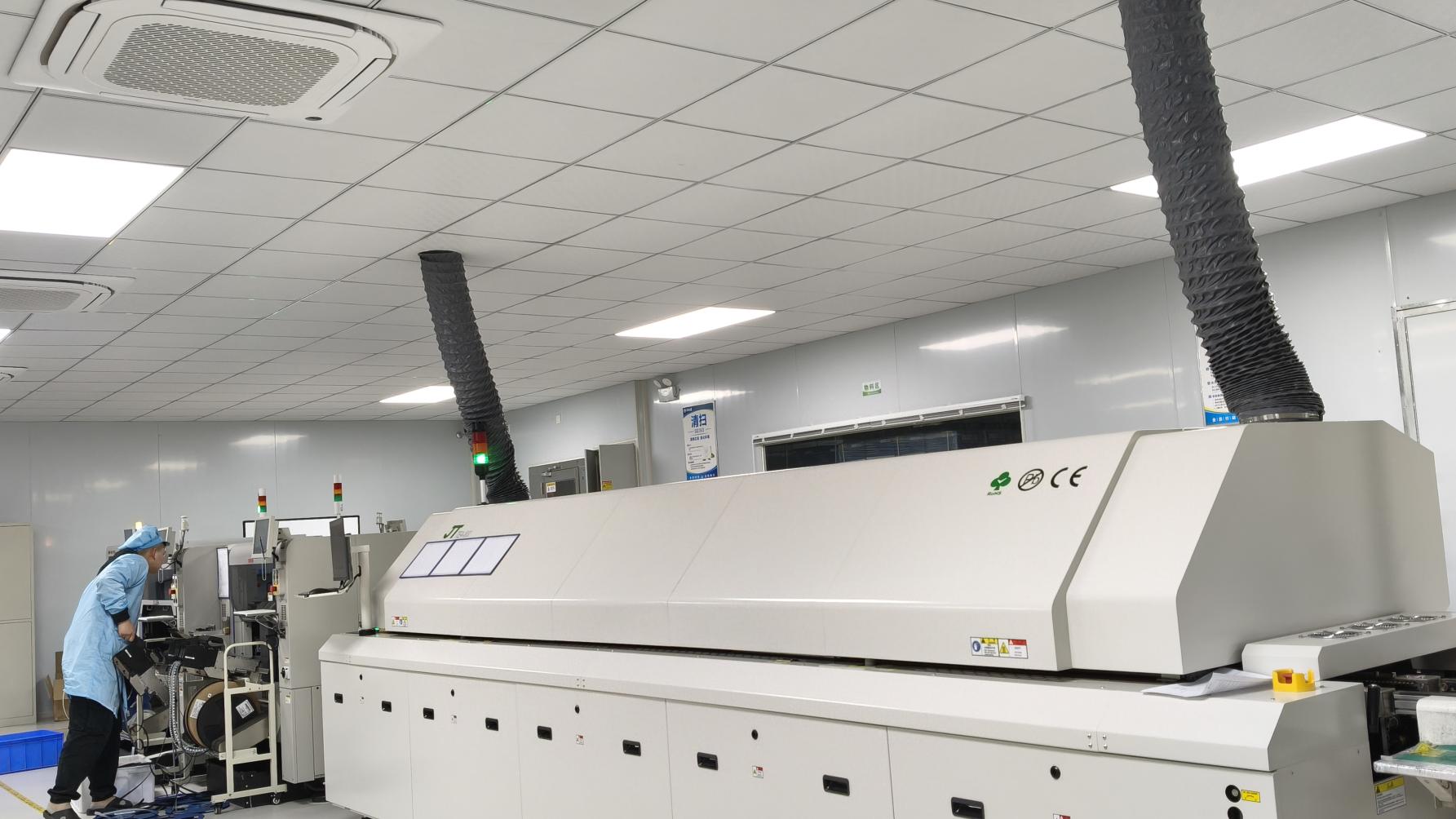
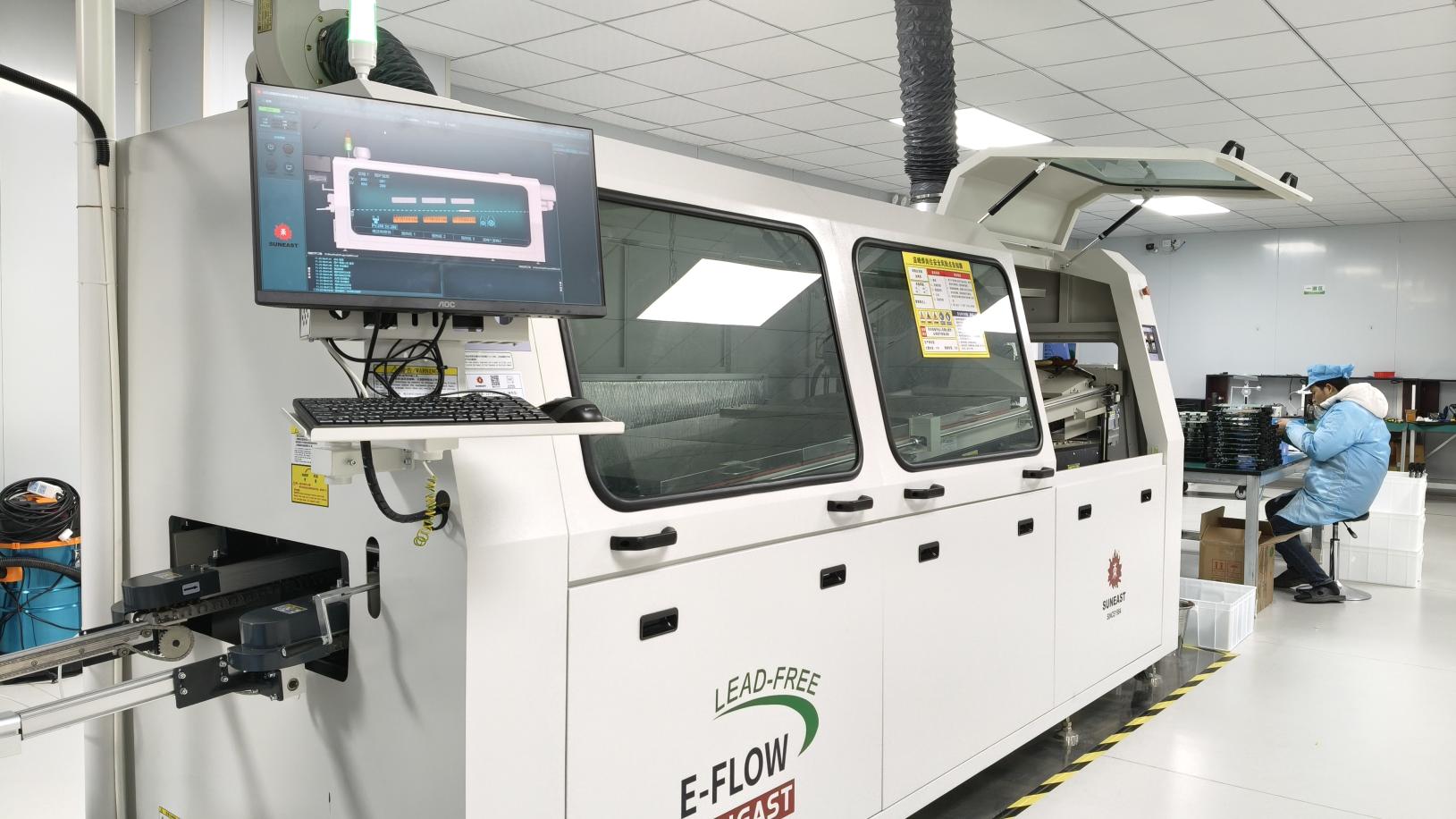
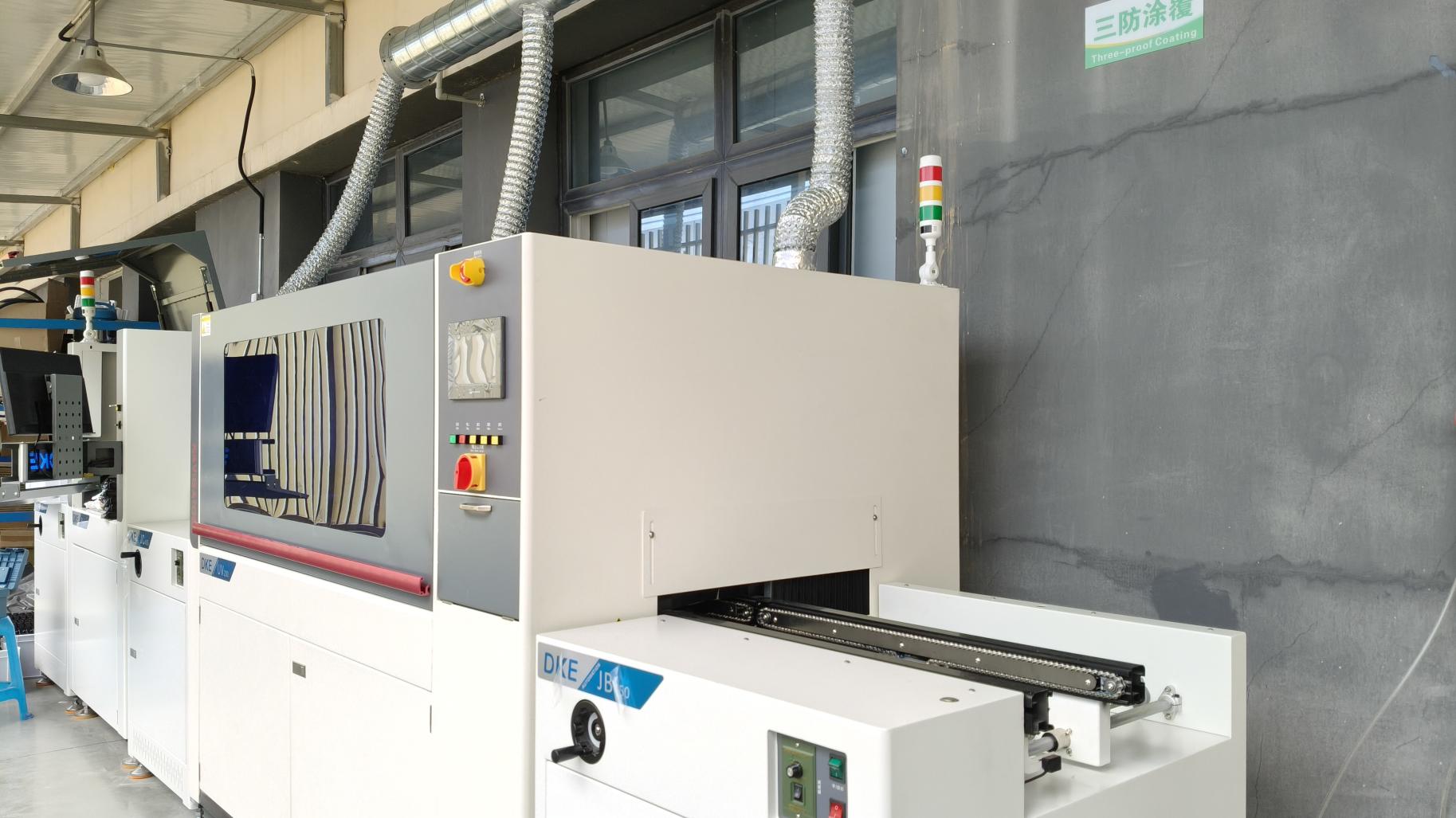
Exploring the economic, technological, and architectural advantages of sourcing CE-compliant commercial and industrial lighting directly from Zhejiang.
In the global solid-state lighting (SSL) supply chain, China stands as a primary hub of innovation and production efficiency. The clustering of component vendors, PCB manufacturers, aluminum extruders, and test labs in coastal manufacturing zones allows factories like Zhejiang Lili Light Co., Ltd. to operate with unmatched speed, cost control, and adaptability.
This localized supply chain integration allows for direct control over raw materials and electrical components. From securing high-purity aluminum alloys (such as AL6063-T5) for linear heat dissipation profiles to utilizing premium LED chips (such as Epistar, San'an, or Cree) and stable, ripple-free drivers, the factory directly regulates the bill of materials (BOM). This integration eliminates shipping delays, lowers baseline production costs, and speeds up product development cycles, allowing custom ODM designs to go from blueprint to physical sample in a fraction of the time required elsewhere.
By using automated Surface Mount Technology (SMT) and Automated Optical Inspection (AOI), we achieve highly accurate component placement. AOI systems scan every circuit board down to the micron level, catching errors like solder bridging, missing components, or polarity issues. This process ensures the electrical stability of multi-channel LED strips, downlight modules, and high-lumen street light arrays before they undergo final assembly.
Moreover, modern industrial projects require extensive customization. Chinese manufacturers excel at accommodating tailored request patterns, including custom Color Rendering Indexes (CRI >90 or >95 for luxury retail), targeted beam angles (from narrow 15° spotlights to wide 120° asymmetrical street optics), and diverse dimming compatibility (DALI-2, 0-10V, Phase, Triac, and wireless IoT protocols like Zigbee or Matter). This structural adaptability allows global developers, engineering consultants, and wholesalers to source custom-engineered lighting solutions from a single vendor, simplifying their supply chain management.
From demanding industrial workshops to smart municipal roads and high-end residential interiors, we provide tailored optical layouts for every environment.
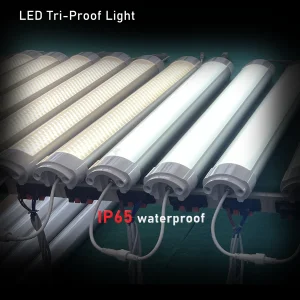
Designed to withstand challenging factory environments, our high-bay and tri-proof systems feature IP65/IP66 waterproof ratings, dust resistance, and IK08/IK10 impact resistance. They deliver high luminous efficacy (up to 150 lm/W) to reduce energy overheads in tall structures.
Our recessed downlights, anti-glare COB spotlights, and magnetic track systems offer precise optical control. Featuring low UGR (<19) and high color fidelity (CRI >90), they highlight structural forms and retail displays while ensuring visual comfort.
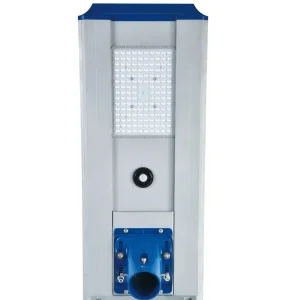
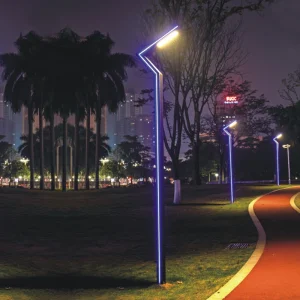
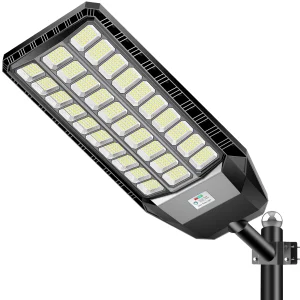
Our modular outdoor streetlights and solar streetlights incorporate smart features. Using MPPT controllers, monocrystalline solar panels, and long-life LiFePO4 batteries, they provide reliable illumination in public areas with minimal maintenance.
Detailing the technical and testing compliance protocols required to successfully market and install LED products in strict international markets.
To access the European Economic Area (EEA) and other global markets, manufacturers must meet strict technical standards. The CE (Conformité Européenne) marking is not just a label; it requires verifying compliance with several directives, including the Low Voltage Directive (LVD) 2014/35/EU and the Electromagnetic Compatibility (EMC) Directive 2014/30/EU.
LVD testing ensures that LED lighting fixtures operate safely at standard voltages, protecting users from electrical shock and fire hazards. This testing evaluates creepage distances, insulation systems, and grounding continuity. Concurrently, EMC testing verifies that the luminaire's driver does not generate electromagnetic interference that disrupts nearby wireless devices, and that it has sufficient immunity to nearby surges, in line with EN 55015 and EN 61547 standards.
Additionally, modern environmental regulations like the RoHS Directive (2011/65/EU and amendment 2015/863/EU) restrict the use of hazardous substances like lead, mercury, and cadmium in solder joints and plastics. For projects focused on sustainability, compliance with the Ecodesign ErP (Energy-Related Products) directive is essential. This requires detailed testing of optical efficiency, standby power draw, color rendering stability, and lumen maintenance over time.
To support engineering designs, suppliers must provide standard LDT or IES photometric files. These files allow lighting designers to run precise simulations in software like Dialux, ensuring the layout meets lighting requirements (such as target lux and uniformity) before purchasing. By providing certified products and comprehensive optical data, we support a smooth engineering and installation process.
Discover our comprehensive range of high-efficiency interior spots, high-bay luminaires, modular track platforms, and flexible architectural neon solutions.
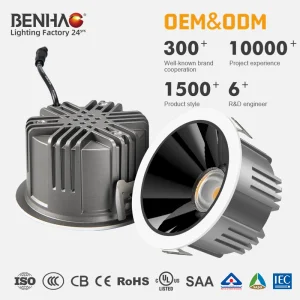
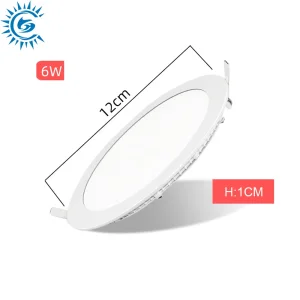
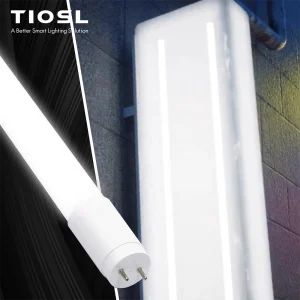
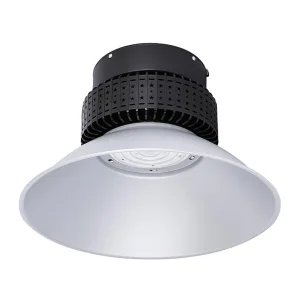
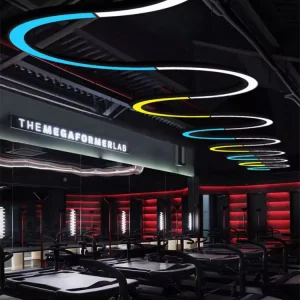
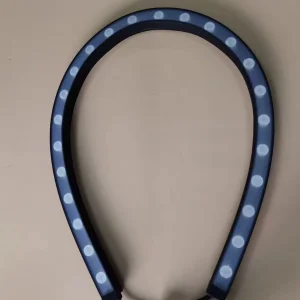
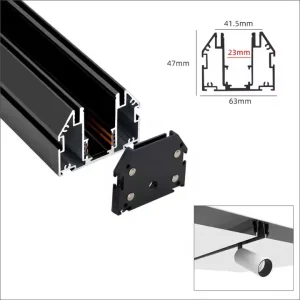
How smart networks, sustainability mandates, and energy efficiency targets are changing the requirements for commercial and industrial lighting.
The global LED lighting industry is transitioning from simple energy savings to integrated, intelligent systems. As energy costs rise and sustainability mandates become stricter, businesses are looking for lighting systems that offer more control, data integration, and efficiency.
A key driver of this shift is the growth of Smart IoT Lighting Integration. By combining LED drivers with protocols like DALI-2, Zigbee 3.0, or Matter, lighting systems can connect to Building Management Systems (BMS). This allows features like automated dimming based on occupancy, daylight harvesting, and predictive maintenance tracking, reducing operational energy use.
Another important trend is Human-Centric Lighting (HCL). This involves using tunable white systems (CCT adjustable from 2700K to 6500K) to align indoor lighting with natural circadian rhythms. Studies show that adjusting color temperature and light intensity throughout the day can improve focus and comfort in commercial offices, educational facilities, and healthcare settings.
Additionally, the demand for Decarbonized Manufacturing is prompting brands to analyze the entire life cycle of their products. Using recyclable materials, modular components that are easy to replace, and lead-free manufacturing processes helps enterprises reduce their environmental footprint and meet corporate sustainability goals.
Find authoritative answers to common technical, regulatory, and sourcing questions about importing industrial and commercial LED systems from China.
 Lili Light