Premium Architectural and Industrial Light Fixtures Engineered for Longevity, Efficiency, and Precise Optical Performance.
Analyzing global architecture standards, energy optimization trends, and human-centric design in municipal & commercial lighting systems.
Architectural lighting design is undergoing a massive shift. Historically, pedestrian bridges, municipal staircases, and commercial handrails relied on external overhead luminaires. These systems suffered from significant light spillage, glare, high installation overheads, and inconsistent safety. Today, the integration of solid-state LED light sources directly inside structural railings—known as integrated LED railing lights or handrail lighting—has redefined outdoor safety and structural aesthetics.
By shifting lighting source placement from elevated poles directly into structural profiles, lighting planners eliminate glare for pedestrians, cyclists, and vehicle drivers. This evolution focuses the luminous flux specifically where it is needed: the pathway. To achieve this seamless integration, developers depend on CE certified systems capable of weathering environmental elements while satisfying rigorous electrical safety (LVD) and electromagnetic compatibility (EMC) regulations in Europe and beyond.
"Information Gain Insight: True structural integration requires custom optical profiles, asymmetric light distributions, and robust IP-rated driver systems that manage thermal dissipation without compromising structural load capacity."
Demystifying materials standards, thermal management constraints, and certification structures vital to engineering, procurement, and construction (EPC) firms.
For international buyers, structural lighting must go beyond standard visual requirements; it must comply with strict electrical and environmental safety codes. CE certification serves as a baseline passport for European and associated global markets. In the context of LED railing lights, this compliance involves several distinct testing protocols:
One of the most persistent issues with handrail-integrated lights is heat accumulation. LED strips nested within hollow handrail profiles cannot easily dissipate thermal load via convective airflow. Heat must escape through conduction. If the manufacturer uses low-grade aluminum profiles or high-resistance thermal pads, the junction temperature rises rapidly. This causes accelerated color shifting (chromaticity drift) and early lumen degradation.
High-end manufacturers design integrated structural lighting systems around low-resistance aluminum PCB cores. By utilizing thermal-conductive interface tapes and co-extruding heavy-duty aluminum carriers within the profile, they reduce the junction-to-ambient thermal resistance. Consequently, the fixture operates at a low temperature, maintaining L80B10 ratings beyond 50,000 operational hours.
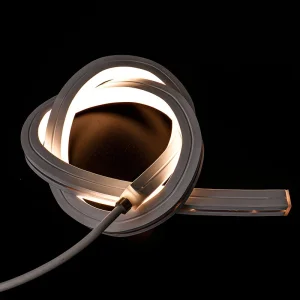
"Engineering Fact: Standard outdoor linear lighting loses up to 25% of its initial light output through thick diffusers. Using premium silicone extrusions with optimized transmission rates provides maximum protection while keeping optical losses under 8%."
A deep look into our automated manufacturing process, advanced testing equipment, and integrated quality control protocols.
Zhejiang Lili Light Co., Ltd. is a leading manufacturer and exporter specializing in high-efficiency LED lighting products and customized, integrated lighting solutions. Drawing on decades of industry experience, we offer energy-saving, durable, and structurally integrated products to global construction projects, commercial developers, and industrial distributors.
Our facility leverages automated production lines, testing systems, and high-quality raw materials. We provide full-cycle OEM/ODM services, custom color temperatures, specialized optics, and custom lengths to fit any project profile. Each phase of our production cycle uses advanced machinery to guarantee stable output, high color rendering (CRI > 90), and outstanding thermal management.
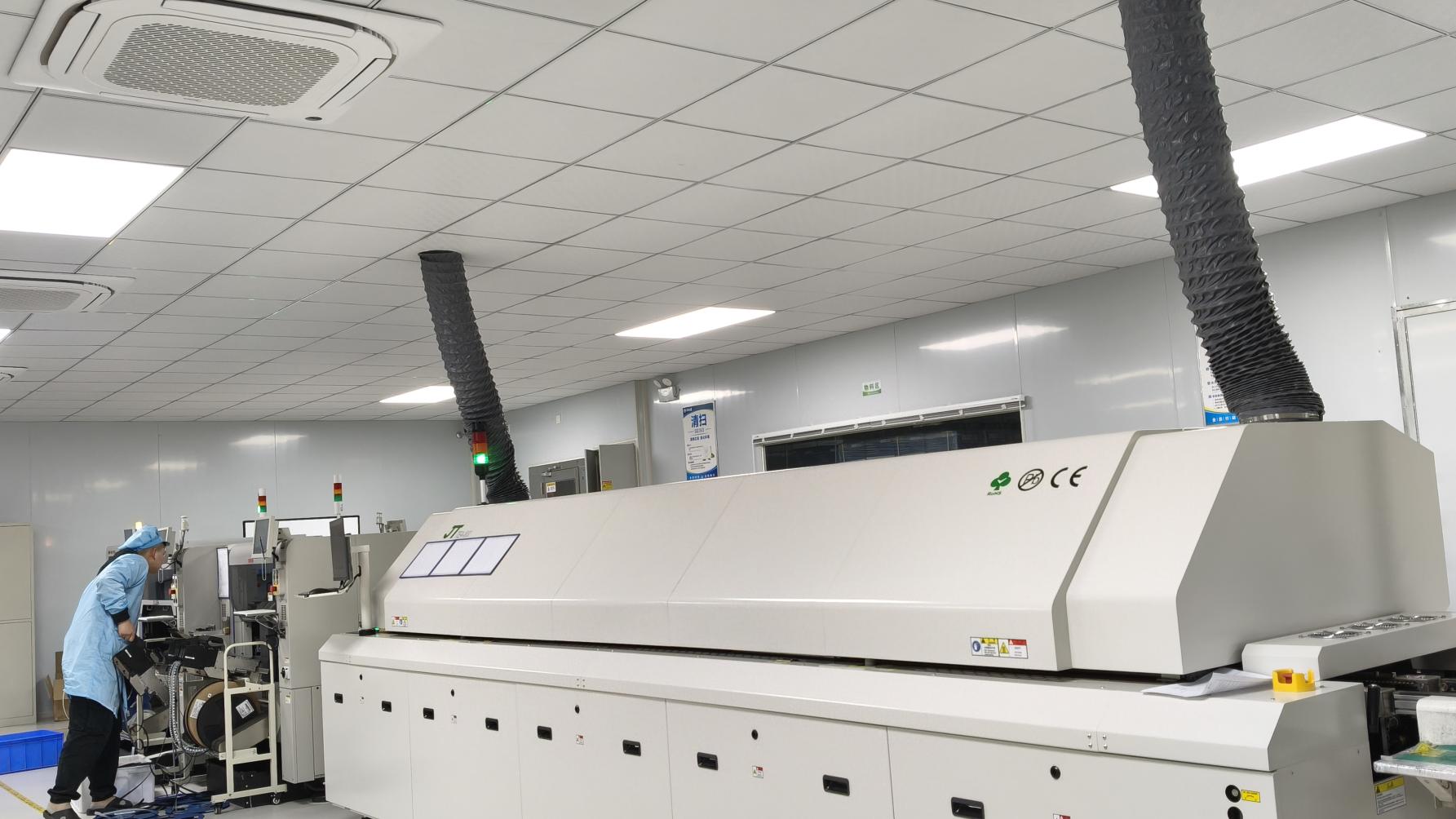
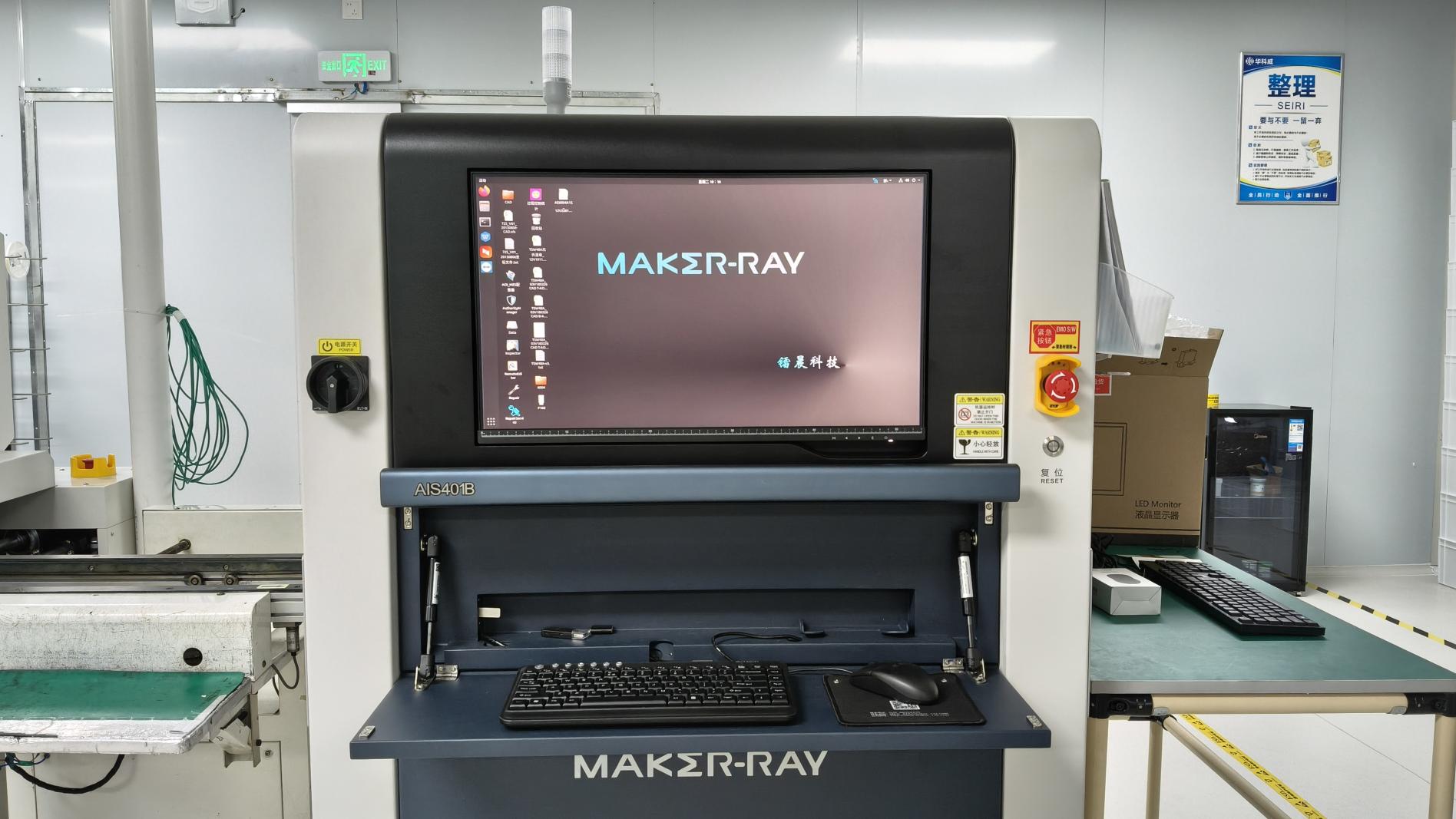
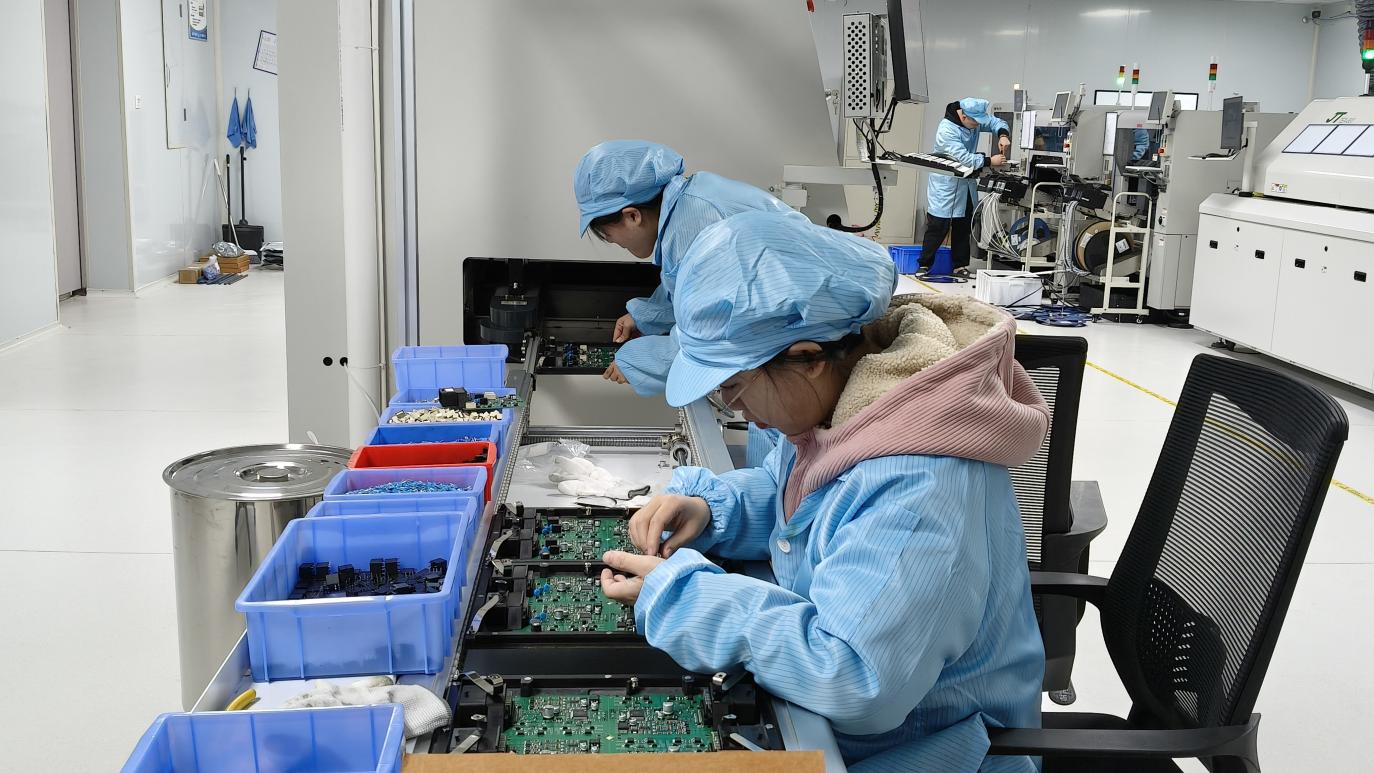
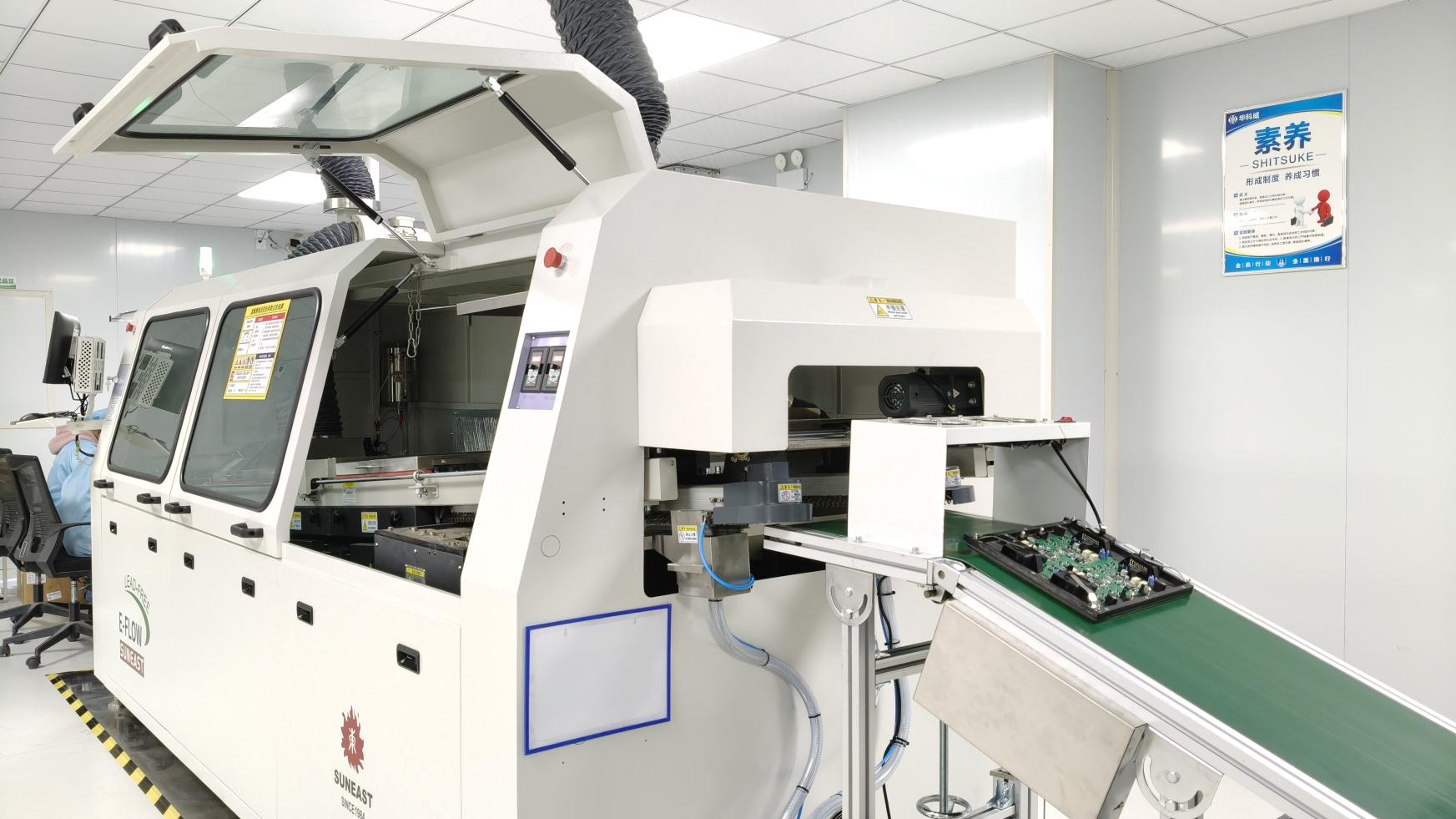
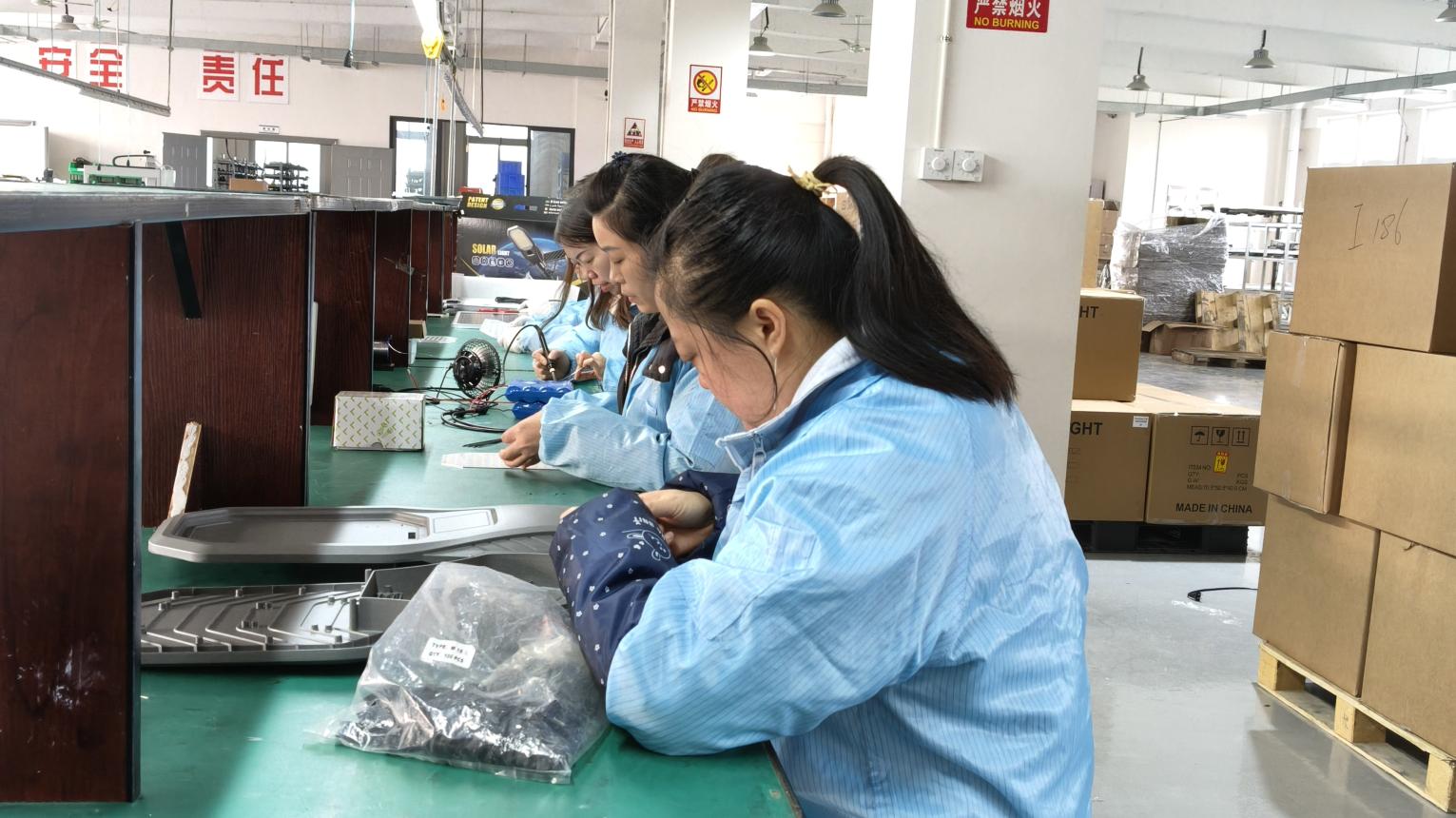
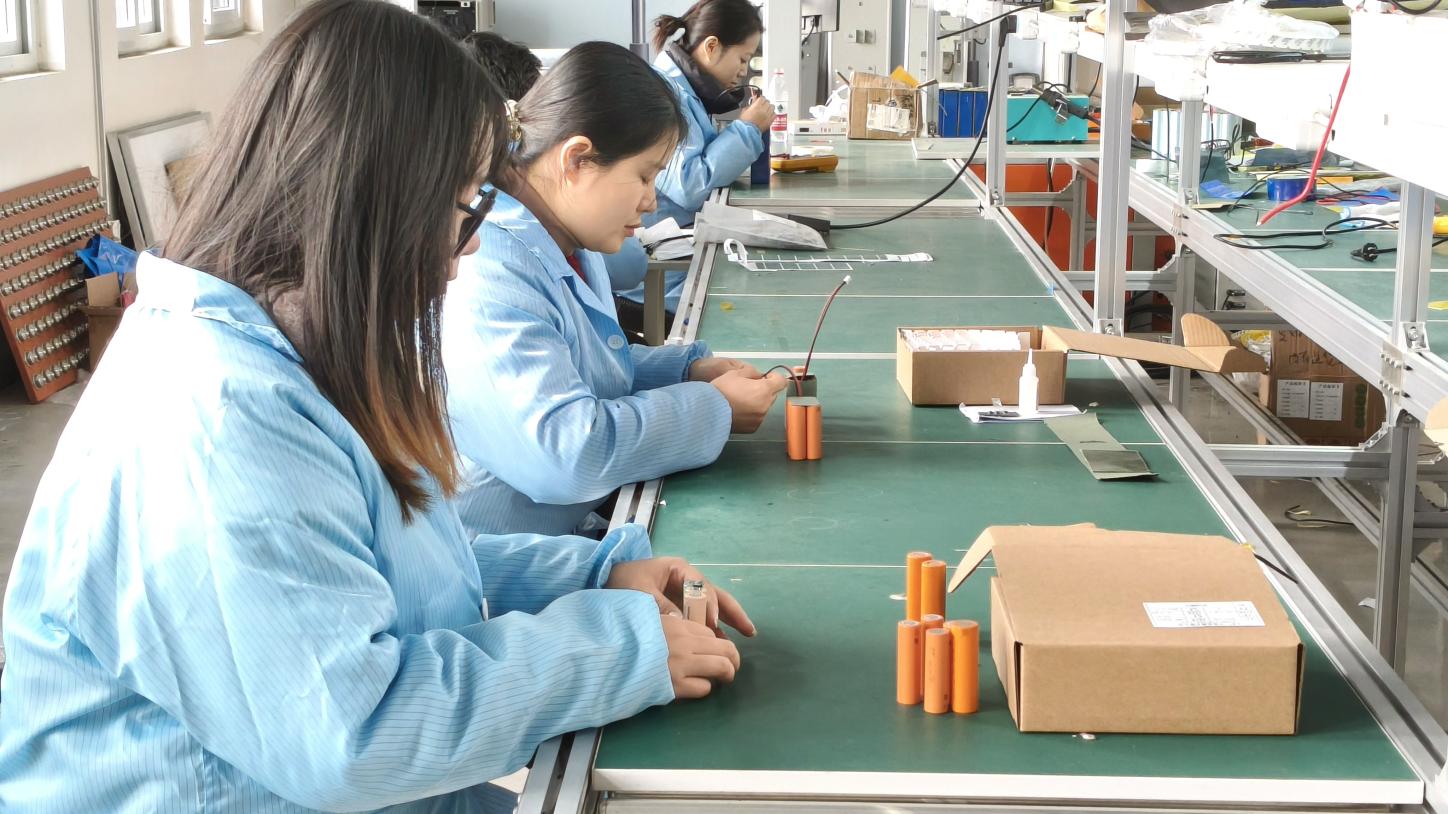
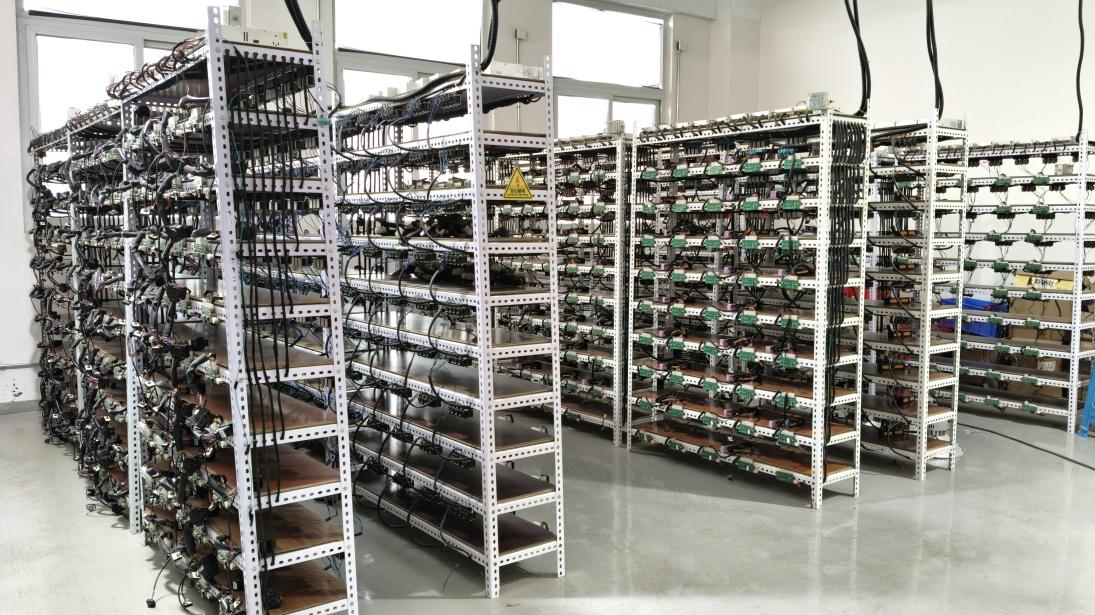
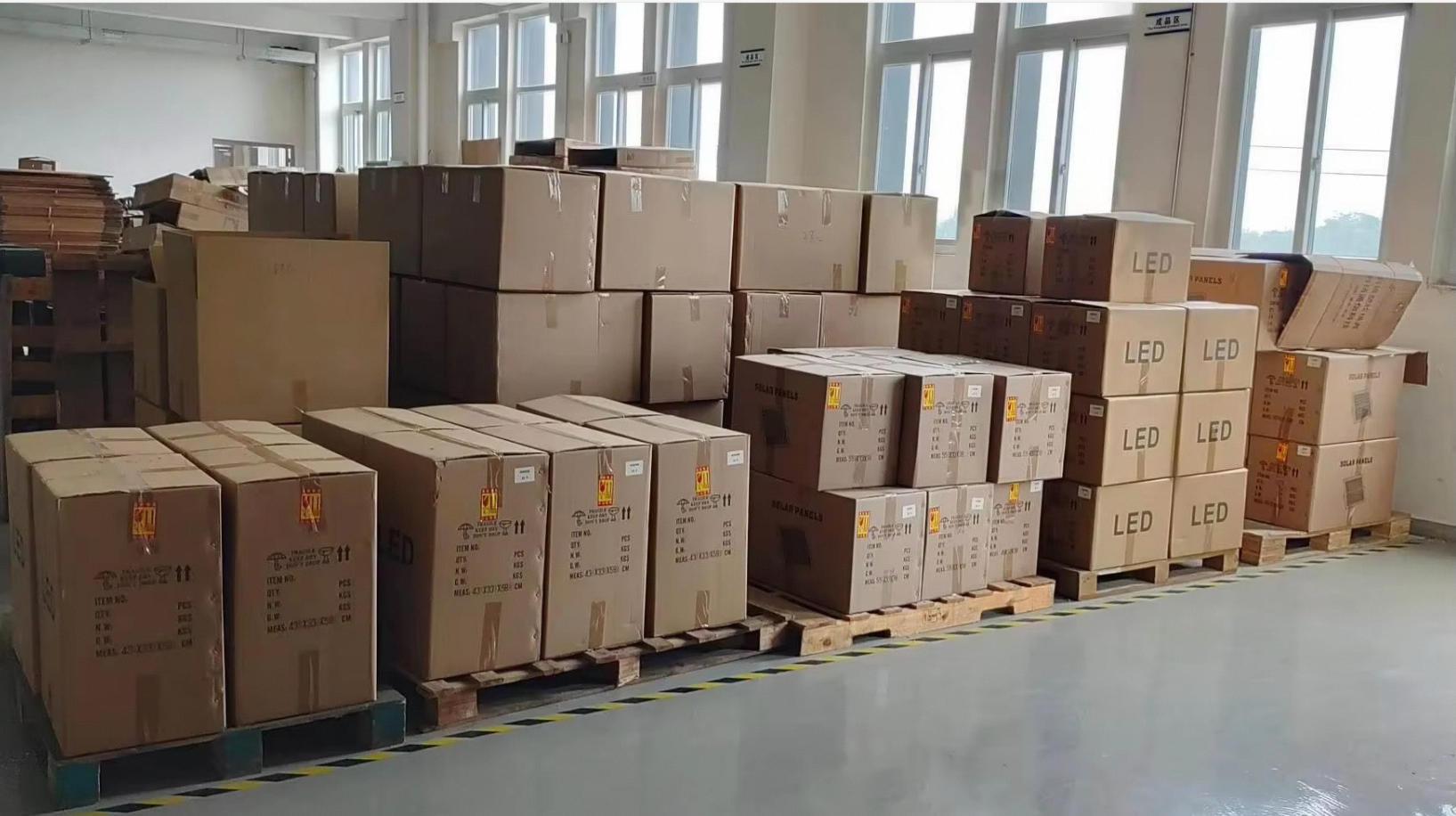
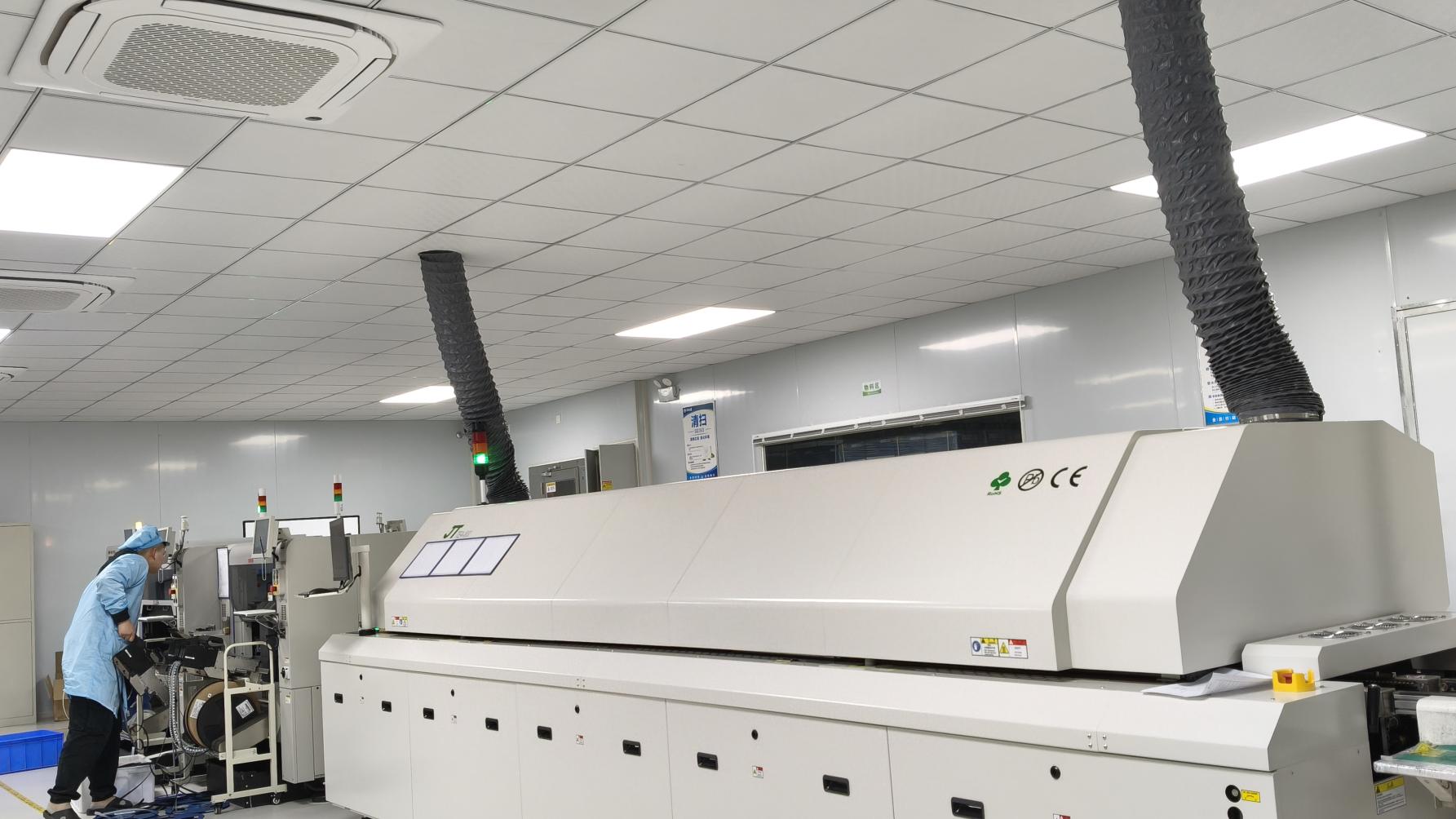
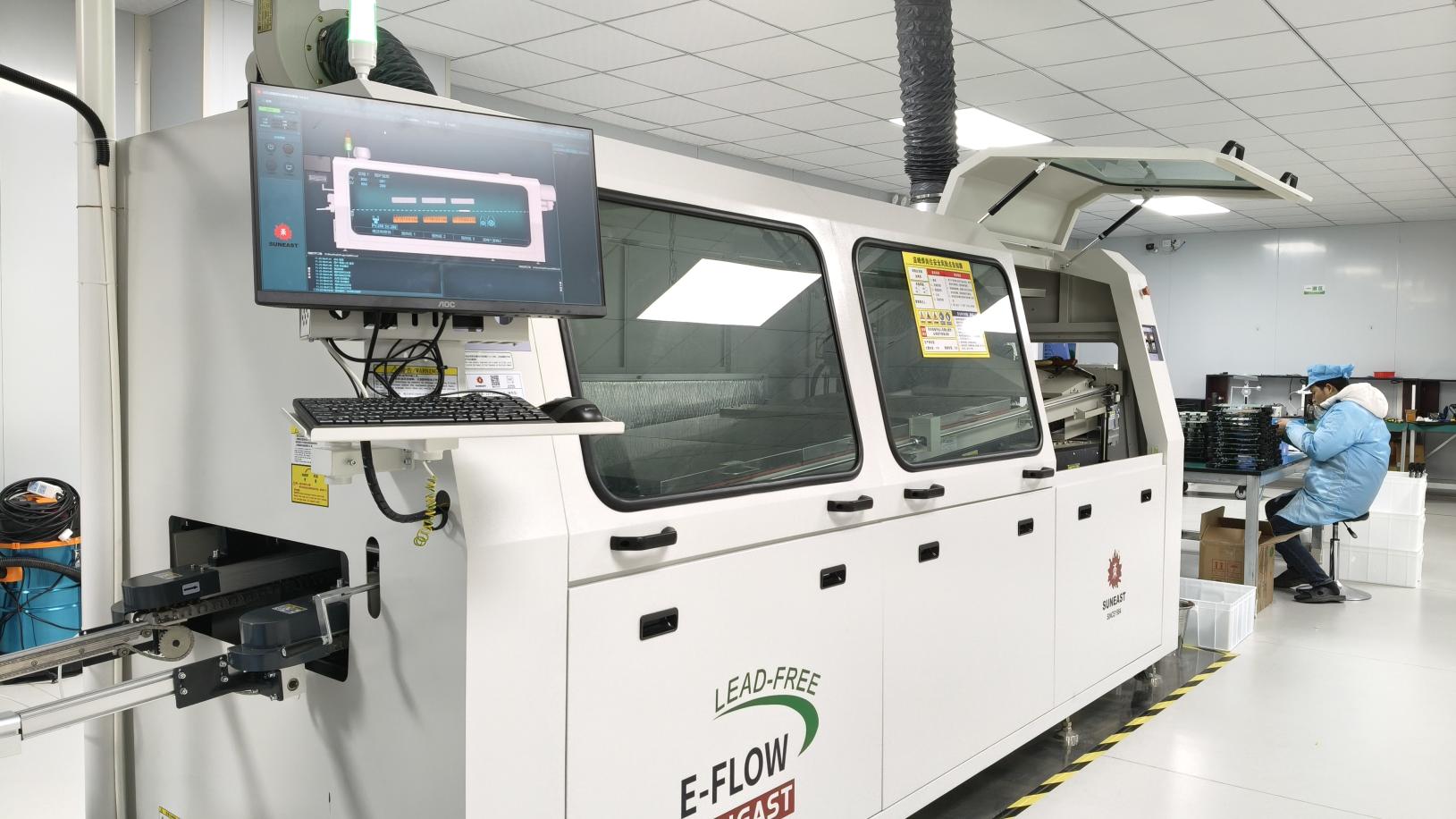
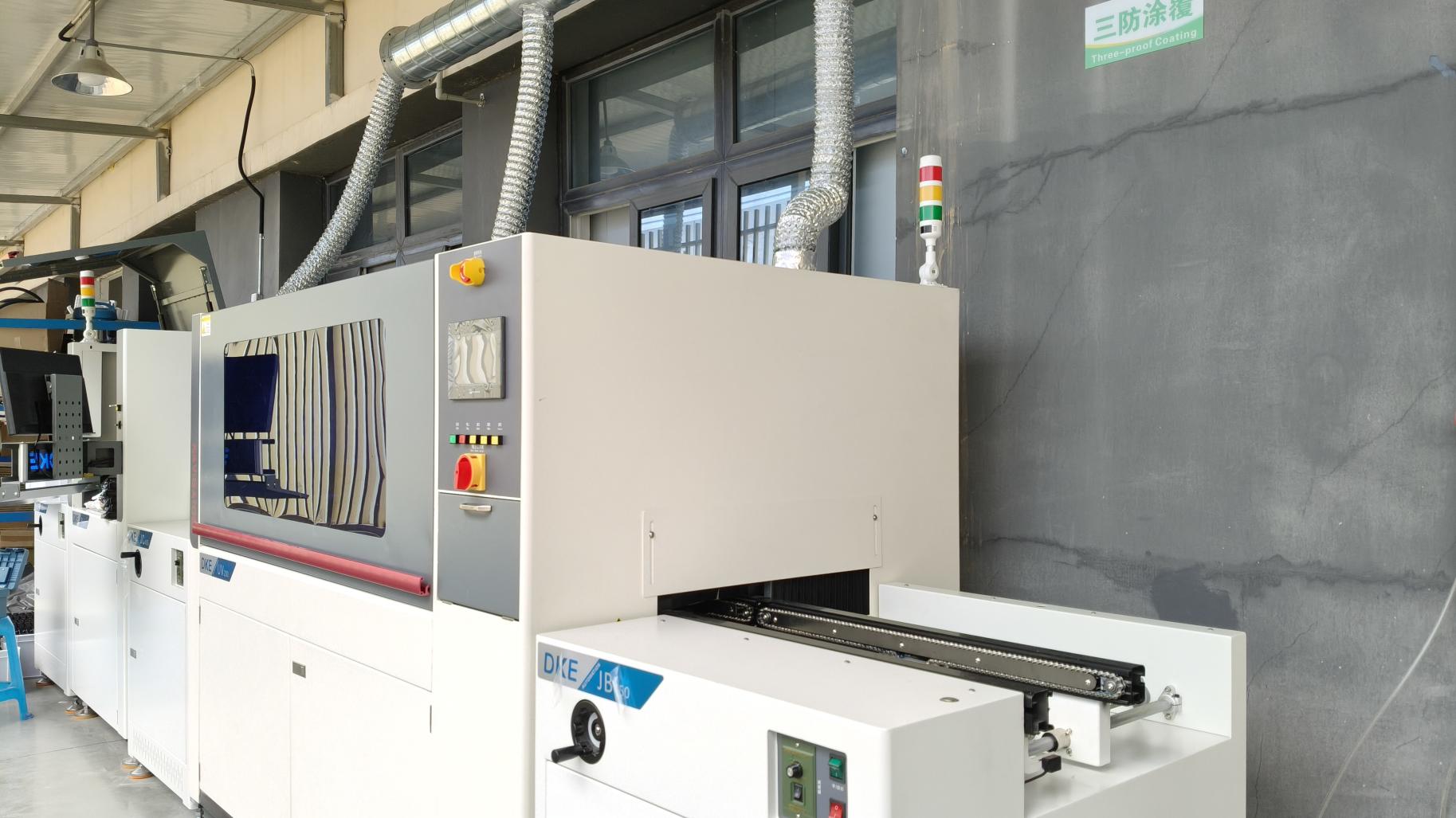
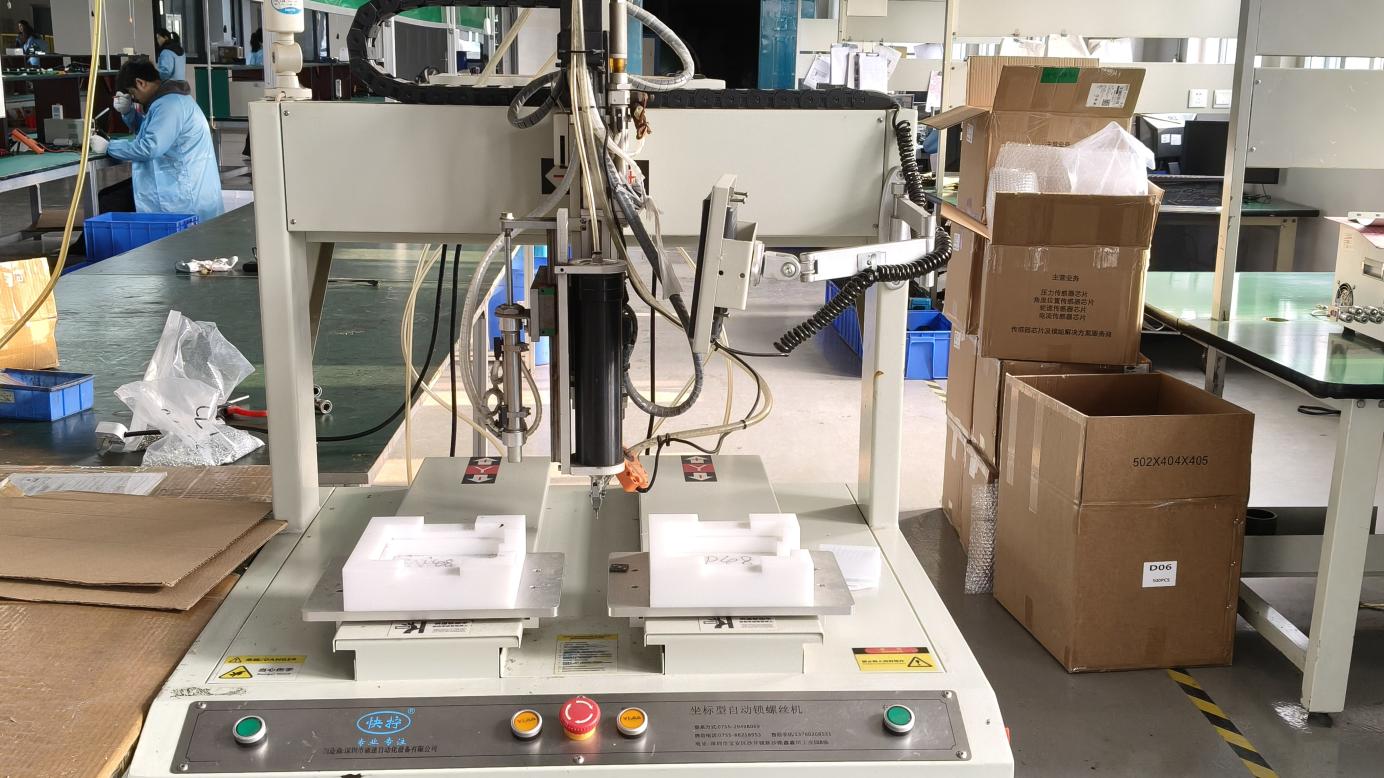
Deploying specialized railing lighting solutions in harsh, complex climates and high-traffic public installations.
Standard aluminum casings degrade quickly when exposed to salt spray and high humidity. For marine handrails, we utilize marine-grade 316 stainless steel profiles combined with IP67 co-extruded silicone linear light strips. The anti-UV-salt silicone formula shrugs off sodium chloride deposition, preventing physical degradation and securing the internal electronics from water entry.
Transit stations require heavy-duty fixtures that can handle constant vibration and impact. In these environments, we install impact-resistant (IK10) polycarbonate or acrylic lens profiles over our LED assemblies. This design withstands vandalism and physical strain, keeping structural walkways illuminated and safe.
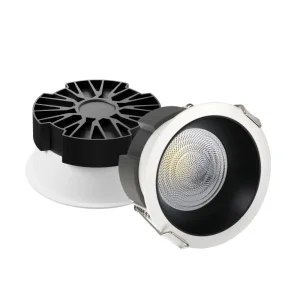
In high-end architectural settings, lighting designers focus heavily on visual comfort. We offer narrow-beam, high-color-rendering (CRI > 90) recessed fixtures that fit neatly inside circular or rectangular metal handrails. These modules produce clean light beams with minimal glare, highlighting walkways while integrating smoothly into modern layouts.
Expert answers addressing the key mechanical, electrical, and photometric challenges faced by engineers and buyers.
Explore our complete line of industrial, solar, commercial, and waterproof lighting fixtures built for demanding environments.
 Lili Light