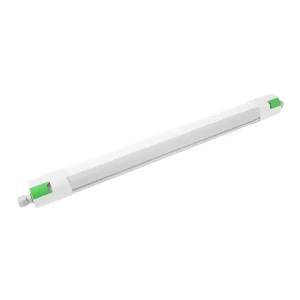
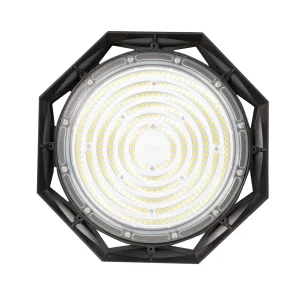
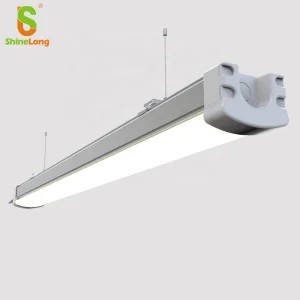
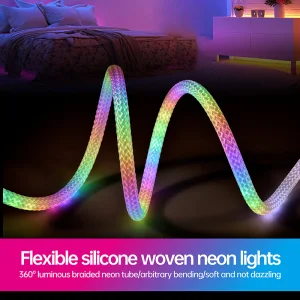
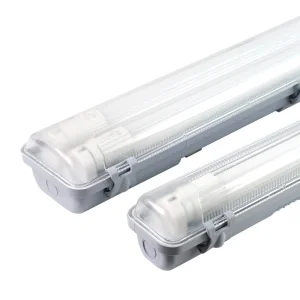
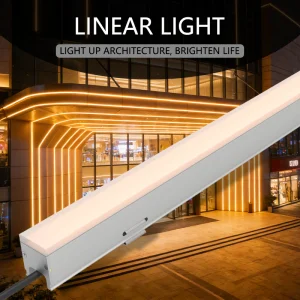
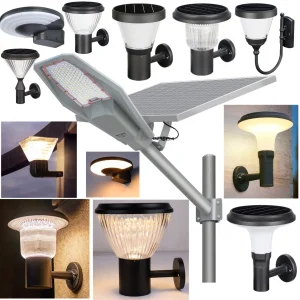
Engineered for extreme performance, compliance, and structural resilience across diverse commercial, industrial, and outdoor applications.
Zhejiang Lili Light Co., Ltd. is a globally established manufacturer and exporter specializing in high-performance LED safety lighting products and integrated intelligent illumination systems. Backed by solid industry experience, our facilities integrate standard-driven product development, state-of-the-art optical engineering, and a comprehensive quality assurance architecture to serve demanding markets across Europe, South America, Southeast Asia, and the Middle East.
We believe safety lighting is a foundational pillar of modern industrial infrastructure. Our operations are optimized to provide energy conservation, photobiological safety, and structural robustness. Over the years, we have transitioned from traditional luminaire fabrication into a technological provider of smart, high-reliability safety systems designed to prevent operational accidents, minimize downtime, and withstand harsh physical elements.
Whether navigating complex European LVD/EMC compliance frameworks or specifying custom photometrics for offshore platforms, our teams deliver engineering clarity. We offer agile, full-cycle OEM and ODM pipelines, translating client-specific thermal, optical, and structural requirements into robust lighting systems that elevate workspace safety, regulatory compliance, and bottom-line productivity.
Specialized optics designed to reduce glare, control light pollution, and optimize luminous efficacy in heavy-duty manufacturing plants.
Heavy-duty die-cast aluminum heat sinks coupled with high-efficiency thermal interface materials ensure continuous operations up to 60°C.
Fully compliant with the European Union Low Voltage Directive (LVD) and Electromagnetic Compatibility Directive (EMC) for verified reliability.
Rated Lifespan (L70/B50)
System Luminous Efficacy
AOI and Aging Tested Products
Exporting Nations & Regions
Exploring structural safety, optical efficiency, and localization frameworks that govern global smart lighting implementation.
In modern industrial logistics, maritime transportation, heavy chemical processing, and mining environments, safety lighting is no longer treated as a simple utility. Rather, it is a core operational safety asset. Traditional high-pressure sodium (HPS), metal halide, and fluorescent installations have historically burdened facility operators with high maintenance costs, structural vulnerabilities, and significant heat generation. The transition to solid-state LED systems has addressed these problems by delivering up to 70% reduction in energy consumption while elevating visual accuracy and plant-floor safety.
Furthermore, safety lights act as primary visual indicators in heavy-machinery corridors. In warehouses featuring high-frequency forklift traffic, active overhead LED safety lines and high-luminosity spotlights alert ground personnel long before physical contact occurs. By producing focused, glare-controlled, and high-contrast projection paths, modern LED luminaires minimize ambient visual fatigue, reduce occupational safety hazards, and enhance overall organizational productivity.
For industrial operators, procuring uncertified lighting systems introduces immense liability risk. True certification verifies that a safety light will perform under electrical, environmental, and thermal extremes without failing or creating safety hazards. At Zhejiang Lili Light Co., Ltd., our engineering methodologies conform strictly to the European Union's Harmonized Standards:
Industrial layouts are rarely uniform. Steel mills require thermal isolation and high heat tolerance up to 70°C, cold storage facilities demand sub-zero component resiliency down to -40°C, and coastal container ports require marine-grade, salt-spray-resistant powder coatings to prevent galvanic corrosion. Through our specialized OEM and ODM service channels, Zhejiang Lili Light Co., Ltd. provides customized configuration options for every project. Our capabilities include bespoke optical lens design (ranging from narrow 15° search beams to 120° wide flood spreads), customizable color temperatures (3000K to 6500K), integrated emergency power packs, and localized input voltage configurations (ranging from DC 24V up to AC 480V) to align with varied regional electrical standards.
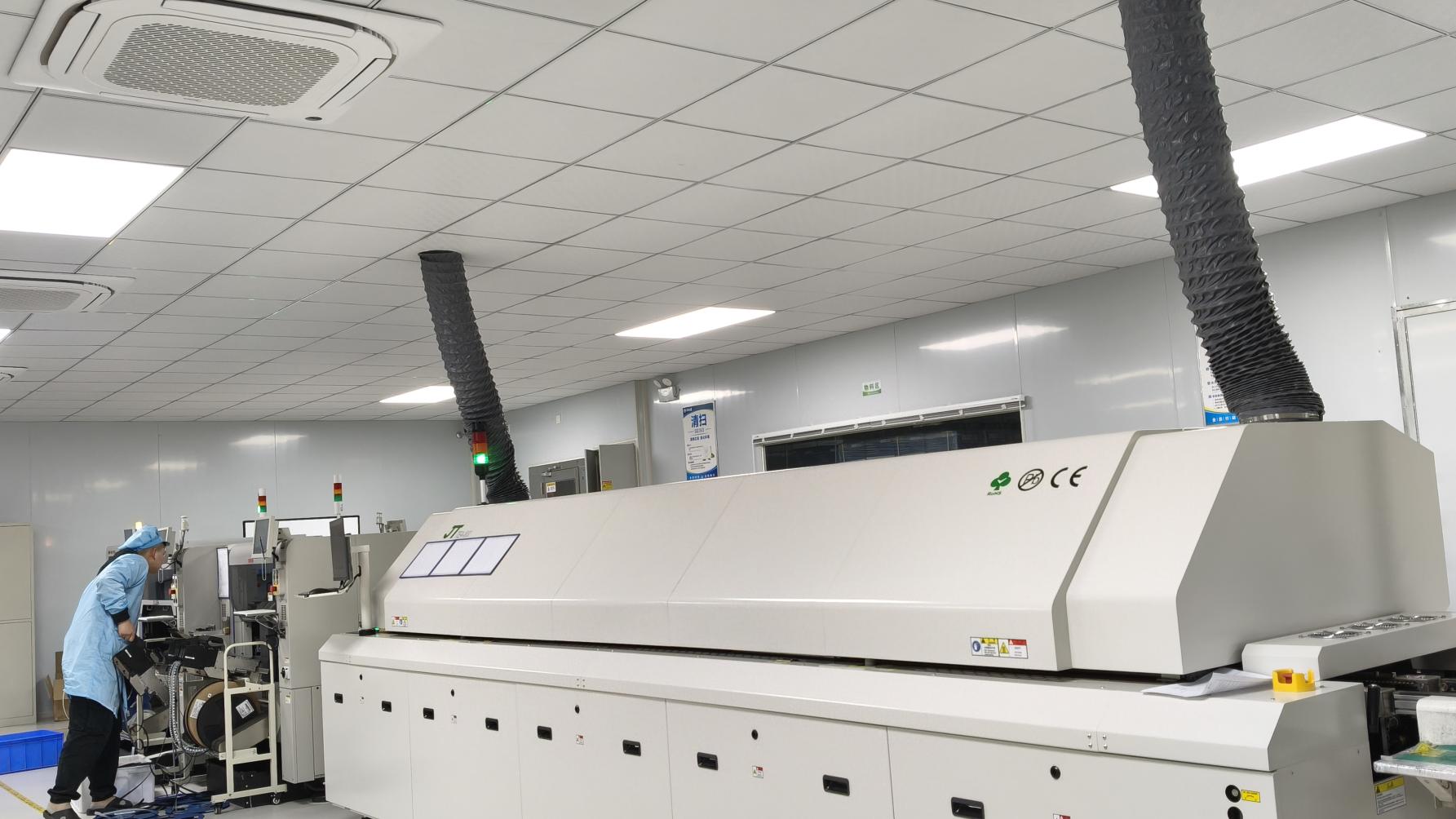
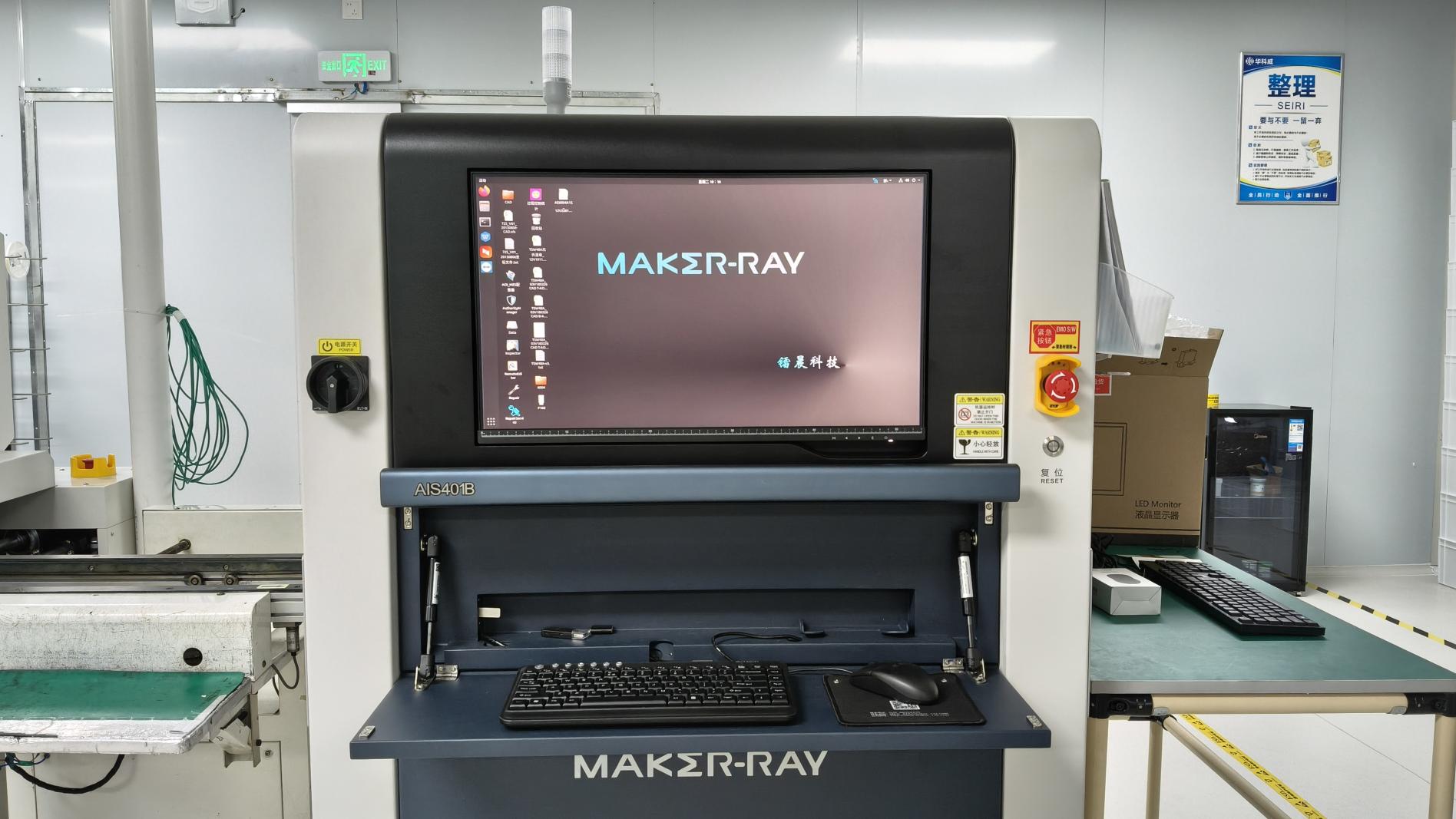
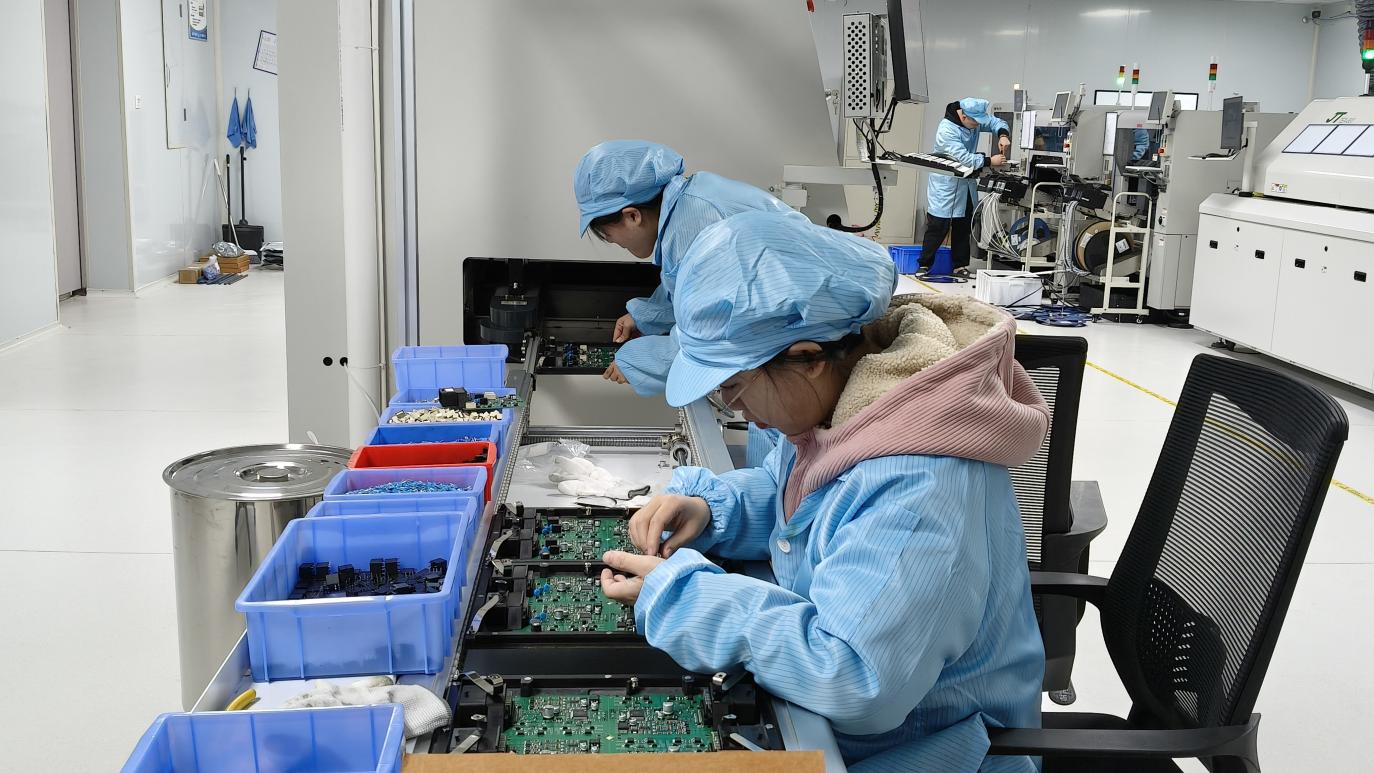
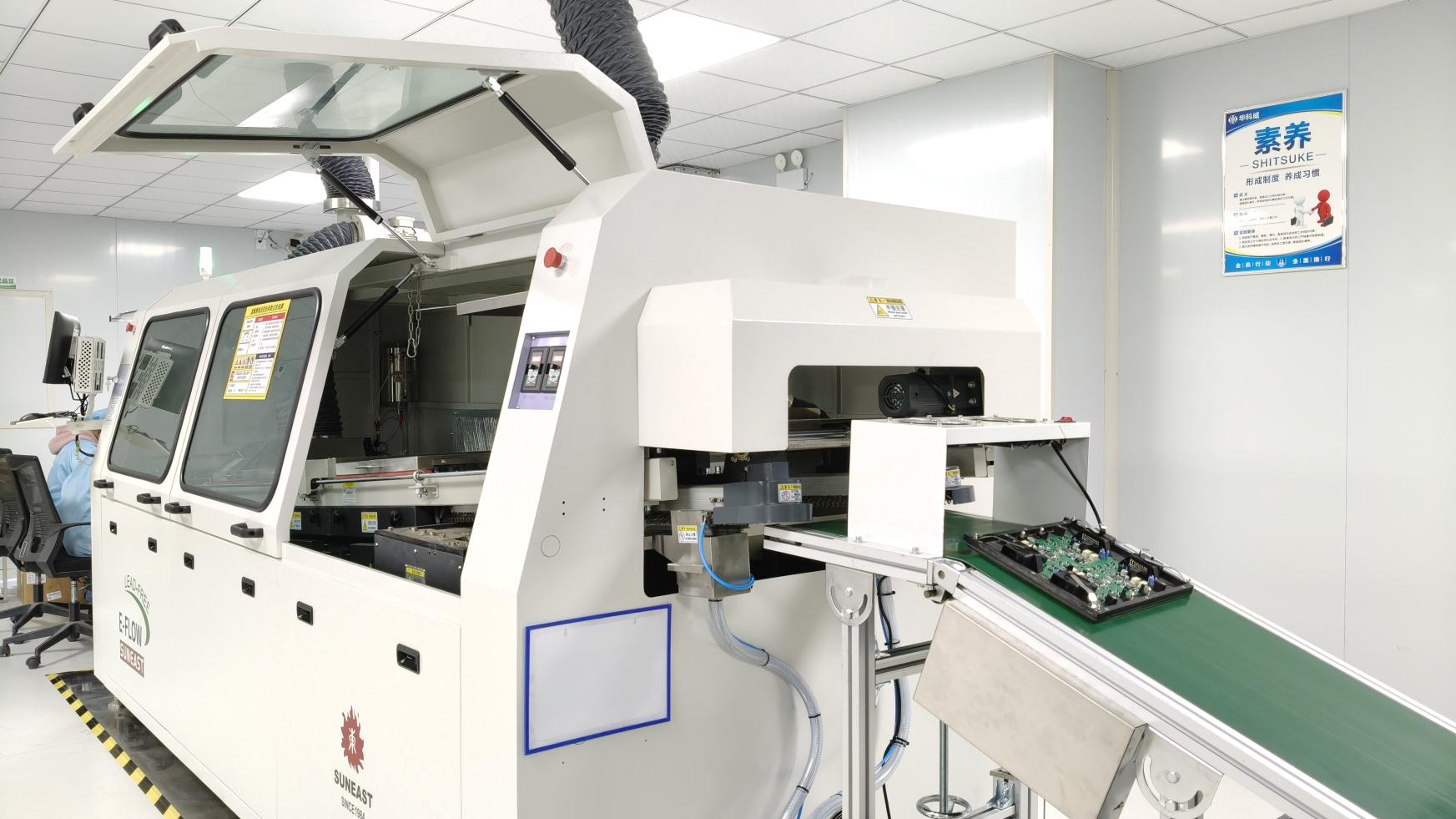
A transparent overview of our advanced assembly, verification, and testing procedures inside the Zhejiang Lili Light facilities.
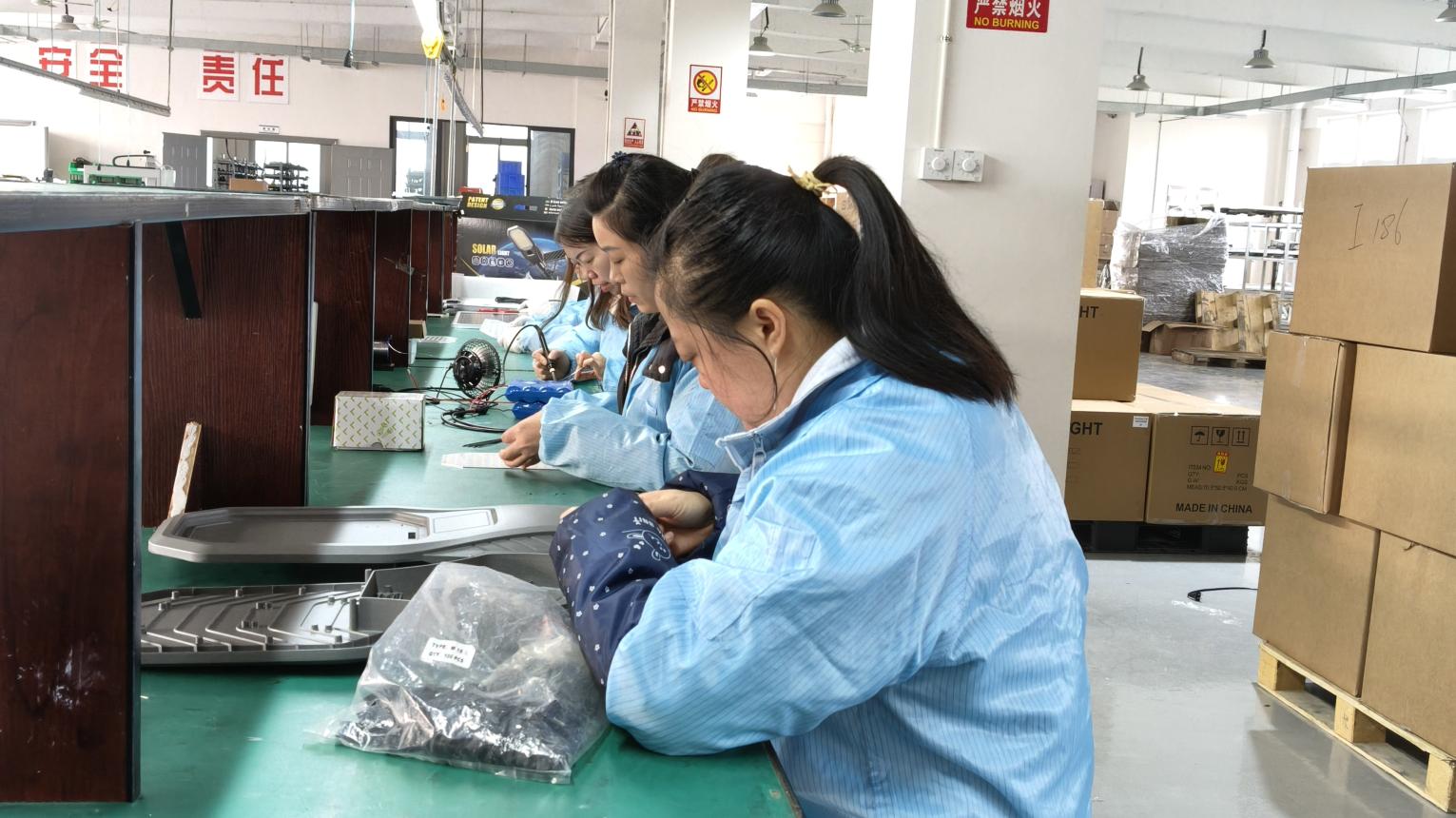
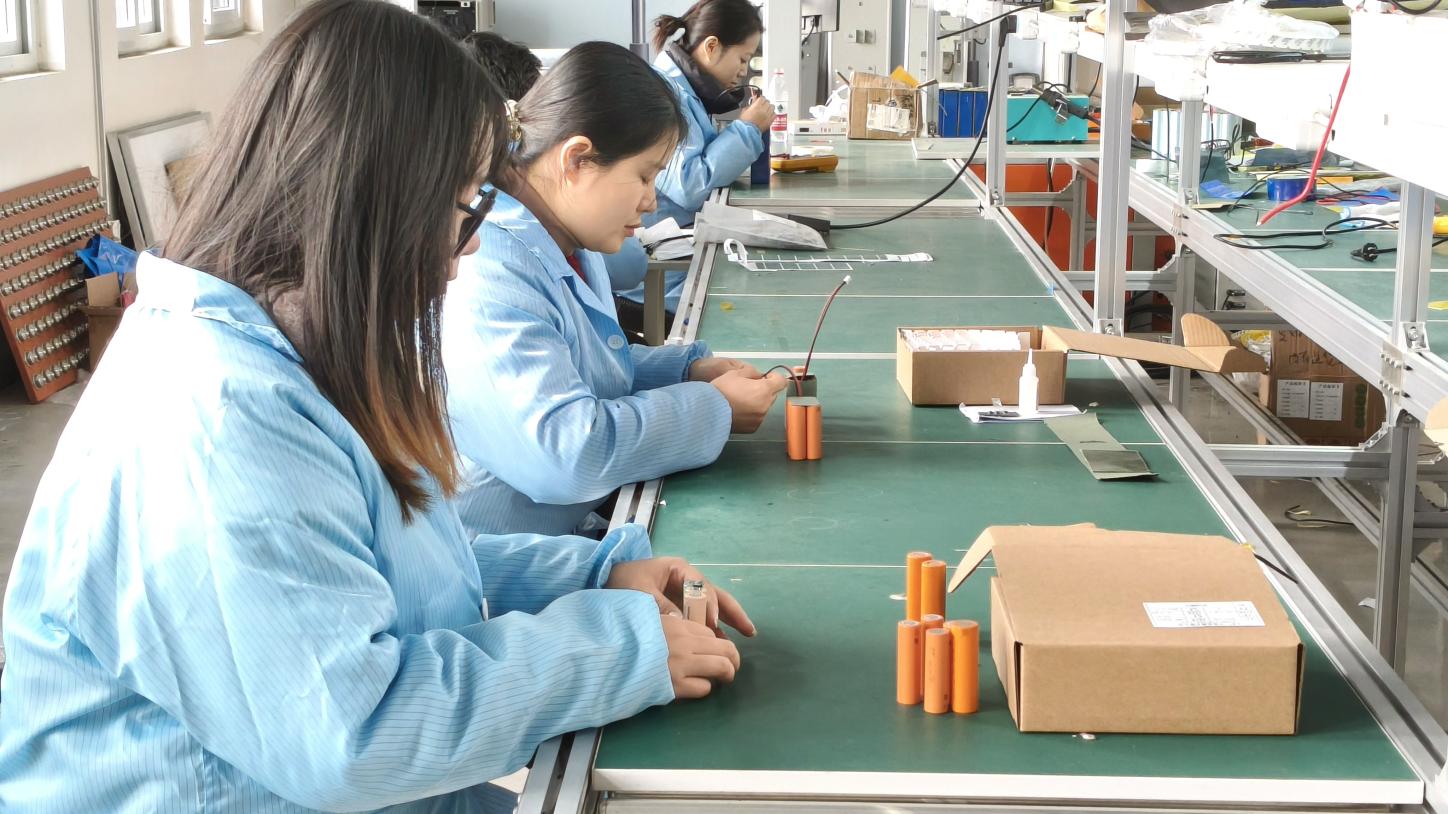
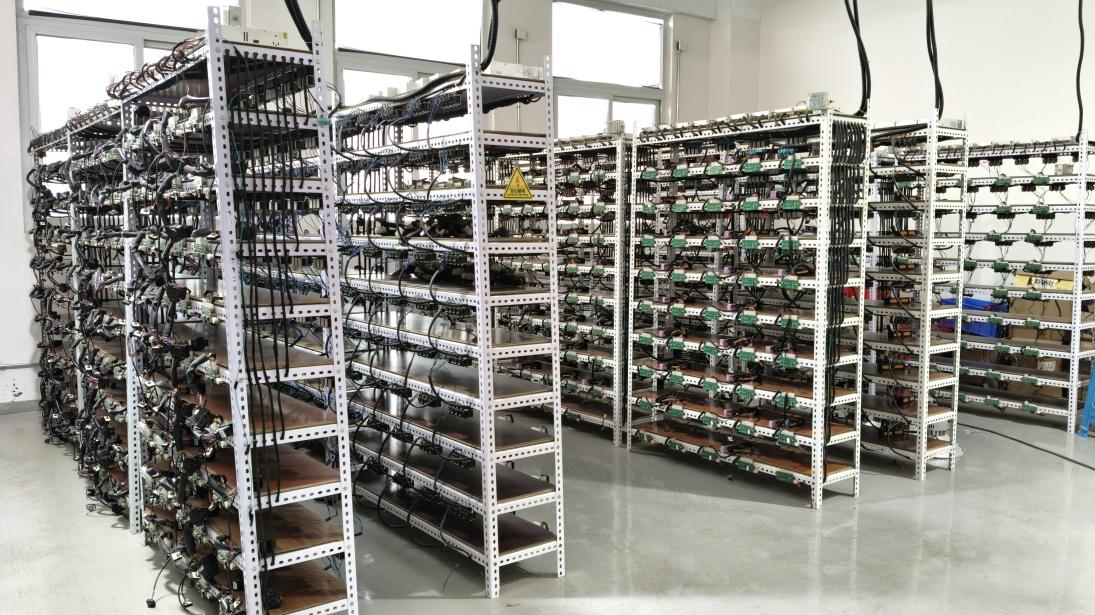
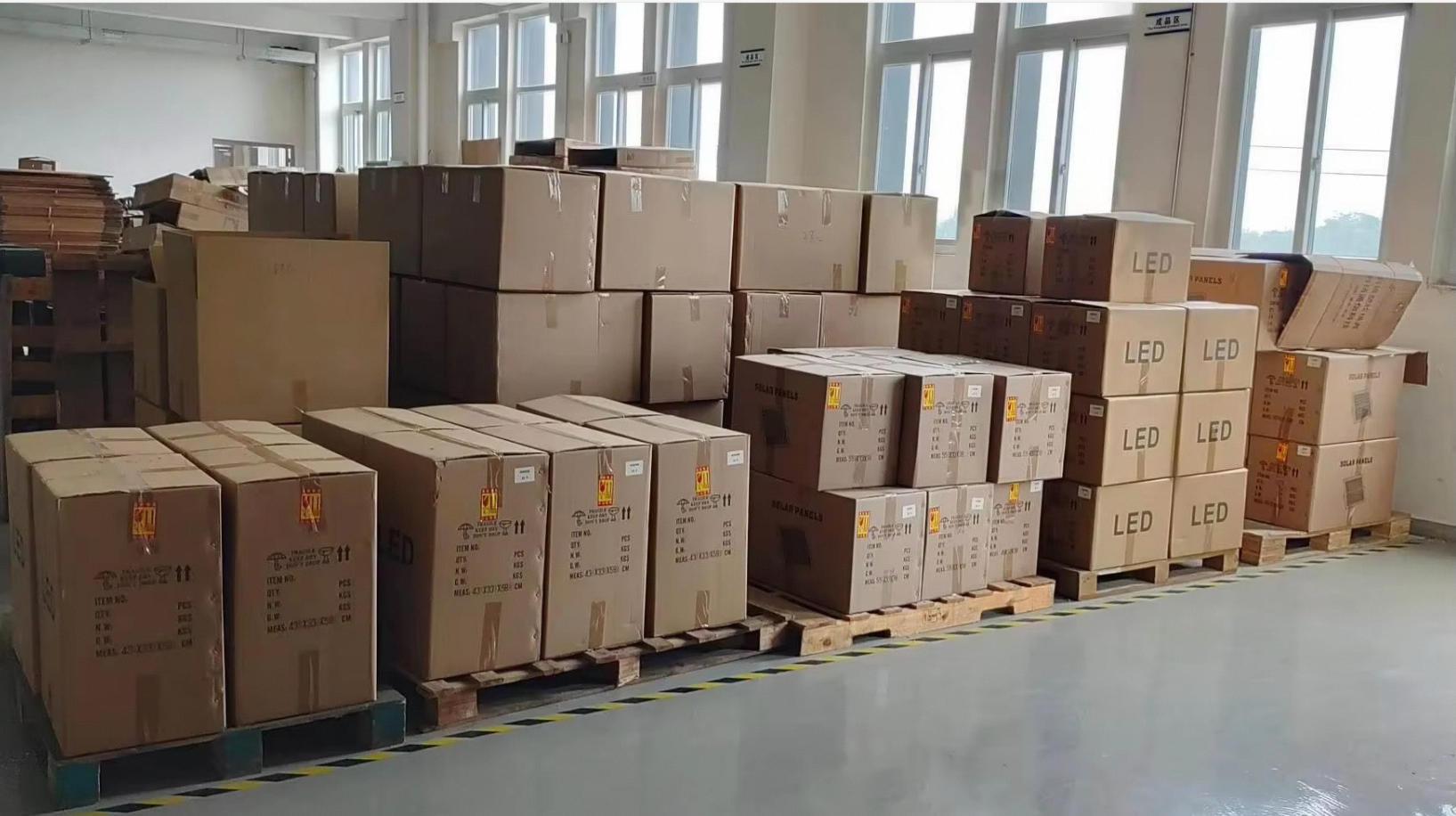
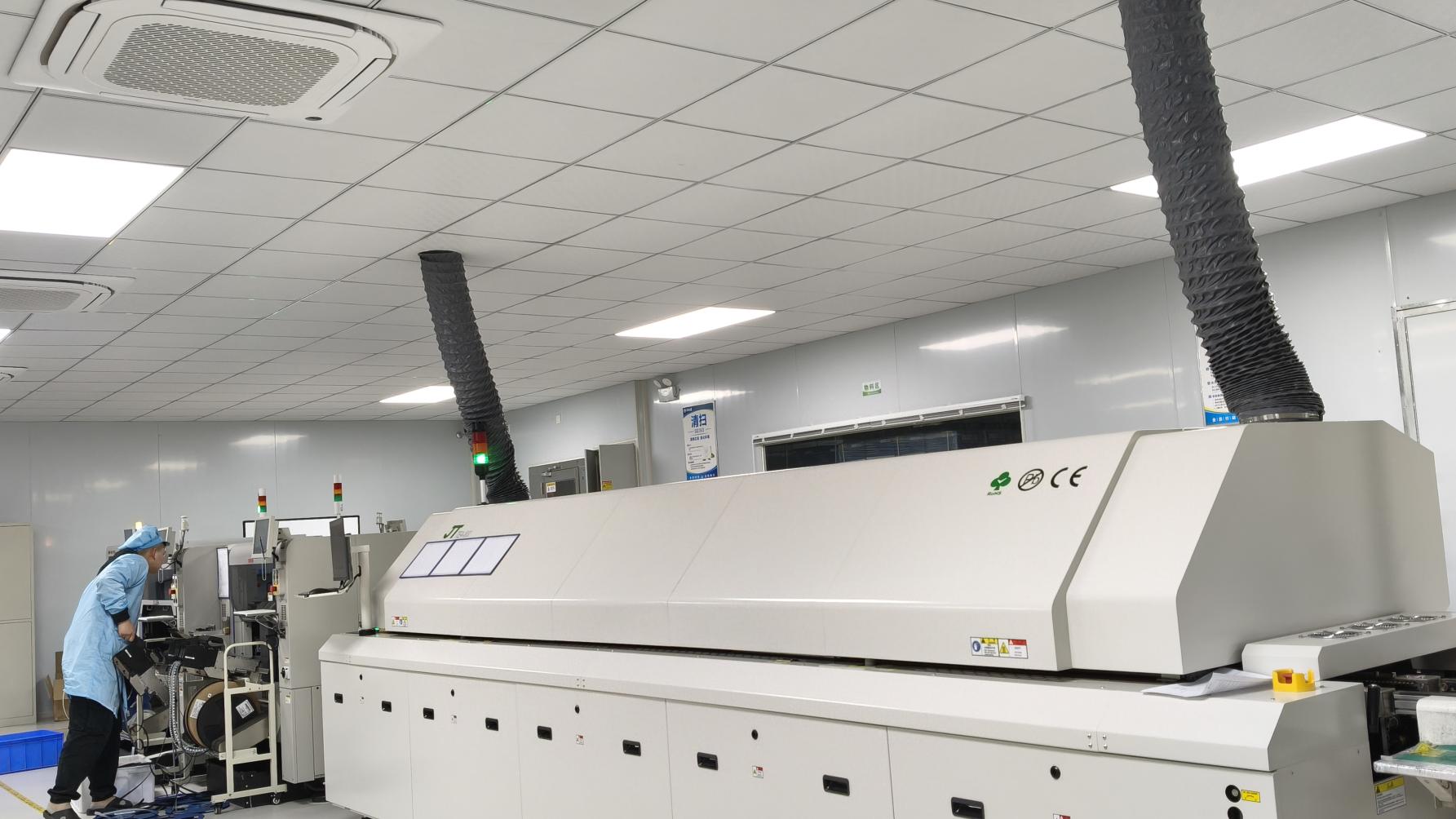
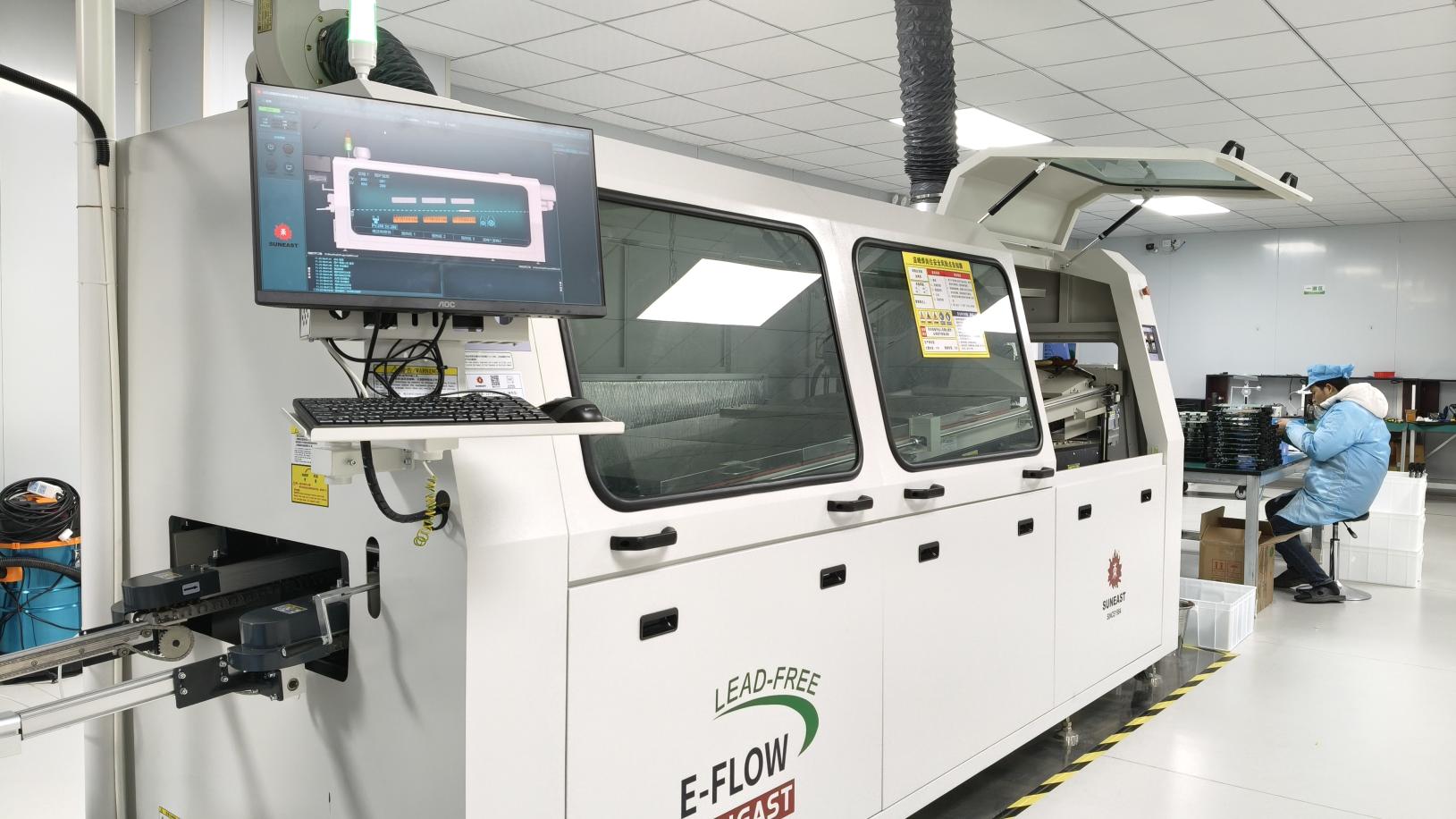
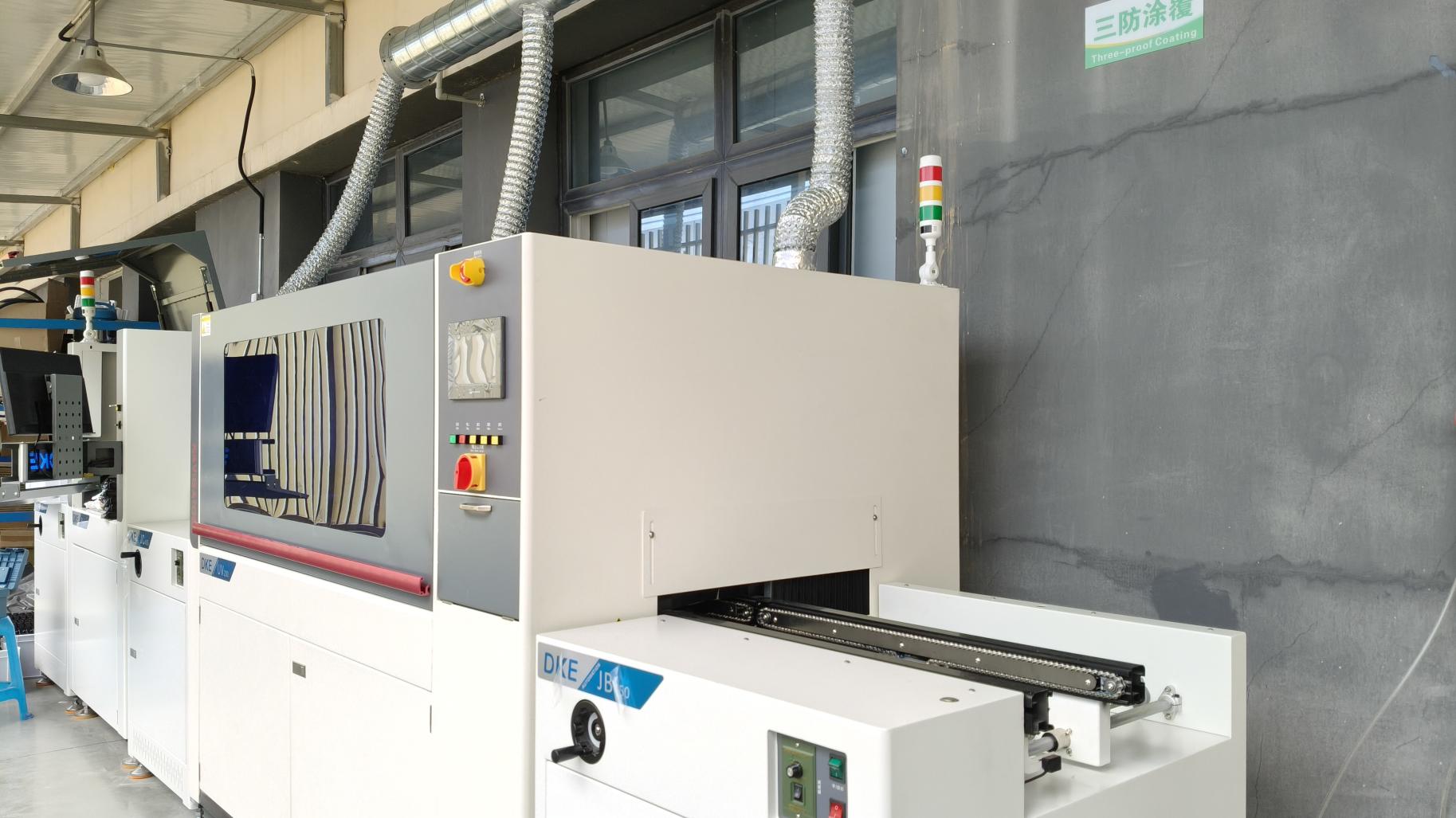
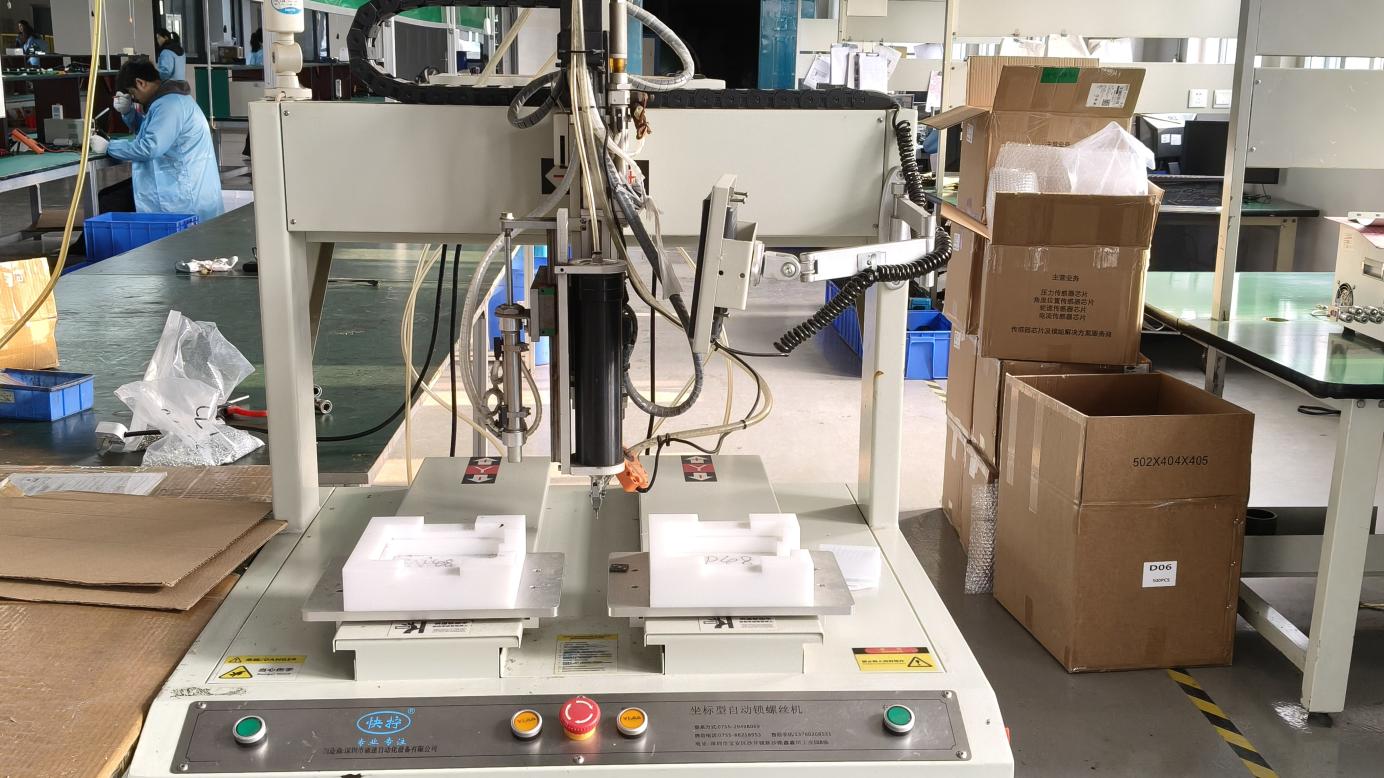
Bridging the gap between active safety lighting, ecological sustainability, and smart IoT control systems.
Detailed answers to direct queries concerning industrial LED specifications, thermal architectures, and compliance standards.
CE certification proves that a safety lighting product meets key European safety, health, and environmental standards. For commercial operators, it guarantees the luminaire complies with Low Voltage (LVD) and Electromagnetic Compatibility (EMC) regulations, protecting against electrical shocks, fire hazards, and electromagnetic interference with other critical plant equipment.
IP (Ingress Protection) ratings define dust and water resistance. IP65 protects against dust ingress and low-pressure water sprays from any direction. IP66 protects against high-pressure water jets, making it ideal for marine decks or heavy washdown zones. IP67 protects against temporary immersion in water up to 1 meter for 30 minutes, securing lights in areas prone to seasonal flooding or heavy pooling.
IK ratings evaluate resistance to external mechanical impacts. An IK08 rating indicates safety lights can withstand up to 5 joules of impact energy (the equivalent of a 1.7kg mass dropped from 300mm), preventing casing breakage and component failures caused by falling objects or accidental mechanical bumps.
We use high-purity die-cast aluminum heat sinks paired with professional thermal interface materials (TIM). This setup directs heat away from the LED chips, maintaining junction temperatures below critical limits. Proper thermal management prevents color shifts, maintains light output, and preserves driver life.
Yes. Through our OEM and ODM services, we configure luminaires for specific climates. We use specialized LED drivers, silicone gaskets, and robust thermal engineering to ensure stable operations in environments ranging from cold storage facilities (-40°C) to high-temperature industrial plants (+60°C).
We conduct strict quality checks at every production stage. This includes Automated Optical Inspection (AOI) after SMT, wave soldering quality checks, three-proof protective coatings on the PCBs, automated screw assembly for consistent sealing, and a mandatory aging test to catch any early component failures before packaging.
High-quality, reliable, and energy-efficient lighting products designed for public infrastructure, commercial sites, and industrial projects.
 Lili Light