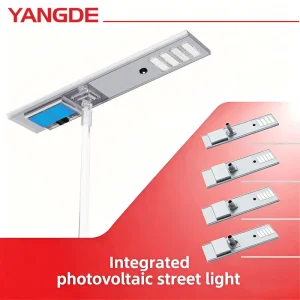
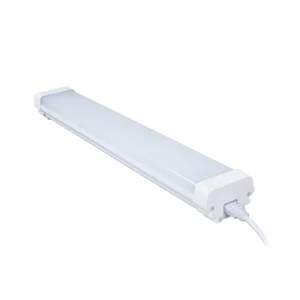
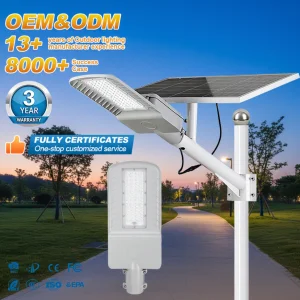
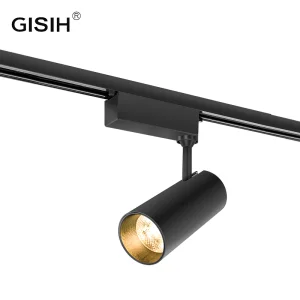
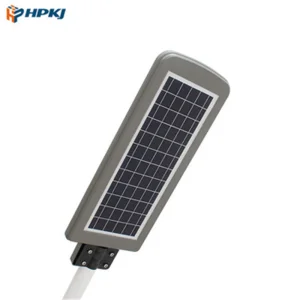
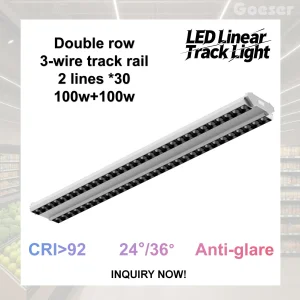
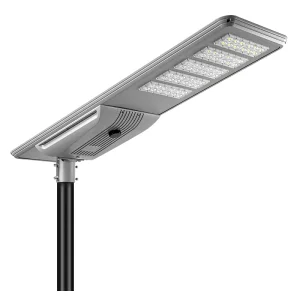
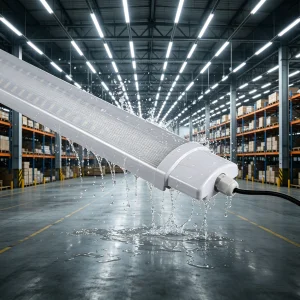
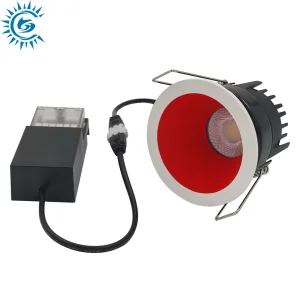
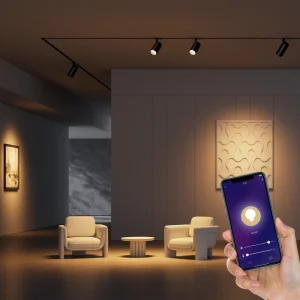
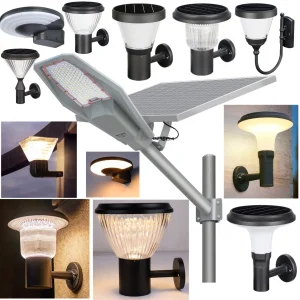
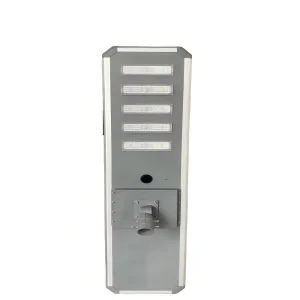
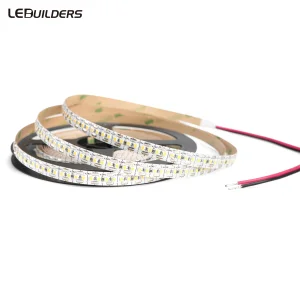
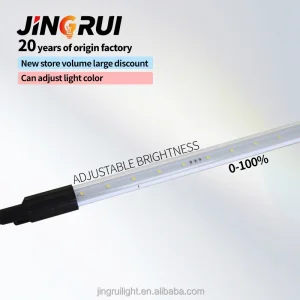
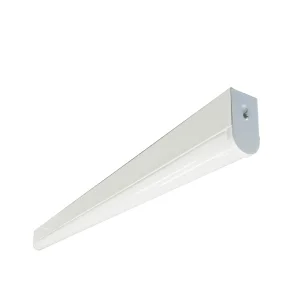
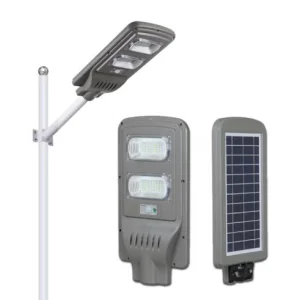
Discover our primary lineup of highly configurable B2B commercial shelf fixtures, public-space lighting, and high-performance LED modules.
In modern commercial environments, lighting is no longer merely a utility—it is a critical driver of customer engagement, spatial identity, and conversion optimization. As smart retail, high-end hospitality, and curated exhibition galleries evolve, the integration of light directly into display structures—specifically shelf systems—has transformed from a design trend into a core operational standard. The global B2B procurement market for custom LED shelf systems and specialized aluminum profile housings has experienced an unprecedented surge, largely driven by the demand for slim-line, high-efficacy, and thermally stable components.
China's manufacturing sector stands at the epicenter of this shift. As a primary source for wholesale LED light shelf manufacturing, Chinese factories have transitioned from basic contract assemblers into key R&D partners. This evolution is underpinned by advanced surface-mount technology (SMT), automated optical inspection (AOI) protocols, and customizable extrusion lines. Today’s global sourcing directors—spanning regions from Europe and North America to South America and the Middle East—require suppliers capable of providing not just components, but fully certified systems that integrate seamlessly with local structural frameworks and electrical standards.
From a commercial design perspective, shelf-level lighting addresses a critical limitation of traditional overhead fixtures: shadows. When overhead downlights project downwards, intermediate shelves cast deep shadows on products below, diminishing visual appeal and distorting color accuracy. Integrated shelf illumination projects uniform, diffuse light directly onto the product face. This proximity reduces the distance light must travel, maximizing the lux delivery to the product packaging while consuming a fraction of the energy.
Furthermore, modern search quality guidelines emphasize real-world utility and user intent. For a commercial builder or retail chain owner, the primary intent is minimizing the Total Cost of Ownership (TCO) while elevating the shopper's visual experience. This translates to an urgent demand for system reliability, color consistency, and straightforward installation mechanisms (such as magnetic mount brackets or quick-connect daisy chain cables).
The engineering behind high-performance LED shelf lighting is diverse and requires precise material science. At Zhejiang Lili Light Co., Ltd., our technical department categorizes the engineering lifecycle of these fixtures into four main pillars:
Unlike open-air fixtures, shelf-bound LED systems are frequently enclosed in tight wooden, glass, or composite niches. Without active airflow, thermal buildup degrades the LED chips, leading to rapid lumen depreciation and color shifting. The foundation of a reliable fixture is a high-purity, anodized aluminum profile (such as 6063-T5 alloy). The extrusion profile serves as a passive heat sink, drawing heat away from the PCB. For critical industrial applications, our designs incorporate thin-wall thermal pathways that maintain the junction temperature of the LED chips below 65°C, ensuring a lifespans exceeding 50,000 hours (L70/B50 rating).
To prevent harsh glares and uncomfortable reflections on reflective product packages (such as glass cosmetic jars or metallic cans), optical diffusers are integrated into the profile design. We utilize PMMA (Polymethyl Methacrylate) and PC (Polycarbonate) diffusers engineered with micro-prism structures. These diffusers disperse point-source light from individual SMD or COB components into a smooth, seamless linear glow.
Accurate color representation is critical for driving purchase intent. Traditional LED light strips often display washed-out reds and unnatural skin tones due to poor spectral distribution. Zhejiang Lili Light addresses this by manufacturing systems featuring a high Color Rendering Index (CRI > 90, with R9 red values > 50). For highly specialized displays, we utilize custom TM-30-18 certified spectra that enrich saturation and natural tone fidelity without shifting the target correlated color temperature (CCT).
The application profile of shelf-bound linear lighting changes dramatically based on the target industry sector. A generic, one-size-fits-all approach typically fails to meet the strict regulatory and aesthetic standards of professional projects. Below, we examine the primary commercial scenarios:
High-volume retail requires durable, impact-resistant fixtures (often IK08 rated) capable of continuous 24/7 operation. Magnetic installation brackets enable rapid reconfiguration of shelves during promotional resets. These systems prioritize high luminous efficacy (up to 120 lm/W) to minimize global energy footprints.
Luxury cosmetics demand ultra-high color fidelity (CRI>95) to accurately show skin-tone products. The lighting must also generate minimal heat to prevent damage or chemical separation in delicate perfume and cream formulations. Dimmable options (DALI or 0-10V) allow designers to create custom visual moods.
Preserving artifacts requires zero ultraviolet (UV) and infrared (IR) emissions. Linear shelf lights for museums must feature precise optical beam cut-offs to illuminate items without spilling glare onto glass displays. Advanced options support customizable focal adjustment for variable display depths.
Explore our state-of-the-art production facilities, highlighting our end-to-end manufacturing process and rigorous quality control systems.
Zhejiang Lili Light Co., Ltd. is a professional manufacturer and exporter specializing in premium LED lighting products and integrated systems. Since our inception, we have consistently invested in advanced production tech, product development, and rigorous quality control systems. Backed by a skilled engineering team, modern production machinery, and strict assembly protocols, we have built long-term partnerships with commercial distributors and project developers across Europe, South America, Southeast Asia, and the Middle East.
Our product portfolio covers a wide range of indoor and outdoor lighting applications, including residential, commercial, industrial, and public projects. From modern indoor lighting products such as downlights, spotlights, bulbs, panel lights, ceiling lights, and track lights to outdoor floodlights, wall lights, and solar-powered lighting solutions, we provide customers with comprehensive lighting options that combine functionality, durability, and aesthetic design.
Quality and customer satisfaction are the foundation of our business. Every product undergoes rigorous inspection throughout the manufacturing process to ensure stable performance, energy efficiency, and long service life. We also offer flexible OEM and ODM services, helping customers develop customized products that meet their specific market requirements.
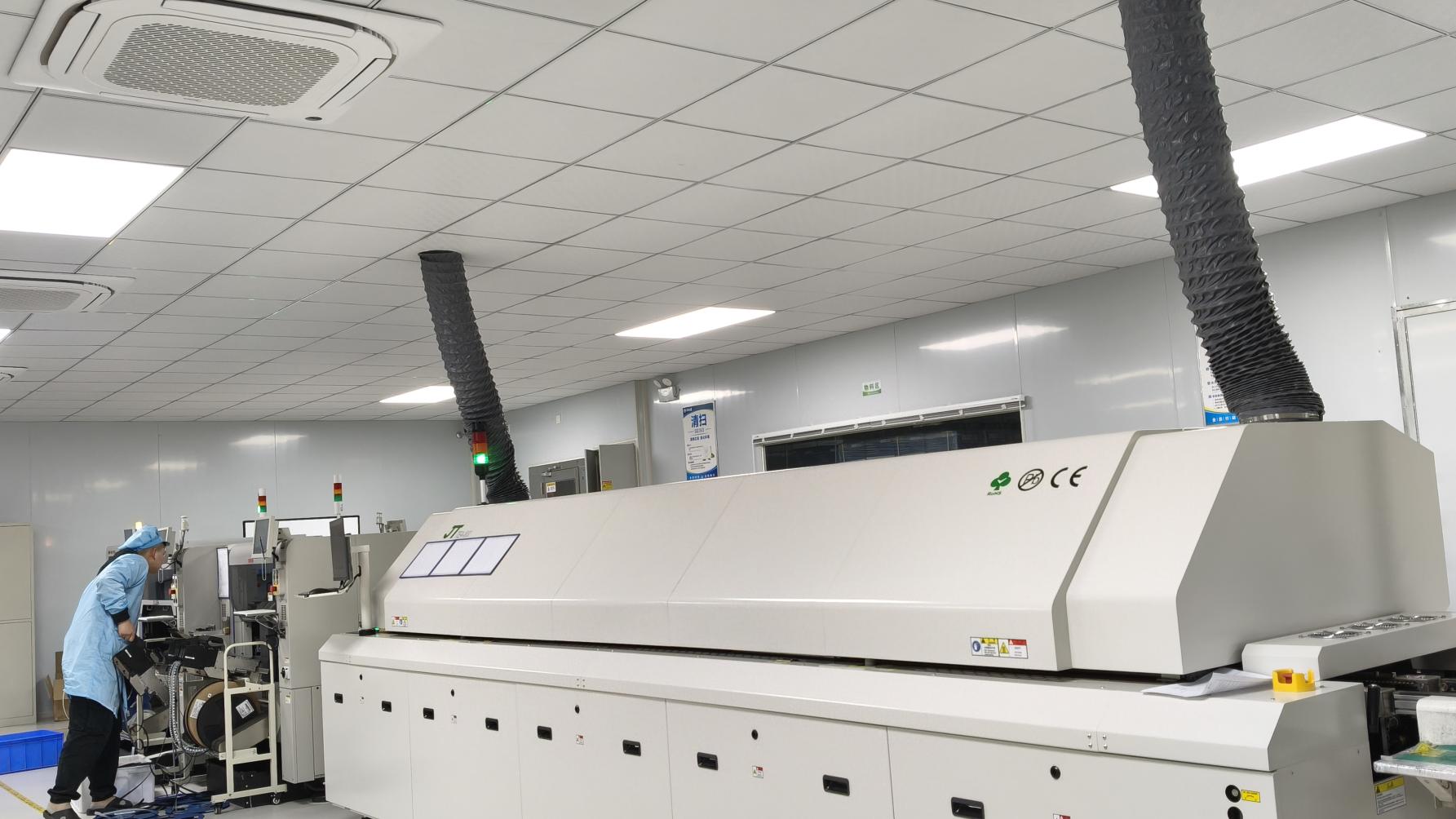
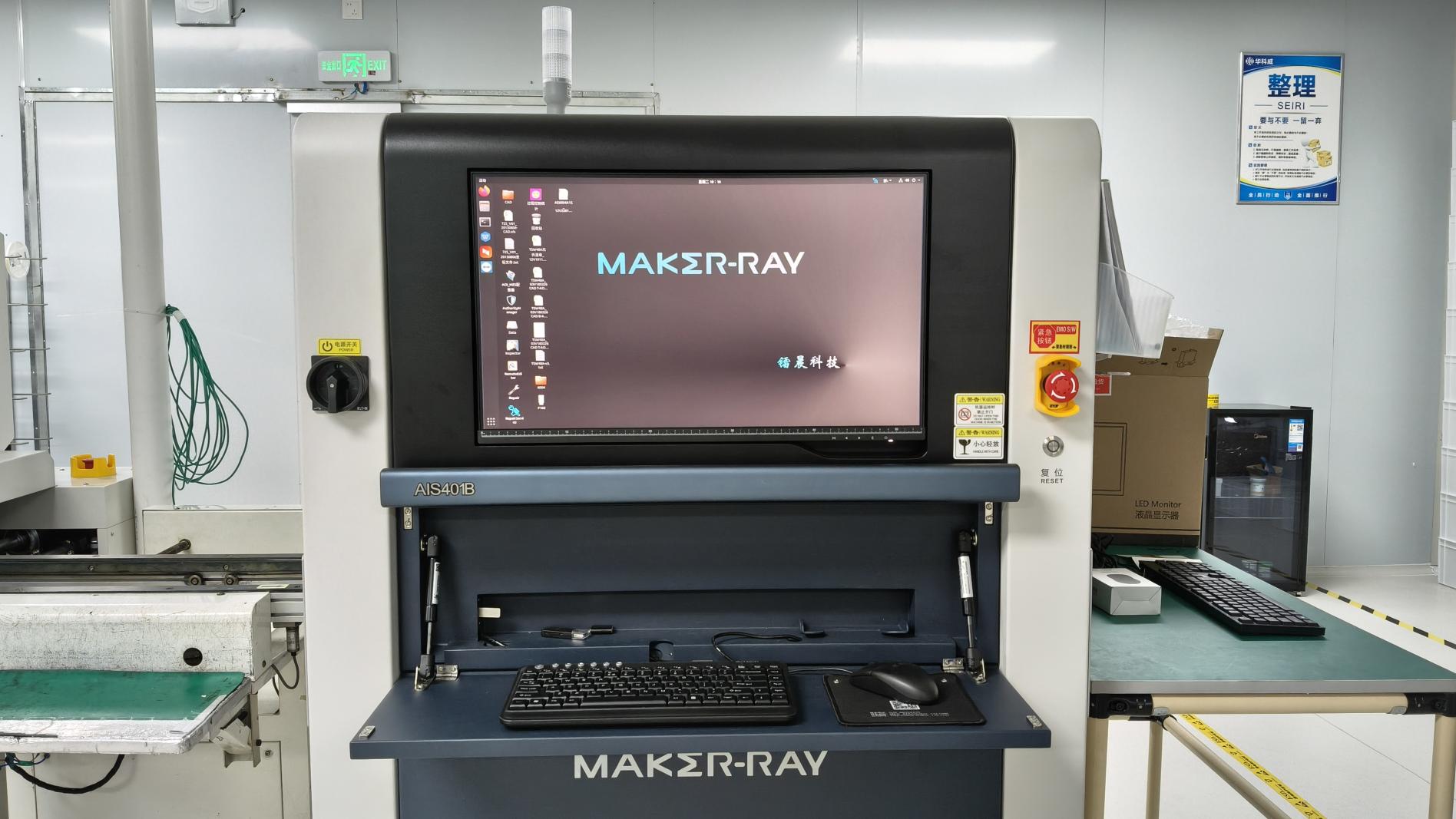
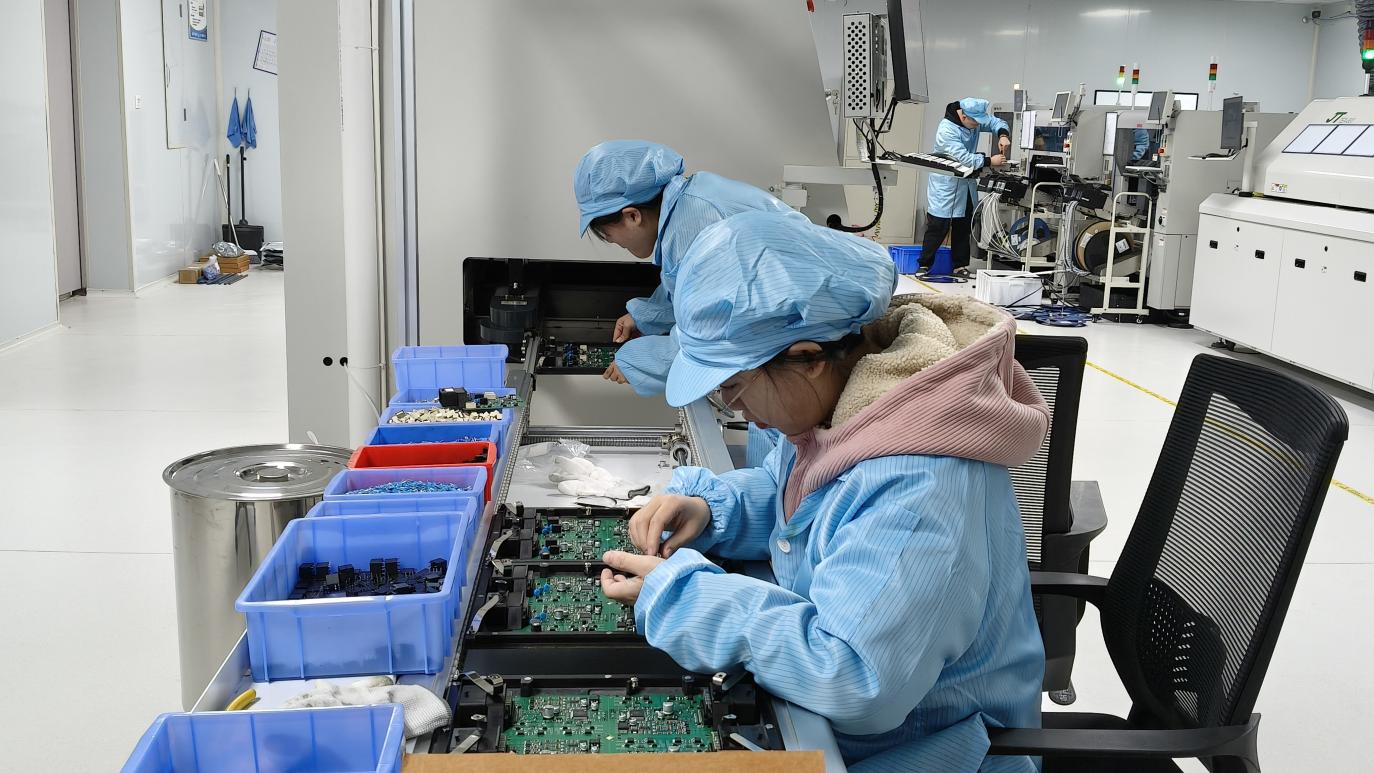
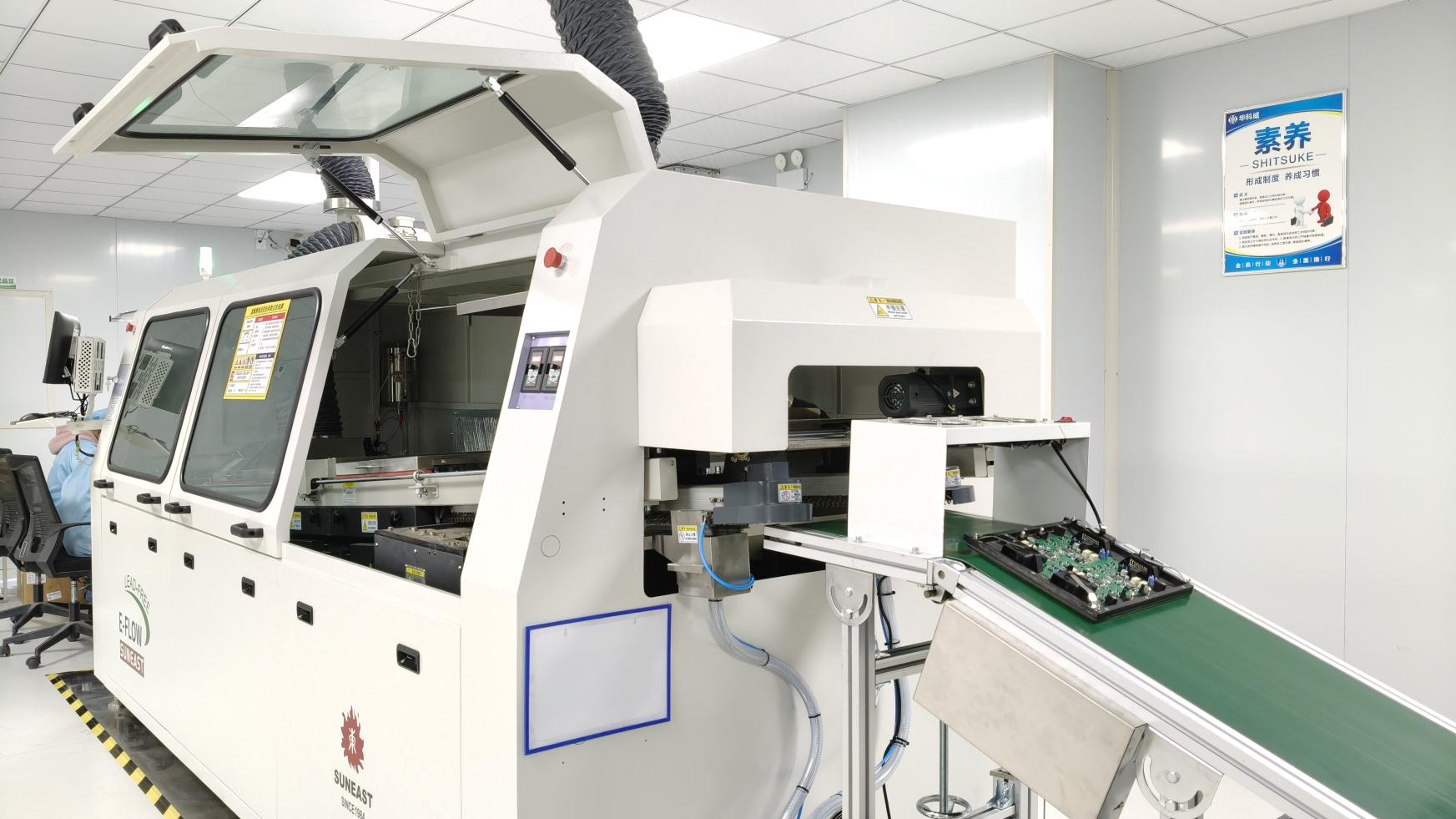
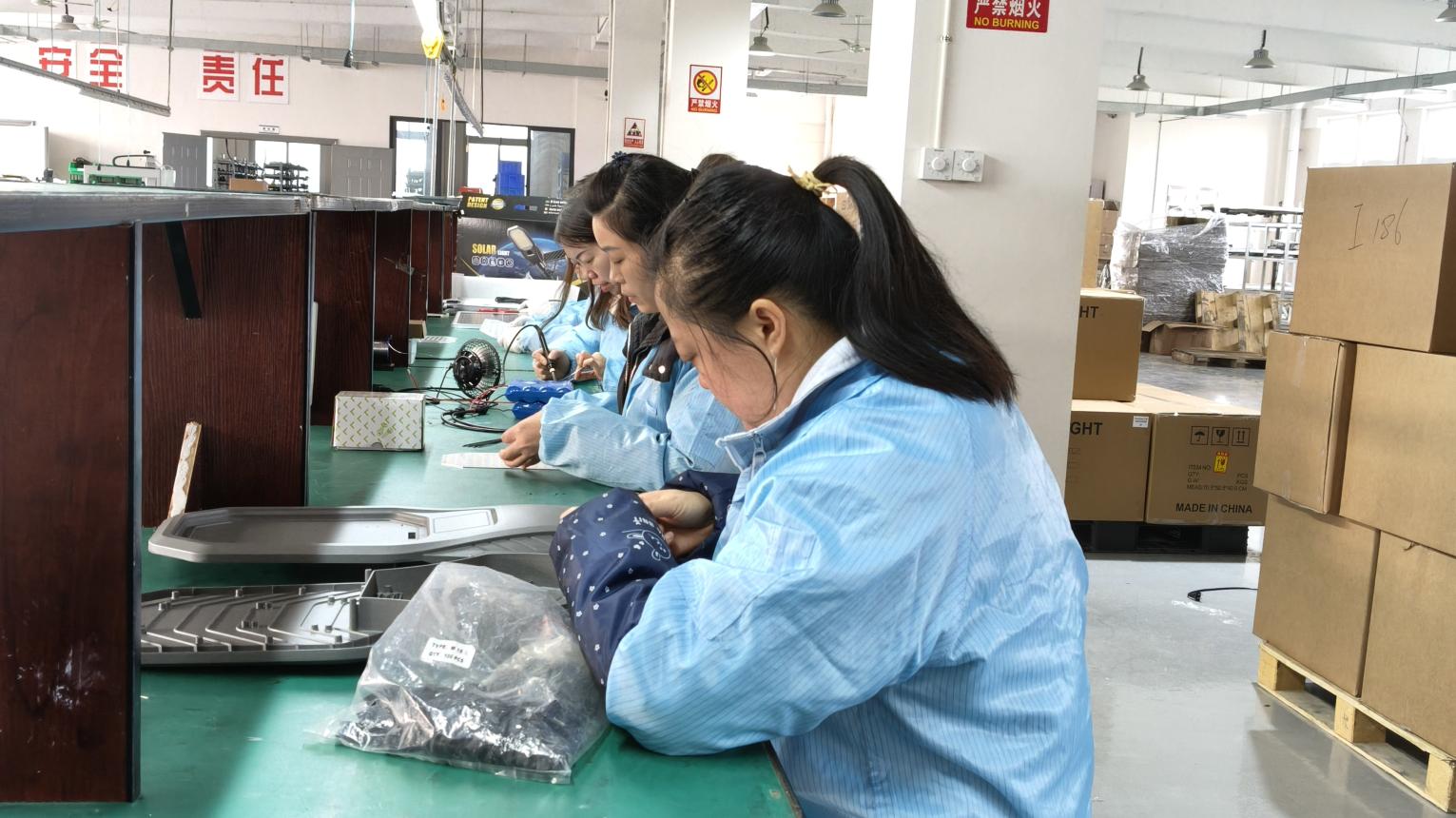
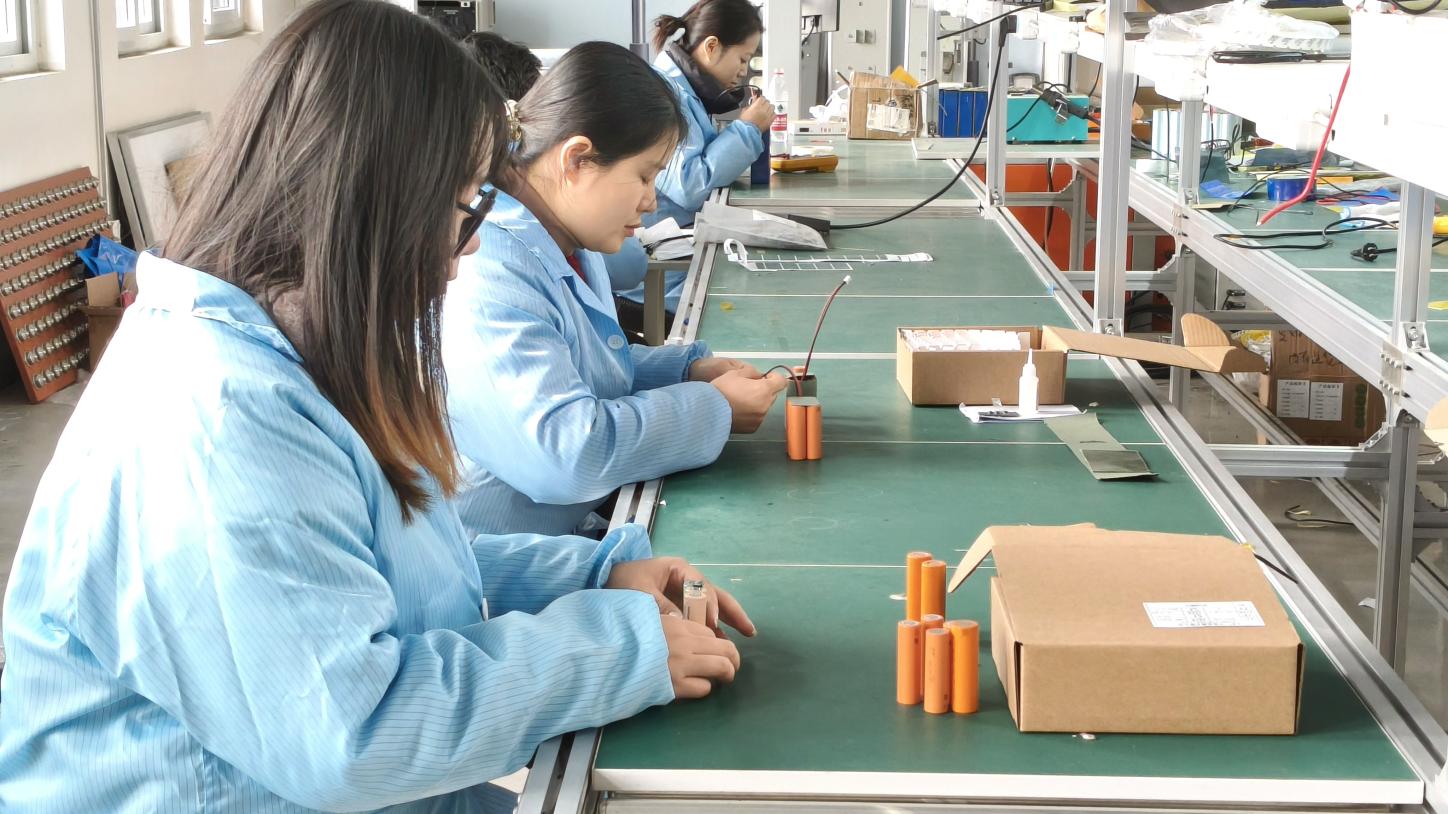
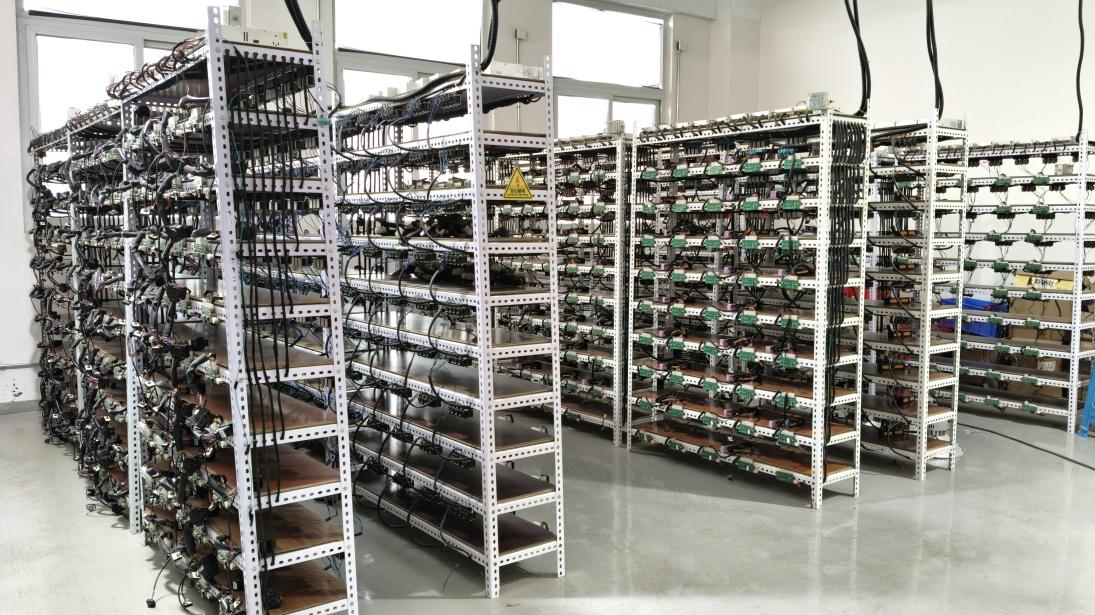
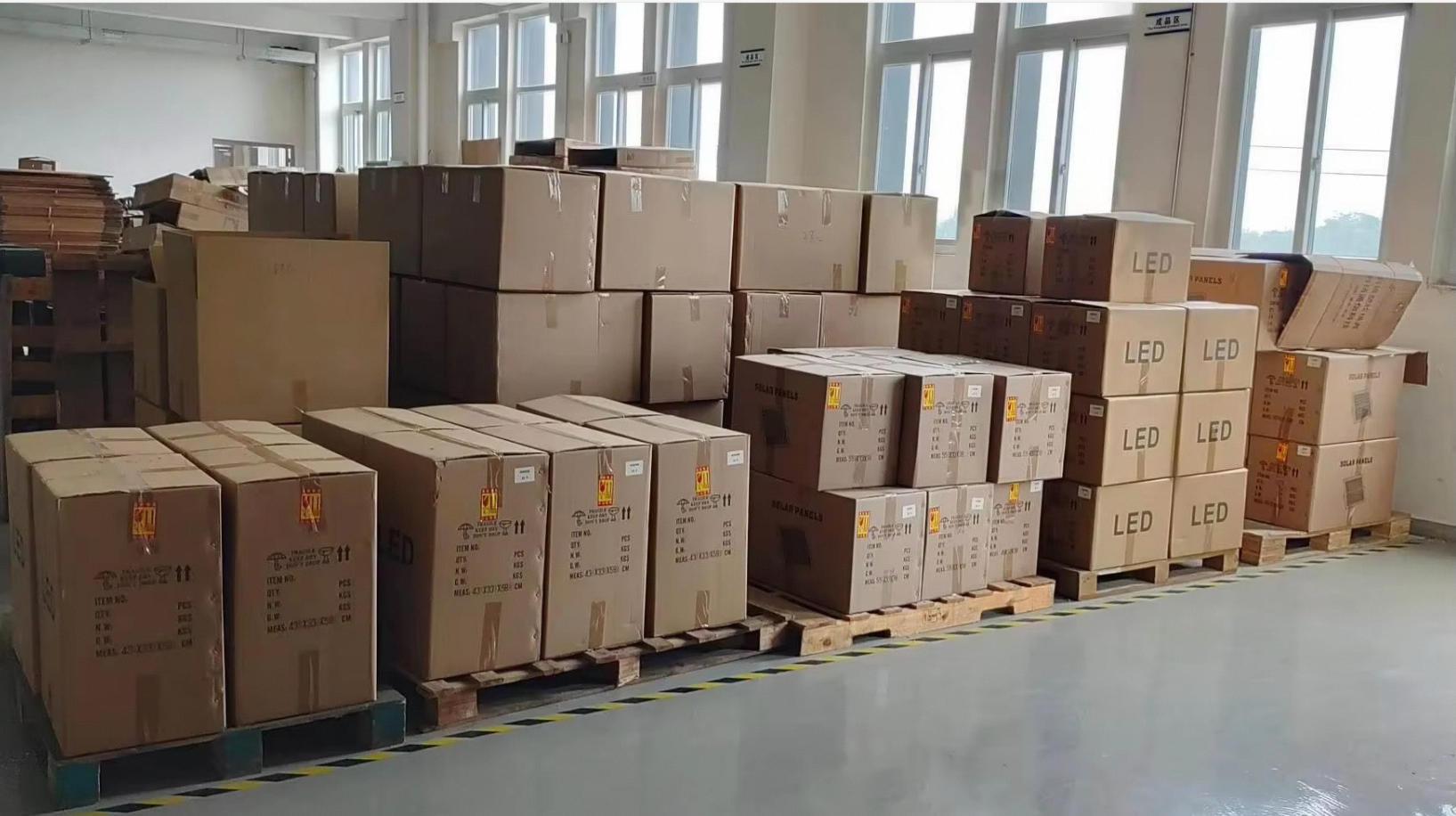
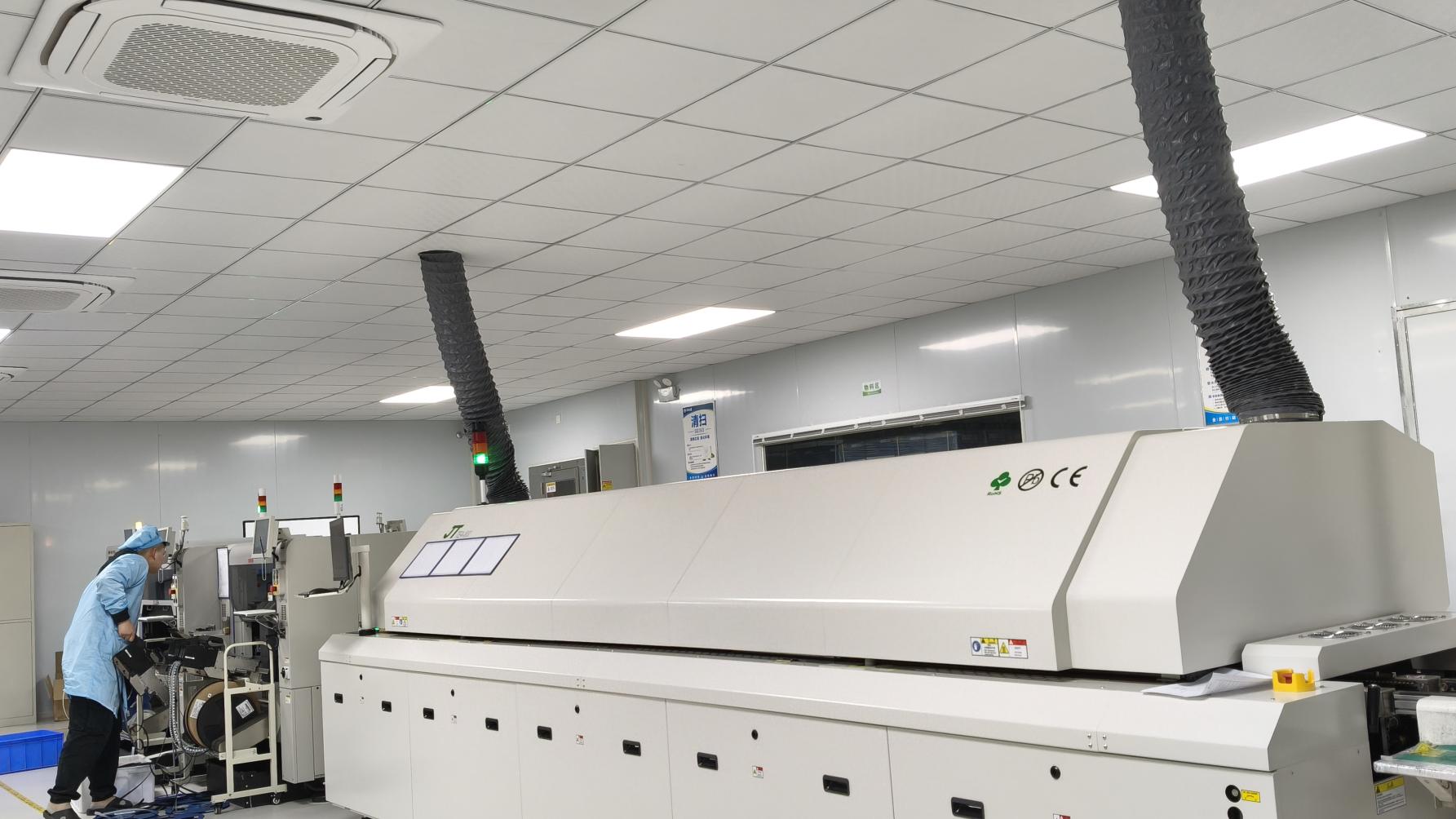
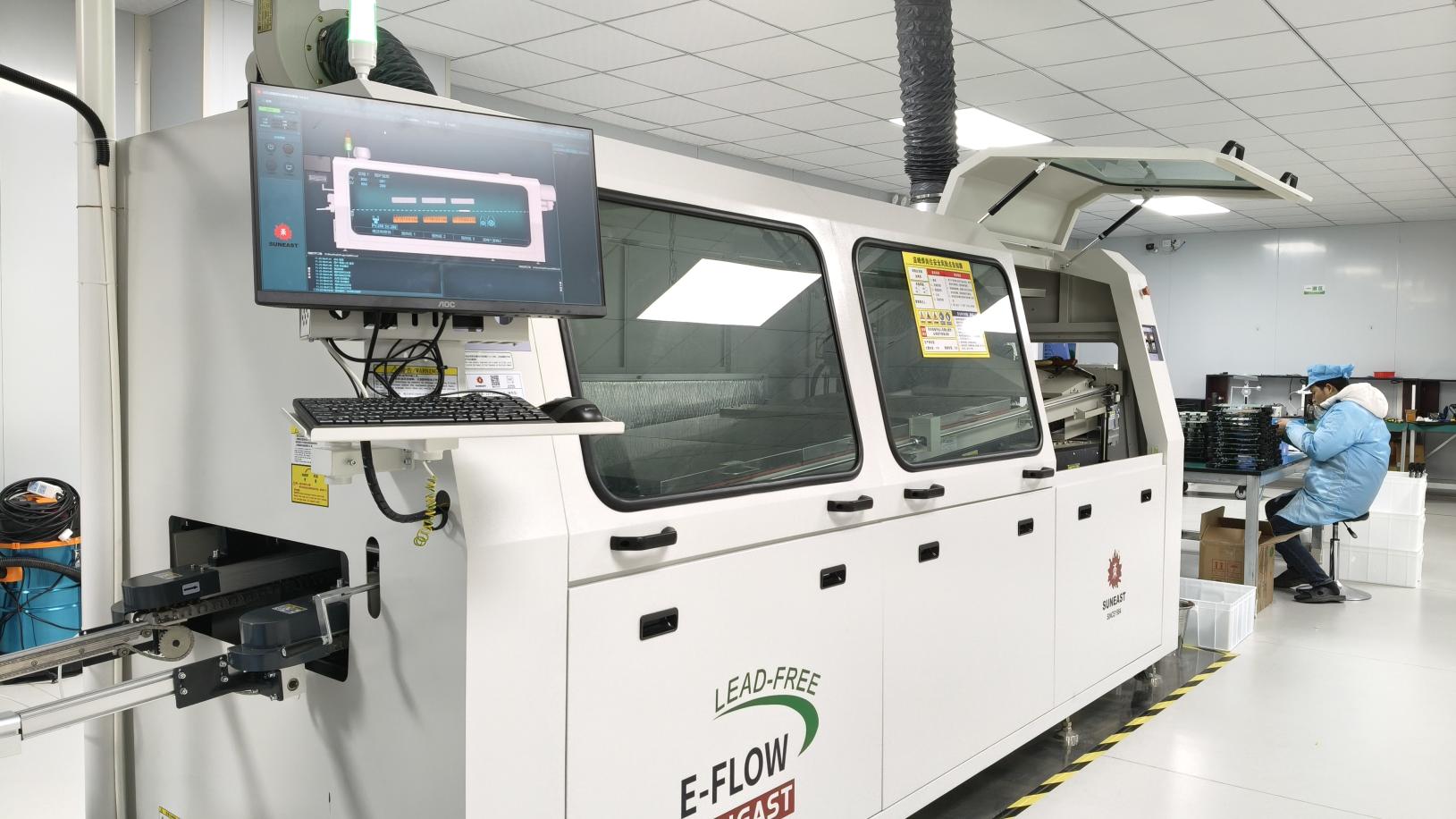
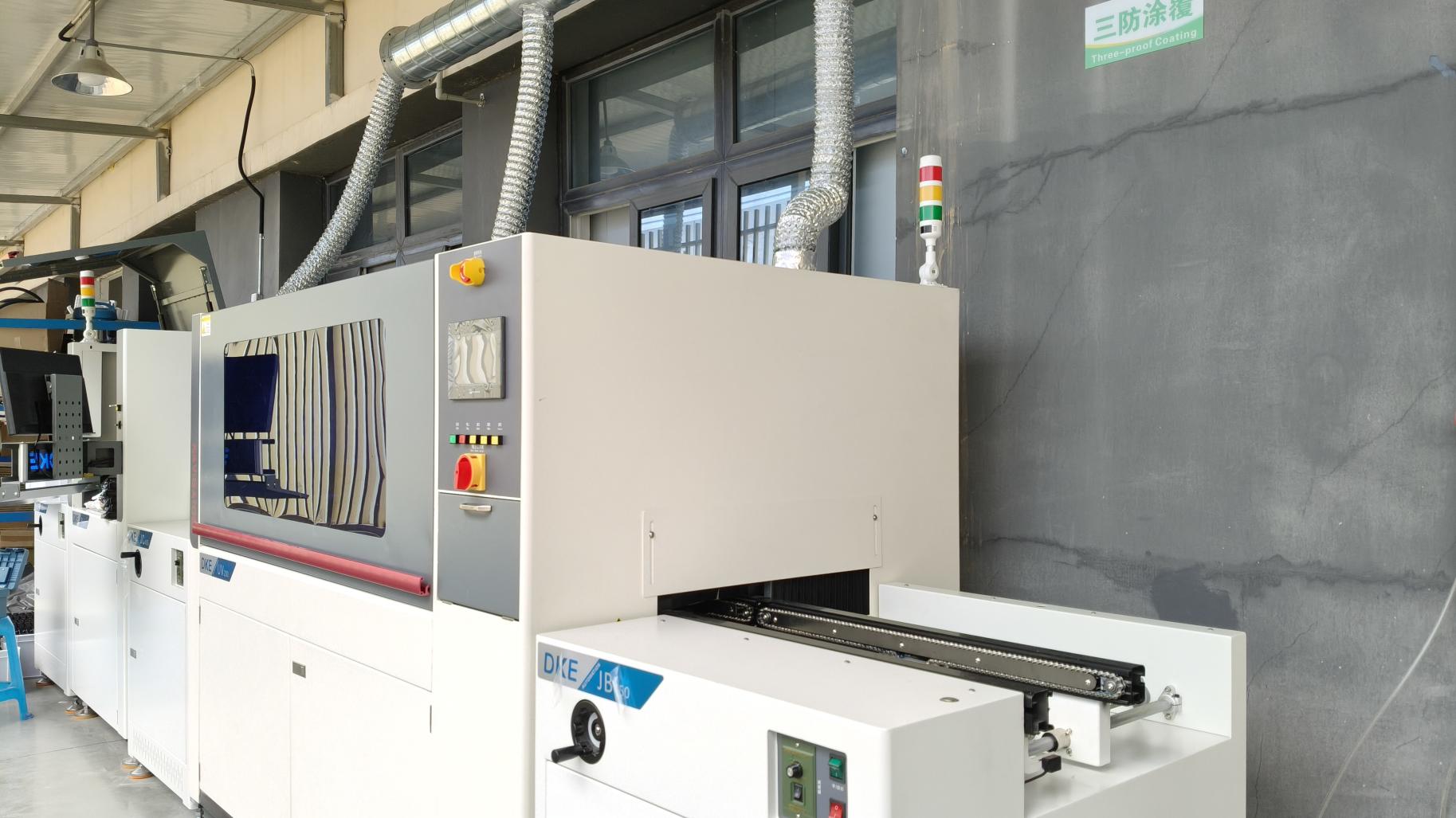

Manufacturing LED components that operate reliably for years inside warm, confined commercial cabinets requires comprehensive quality control. Our facility adheres to strict international standards to ensure our products perform reliably in any setting:
Expert technical insights to help B2B buyers, contractors, and lighting designers specify integrated LED shelf systems.
Discover more professional indoor and outdoor lighting systems designed to meet your project specifications.
 Lili Light