Explore our foundational high-performance fixtures engineered for demanding industrial, commercial, and agricultural environments worldwide.
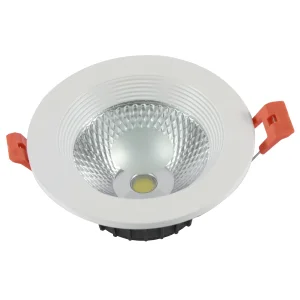
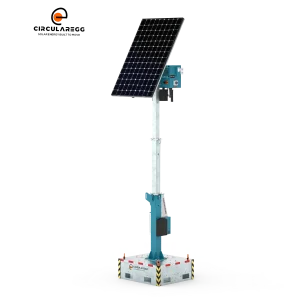
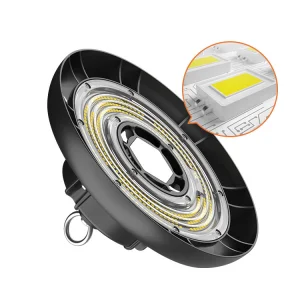
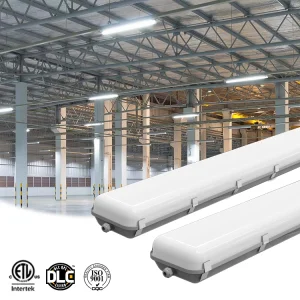
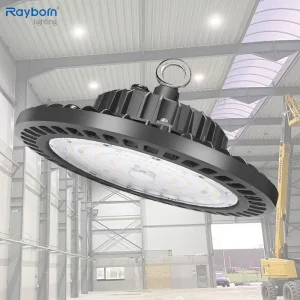
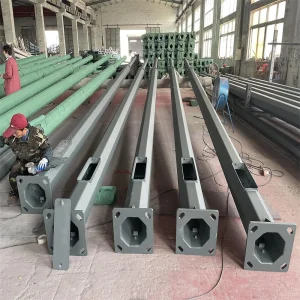
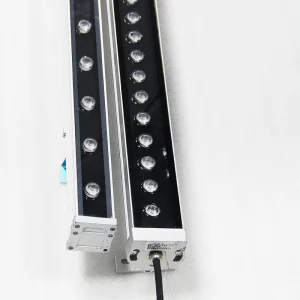
Leveraging advanced manufacturing engineering to deliver top-tier OEM & ODM lighting components and complete customized horticultural solutions.
Zhejiang Lili Light Co., Ltd. is a prominent, highly specialized manufacturer and exporter of advanced LED lighting fixtures, smart systems, and integrated horticultural solutions. Over decades of industrial expansion, we have evolved from a traditional luminaire manufacturer into a leading agricultural and industrial technology powerhouse. We deliver robust, energy-efficient, and structurally certified lighting architectures designed to maximize crop yield, minimize operating expenditure, and survive the demanding environments of modern vertical farming, commercial greenhouses, and industrial facilities.
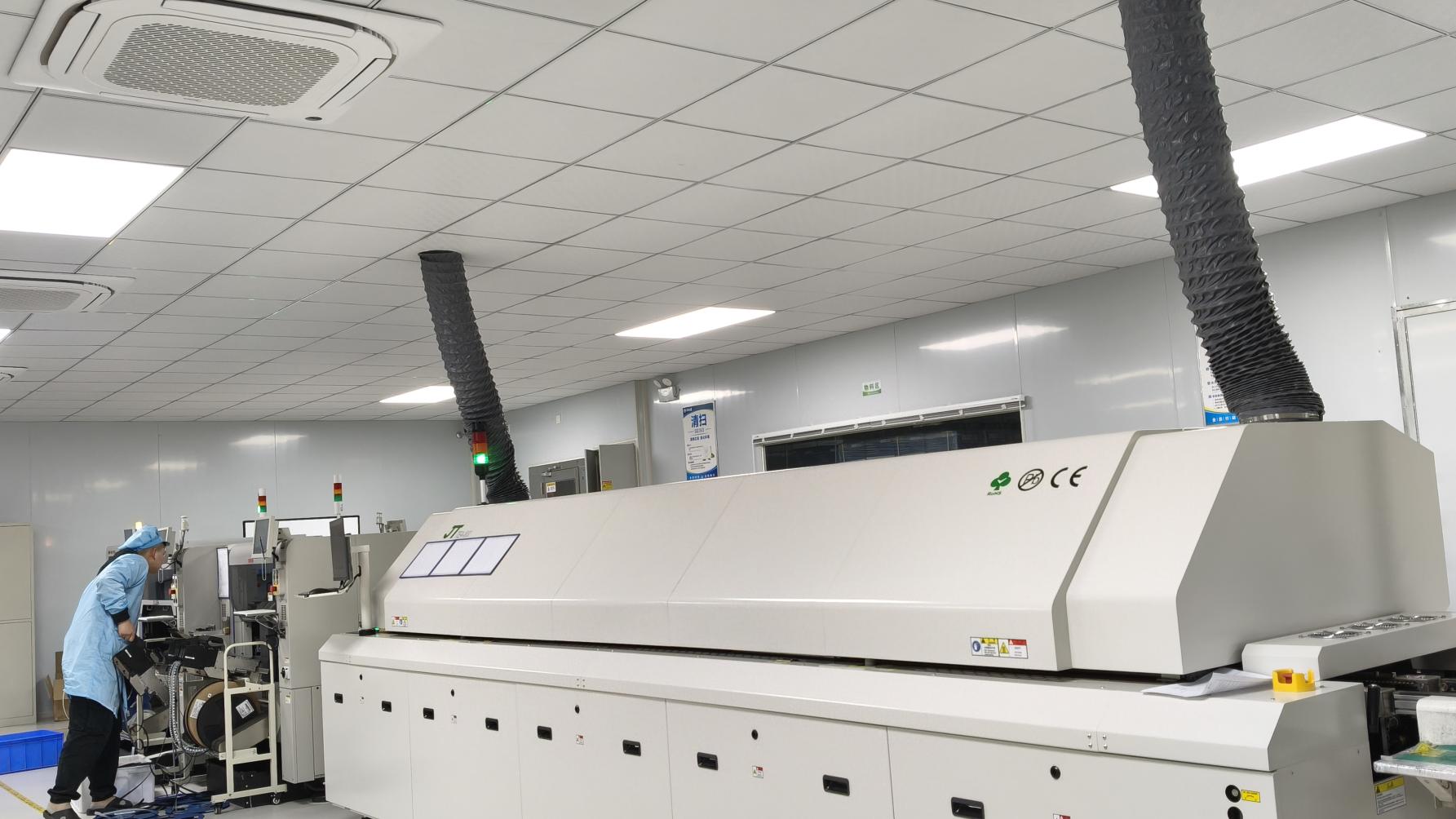
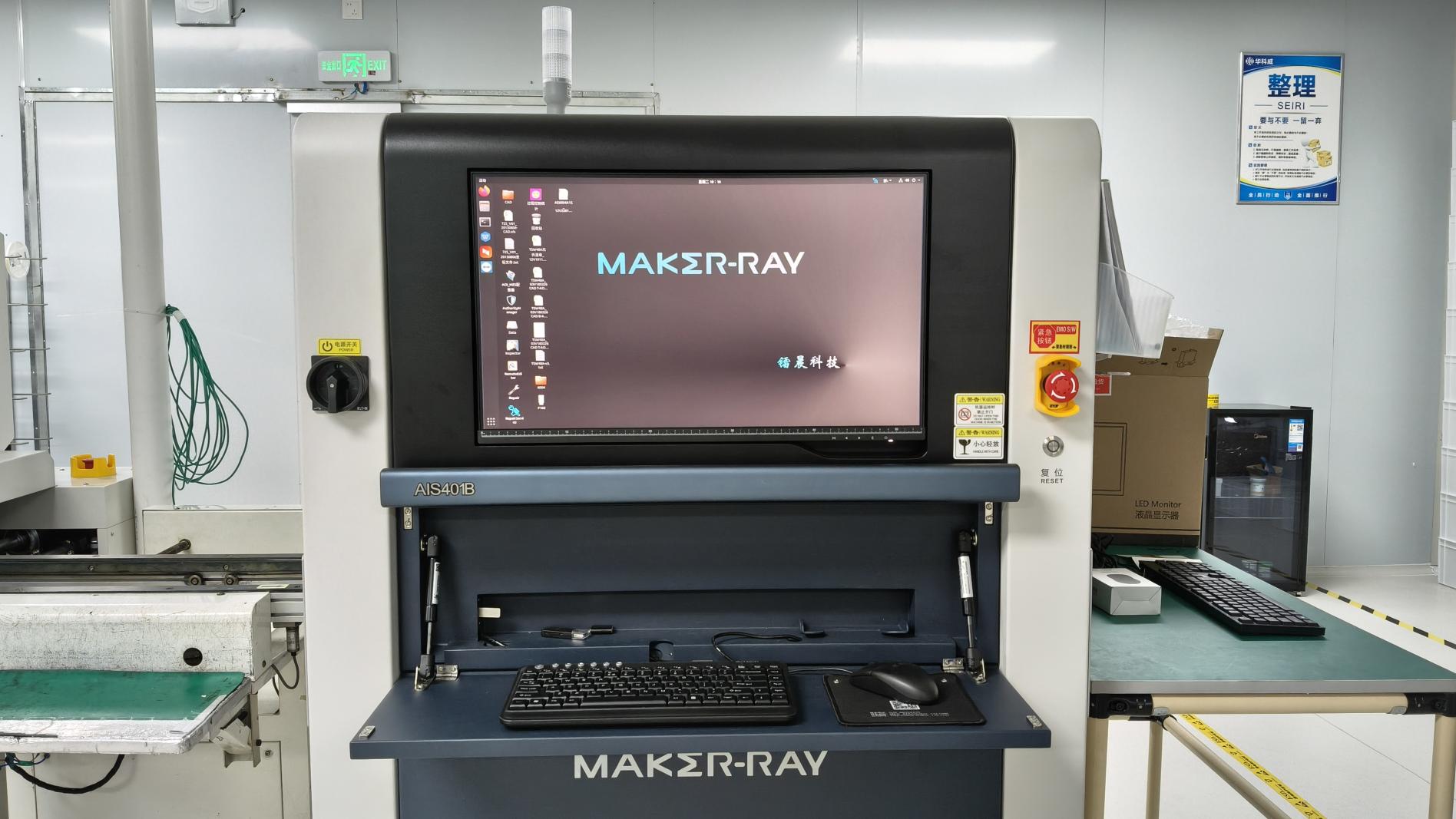
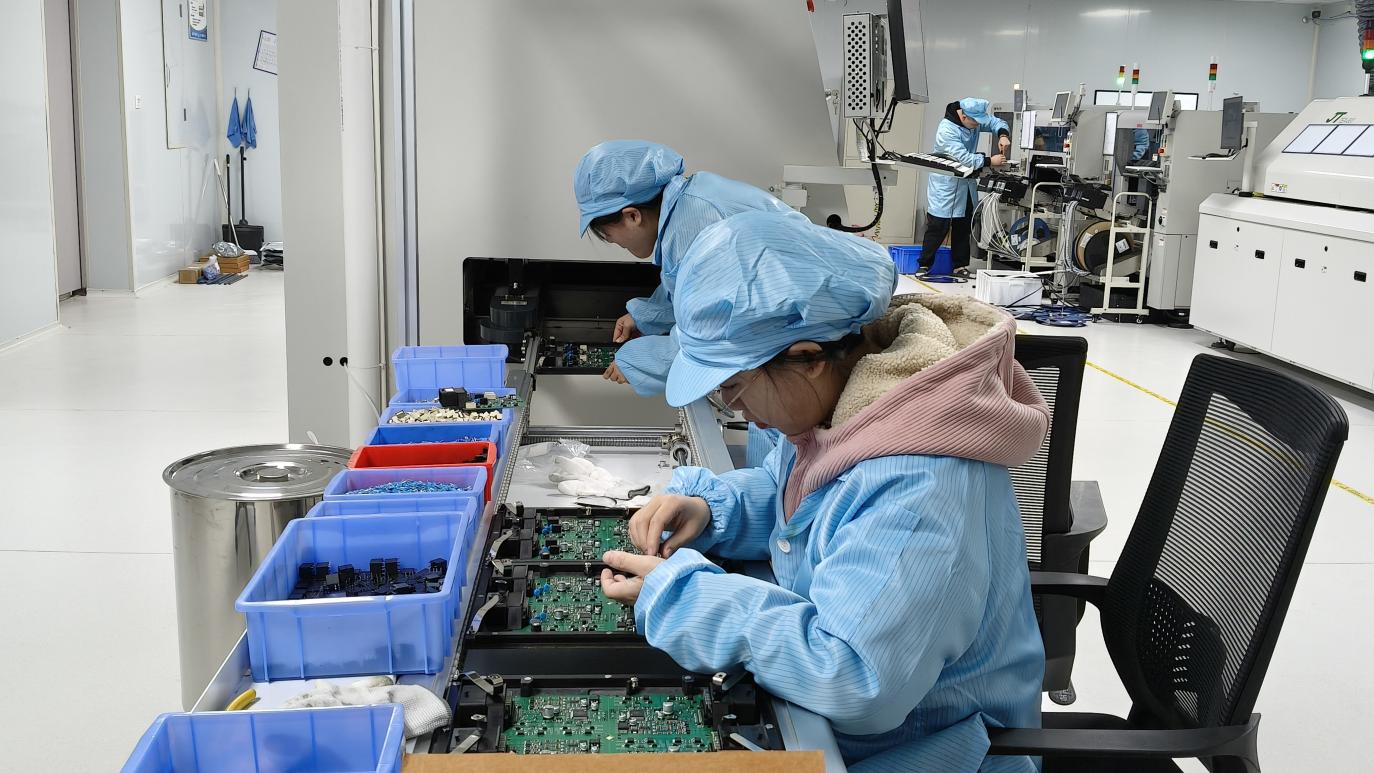
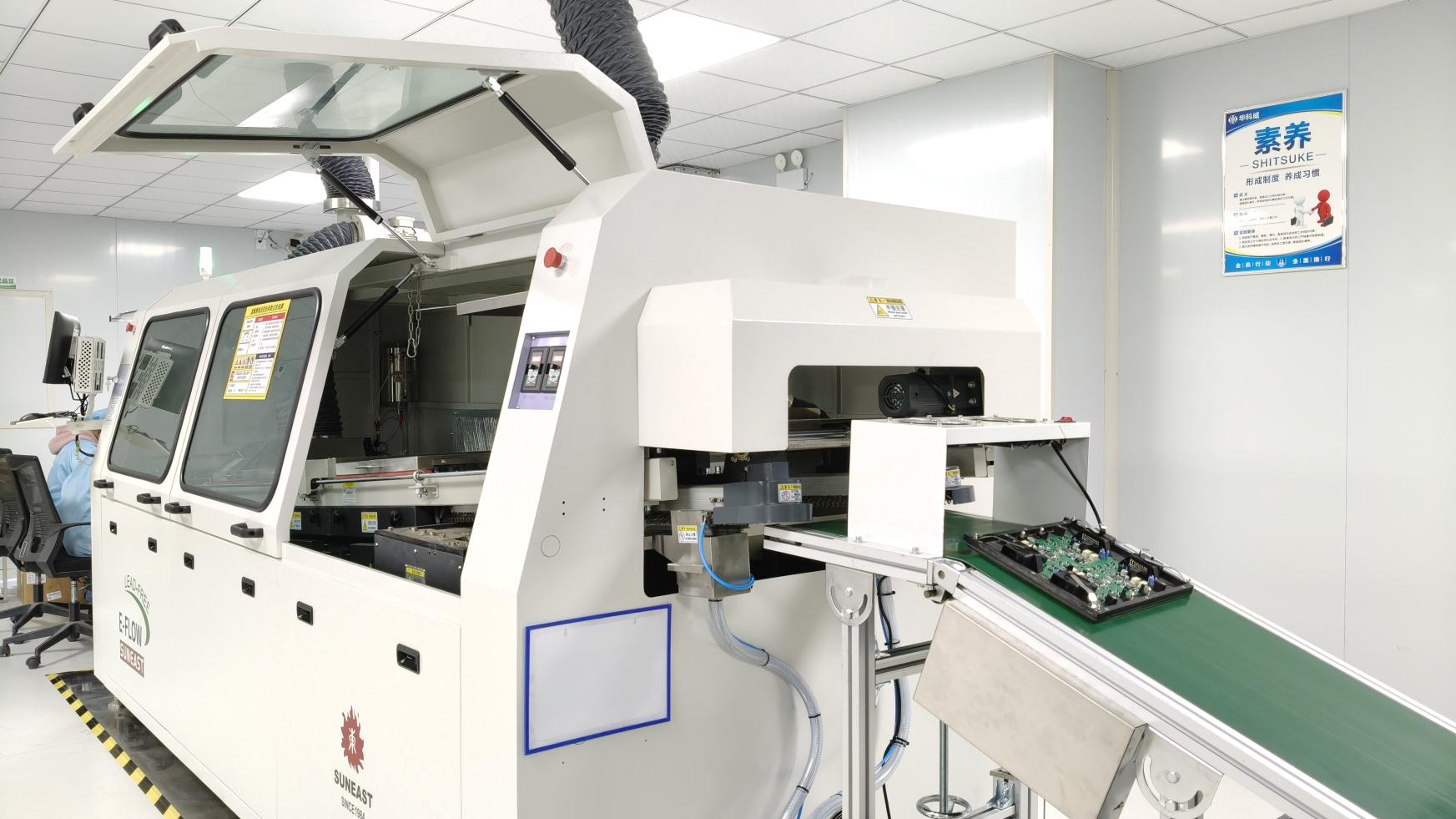
Backed by a highly credentialed research and development division, modern automated SMT production facilities, and an ISO-compliant quality management system, Zhejiang Lili Light Co., Ltd. has established deeply integrated supply networks spanning Europe, North America, South America, Southeast Asia, and the Middle East. Our growth is built upon a relentless pursuit of engineering excellence, enabling us to provide tailored OEM and ODM partnerships that align with the specific photometric, electric, and certification standards of regional markets worldwide.
"Our engineering philosophy bridges the gap between pure plant science (photobiology) and heavy-duty industrial fixture design. We do not just build lights; we engineer targeted photon distribution systems that directly influence crop morphogenesis, phytochemical accumulation, and overall commercial profitability."
From complex spectral recipes targeting specific crops to high-humidity IP66 enclosures, we provide commercial operators and distribution partners with a full suite of services, including custom optical design, thermal simulation modeling, rapid prototyping, and automated assembly. By combining our robust industrial light manufacturing pedigree (including high-bay, tri-proof, and commercial downlight architectures) with cutting-edge spectral tuning, we stand ready to support global agricultural enterprises in transitioning to highly efficient, sustainable solid-state horticultural lighting.
Operational data proving our industrial manufacturing scale and strict technological standards.
How our horticultural lighting architectures satisfy the diverse biological demands of modern global cultivation setups.
In high-latitude regions such as Northern Europe, Canada, and parts of the United States, natural sunlight fluctuates dramatically throughout the seasons, limiting consistent year-round crop production. Our high-power LED grow lights function as supplementary radiation systems. By integrating advanced optical lens arrays, our fixtures project photons deep into the crop canopy, bypassing dense leaf layers to maintain optimal Daily Light Integral (DLI) levels. This configuration ensures consistent growth rates, predictable harvest cycles, and standardized crop quality regardless of external weather conditions.
Modern vertical farming relies entirely on artificial light to drive photosynthesis. Space constraints demand ultra-slim, low-thermal-signature fixtures that can sit close to the plant canopy without causing heat stress or leaf burn. Our linear grow lights and customized LED bar solutions are specifically engineered for this application. By combining highly efficient heat sinks with low-profile structural chassis, we enable tight shelf nesting, thereby maximizing vertical growing space and increasing yield per square meter by up to 40% compared to traditional light sources.
The cultivation of high-value medicinal plants requires exact control over secondary metabolites, such as cannabinoids, terpenes, flavonoids, and active pharmaceutical ingredients (APIs). Through strategic spectrum engineering (such as integrating UV-A/UV-B wavelengths and dynamic far-red switching), our OEM/ODM grow lights allow growers to trigger specific plant photomorphogenic responses. Adjusting these light spectra at different growth stages increases active compound concentrations and enhances flower density, providing cultivators with a significant competitive advantage in regulated pharmaceutical markets.
For large-scale seedling nurseries and ornamental flower exporters, uniform growth is the key to logistics and profitability. Our specialized propagation spectrum designs promote lateral root development, restrict internodal stretching, and ensure high survival rates during transplanting. Our fixtures deliver consistent Photosynthetic Photon Flux Density (PPFD) across the entire propagation tray, eliminating weak, leggy sprouts and ensuring that whole plant batches reach maturity simultaneously.
Decoupling custom light recipes: How we modify spectral compositions to match specific developmental stages of targeted crops.
Primary Wavelengths: 450nm (Deep Blue), 6500K (Cool White)
Biological Impact: Blue photons strongly stimulate cryptochromes and chlorophyll a/b absorption, promoting thick, sturdy stems, dense leaf expansion, and robust root development while preventing unwanted stem elongation.
Primary Wavelengths: 660nm (Hyper Red), 3000K (Warm White)
Biological Impact: Red light is highly efficient at driving photosynthesis. It triggers phytochrome systems to promote flowering, budding, and fruit mass, leading to heavier yields and larger flowers.
Primary Wavelengths: Balanced White + 660nm + 730nm (Far-Red)
Biological Impact: Replicates natural sunlight to support the plant from seed to harvest. Far-red (730nm) triggers the Emerson enhancement effect, accelerating photosynthetic rates when combined with red light.
Through our OEM and ODM services, Zhejiang Lili Light Co., Ltd. allows clients to customize these spectral outputs down to the nanometer. Our engineers work with clients' agronomy teams to test, modify, and manufacture custom printed circuit board (PCB) layouts utilizing high-quality LED diodes (such as Samsung, Osram, and San'an). We ensure that every fixture provides the exact Photosynthetic Photon Efficacy (PPE) required to meet our customers' specific performance criteria.
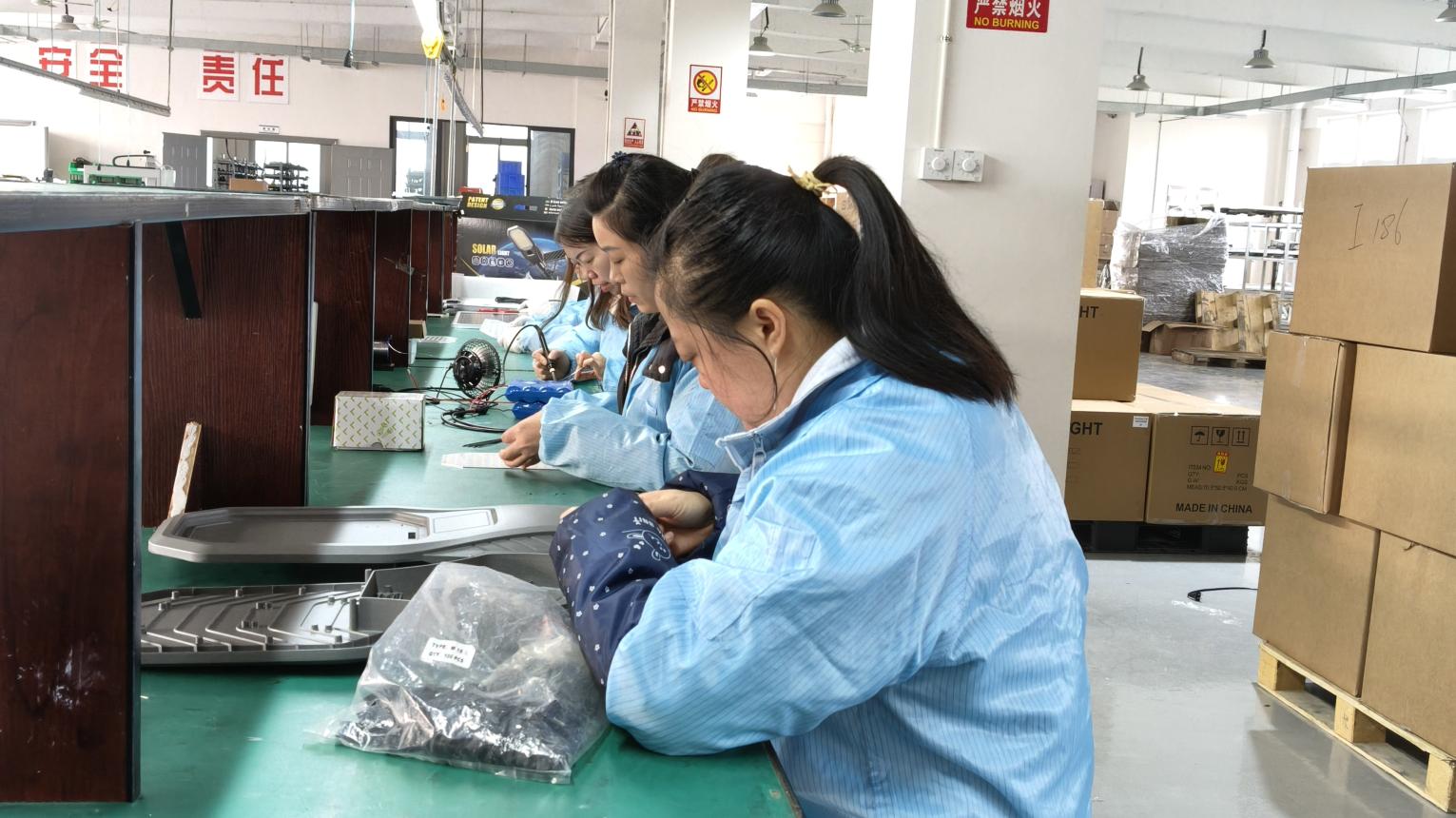
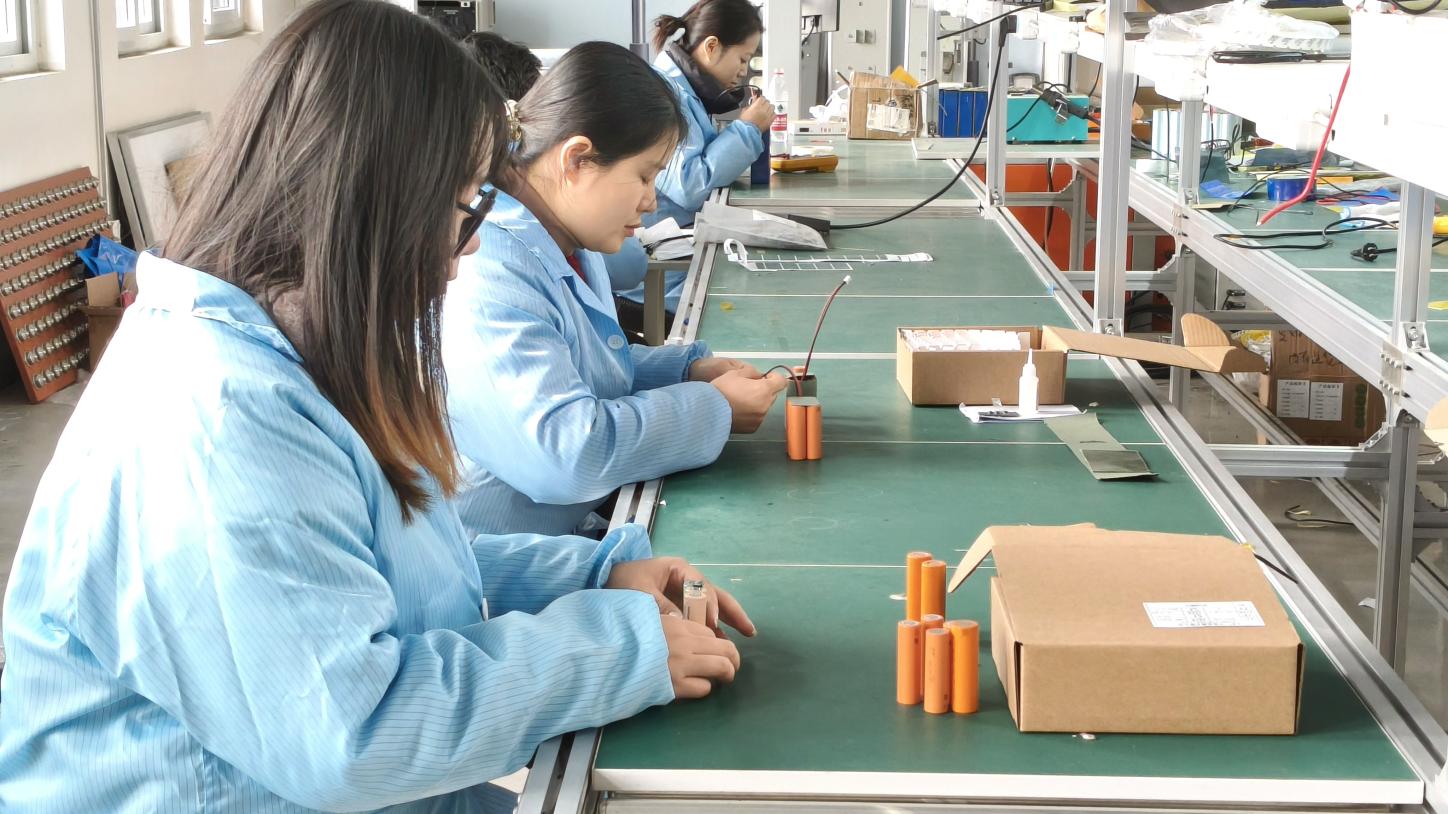
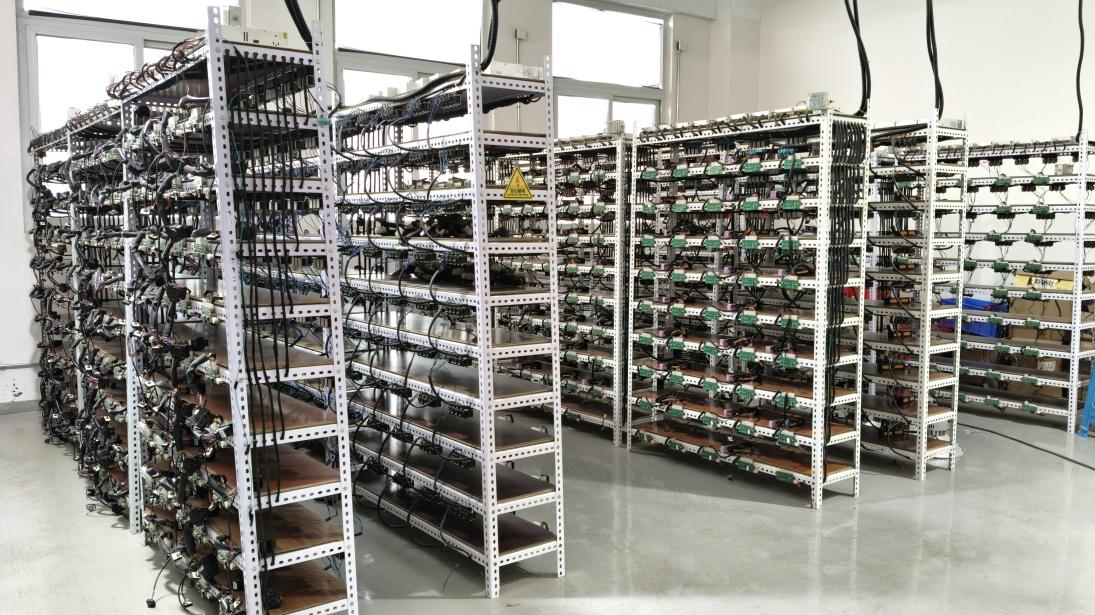
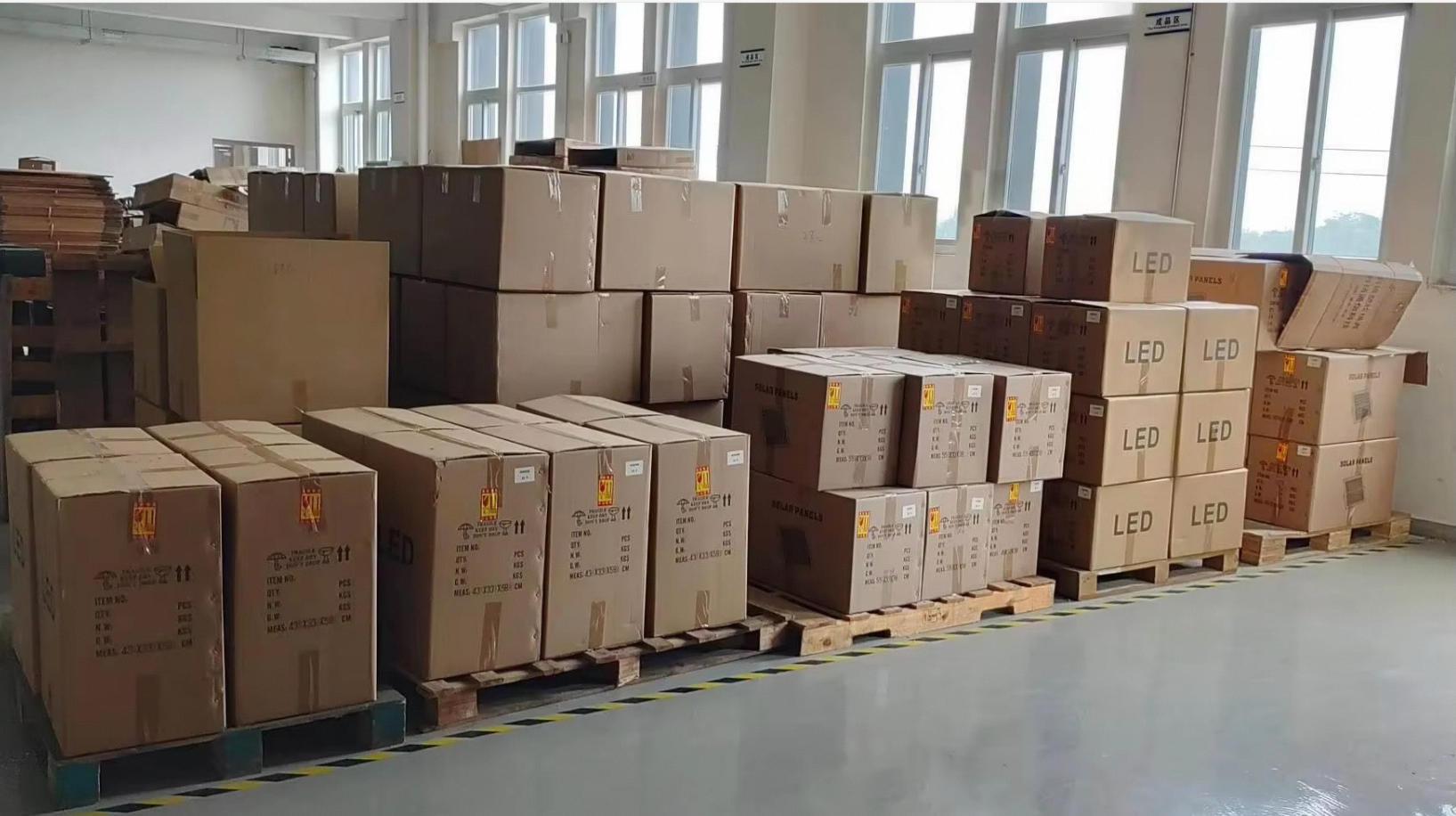
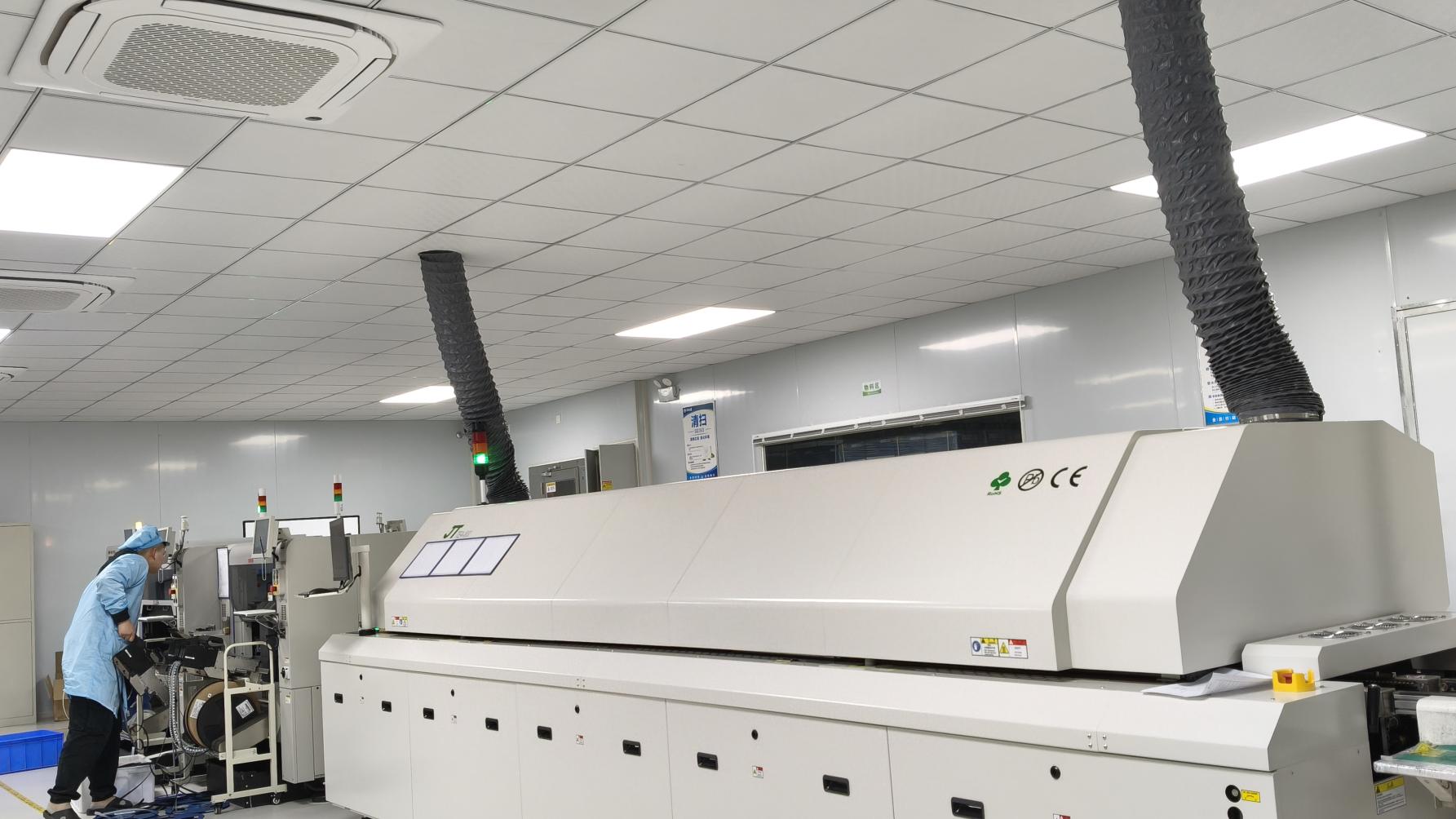
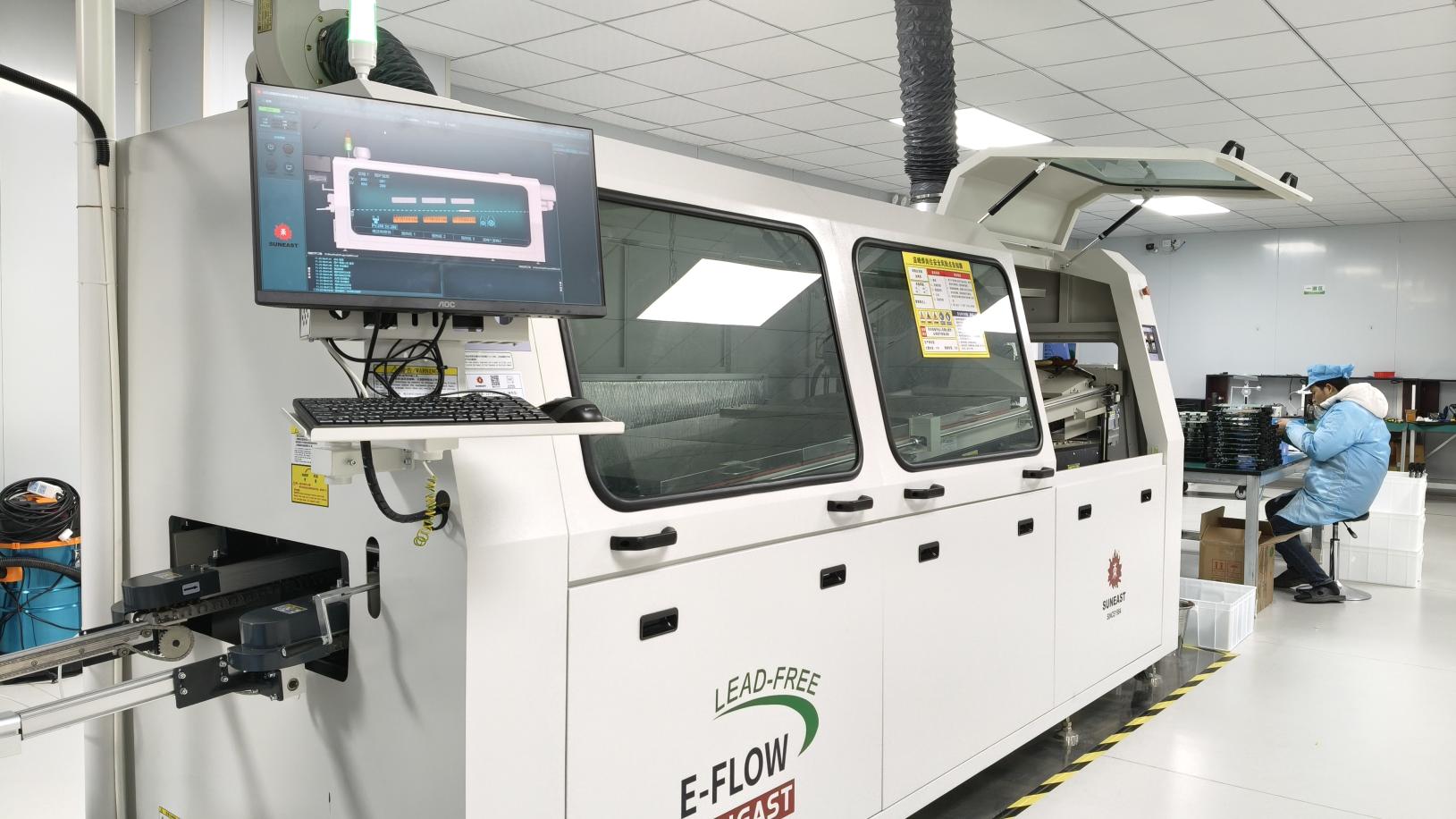
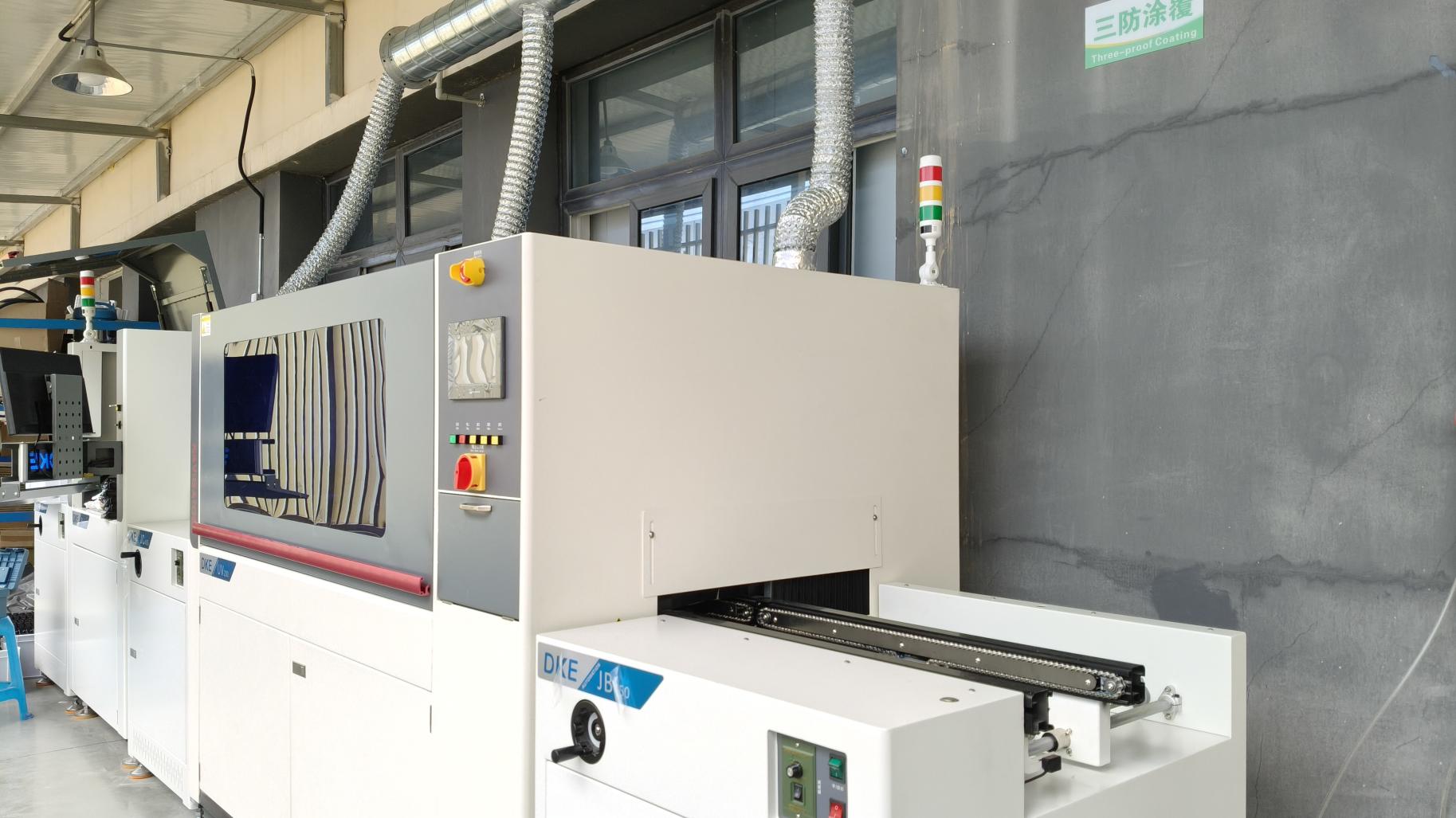
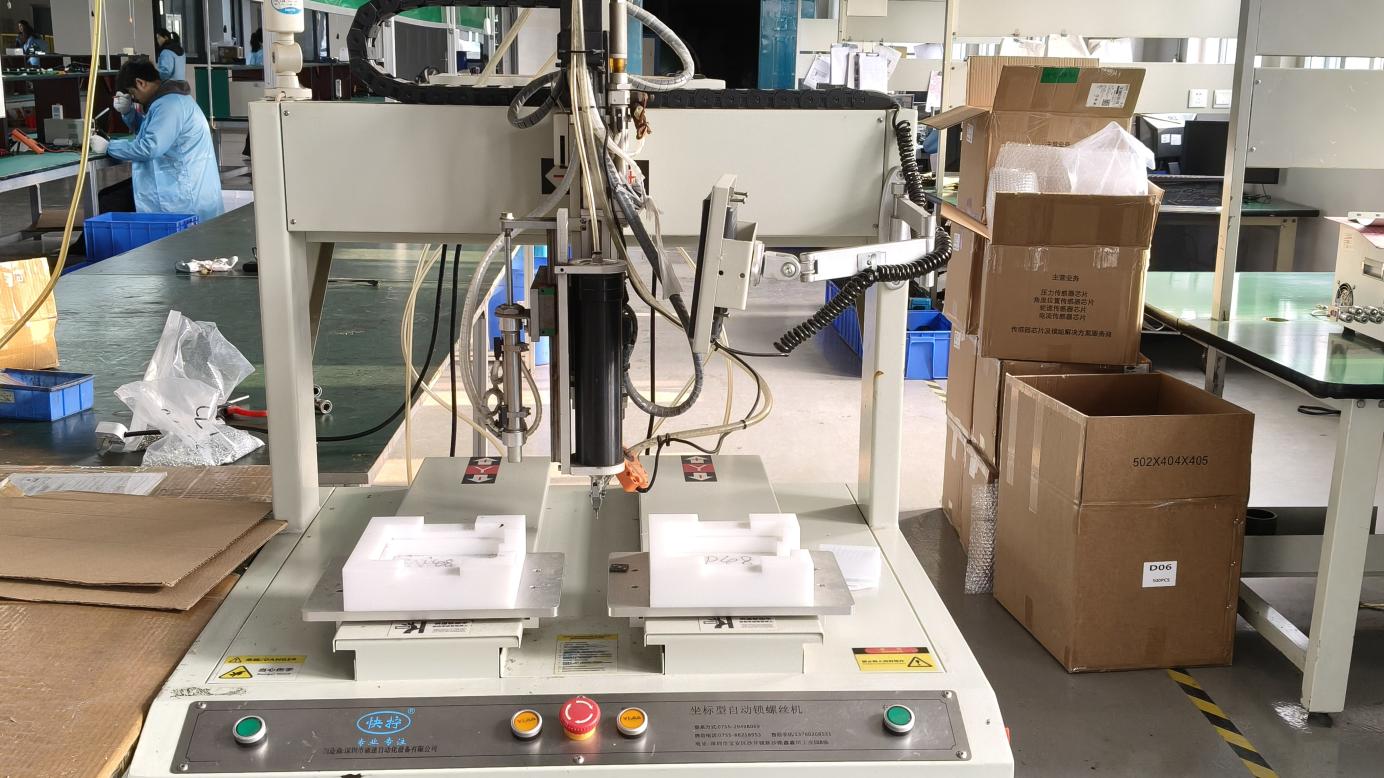
Every horticultural lighting fixture undergoes rigorous industrial processes in our factory to guarantee field reliability and sustained optical output.
Anticipating the technological requirements of next-generation agricultural environments.
As energy costs rise globally, maximizing photosynthetic photon efficacy (PPE) is critical. Current generation fixtures operate in the 2.7 to 3.0 µmol/J range. Our research department is working with chip manufacturers to optimize chip-on-board (COB) structures, aiming for a consistent PPE of 3.2 to 3.5 µmol/J. These improvements will significantly reduce electricity demand for commercial greenhouses and indoor cultivation sites.
Fixed-spectrum fixtures are being replaced by dynamic systems that adapt to the growth phase of the crop. Through Zigbee, LoRa, and Bluetooth Mesh wireless networks, our next-generation fixtures can adjust spectral ratios based on commands from a central environmental controller. This capability allows operators to transition from high-blue propagation light to high-red flowering light without changing fixtures, saving time and equipment costs.
Horticultural fixtures must operate under constant thermal load. We are replacing heavy, passive aluminum extrusions with micro-channel heat sinks and phase-change thermal materials. These advanced designs increase heat dissipation rates, keeping LED junction temperatures below 75°C. This protection limits light degradation and ensures a longer operational lifespan (L90 > 50,000 hours).
In cooperation with agricultural research centers, we are developing system configurations that adjust spectral recipes based on real-time plant feedback. By monitoring leaf fluorescence and canopy color with localized sensors, our intelligent lighting systems can automatically fine-tune wavelength ratios to optimize growth rates and prevent stress-related yield losses.
Meeting global regulatory frameworks to ensure smooth import operations and compliant site installations.
Our export products undergo testing to meet major electrical safety standards, including UL 8800 (specifically for horticultural lighting equipment), CE, FCC, and RoHS directives. These compliance protocols ensure that our lights meet local installation and safety codes, helping projects pass municipal inspections quickly.
Horticultural installations subject fixtures to high humidity, dust, and water spray from irrigation systems. We apply three-proof conformal coatings and silicone seals to ensure our fixtures achieve IP65 and IP66 ratings, protecting components from moisture-related failures.
In addition to structural and safety compliance, Zhejiang Lili Light Co., Ltd. handles international shipping and logistics. We package and ship products in compliance with maritime and air cargo standards. Through our OEM/ODM services, we assist with regional customs clearance paperwork, providing partners with transparent delivery schedules and reliable supply support.
Answers to common technical, biological, and manufacturing questions for commercial growers and importers.
A1: Photosynthetic Photon Flux Density (PPFD) measures the intensity of light hitting a specific square meter of crop canopy per second. Daily Light Integral (DLI) measures the total cumulative photons delivered to that square meter over a 24-hour cycle. Managing both metrics is essential: PPFD ensures the light intensity is sufficient to drive photosynthesis without causing light stress, while DLI dictates the crop's daily growth rate. Our OEM designs use custom secondary optical lenses to deliver uniform PPFD distribution, preventing hot spots and ensuring consistent DLI across the entire growing area.
A2: The LED driver is typically the most vulnerable component in a horticultural light fixture. We use high-quality drivers (such as Inventronics and MeanWell) housed in sealed, die-cast aluminum enclosures. Internally, the driver components are protected with thermal potting compounds that isolate them from moisture, dust, and corrosive crop sprays. These measures ensure stable electrical performance even in demanding greenhouse conditions.
A3: Yes. Through our ODM services, clients can specify the exact spectral mix their crops require. We design and manufacture custom LED board layouts, selecting specific diodes to hit precise target wavelengths (such as deep red 660nm, far-red 730nm, or UVA/UVB ranges). Our engineering team assists with spectral testing to verify that the final fixture matches the client's design criteria.
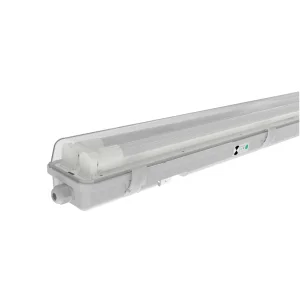
A4: Horticultural lighting requires the same robust durability as heavy industrial fixtures. Our experience building IP66 Tri-proof lights and high-power UFO High Bays directly informs our grow light designs. We apply the same thermal management principles, double-silicone gasket seals, and anti-corrosive powder coatings to our grow lights, ensuring they withstand the humidity and temperature swings of commercial cultivation facilities.
A5: Standard products have flexible MOQ requirements. For fully customized OEM/ODM fixtures—which require custom PCB layouts, metal stamping tooling, and custom spectral profiles—the typical MOQ is 100 units. Lead times range from 2 to 3 weeks for prototype verification, followed by 4 to 6 weeks for mass production, depending on the component specifications and volume.
A6: We design all fixtures to meet safety standards from the start of development. Our factory is ISO 9001 certified, and our products undergo testing at accredited third-party laboratories. We work directly with compliance testing bodies to help our clients obtain regional certifications, such as UL/cUL for North America or CE/RoHS for Europe, ensuring the lights are certified for local commercial rebate programs.
A7: Far-red light (730nm) works with red light (660nm) to trigger the Emerson enhancement effect, which increases the overall rate of photosynthesis. Additionally, introducing far-red light at specific growth stages can stimulate flowering responses and increase biomass. Our ODM services allow clients to build fixtures with dedicated far-red channels, enabling precise control over this wavelength to optimize crop yields.
A8: We use thick, high-conductivity aluminum heat sinks and high-performance thermal interface materials (TIM) to pull heat away from the LED diodes. Our fixtures are designed with passive cooling channels that use natural convection to dissipate heat. This passive design eliminates the need for cooling fans, removing a common point of mechanical failure and extending the overall lifetime of the fixture.
Explore the rest of our product catalog, designed for heavy industrial use, infrastructure support, and commercial installations.
 Lili Light