Explore our top-tier catalog of solid-state light modules, high-density linear strips, and smart architectural wash lights designed for professional media, project engineering, and architectural applications.
The global shift in broadcast, commercial cinema production, and video marketing has catalyzed a high demand for solid-state lighting. Modern video capture uses high-resolution image sensors that are sensitive to light quality. While general illumination prioritizes cost and lumens per watt, LED lights for video production require strict spectral accuracy, color constancy, high TLCI (Television Lighting Consistency Index), and precise flicker-free operation.
Evaluating manufacturers is not just about comparing lumen counts; it requires assessing their color science research, control systems, and assembly lines. Over the last decade, manufacturers have transitioned from basic SMD (Surface Mounted Device) arrays to multi-color COB (Chip-on-Board) packages. These designs integrate five-color and six-color LED emitters (such as RGBLAC: Red, Green, Blue, Lime, Amber, and Cyan) to fill gaps in the spectral distribution curves found in early phosphor-converted blue LEDs.
High-end video manufacturers focus on SSI (Spectral Similarity Index) and TM-30 metrics. This focus ensures clean skin tones, accurate color replication across cameras, and minimal metamerism under different digital setups.
Flicker on camera is prevented using pulse-width modulation (PWM) rates up to 25kHz or stable DC-to-DC constant current regulation. This design prevents rolling shutter artifacts even at high frame-rate video captures.
Proper thermal dissipation protects LED chips from degradation and shifts in color temperature. Advanced manufacturers use custom liquid-phase heat pipes and silent magnetic-levitation fans (less than 20dB) for studio use.
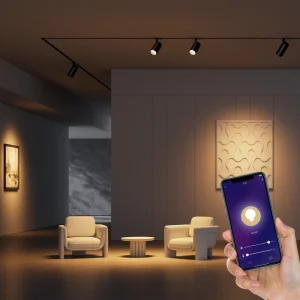
Global supply chains are shifting toward intelligent, modular, and sustainable lighting equipment. The integration of IoT protocols, DMX512, DALI, and app-based wireless mesh controls has simplified studio operations.
Firmware updates now allow video luminaires to emulate various filter gels, source matches, and dynamic effects directly. Users can control operations via CRMX (LumenRadio) or Bluetooth mesh networks.
In virtual production (using LED walls for background displays), video lighting must synchronize with the camera shutter and the LED wall. This coordination maintains consistent color spaces and light levels in real time.
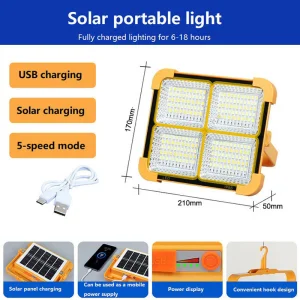
For off-grid filming, remote architectural illumination, and disaster response, manufacturers are integrating low-power-consumption chipsets with high-capacity solar systems and dual-input power supplies.
Zhejiang Lili Light Co., Ltd. is a manufacturer and exporter specializing in professional LED lighting products and integrated lighting solutions. The company continuously invests in product development, manufacturing technology, and quality management to support commercial production and industrial applications.
Backed by a skilled technical team, modern production facilities, and a strict quality control system, Zhejiang Lili Light has built long-term partnerships with customers across Europe, South America, Southeast Asia, the Middle East, and other international markets. The company provides both standard configurations and tailored OEM/ODM support to meet specific market demands.
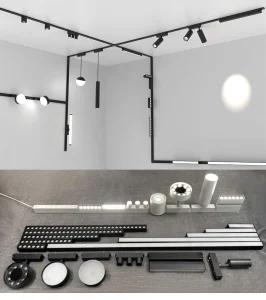
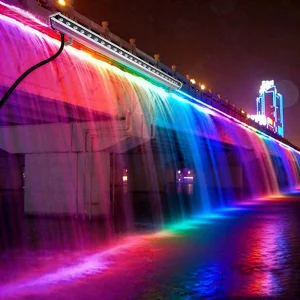
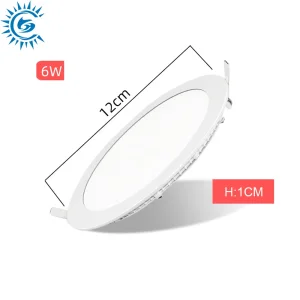
Their product portfolio covers a wide range of indoor and outdoor lighting applications. This includes residential, commercial, industrial, and public project setups. From modern indoor lighting products like downlights, spotlights, and track lights to outdoor floodlights, wall washers, and solar-powered solutions, they focus on functionality, durability, and clean aesthetic design.
Every product undergoes inspection throughout the manufacturing process to ensure stable performance, energy efficiency, and a long service life. The team offers flexible OEM and ODM services to help customers develop customized products for their target markets.
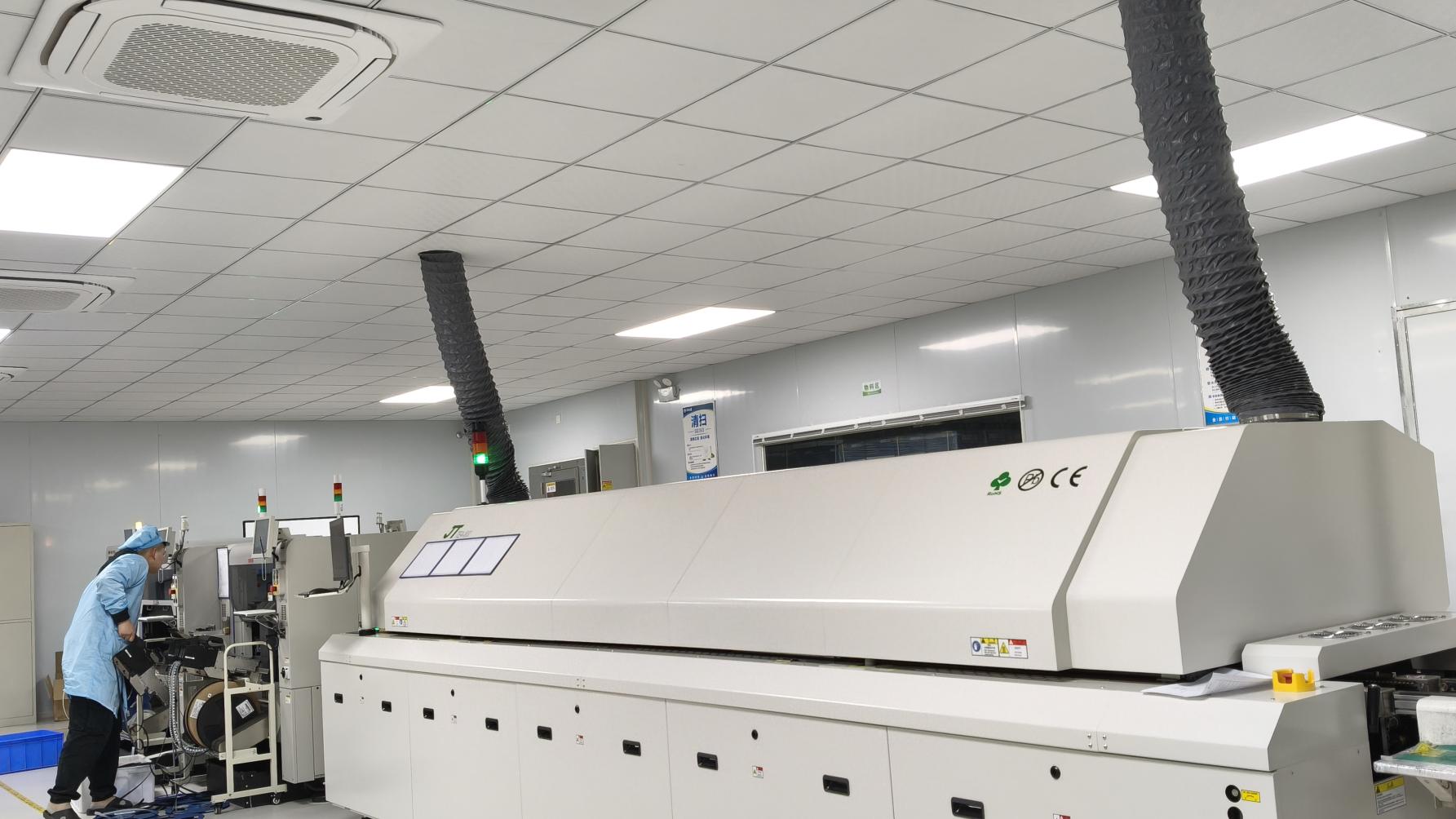
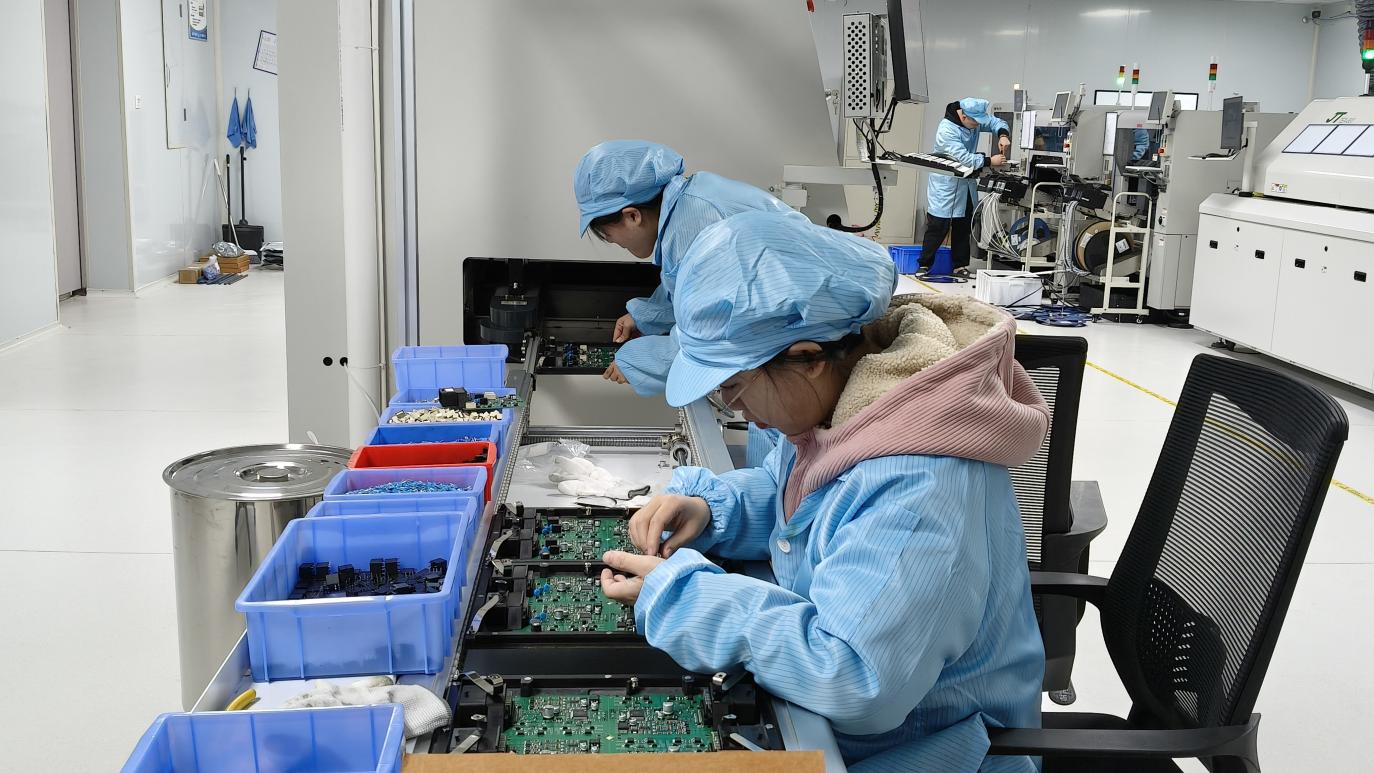
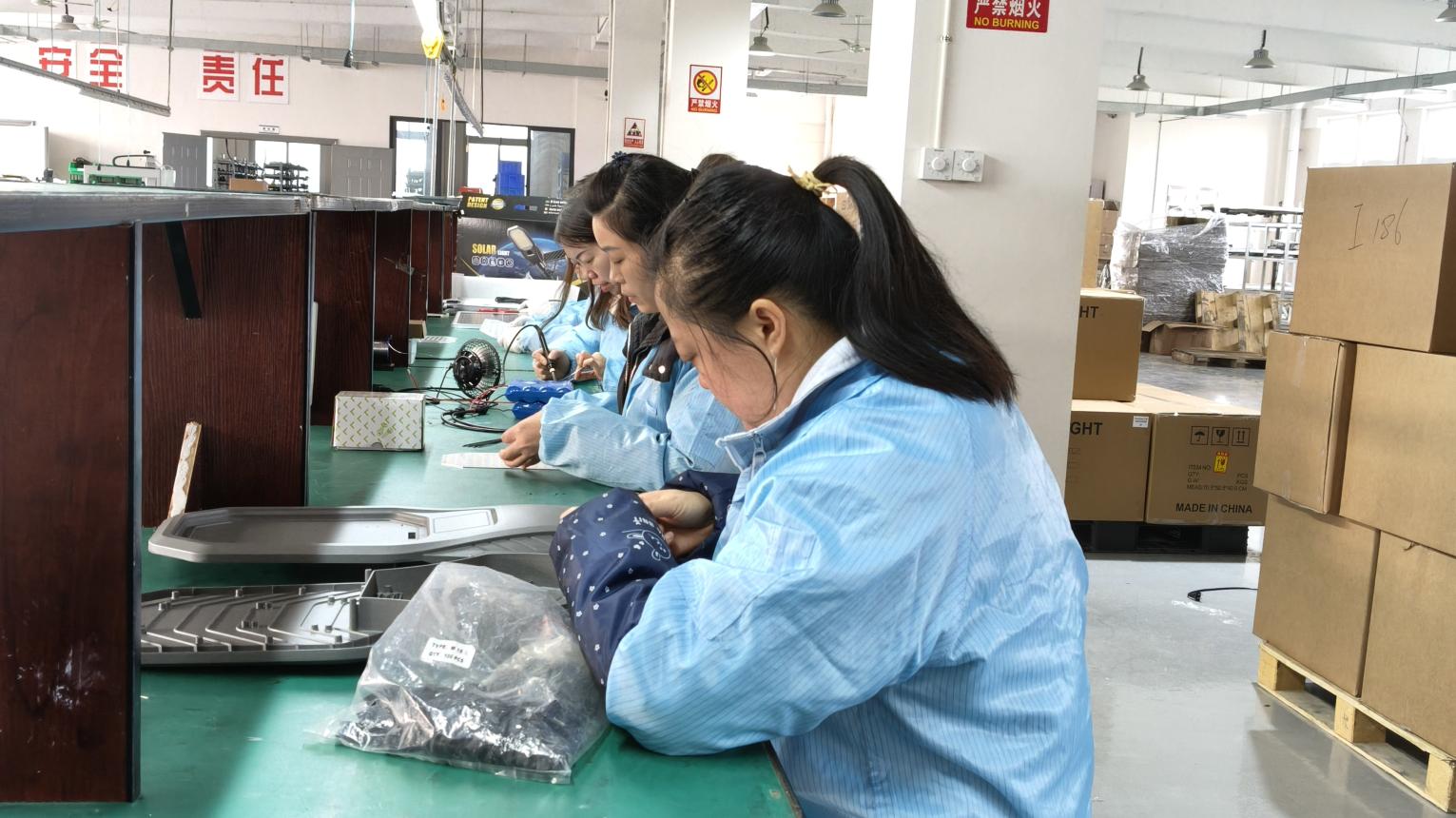
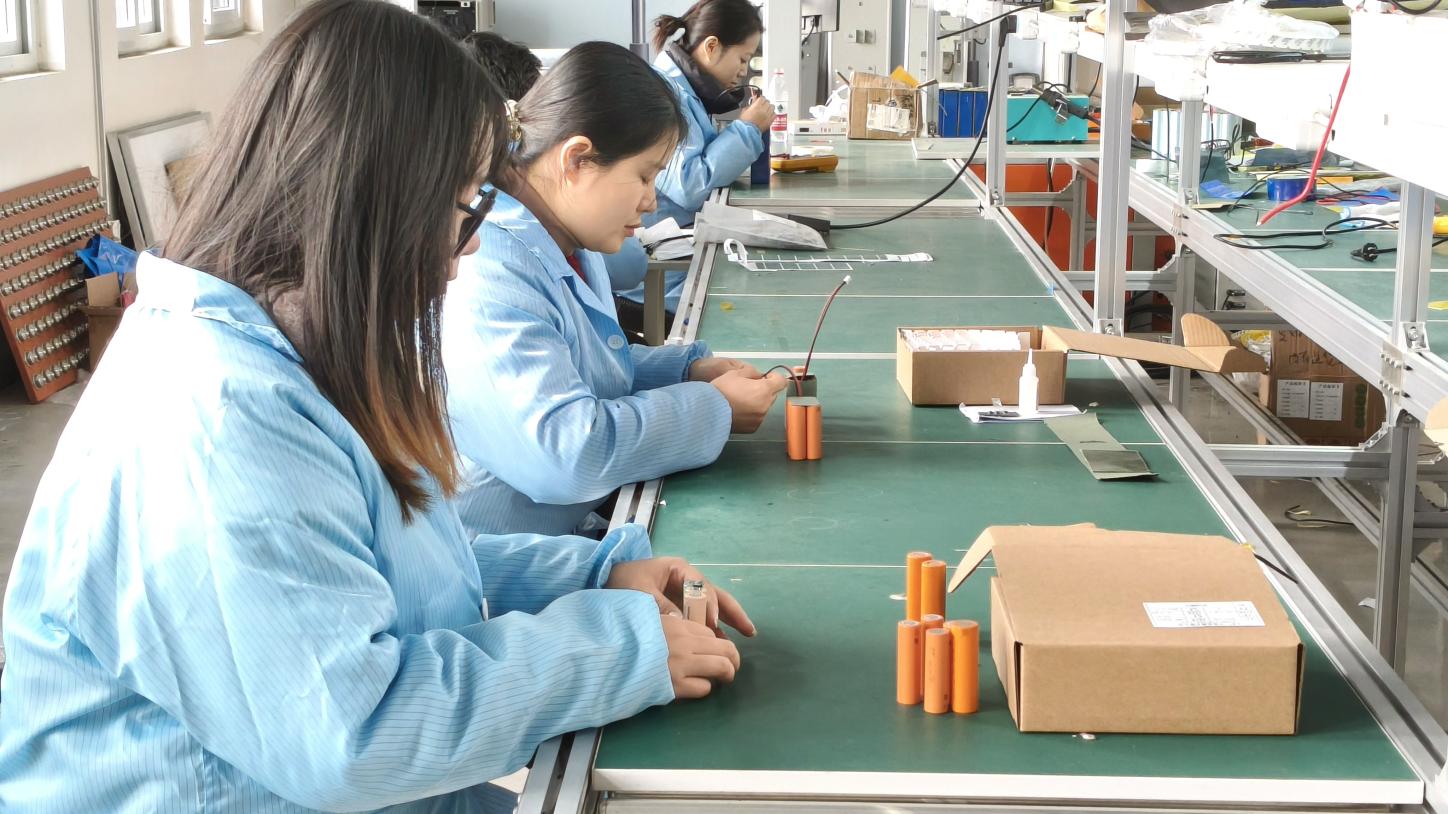
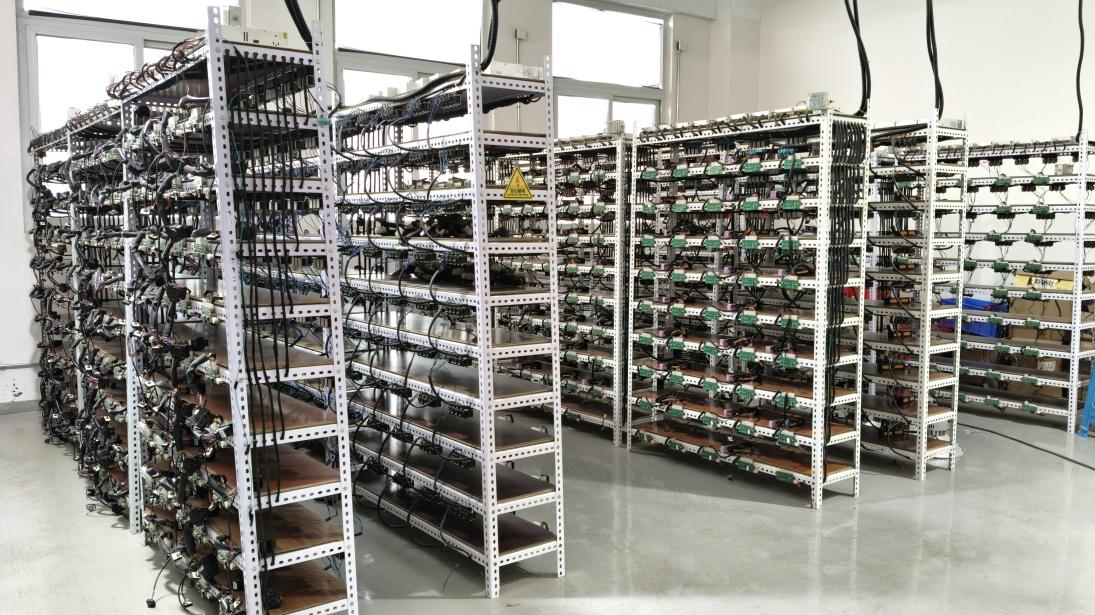
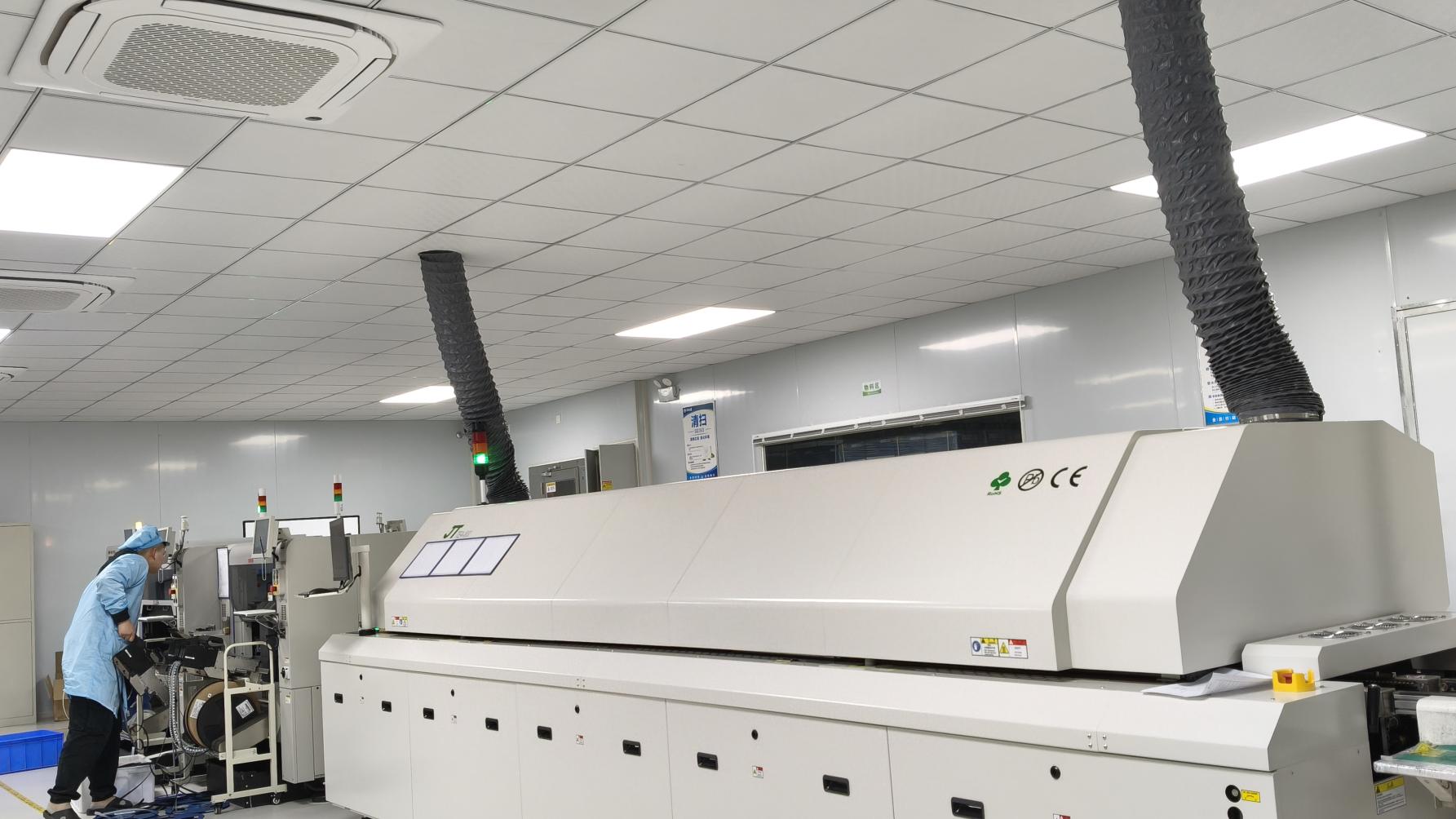
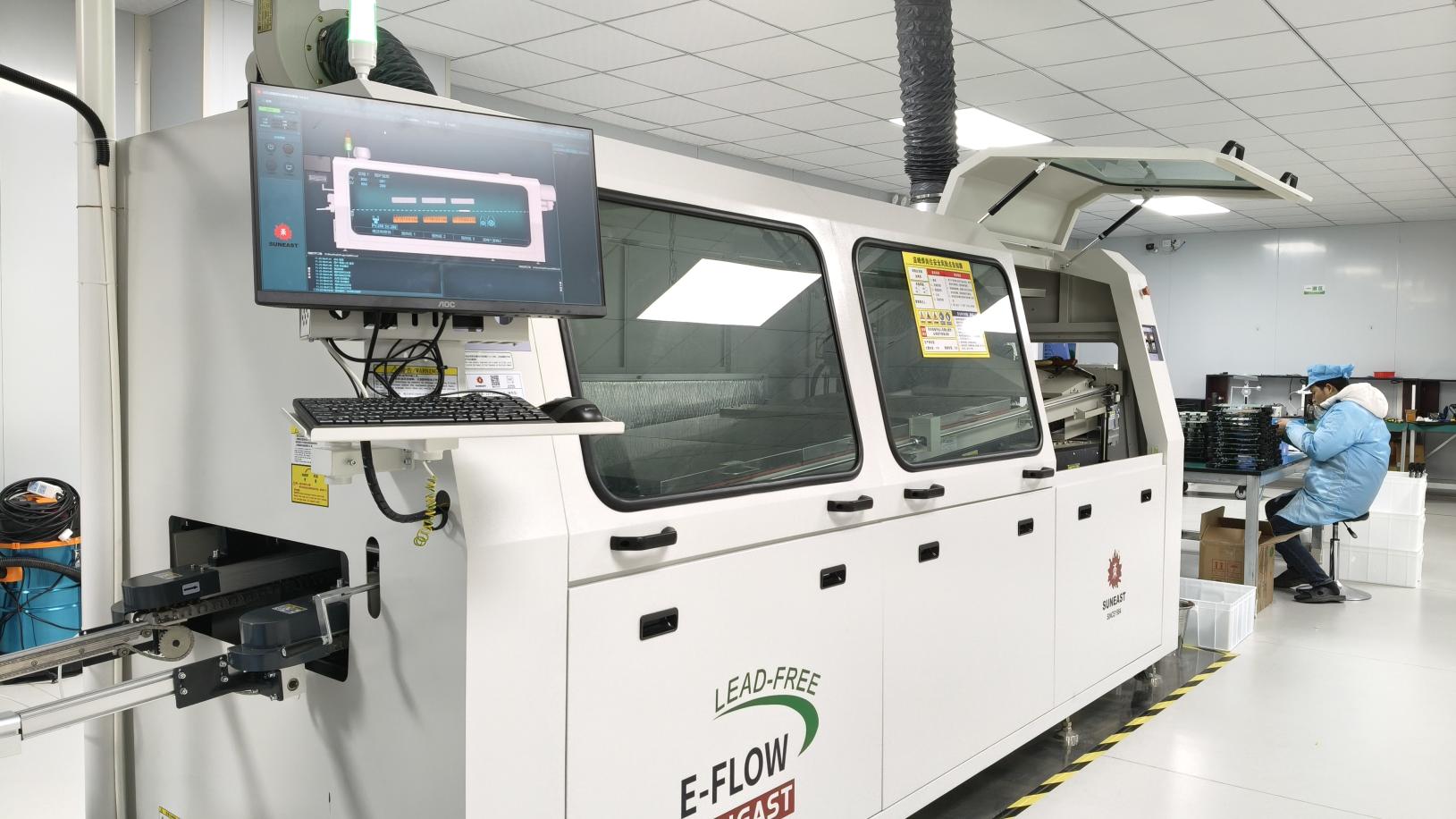
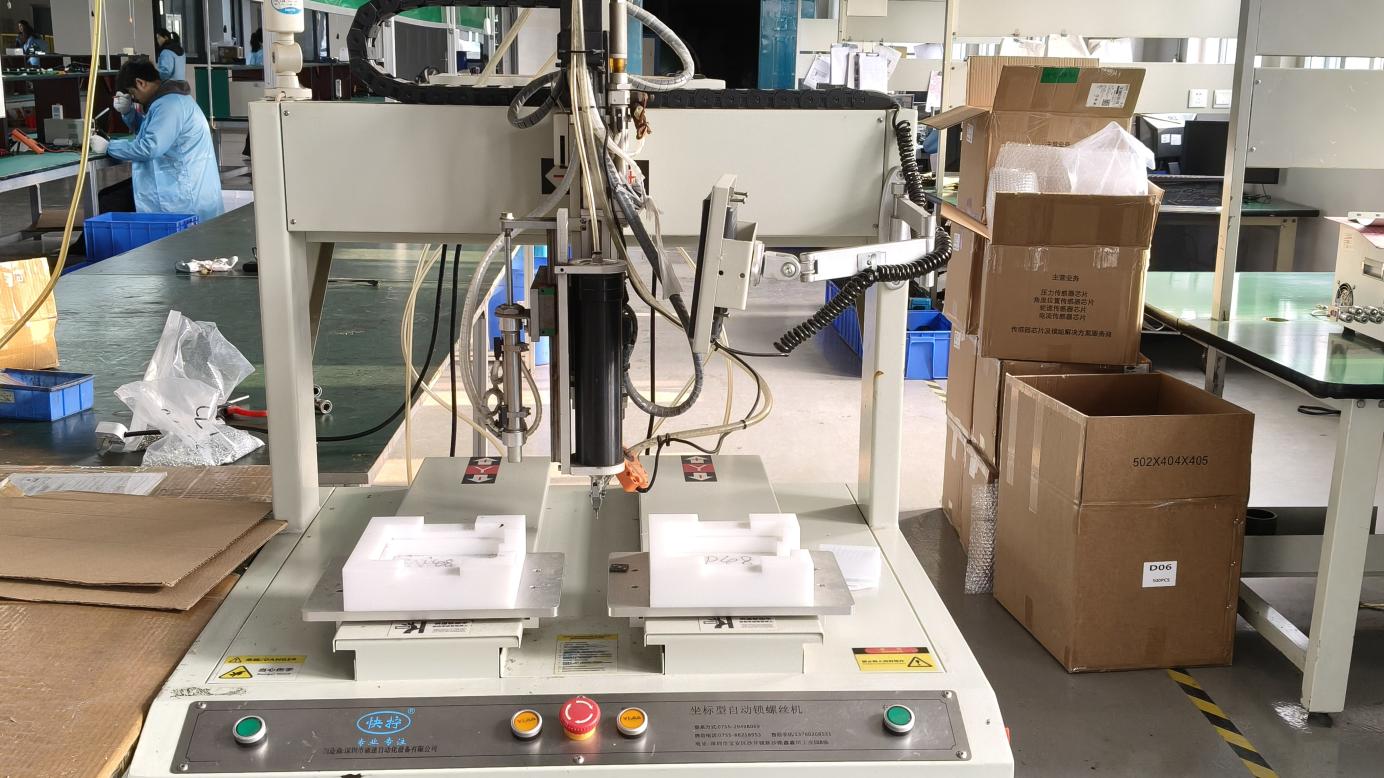
By managing the production process in-house—from surface mounting to final aging tests—Zhejiang Lili Light maintains consistency across large production runs.
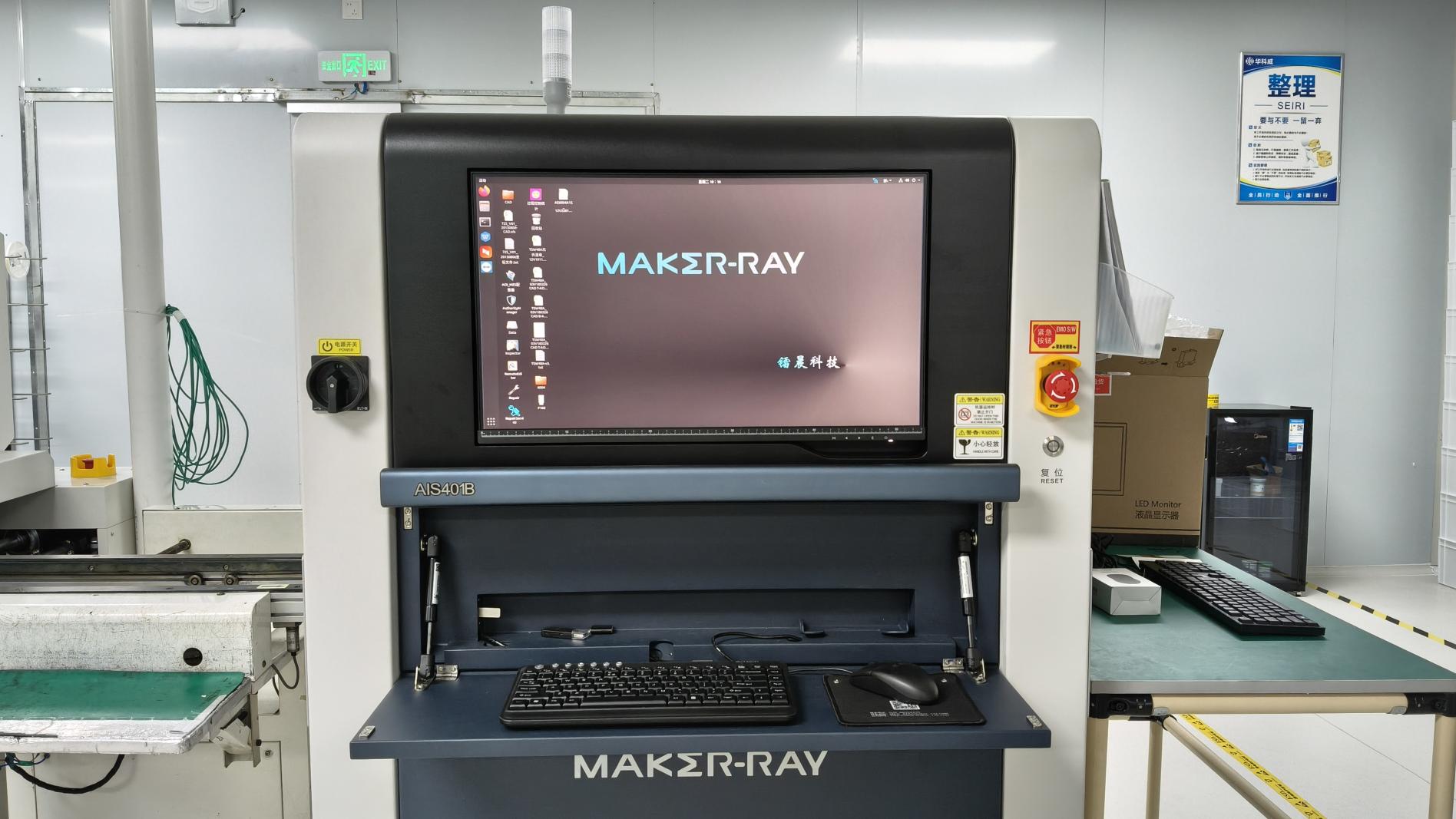
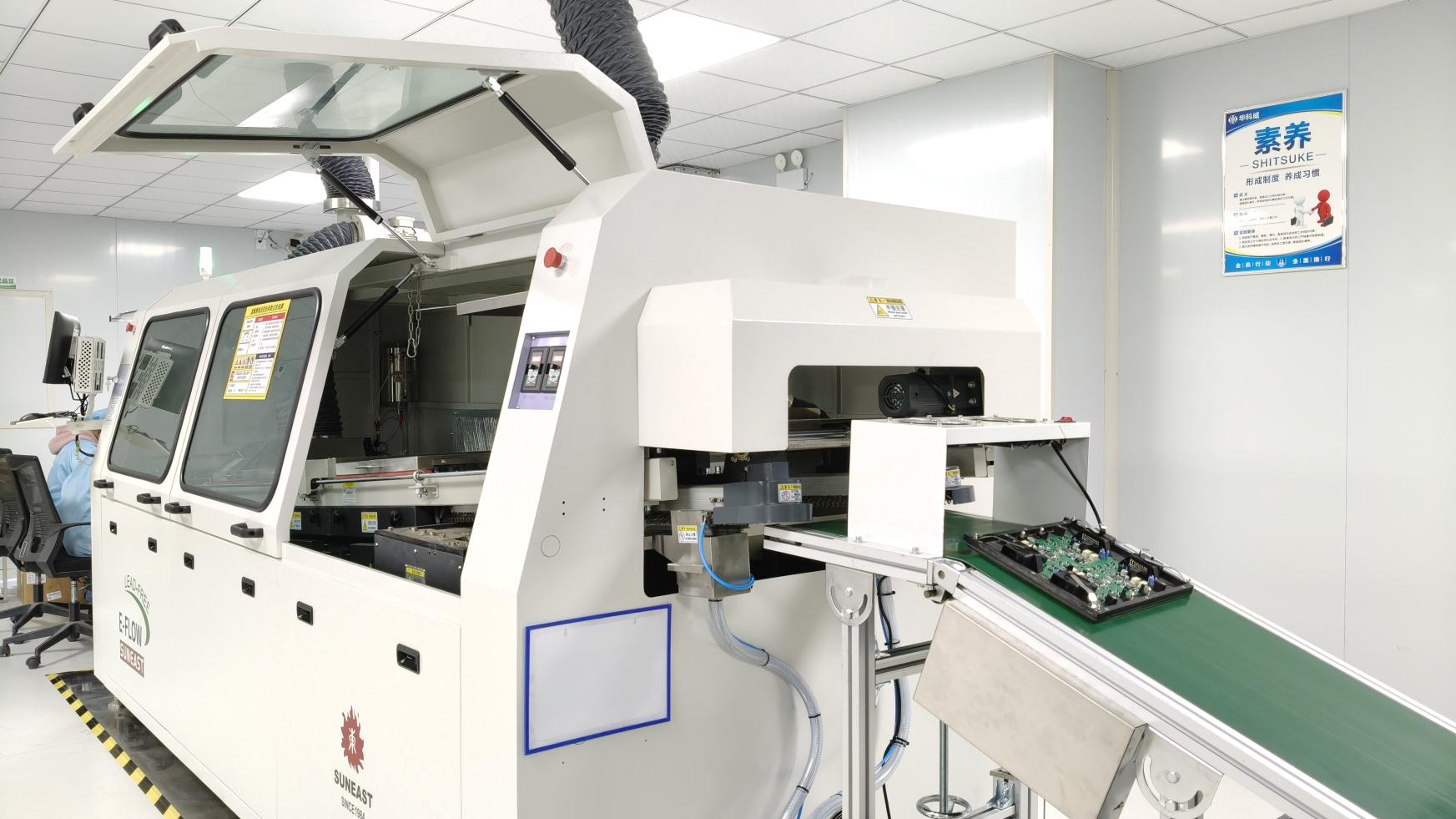
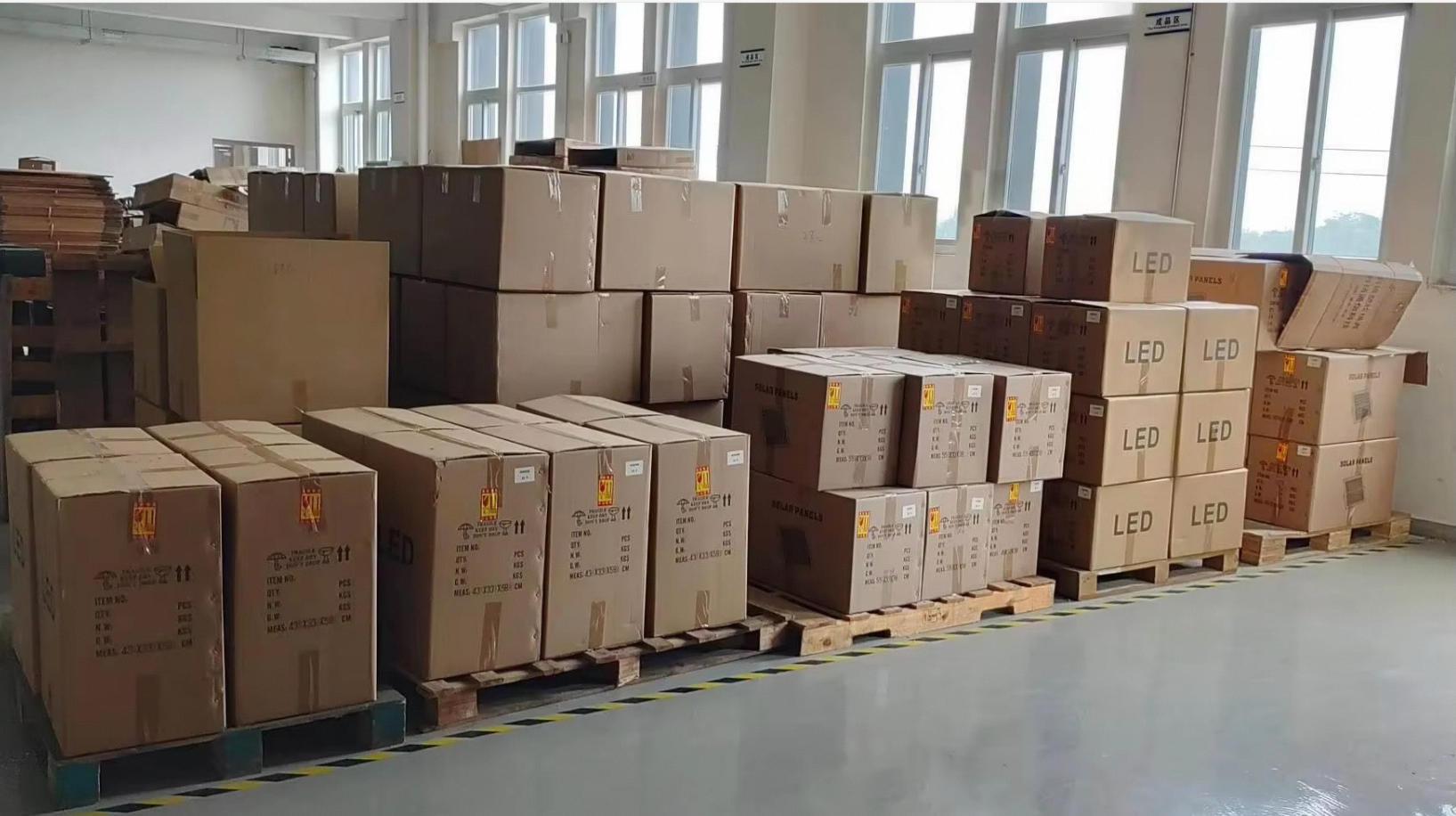
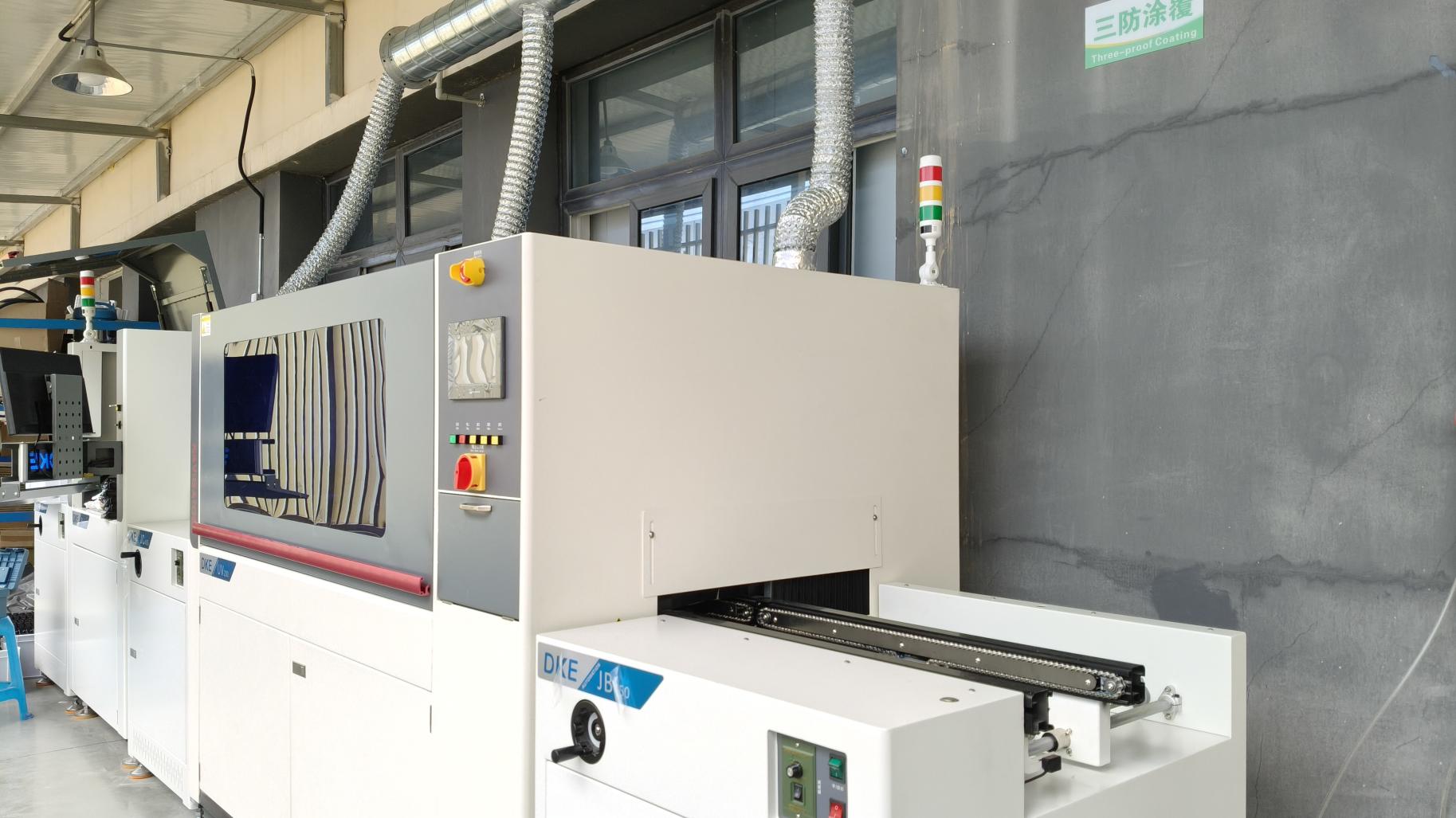
A visual overview of our manufacturing processes, including automated component placement, wave soldering, protective coating application, and quality control steps.
Enterprise procurement departments, production studios, and architectural developers must look beyond unit costs when selecting an LED partner. Evaluating supply chain durability, compliance frameworks, and component lifetimes is essential for managing project risk and ensuring reliable operations.
Reliable LED manufacturing depends on stable access to sub-components. This includes high-purity silicon substrates, stable LED dies from trusted brands, and reliable PCB designs. Zhejiang Lili Light Co., Ltd. secures its supply chain by partnering directly with component suppliers. This helps stabilize lead times and maintain consistent quality during production spikes.
Entering international markets requires meeting strict regulatory guidelines. Key requirements include:
Standard products do not always fit specialized installations. Whether adapting to specific track light systems or developing weather-resistant outdoor linear fixtures, the manufacturer's engineering team must be able to customize driver currents, beam angles, and control interfaces. Our OEM/ODM pipeline handles modifications efficiently, from initial thermal simulations to prototyping and final tooling.
Future architectures will feature denser emitter arrays, allowing for smaller fixtures with higher lumen outputs. These improvements help optimize spot optics and shape the beam spread more effectively.
Intelligent feedback loops will measure and correct real-time color shifts caused by aging or heat. This ensures consistent color rendering and output over years of continuous use.
Leading manufacturers are moving toward cleaner operations. This includes using recycled aluminum for casings, lead-free soldering processes, and energy-efficient product lines.
Find technical details on color accuracy, custom manufacturing capabilities, and how to verify LED performance for professional installations.
We source LEDs from binned supplies that fall within a 3-step MacAdam Ellipse. Automated SMT processes and AOI inspections ensure component placement matches design specs, minimizing variations in color temperature (CCT) between production runs.
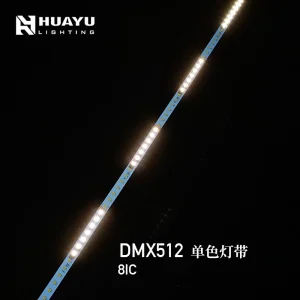
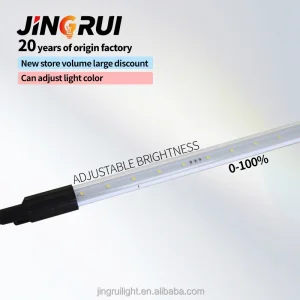
Our systems support DALI, 0-10V, and DMX512 control protocols. Using high-frequency PWM or DC-to-DC converters, they dim smoothly down to 0.1% without color shifts or camera flicker.
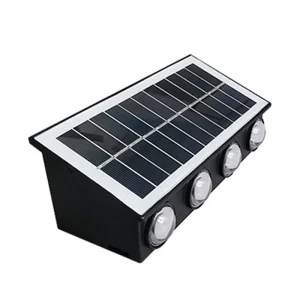
Yes. Our outdoor products, including linear wall washers and solar-powered floodlights, are protected by an automated three-proof coating process. They feature IP65 or IP67 ratings, UV-stabilized optics, and corrosion-resistant aluminum housings to ensure reliability outdoors.
Standard ODM prototype runs (covering optical simulation, housing modification, and heat dissipation testing) typically take 15 to 25 business days. Ready-to-use samples can often be prepared and shipped within 7 business days.
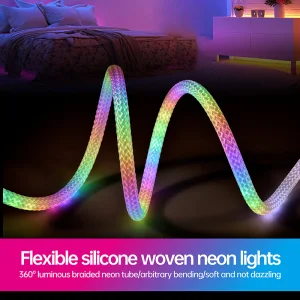
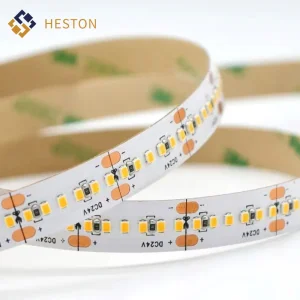
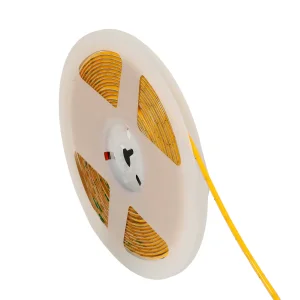
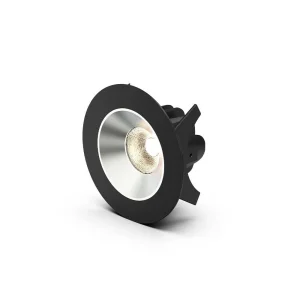
Browse our collection of COB strip systems, directional ceiling spots, DMX-controllable neon tubes, and solar-supported emergency lighting for commercial and project applications.
 Lili Light