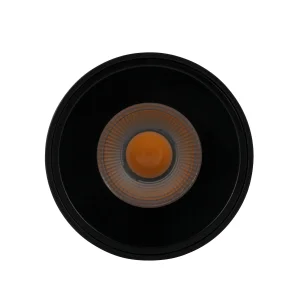
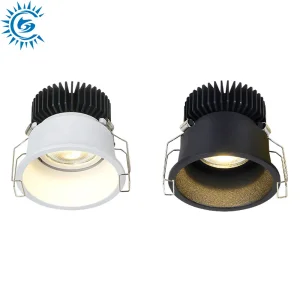
The Sultanate of Oman is undergoing a rapid architectural and economic metamorphosis. Under the strategic umbrella of Oman Vision 2040, urban development is pivoting towards sustainable, energy-efficient, and structurally resilient technologies. In the Middle East’s unique climatic context, indoor lighting is not merely an aesthetic choice—it is a critical component of building services engineering that directly impacts thermal load, energy budgets, and occupational well-being.
Oman presents some of the most demanding environmental challenges globally. High ambient temperatures regularly exceeding 50°C in summer, coupled with intense solar radiation, put immense thermal stress on electrical components. Coastal municipalities such as Muscat, Salalah, and Sohar also battle high relative humidity and air-borne salinity.
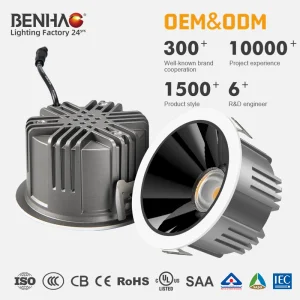
For solid-state lighting, particularly COB (Chip-on-Board) downlights, these conditions accelerate the degradation of LED junctions, driver components, and optical lenses. Standard, unrated luminaires deployed in these environments experience rapid lumen depreciation, color shifting, and driver failure. Therefore, specifications for commercial projects in Oman mandate lighting systems built with robust die-cast thermal dissipation paths, high-grade silicon sealing, and advanced anti-corrosion finishes.
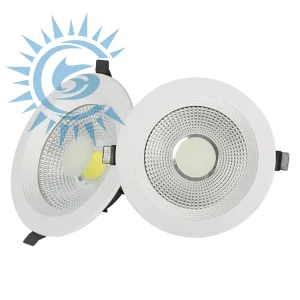
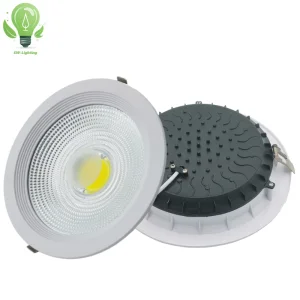
Globally, the architectural lighting industry has moved away from surface-mounted diode (SMD) arrays toward high-density Chip-on-Board (COB) technology for downlighting and spotlighting applications. Unlike SMD, which scatters light points across a broad panel, COB packages place a dense concentration of LED chips directly onto a substrate, sharing a single phosphor layer. This achieves:
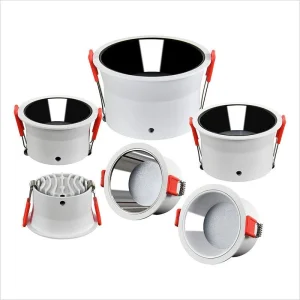
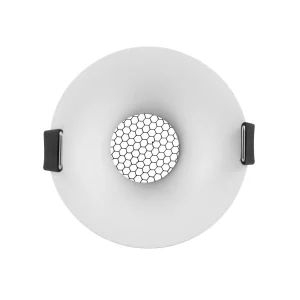
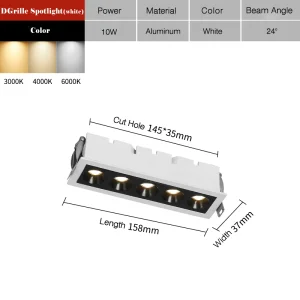
Selecting a professional LED COB downlight manufacturer for Oman projects requires checking specific design variables that go beyond visual catalogs. A high-performance product requires detailed structural engineering and material considerations.
In major urban centers like Muscat and developing industrial zones in Duqm, electrical networks can experience voltage spikes and harmonic distortions, especially during peak air-conditioning seasons. A robust LED driver must operate over a wide input voltage range (typically 180V–265V AC) and incorporate:
Modern commercial lighting projects in the GCC demand superior light quality. For luxury retail spaces in the Mall of Oman or five-star resort developments in Salalah, high fidelity in color rendering is crucial. Our COB downlights feature a Color Rendering Index (CRI) of Ra > 90 and Ra > 95, ensuring realistic color rendition across all spectrums.
Additionally, CCT-switchable models allow specifiers to adjust color temperatures between warm light (3000K) for welcoming hospitality spaces, and cool white (6000K) for bright office environments, responding dynamically to user preferences and circadian rhythms.
Due to high coastal humidity, our downlights are built with lightweight, chemically treated aluminum alloy housings. The outer surface is powder-coated using polyester resins to resist saline air spray. For zones exposed to moisture—such as exterior building canopies, bathrooms, and commercial kitchens—we provide specialized IP44 and IP65 dust-tight and water-resistant fixtures that prevent water entry and interior optical fogging.
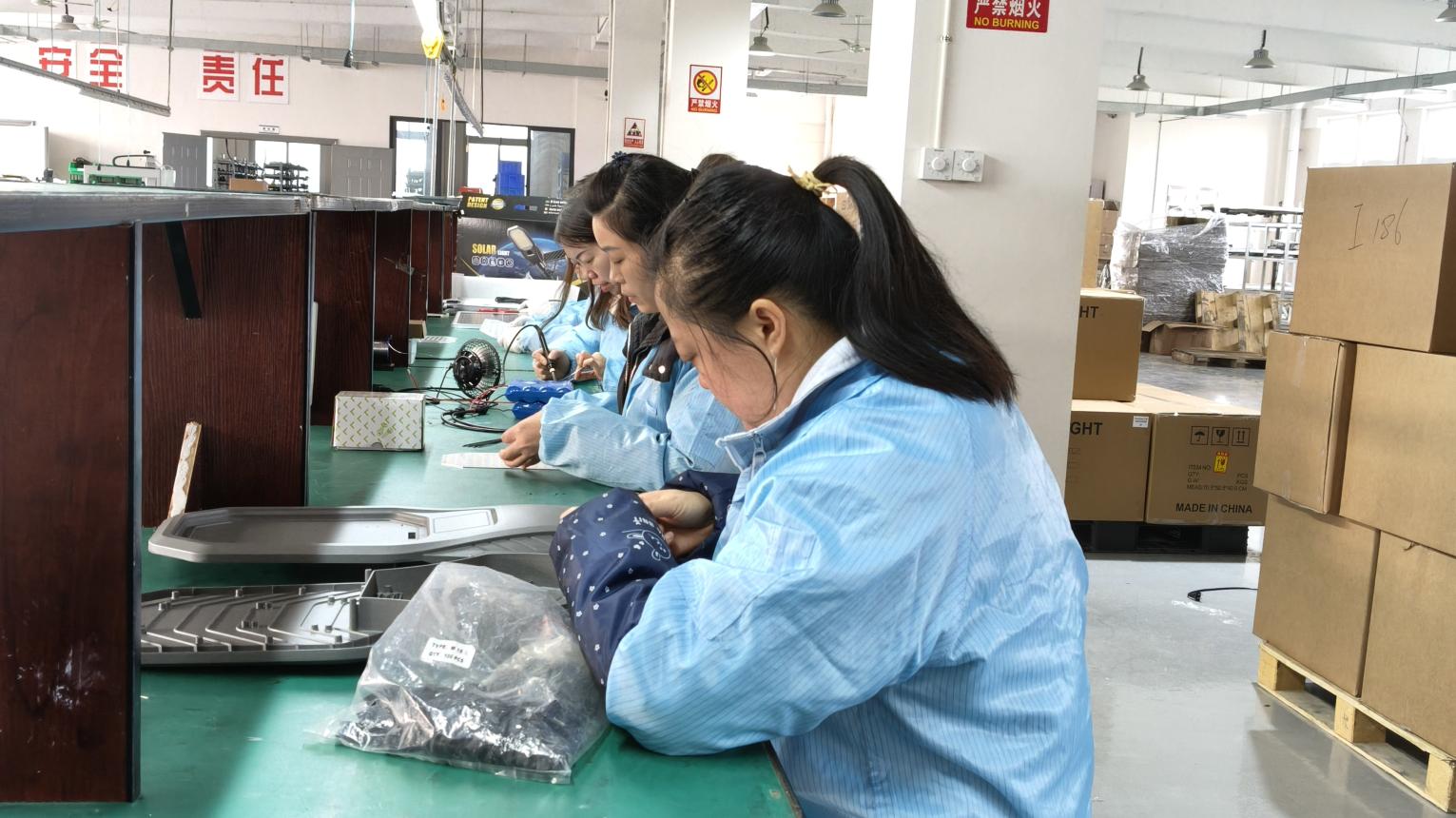
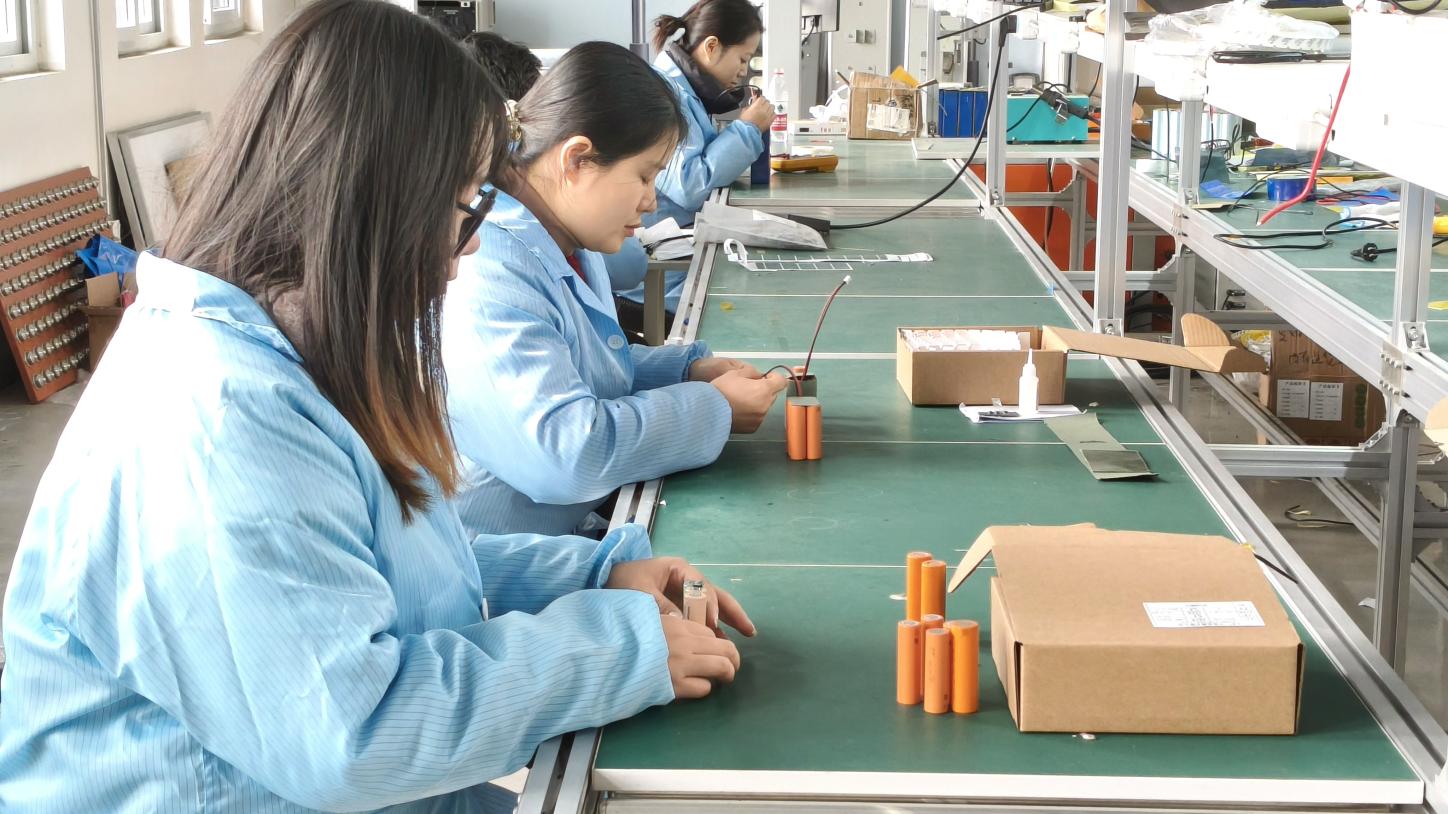
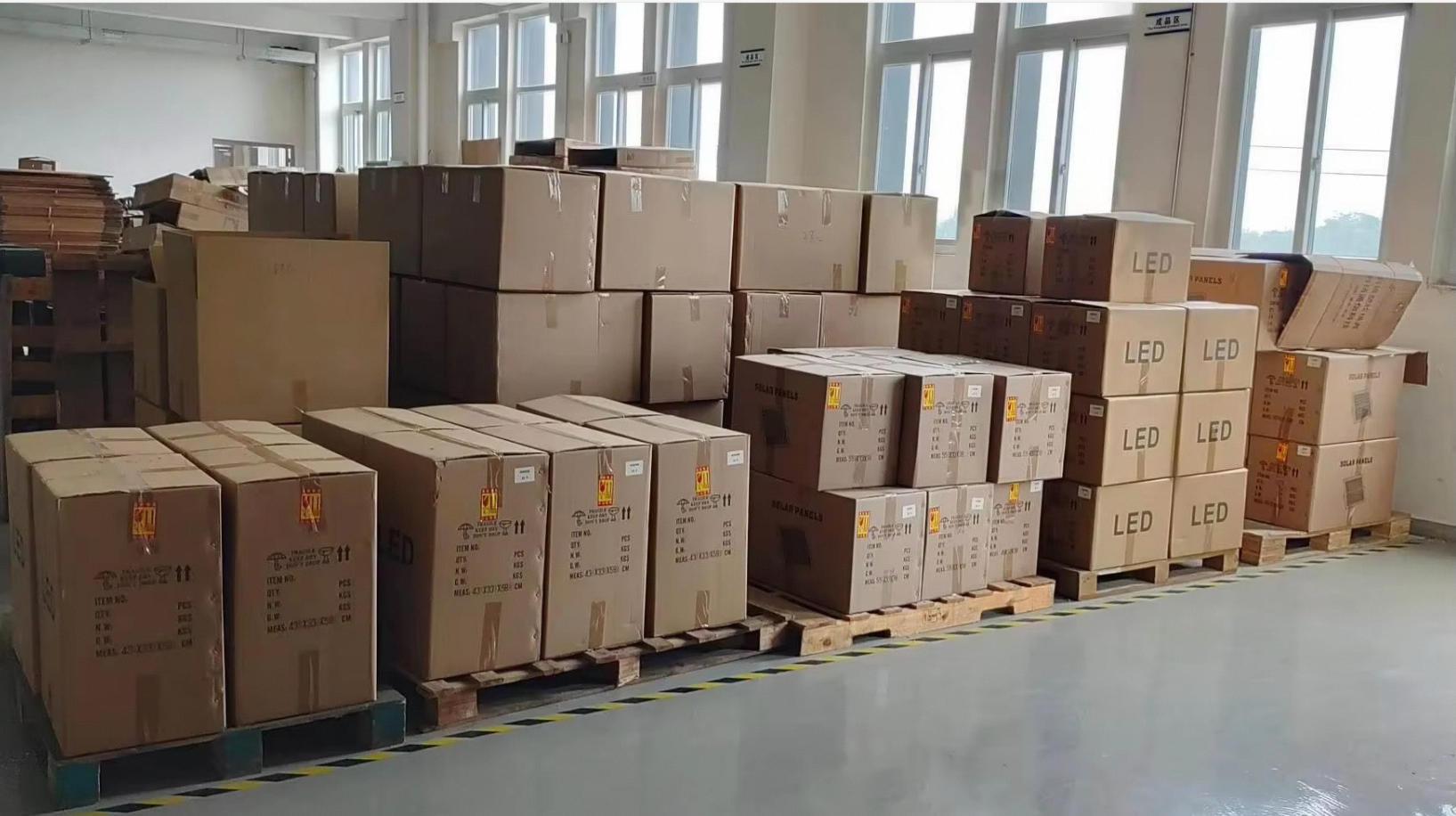
Zhejiang Lili Light Co., Ltd. is a specialized manufacturer and exporter of LED lighting products and integrated lighting systems. We focus on product development, precision manufacturing, and strict quality control to deliver efficient, reliable luminaires to the Middle East, Europe, South America, and Southeast Asia.
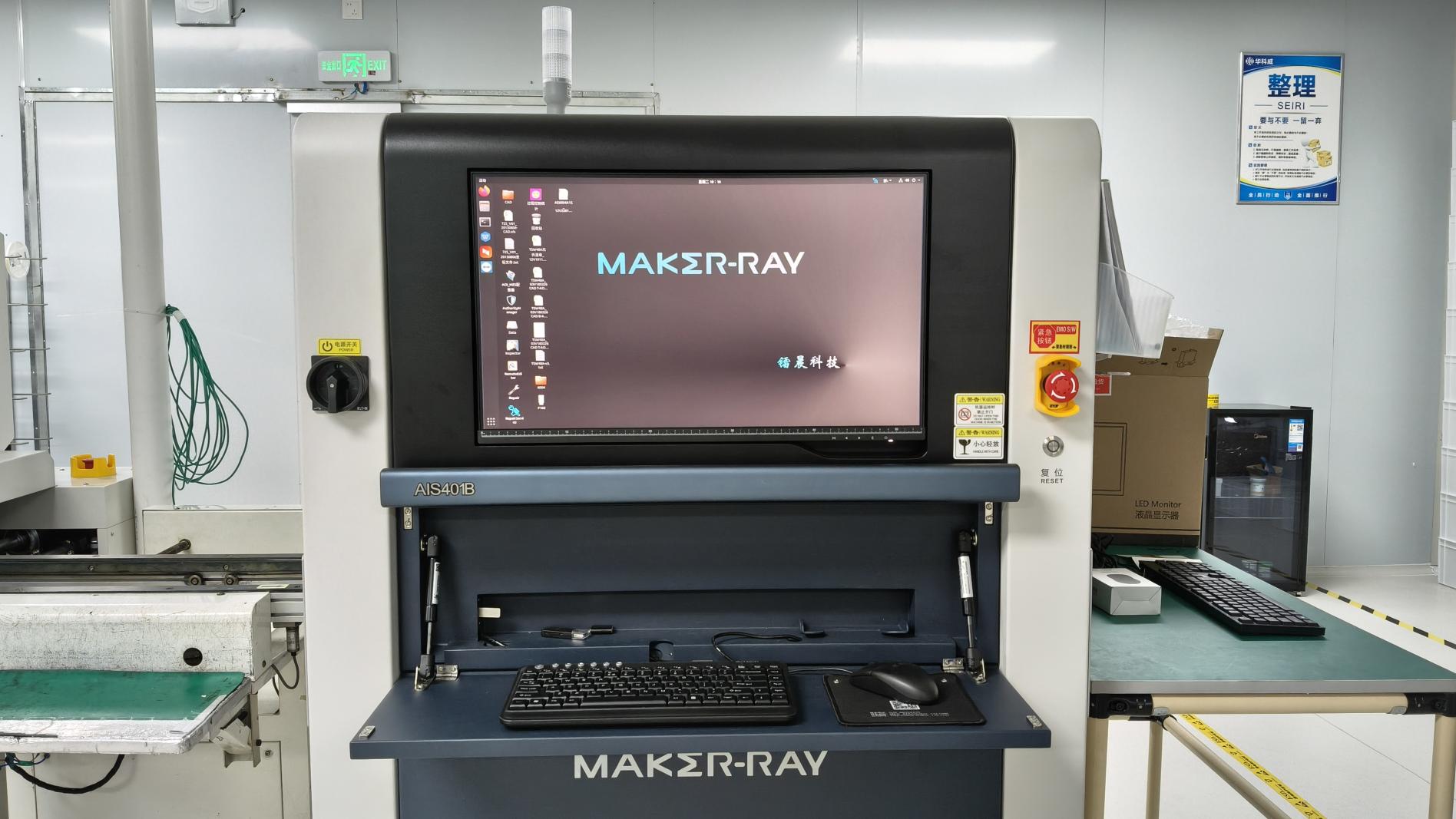
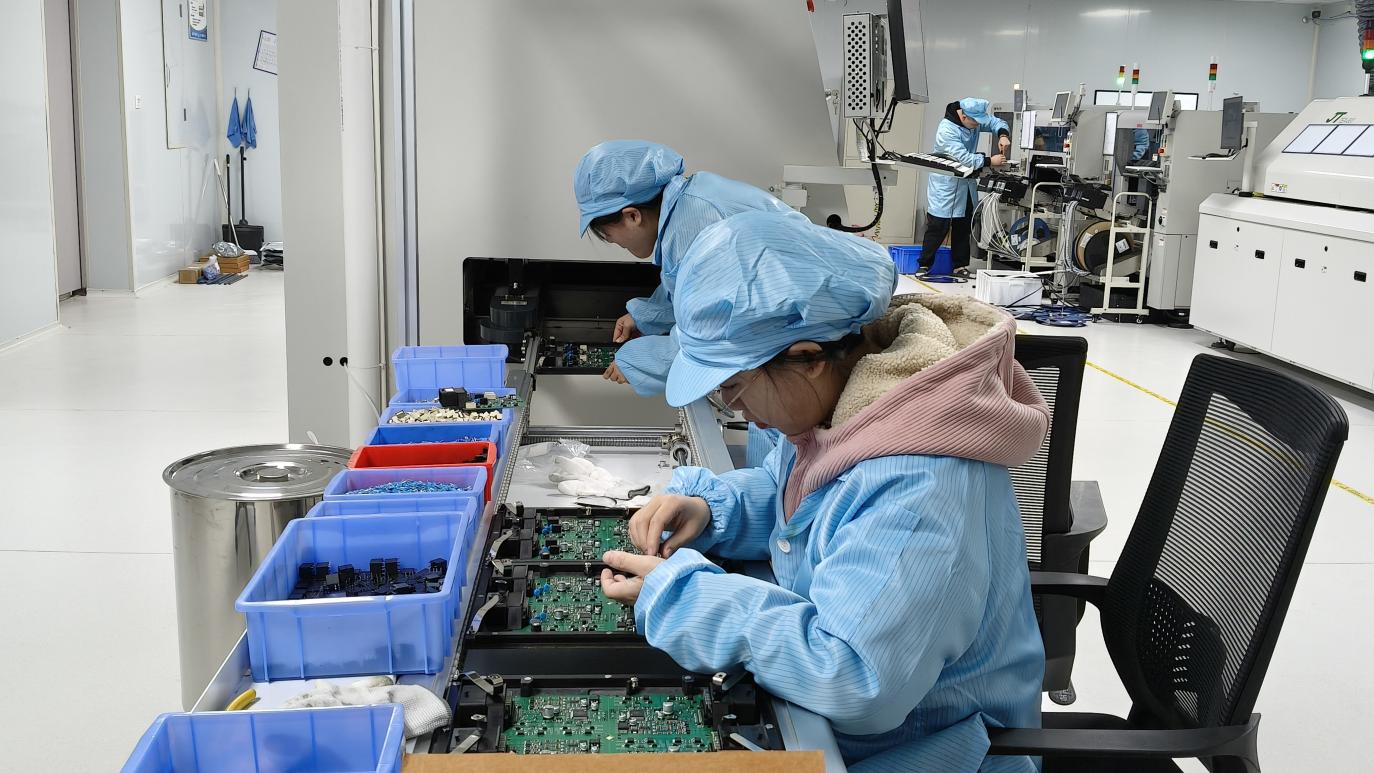
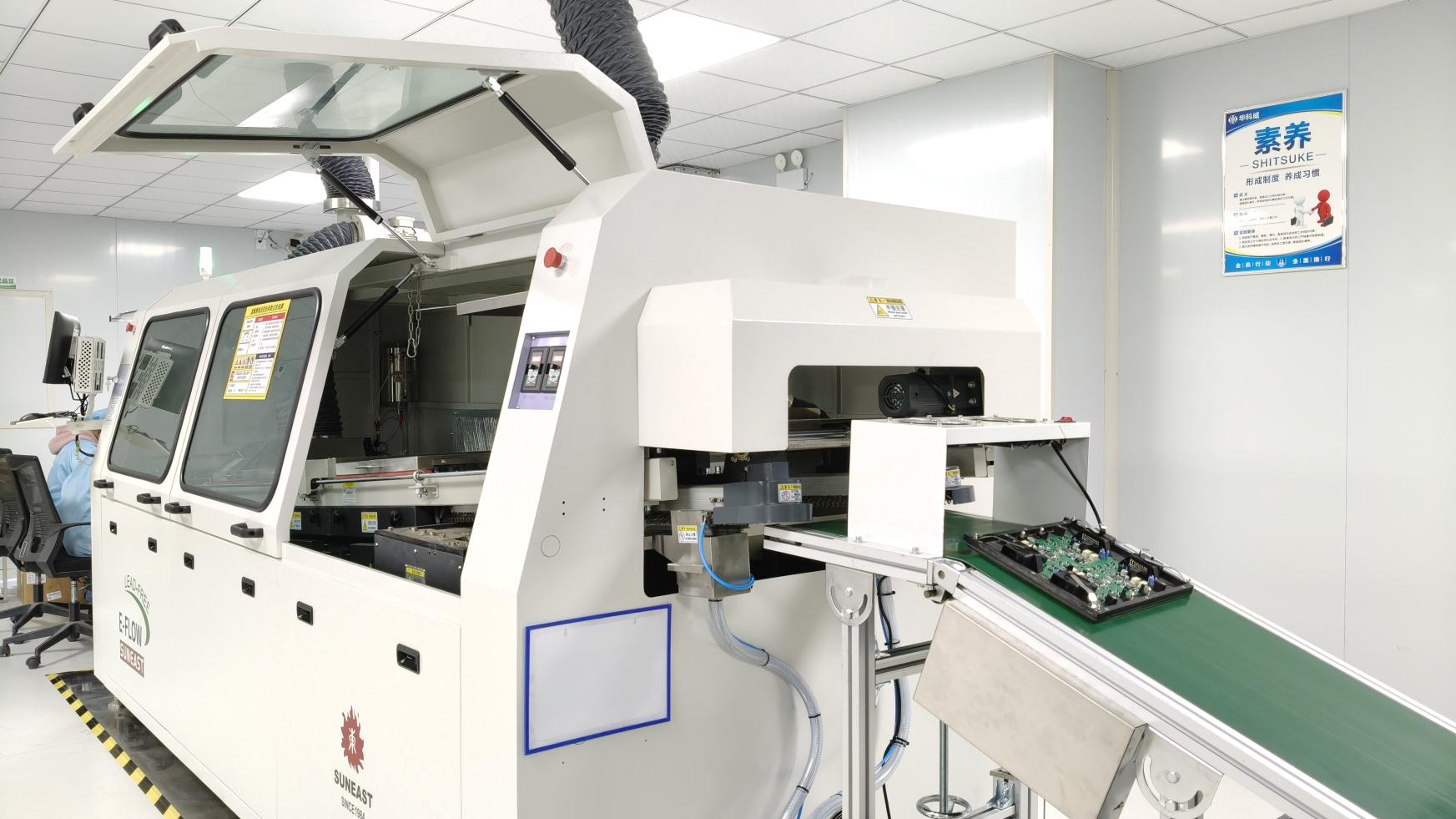
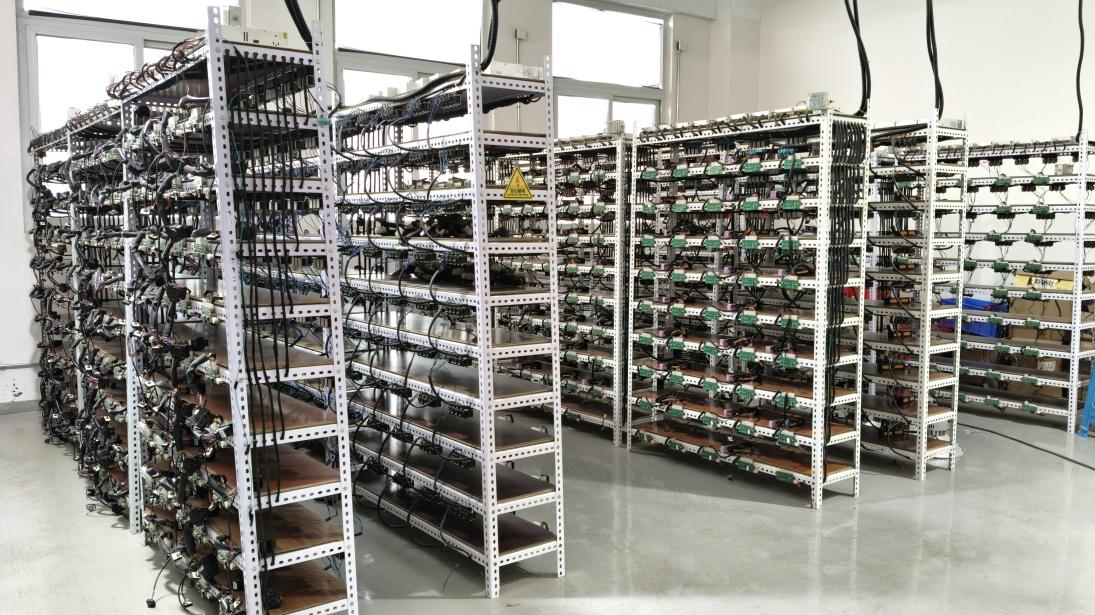
Our manufacturing facility features automated SMT production lines, wavesoldering machines, automated screw assembly, and precise optical testing systems. Every production phase is designed to ensure consistent performance, durability, and compliance with global safety standards.

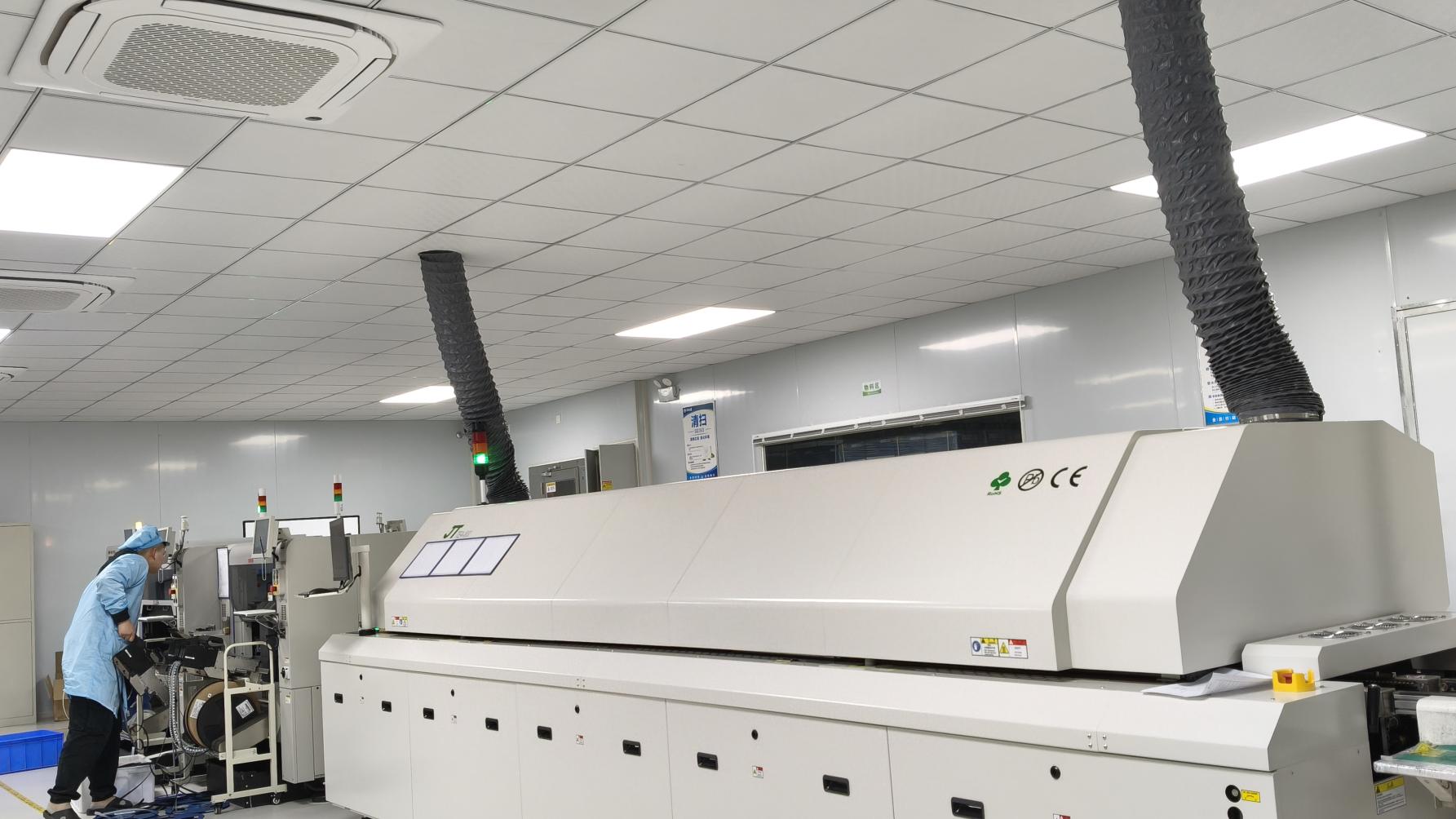
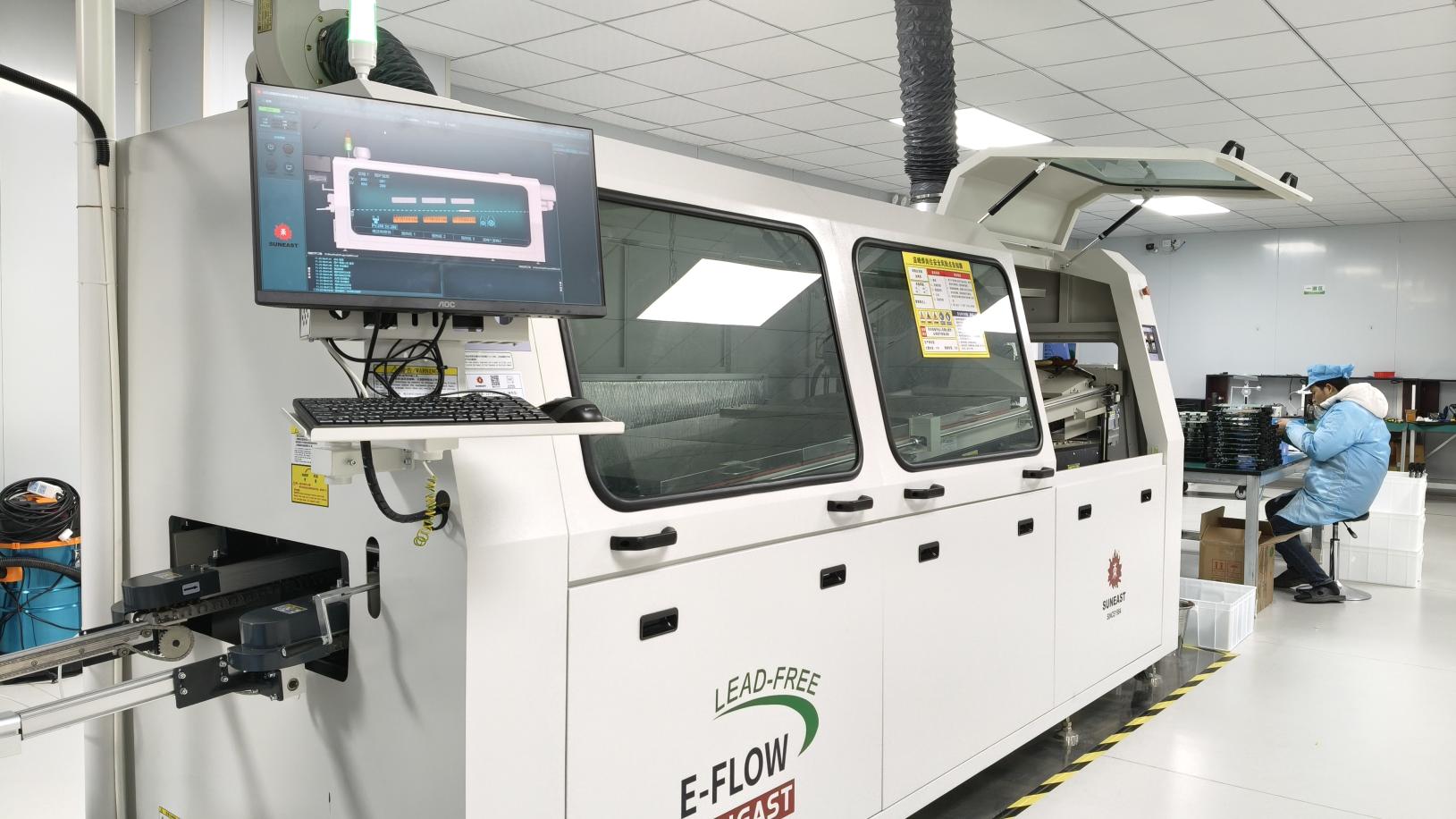
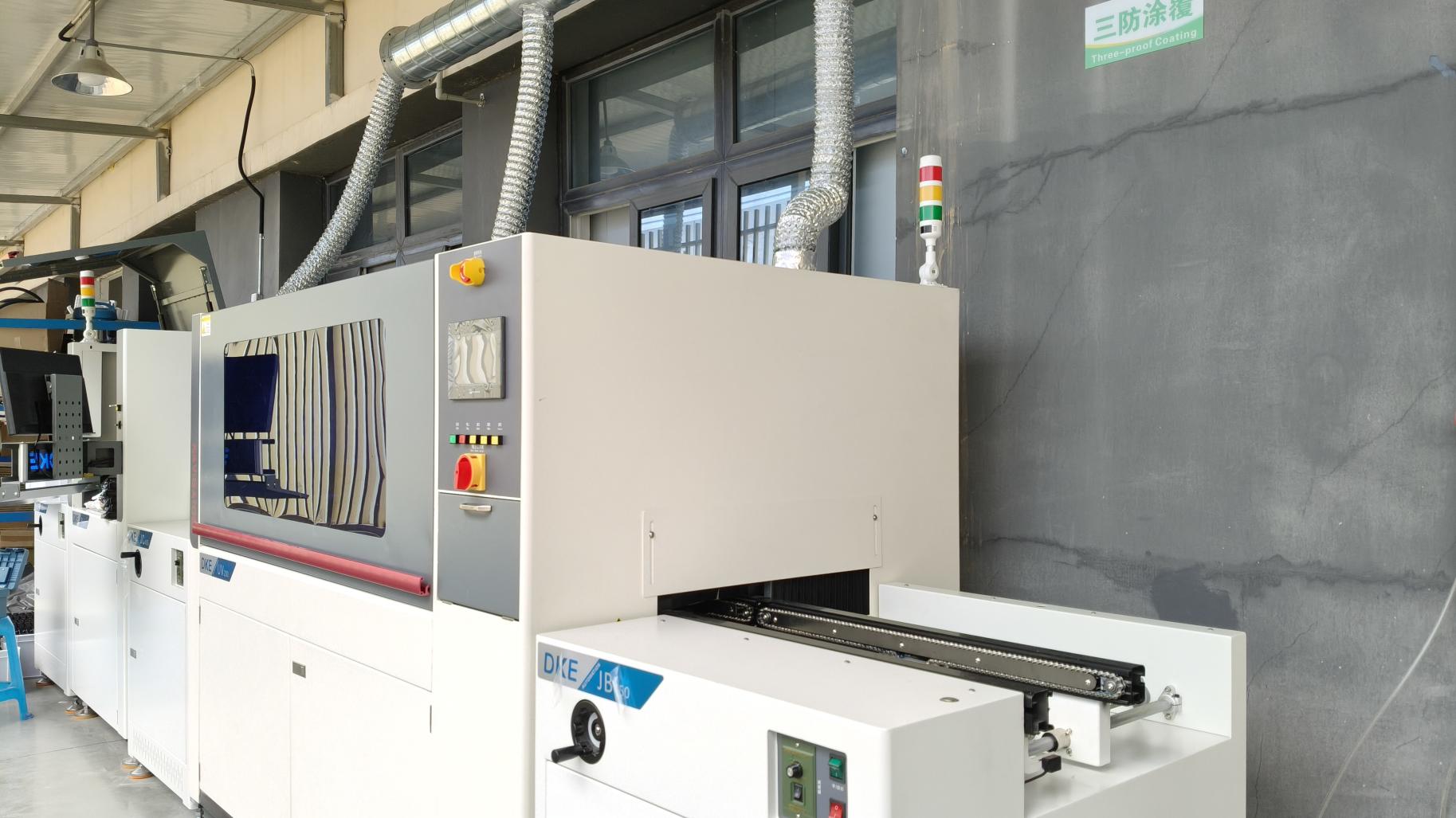
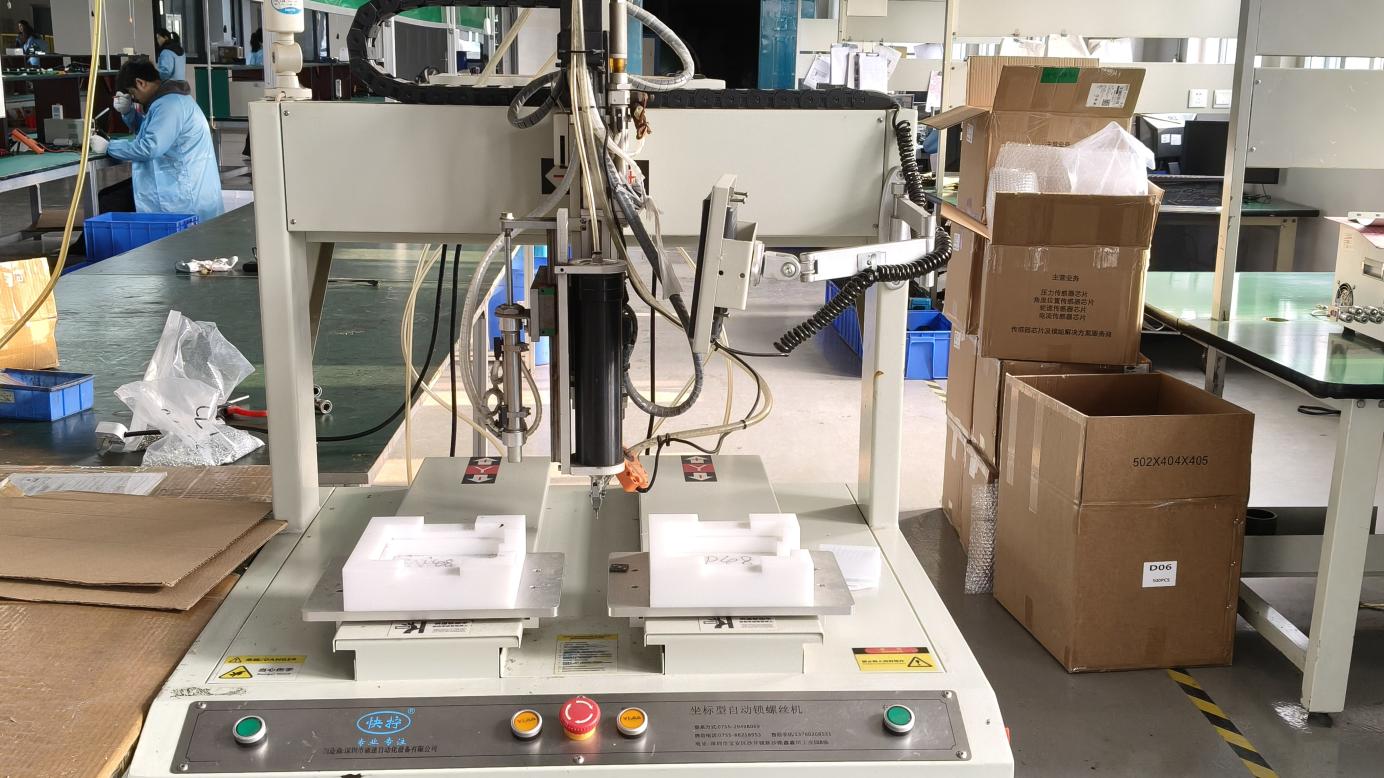
Selecting the correct downlight specifications requires matching the visual design with the specific technical requirements of the installation zone.
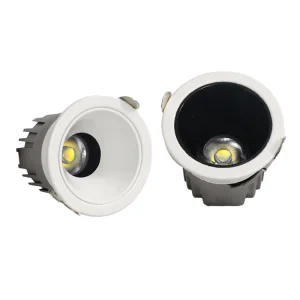
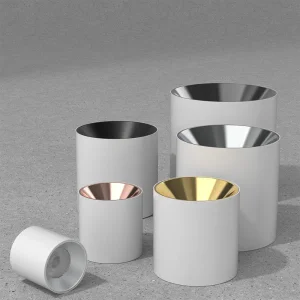
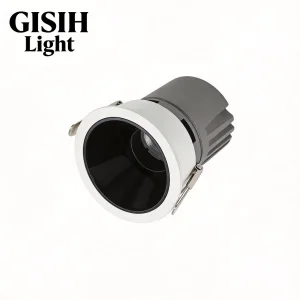
Omani residential architecture features high ceilings and spacious layouts. Lighting designs for these projects prioritize visual comfort. Deep-recessed, anti-glare COB downlights with trimless designs are often used to integrate cleanly with gypsum ceilings.
Color rendering index (CRI) values above 90 are specified to complement interior materials, while dimming compatibilities like DALI, Triac, or 0-10V allow integration with smart home control systems.
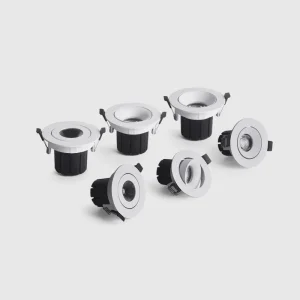
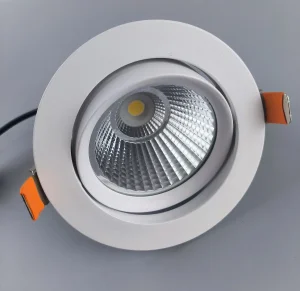
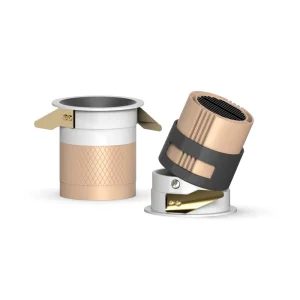
In busy retail locations, lighting is used to enhance product display and draw customer attention. Adjustable-angle COB spotlights are ideal for these spaces, allowing displays to be updated. High-power COB fixtures (18W to 35W) deliver necessary illumination from high ceilings, and double-color CCT changing models let retailers adapt the lighting to seasonal collections.
Institutional lighting projects focus on visual comfort and running costs. Large-scale public offices use LED grids and recessed COB downlights to achieve a balance of vertical and horizontal illumination, keeping glare low (UGR < 19) to reduce eye strain. Lower energy consumption (lm/W > 100) helps operators manage carbon footprints in line with municipal sustainability guidelines.
Contact our technical support team to receive comprehensive product data sheets, IES files, and custom ODM configurations designed for Oman's building regulations.
Send Inquiry Now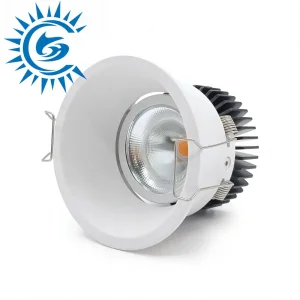
 Lili Light