Lili Light
Navigating the Japanese LED Infrastructure Landscape
The Japanese market represents one of the world's most rigorous benchmarks for LED outdoor lighting. As an elite exporter, Zhejiang Lili Light Co., Ltd. understands that succeeding in Japan is not just about lumen output; it is about absolute reliability, meticulous compliance with JIS (Japanese Industrial Standards), and seamless integration into smart city ecosystems.
Japan’s unique landscape—characterized by high seismic activity, frequent typhoon-driven precipitation, and a rapid transition toward "Society 5.0"—demands lighting solutions that are more than simple lamps; they must be durable, intelligent, and sustainable nodes in an urban network.
China Factory 4.0: Supply Chain Resilience & Efficiency
Our commitment to "Industry 4.0" allows us to bridge the gap between mass production and localized quality control. Unlike traditional manufacturers, our facility utilizes:
- Automated SMT & Welding: Precision-engineered PCB assemblies that ensure thermal stability in fluctuating temperatures.
- IP66/IP67 Integrity Testing: Every product undergoes accelerated weather testing to withstand Japan's diverse climatic zones, from the snowy north to the humid south.
- Lean Manufacturing: Reducing lead times while maintaining a 0.1% defect rate, ensuring that critical municipal projects remain on schedule.
Technology Roadmap: The Future of Smart Street Lighting
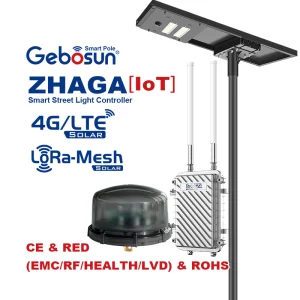
As Japan accelerates its smart city transformation, the demand for LoRaWAN, Zigbee, and Zhaga-compliant lighting systems has skyrocketed. Our engineering team is currently focused on:
- Edge Computing Integration: Street lights that act as data hubs for traffic monitoring and air quality sensing.
- Adaptive Dimming Algorithms: Reducing energy consumption by up to 60% during low-traffic hours, aligning with Japan's decarbonization goals.
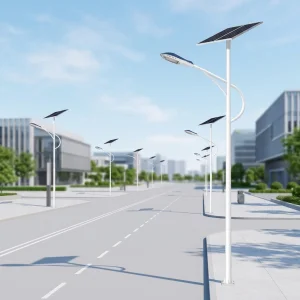
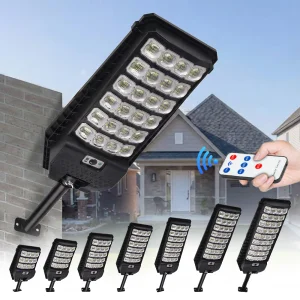
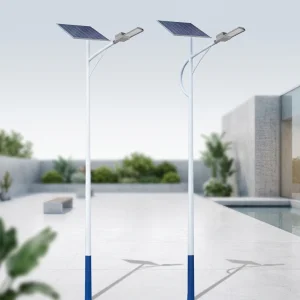
- Solar-Storage Hybridization: Enhancing battery life cycles for off-grid and emergency backup street lighting in mountainous regions.