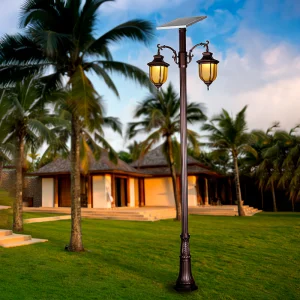
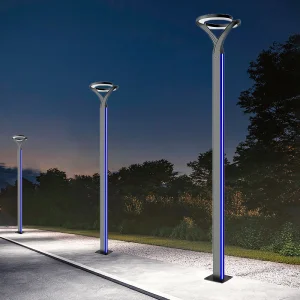
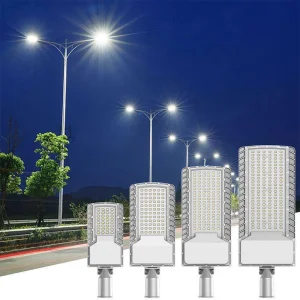
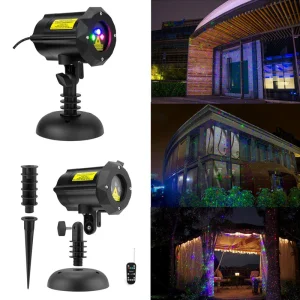
Selected high-performance lighting fixtures optimized for Swiss environmental regulations, thermal performance, and compliance standards.
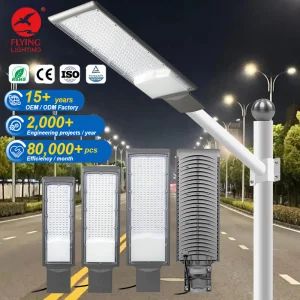
Analyzing key structural requirements, technological transformations, and regulatory compliance paths within the Swiss Confederation.
Switzerland is renowned for its stringent standards regarding energy efficiency, environmental safety, and public infrastructure reliability. Within the framework of the Swiss Energy Strategy 2050, cantonal governments and municipal utility companies (such as *EWZ* in Zurich or *SIG* in Geneva) have accelerated the transition of public road lighting to high-efficiency LED ecosystems.
Unlike other European markets, the Swiss market values long-term durability and structural precision due to its diverse topographies. In the Swiss Alps and surrounding valleys, LED street lights must operate reliably in conditions characterized by heavy snowfall, sub-zero temperatures down to -30°C, and heavy exposure to de-icing salt spray. Consequently, materials like marine-grade copper-free die-cast aluminum (such as EN AC-44300) and premium powder coatings with high corrosion resistance (C5-M class) are basic entry requirements for manufacturers targeting Swiss municipal tenders.
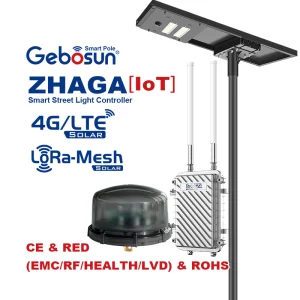
Swiss cities are leaders in smart city integrations. When sourcing LED street lights, buyers prioritize compatibility with IoT control platforms. Standard fixtures are increasingly required to feature standardized socket interfaces like Zhaga Book 18 or NEMA 7-pin nodes.
In major cities like Basel and Bern, street lighting acts as the backbone of municipal wireless networks. Zhaga-compliant systems incorporating LoRaWAN, cellular IoT (NB-IoT), and proprietary RF mesh nodes allow for adaptive "Light on Demand." This technical design matches ambient traffic levels, weather patterns, and pedestrian presence using localized radar and motion sensors. By adjusting dimming schedules in real-time, Swiss operators reduce municipal energy bills by up to 80% while extending LED diode lifespans.
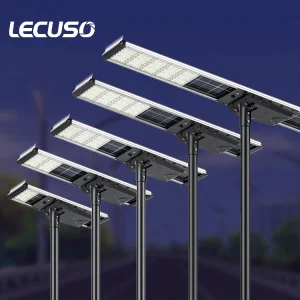
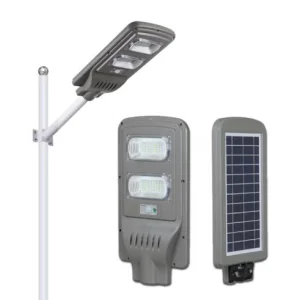
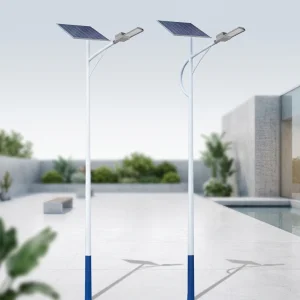
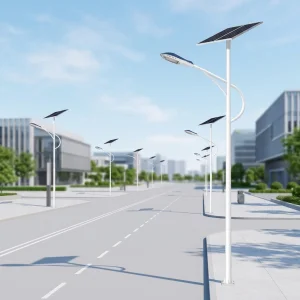
Solar-powered and hybrid configurations tailored for regions without direct grid access or for high-altitude ecological reserves.
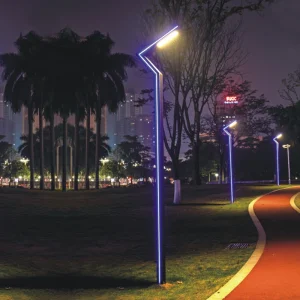
Light pollution is a significant environmental concern in Central Europe. Swiss regulations mandate that public lighting fixtures prevent light spill into the night sky, residential windows, and surrounding ecological habitats.
To satisfy the requirements of Swiss conservation bodies like Dark Sky Switzerland, fixtures must have a Upward Light Output Ratio (ULOR) of 0%. Optically, this requires precise horizontal glass diffusers and advanced asymmetric light distribution patterns that focus lumen output strictly onto roadways and sidewalks. Furthermore, warm color temperatures (ranging between 2200K and 3000K) are specified for eco-sensitive and rural corridors to limit blue light emission, which disturbs local wildlife and disrupts human circadian rhythms.
Complete compliance with European roadway lighting standards (Classes M1 to M6, P1 to P6) outlining exact lux, uniformity, and glare limitation guidelines (TI < 10%).
Fixtures designed to align with Switzerland's local premium energy-efficiency construction standard (Minergie-P / Minergie-A labels) via high lm/W efficacy.
Commitment to circular design paradigms: easily replaceable LED driver gear trays, modular LED boards, and recyclable die-cast aluminum alloys.
For Swiss public procurement tenders, having comprehensive quality documentation is vital. The core standards for acceptance include:
Zhejiang Lili Light Co., Ltd. is an experienced manufacturer supplying standard and customized LED street lighting solutions. Our advanced, quality-controlled production environment ensures reliable operation for global markets.
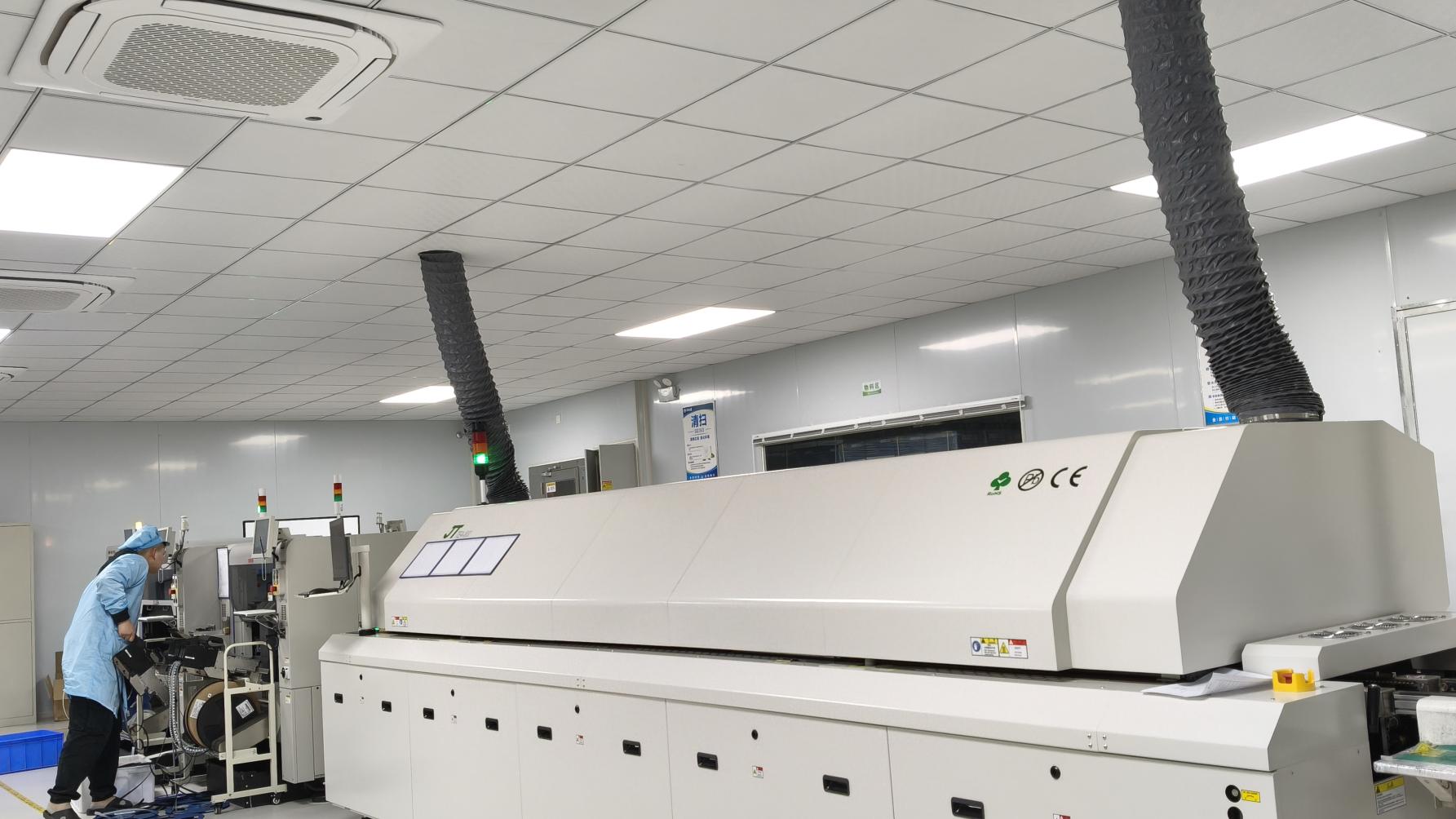
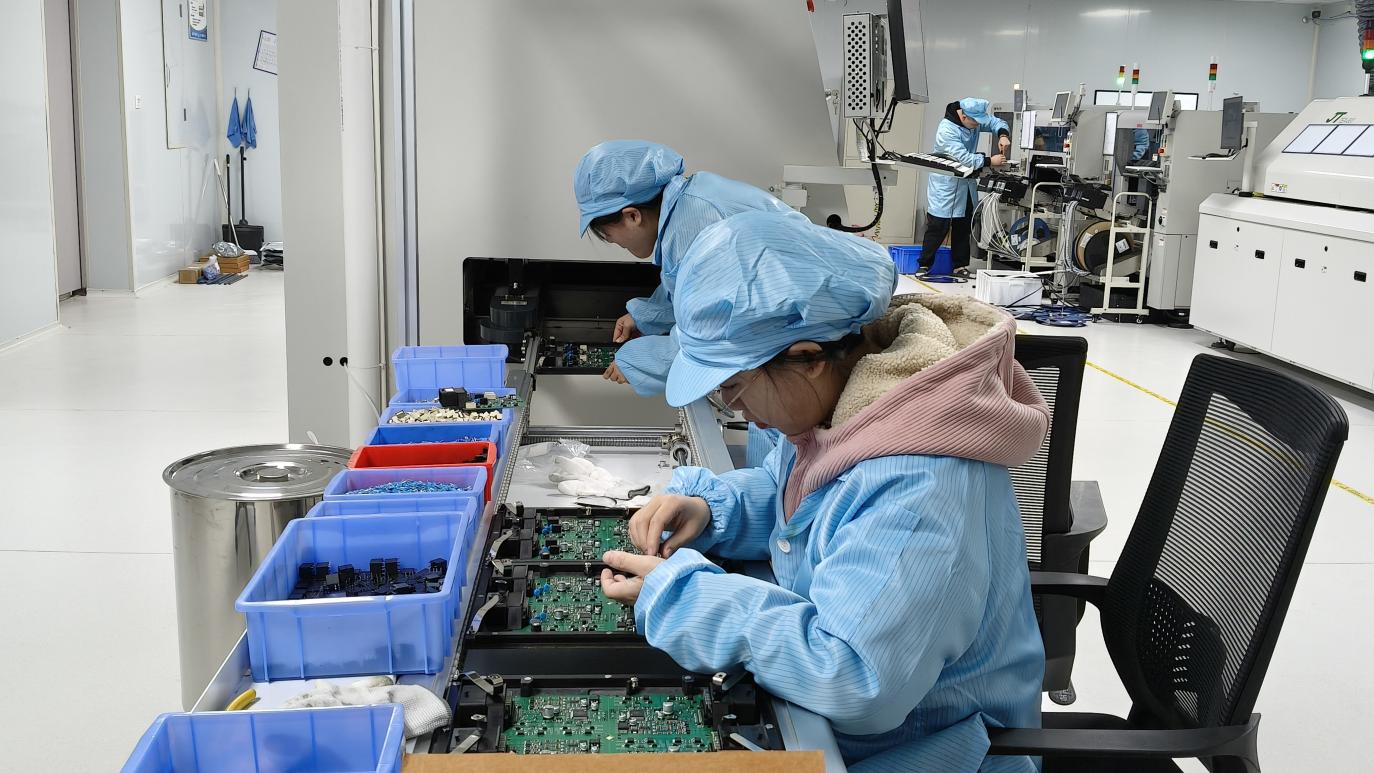
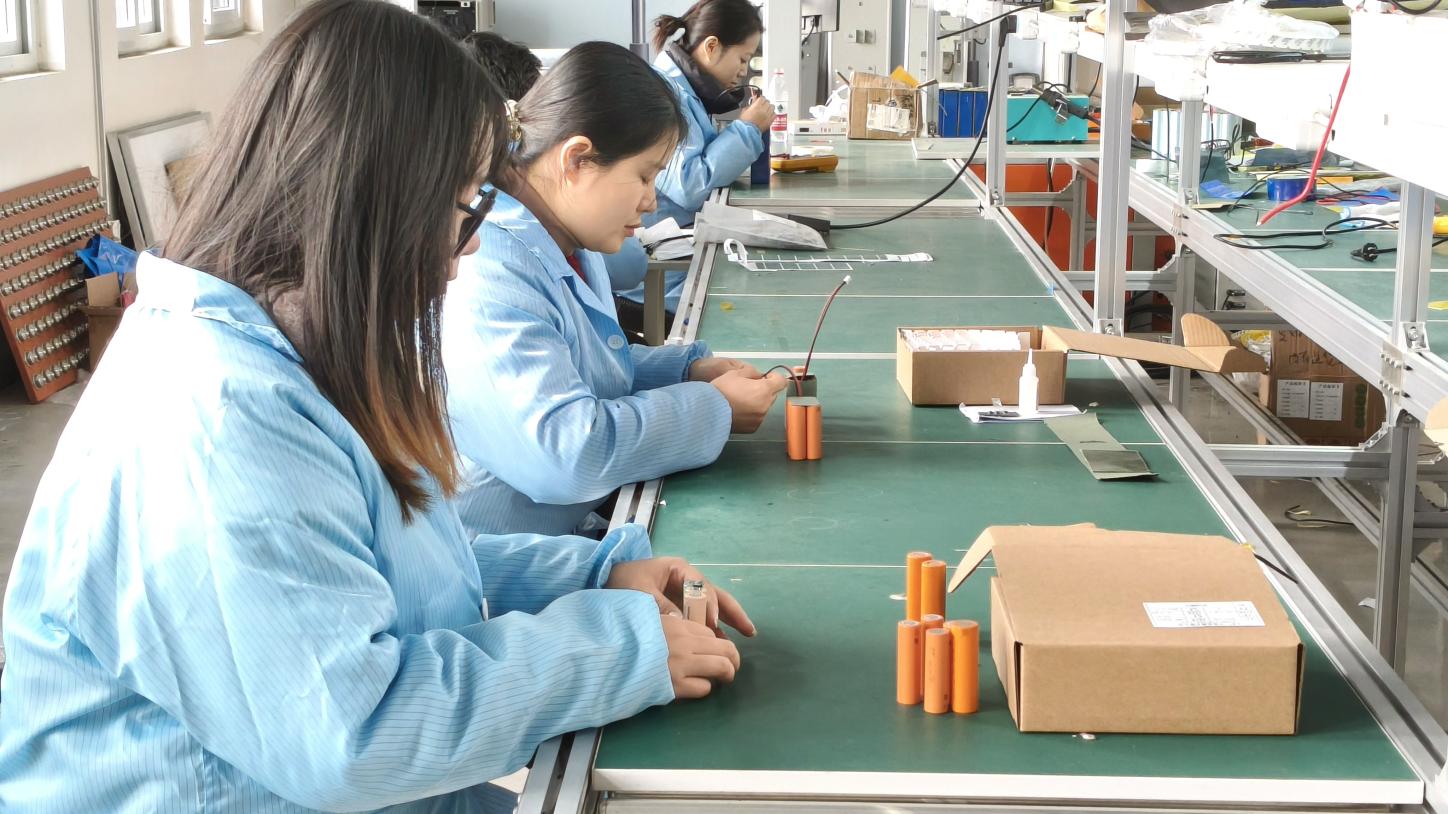
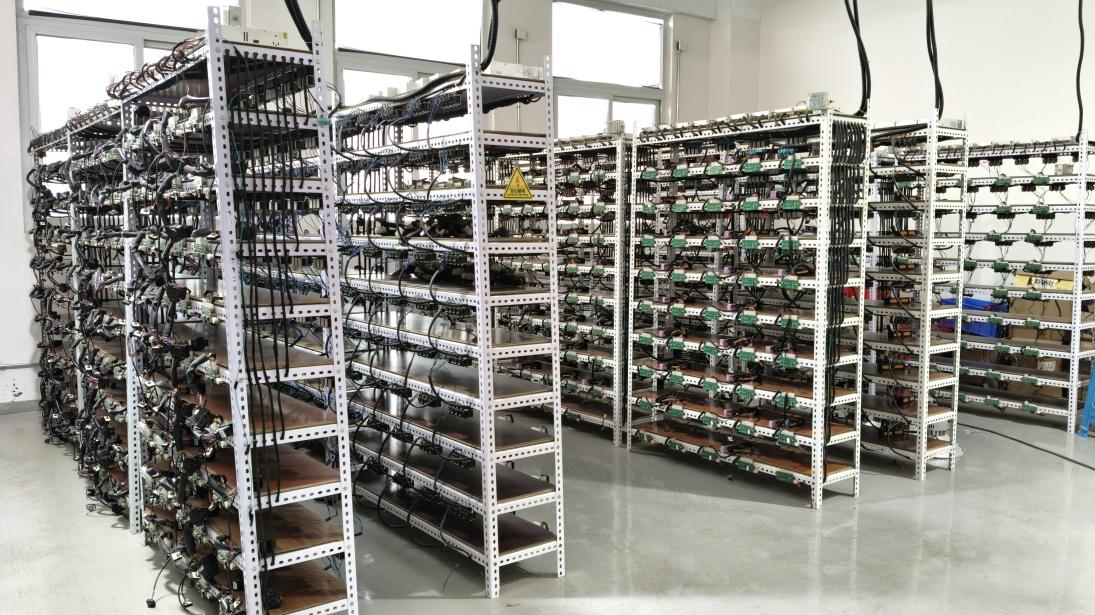
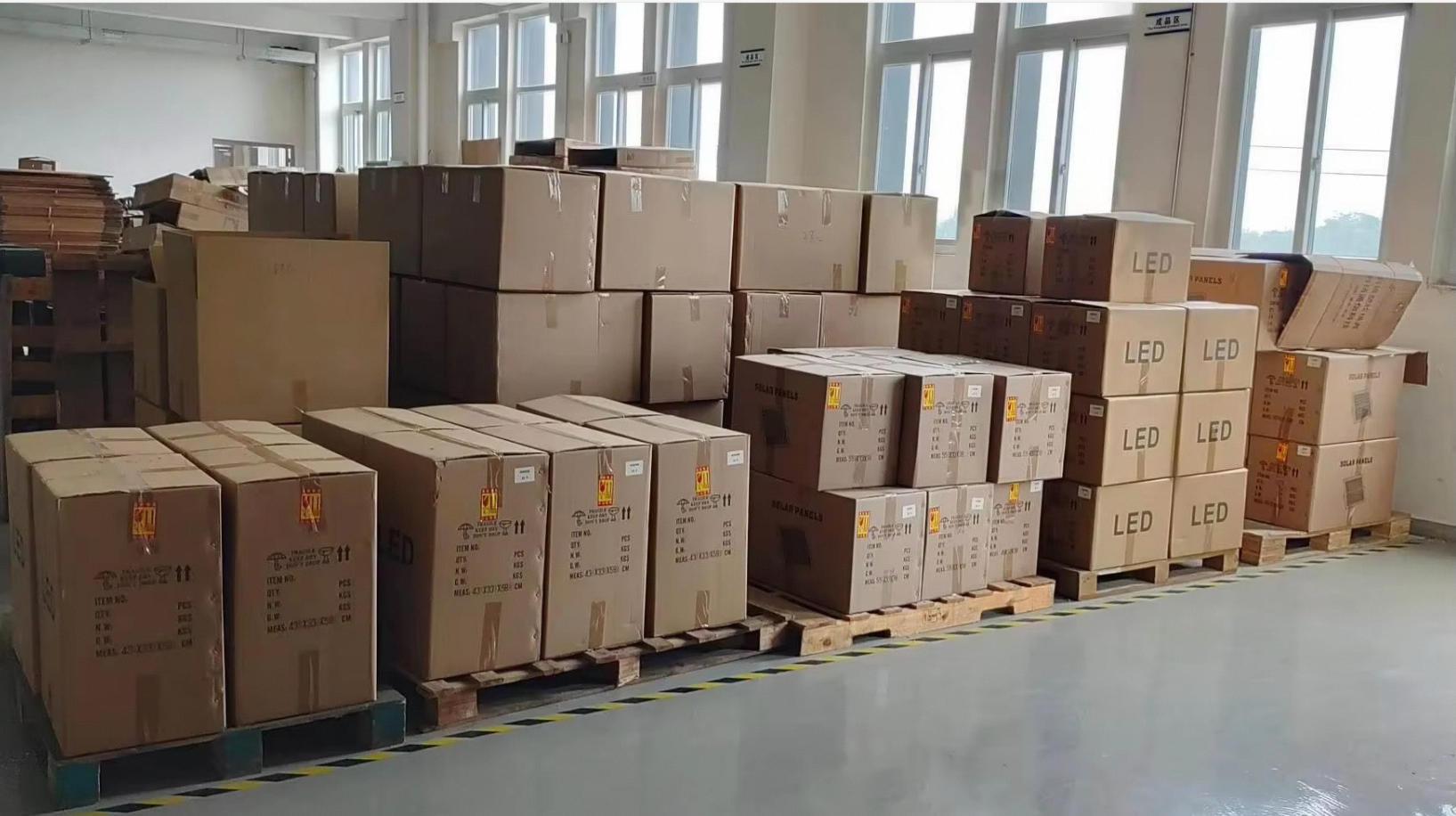
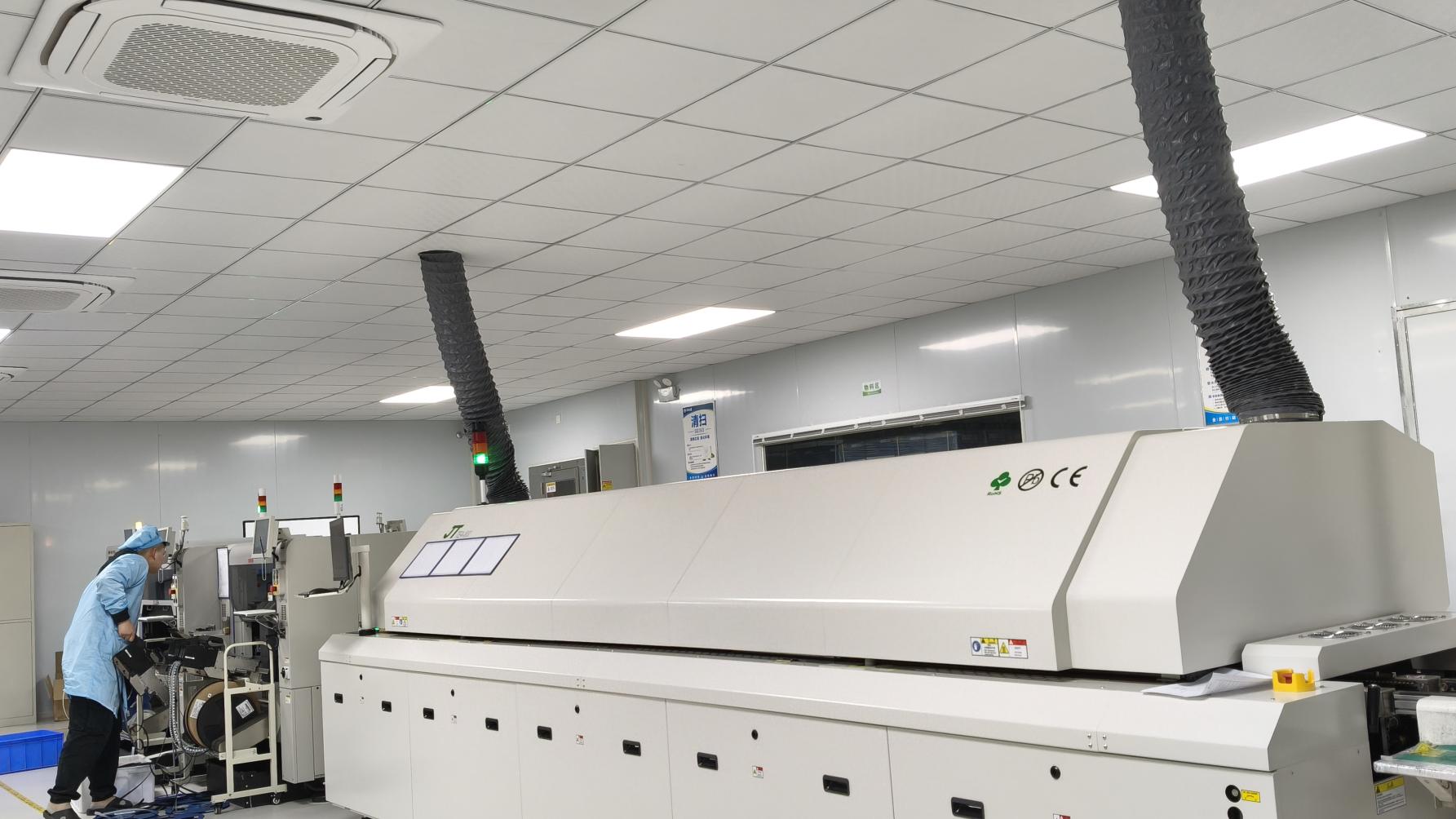
As an established manufacturer and exporter, Zhejiang Lili Light Co., Ltd. invests heavily in product engineering, manufacturing technology, and strict quality control protocols. Backed by automated production lines and comprehensive testing labs, our systems are optimized to meet the quality benchmarks demanded by European and Swiss clients.
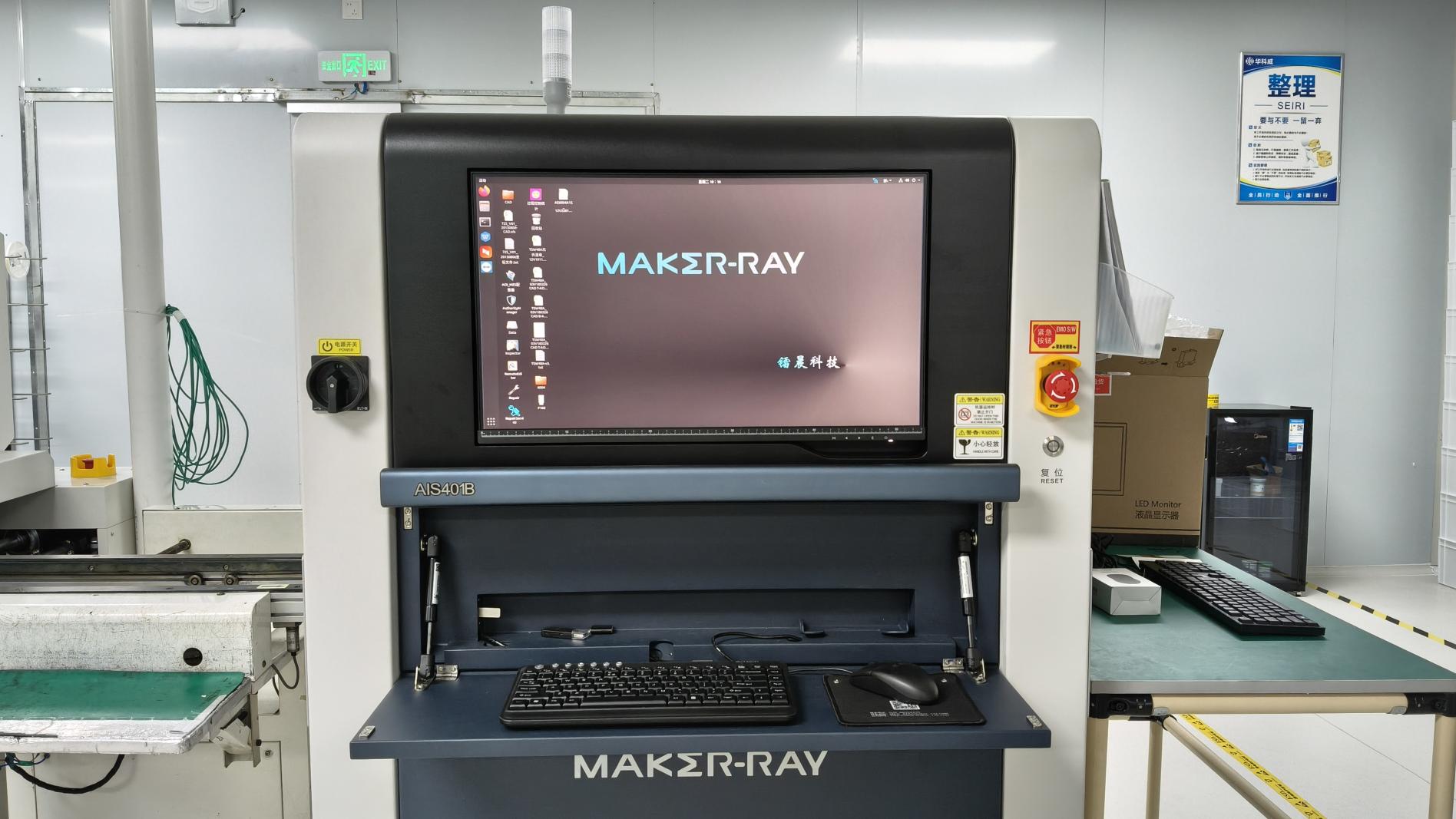
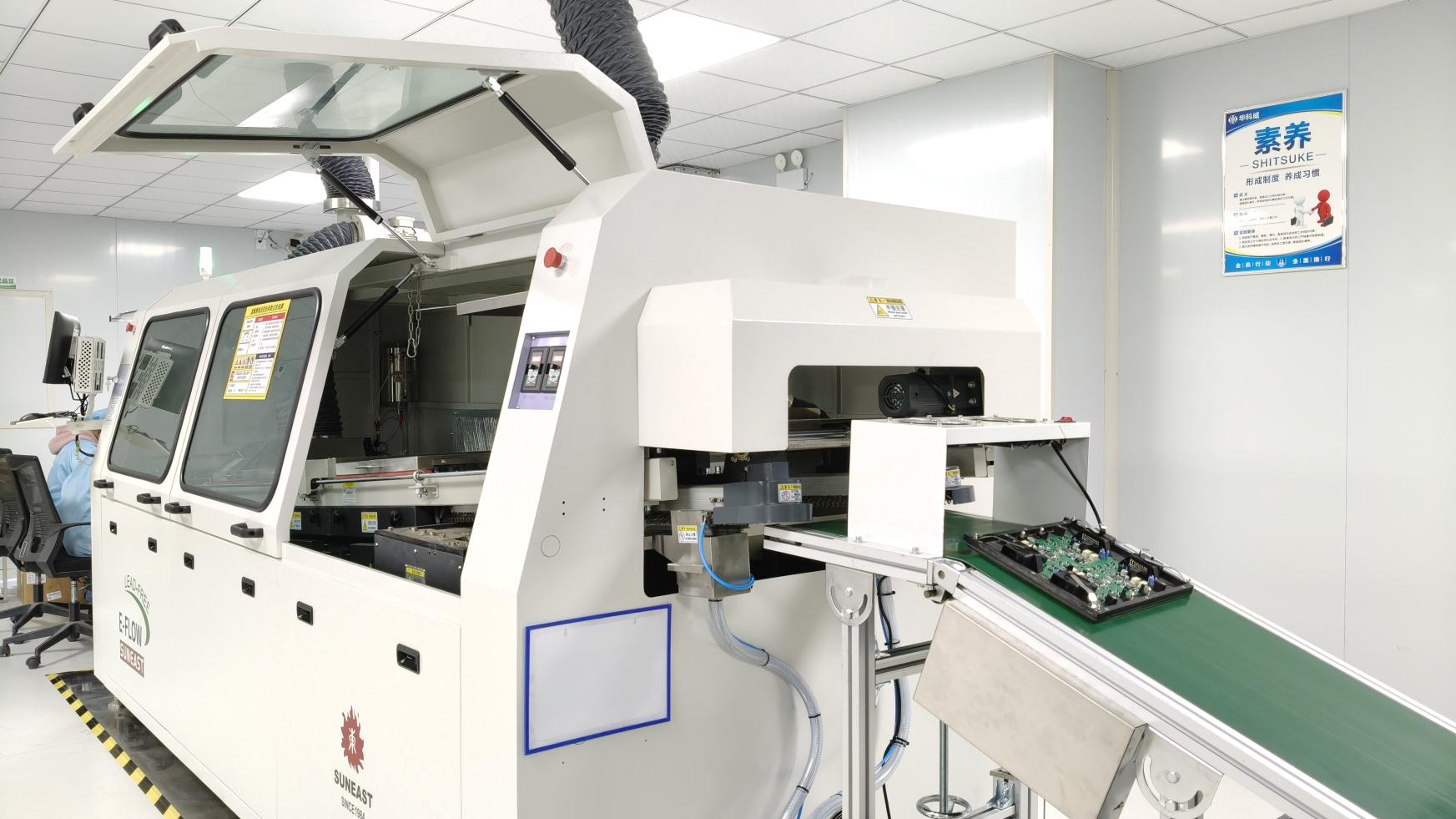
Our manufacturing facility includes SMT surface mounting lines, wave soldering systems, automated assembly stations, and advanced testing setups (including AOI visual inspection and full environmental aging tests). Every product undergoes inspection throughout the manufacturing cycle to ensure long operational lifetimes and consistent photometric performance. We provide flexible OEM and ODM services to adapt physical castings, driver systems, smart IoT controller options, and lens configurations to your project's technical specifications.

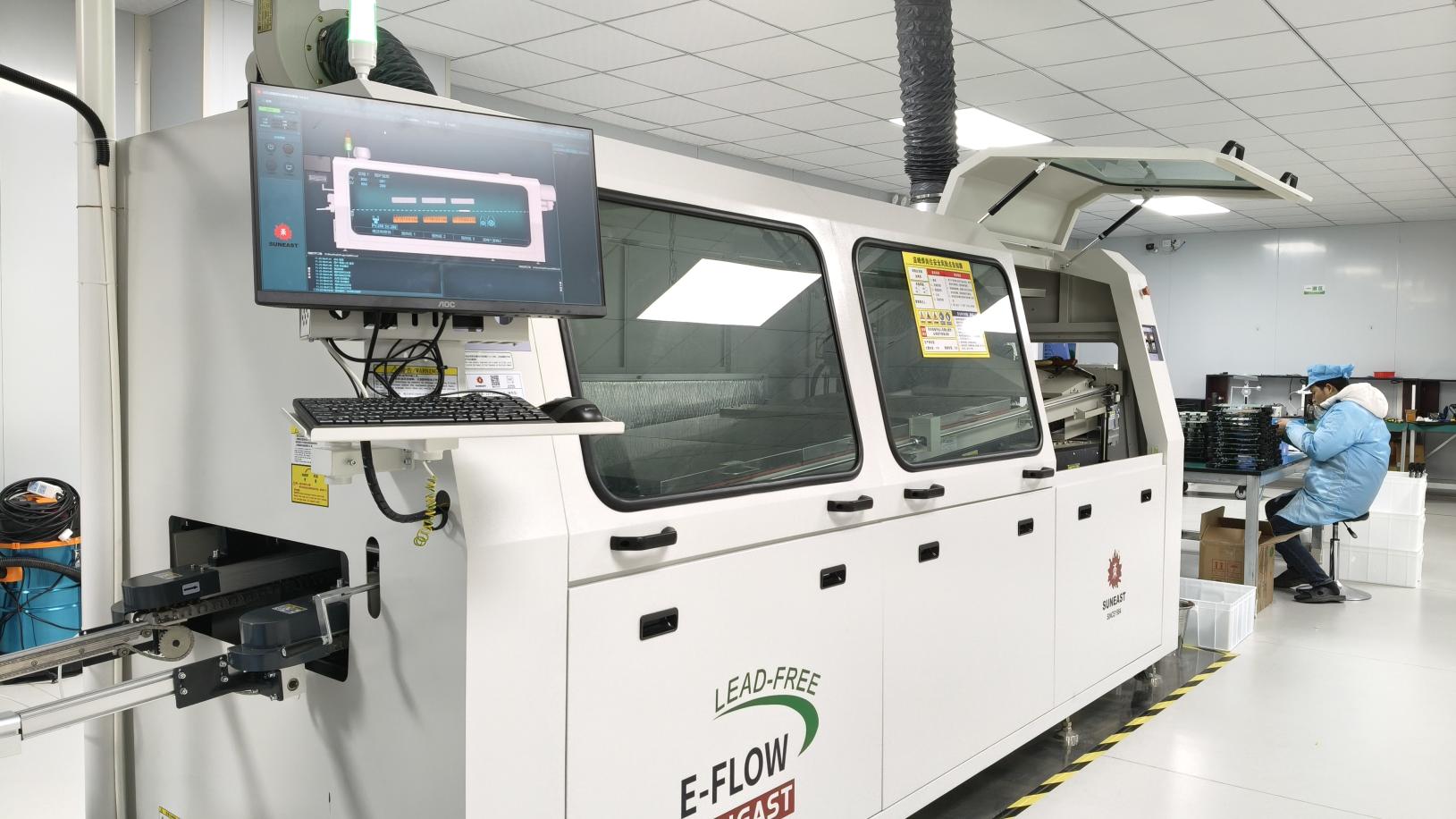
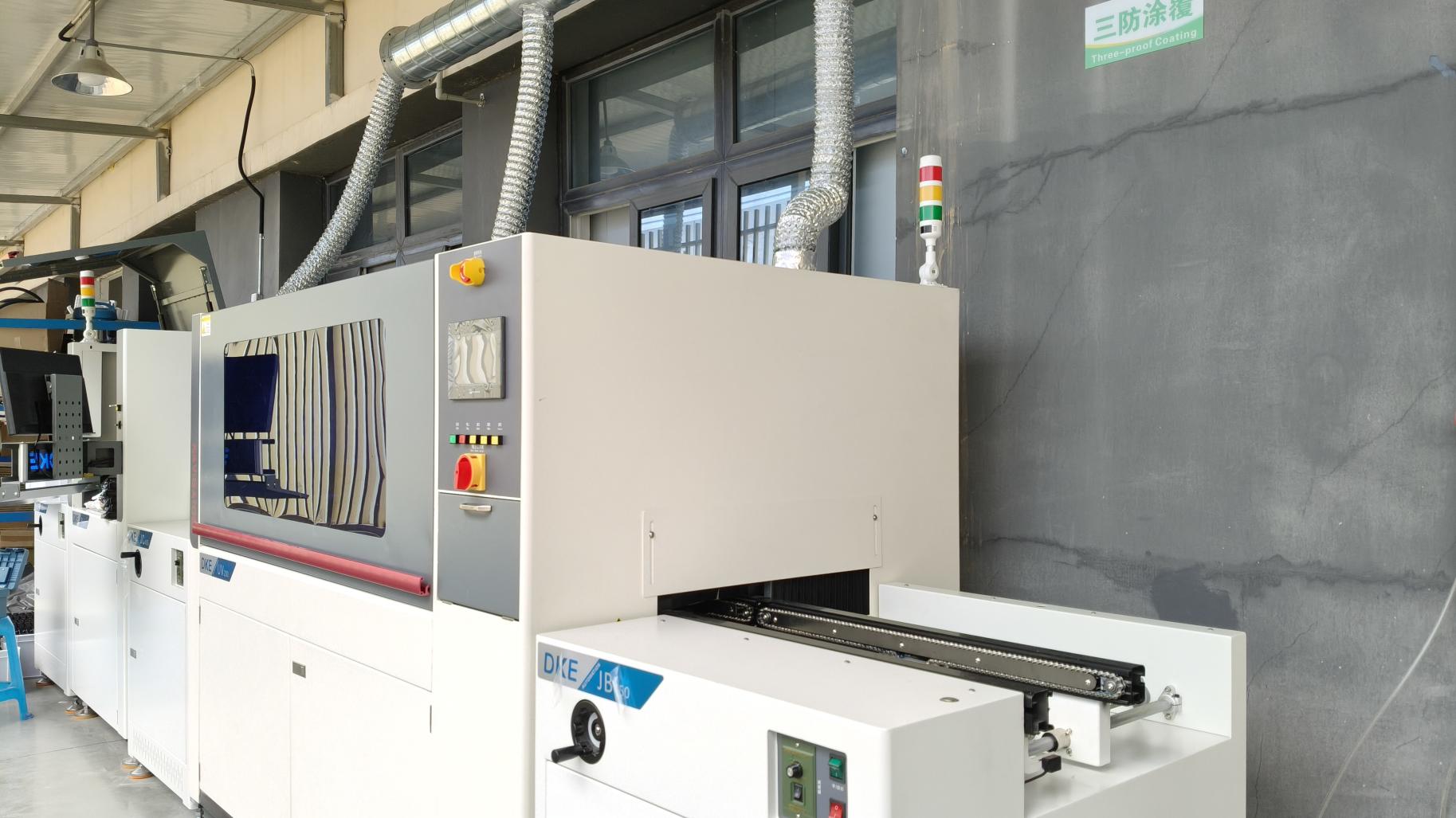
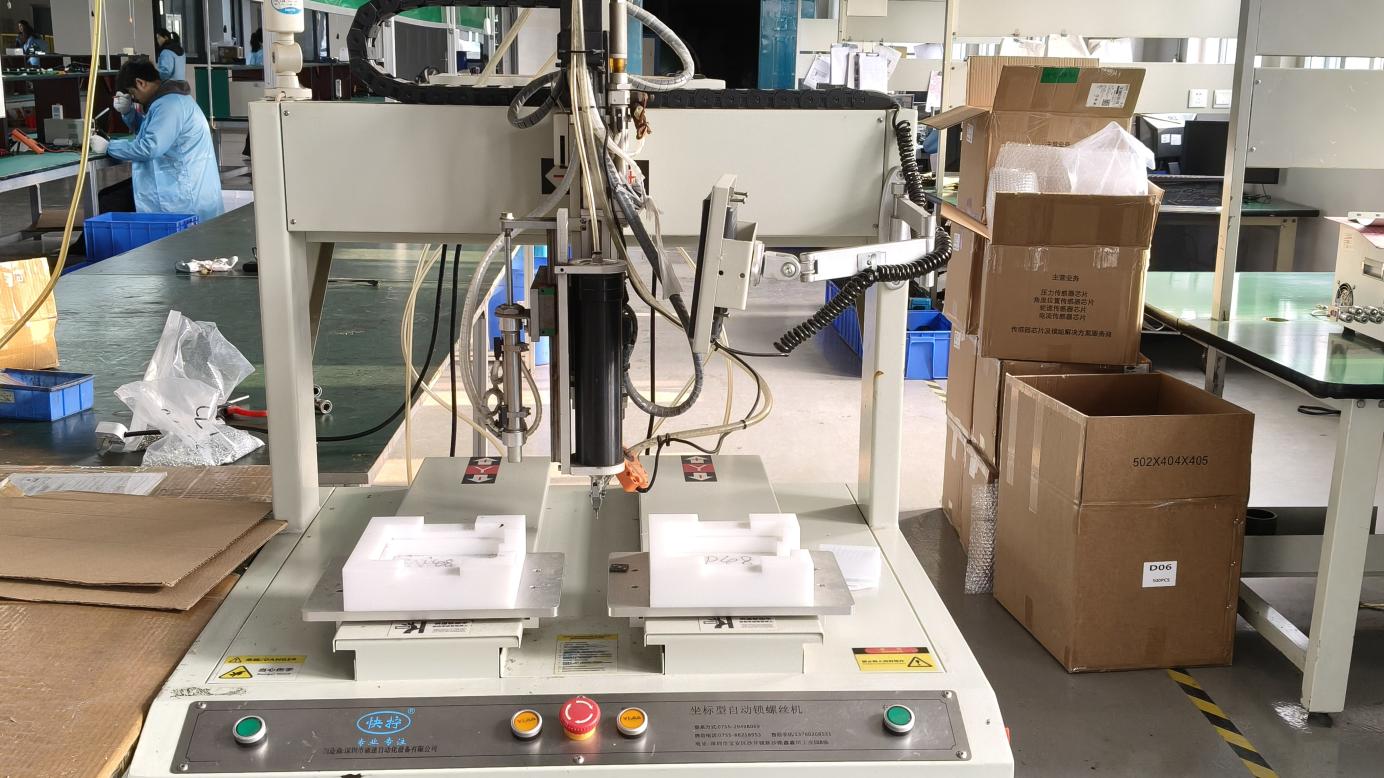
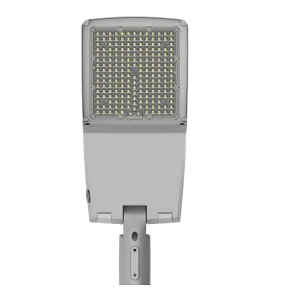
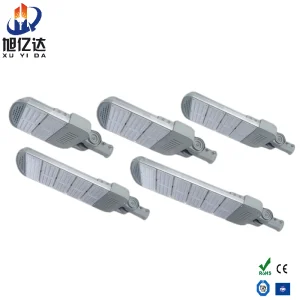
A broad range of high-efficiency LED road luminaires, solar installations, and retrofits with full regulatory certifications.
Swiss public utilities and private project planners require structural reliability and cost predictability when sourcing. To optimize ROI, procurement teams should evaluate:
The future of public lighting in Switzerland focuses on sustainability and digital integration. Key trends shaping municipal lighting investments include:
Dynamic Optical Systems: Adaptive optics that change beam patterns based on environmental sensors or traffic patterns to reduce glare during wet, reflective conditions on alpine roads.
Ecological Conservation Optics: Advanced amber-spectrum LEDs (sub-2000K CCT) that limit blue light emissions while maintaining adequate visibility, safeguarding biodiversity in protected nature reserves.
Circular Material Sourcing: Using low-carbon recycled aluminum, water-based finishes, and designing components for complete end-of-life material recovery.
Expert answers regarding Swiss specifications, logistics, customization capabilities, and compliance standards.
Whether you are preparing a municipal tender response, updating a parking lot layout, or planning an industrial logistics yard upgrade in Switzerland, our technical team can assist you with lighting calculations, customization options, and quotation services.
 Lili Light