Engineered for high color fidelity, thermal management, and rapid deployment in Australian distribution grids.
Why local compliance, thermal endurance, and high luminous efficiency dictate system ROI down under.
Australia’s commercial and industrial sectors are undergoing a massive transition driven by stringent energy efficiency directives, rising operational overheads, and aggressive net-zero targets by 2030–2050. From warehouse networks in Western Sydney to deep underground mining shafts in Western Australia’s Pilbara region, standard legacy linear fluorescent lights (such as T8 and T12 magnetic ballast systems) are being phased out rapidly. Electrical contractors and project specifiers demand premium grade LED replacements that deliver sustained performance under demanding local conditions.
In addition, local state-sponsored environmental schemes, such as the Victorian Energy Upgrades (VEU - formerly VEET), New South Wales Energy Savings Scheme (ESS - IPART approved), and South Australia’s REPS, create a commercial environment where lighting products must not only perform but must also hold strict accreditations to be eligible for government rebate subsidies. A non-accredited LED tube light is effectively barred from large-scale government and municipal upgrades, making direct factory collaboration with compliant global manufacturers a critical commercial strategy.
The Australian climate is characterized by intense heat cycles, coastal humidity, and dry, dusty inland environments. Standard residential-grade LED tubes fail prematurely when installed in unconditioned industrial metal warehouses where interior summer temperatures can exceed 45°C. Heat buildup within the polycarbonate housing degrades both the LED chips and the internal driver capacitors. Premium manufacturers counter this by engineering high-grade 6063 architectural aluminum backbones combined with isolated IC drivers, ensuring optimal thermal paths and preventing catastrophic driver failures.
Custom lighting topologies tailored for Australia's primary economic sectors.
Logistic networks throughout Sydney's Outer West, Melbourne's Truganina, and Brisbane's Port area require uninterrupted lighting systems. In sub-zero cold storage units, legacy fluorescent tubes suffer from delayed start-ups and diminished light output. Lili Light’s IP65 and IP67 vapor-proof LED linear systems remain fully operational down to -20°C, offering instantaneous strike rates and consistent light output without structural degradation from ice accretion.
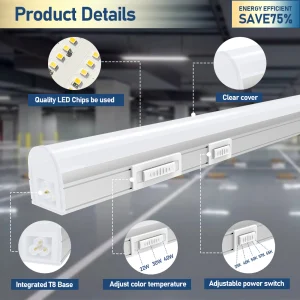
Under the NABERS (National Australian Built Environment Rating System) and Green Star ratings, building managers must optimize Energy Star ratings. Retrofitting T5 and T8 fluorescent systems in Melbourne and Sydney commercial towers with CCT-selectable integrated battens allows facilities to switch color temperatures dynamically (e.g., 3000K for breakout rooms, 4000K for standard work areas, and 5000K for drafting layouts) while cutting utility bills by more than half.
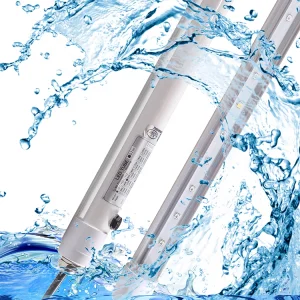
The Pilbara and Goldfields regions operate under extreme dust, vibration, and temperature variables. Standard AC voltage tubes present safety and reliability hazards under heavy machinery vibrations. Safe-voltage 24V DC IP67 waterproof working light tubes are deployed in mechanical bays, crusher enclosures, and heavy vehicle workshops, mitigating electrical fire hazards and resisting washdowns.
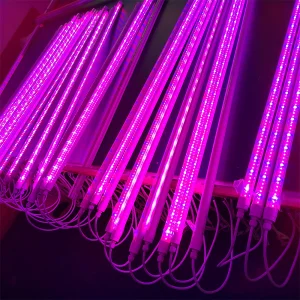
Horticultural developments in South Australia and Victoria utilize greenhouse cultivation. Incorporating full-spectrum T8 LED grow light tubes provides optimal photosynthetic photon flux density (PPFD) without excessive heat generation. Similarly, for deep-water marine cultivation, IP68 hermetically sealed submersible tubes withstand saline environments while providing targeted spectra to support coral growth and aquaculture management.
Where the linear LED lighting sector is heading over the next five years.
As solid-state lighting technology matures, raw efficacy (lumens per watt) remains a major design vector. Historically, standard LED tubes achieved approximately 100 lm/W. Today, premium platforms utilize advanced high-efficacy SMD2835 chips combined with premium driver topologies to push boundaries to 150 lm/W, and even up to 180 lm/W in specialty configurations. This drastically reduces the payback period for large-scale commercial installations, turning capital expenditure into long-term operational savings.
| Technology Metric | First-Gen LED Tubes (Historical) | Current Industry Standard | Next-Gen Smart LED Tubes (Lili Light 2025) |
|---|---|---|---|
| Luminous Efficacy | 90 - 110 lm/W | 120 - 135 lm/W | 150 - 180 lm/W (Ultra-High Efficacy) |
| Driver Intelligence | Fixed Output / Non-Dimmable | Standard 1-10V or Triac Dimmable | DALI-2 / Zigbee IoT Integrated Smart Dimming |
| Lumen Maintenance | L70 @ 25,000 Hours | L70 @ 50,000 Hours | L80B10 @ 75,000 Hours (Long-life thermal management) |
| Selectability Options | Single CCT / Single Wattage | Dual Switch CCT Selectable | Multi-Wattage & 5CCT (3000K to 6500K) All-in-One SKU |
The next frontier is the conversion of simple illumination units into nodes in a larger building intelligence system. Incorporating DALI-2 (Digital Addressable Lighting Interface) and wireless mesh protocols directly into the T5/T8 integrated ballast housings enables occupancy sensing, daylight harvesting, and automated asset tracking. For example, in large logistics hubs, sensors built directly into linkable shop light tubes dim inactive aisles to 10% standby output, instantly scaling back up to 100% when forklifts approach. This dynamic control layer optimizes commercial operations while preserving diode longevity.
Inside the automated production facilities of Zhejiang Lili Light Co., Ltd. - Ensuring consistent global standards.
A resilient supply chain relies on deep vertical integration, technological scale, and stringent process monitoring. Zhejiang Lili Light Co., Ltd. has established itself as an industry-leading manufacturer and exporter of advanced LED lighting solutions. By keeping primary production steps—from SMT surface mounting to final wave soldering and multi-stage aging chambers—completely in-house, we eliminate external logistical bottlenecks and maintain absolute control over build tolerances.
Every step of the manufacturing lifecycle is designed to meet strict international standards, guaranteeing that the products sent to Australia, South America, and Europe perform exactly as specified. Below is a detailed breakdown of our key production phases:
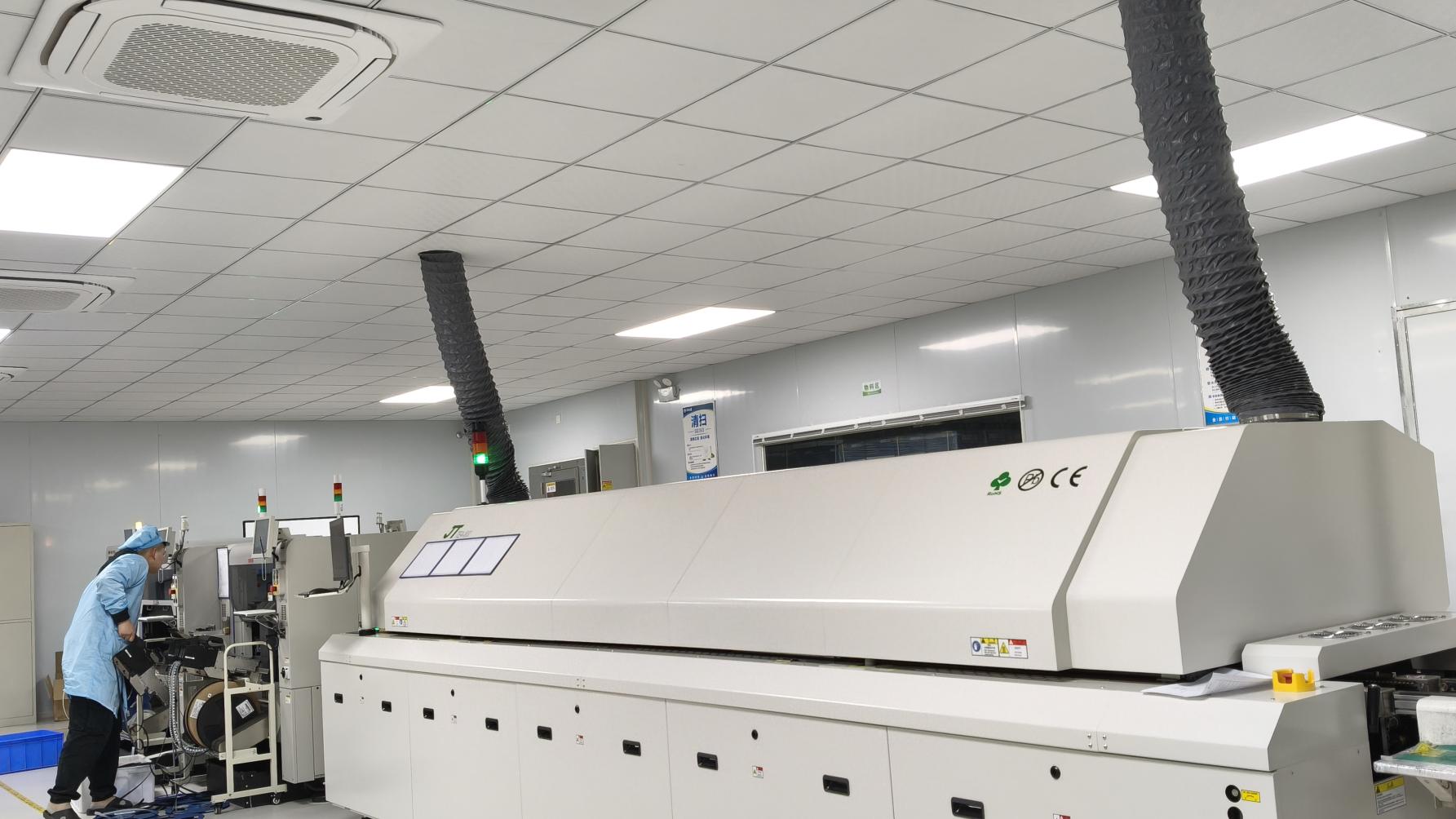
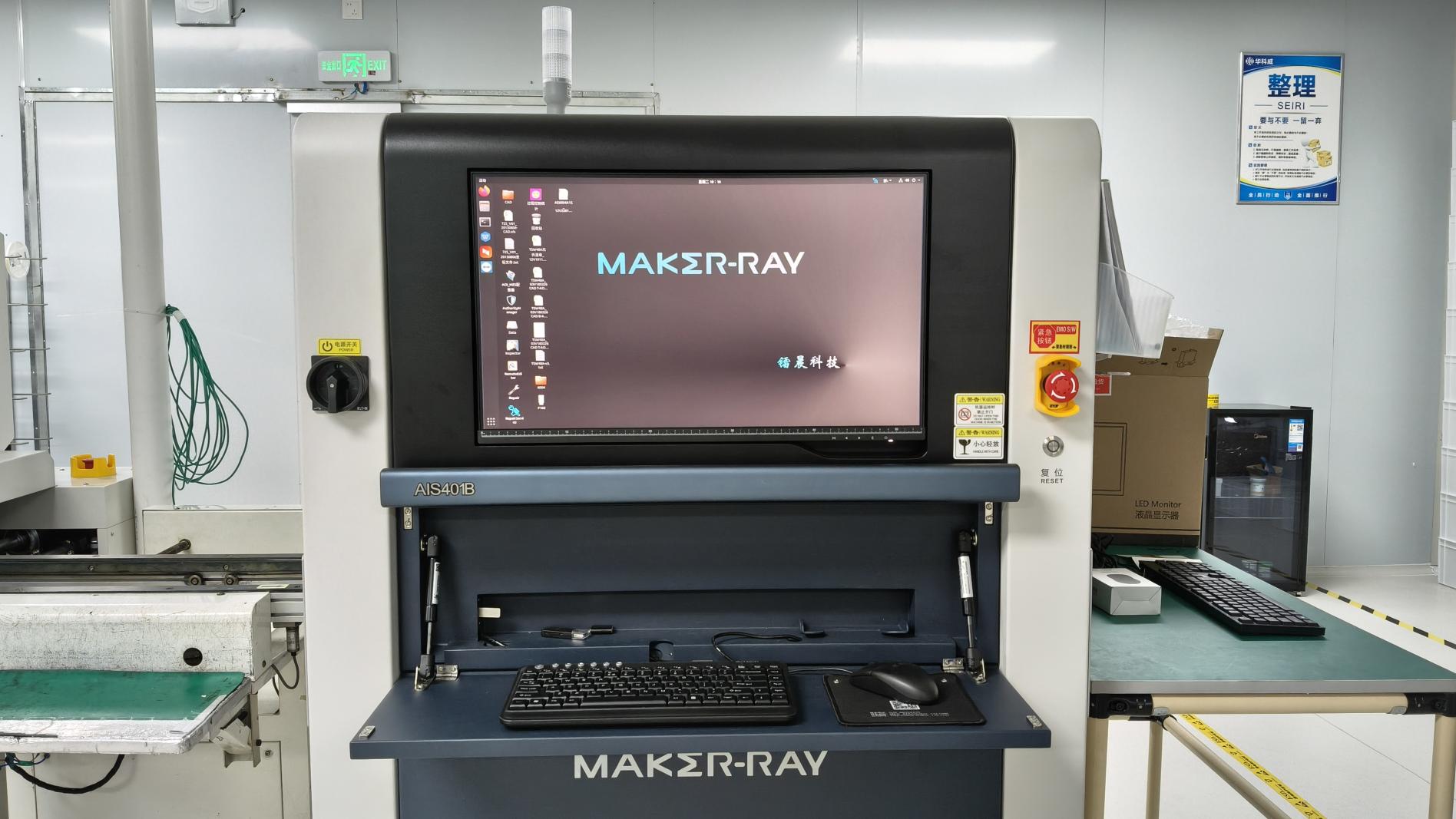
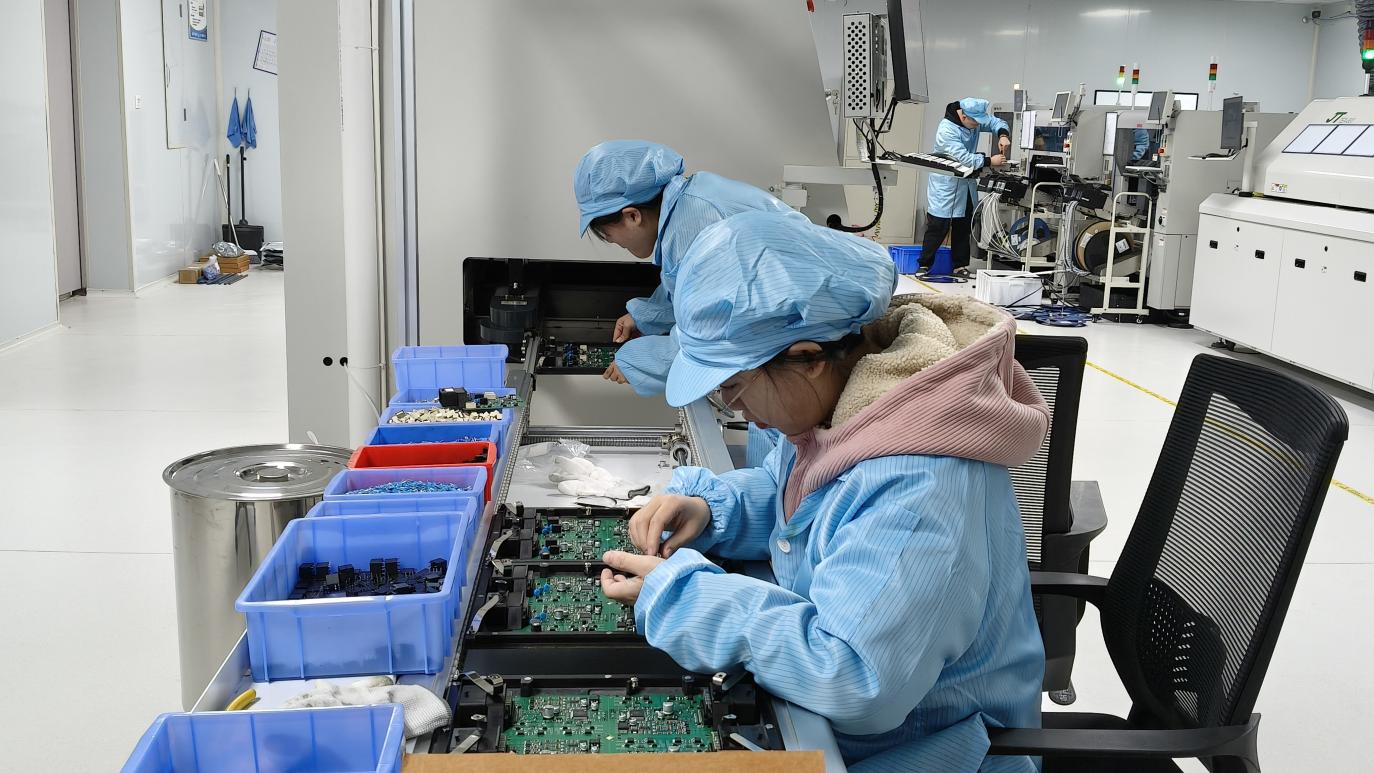
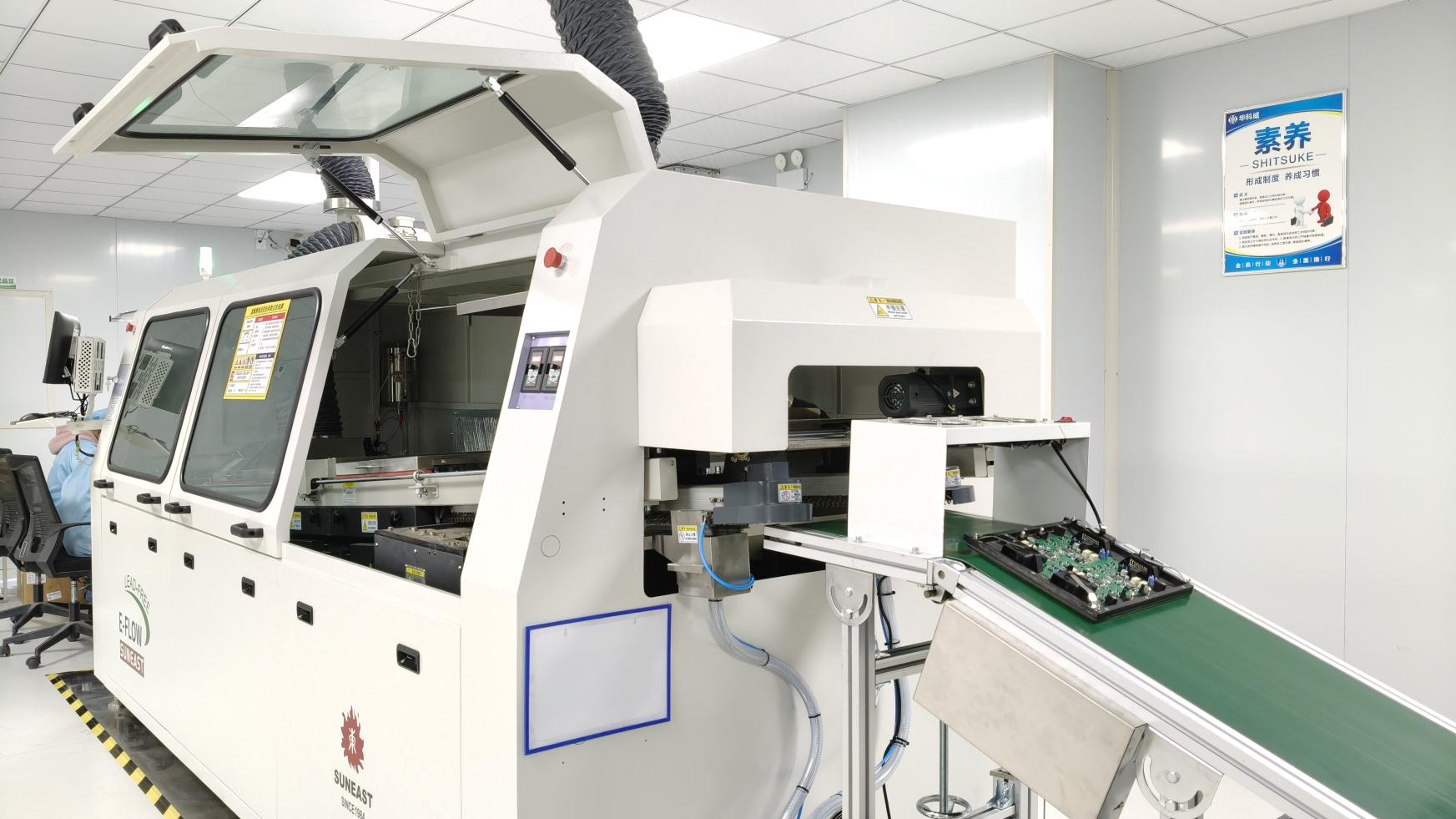
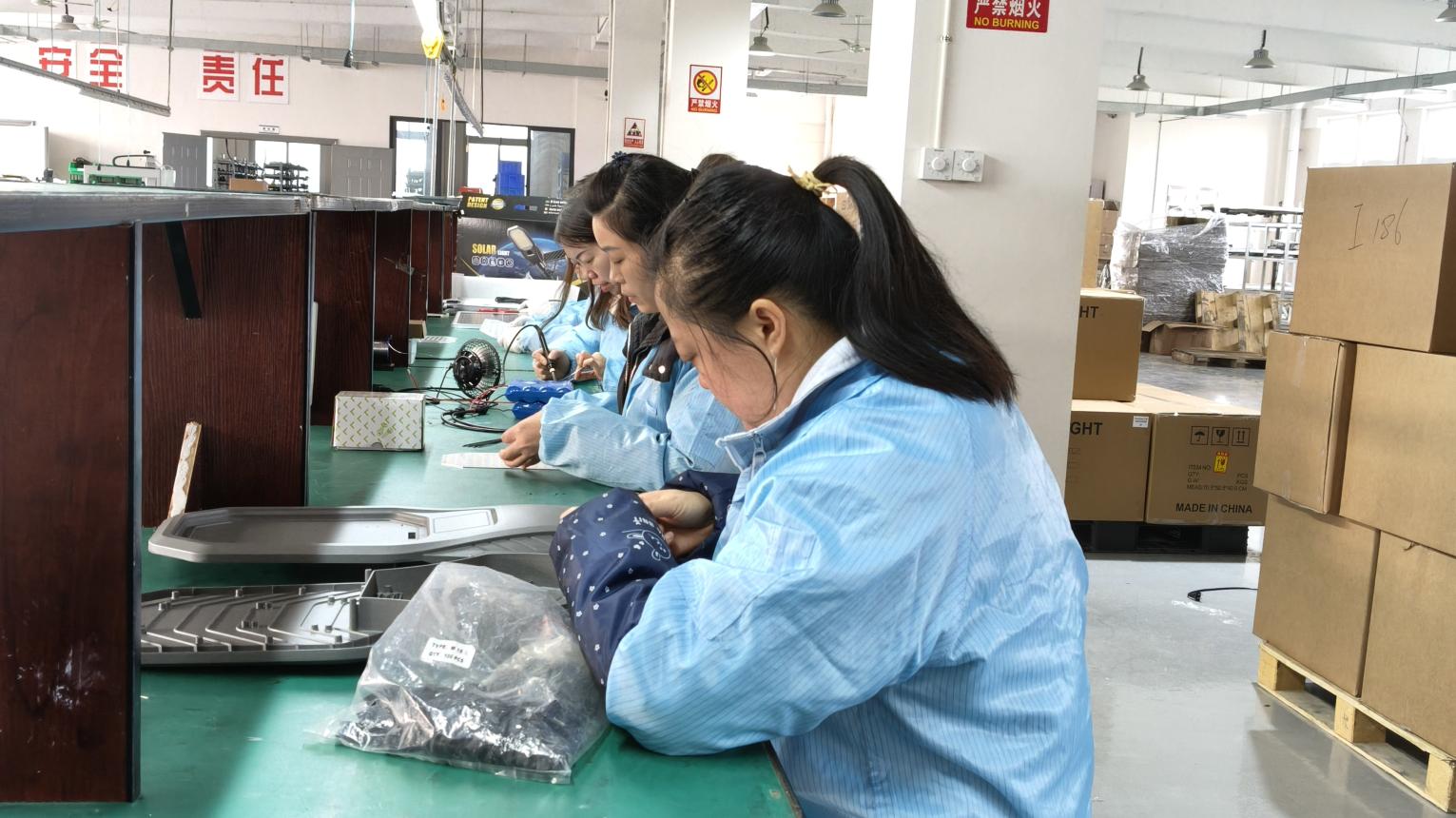
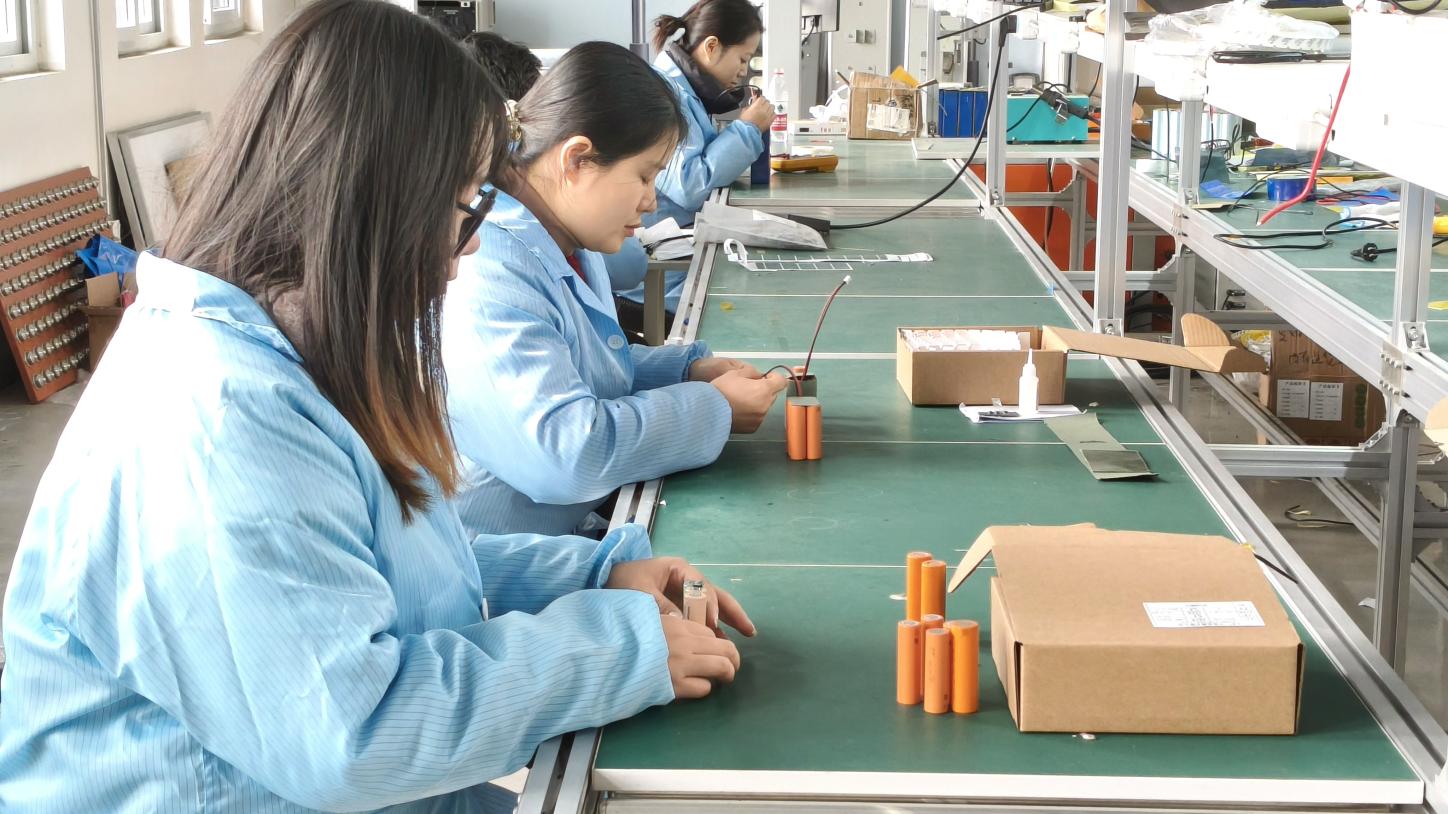
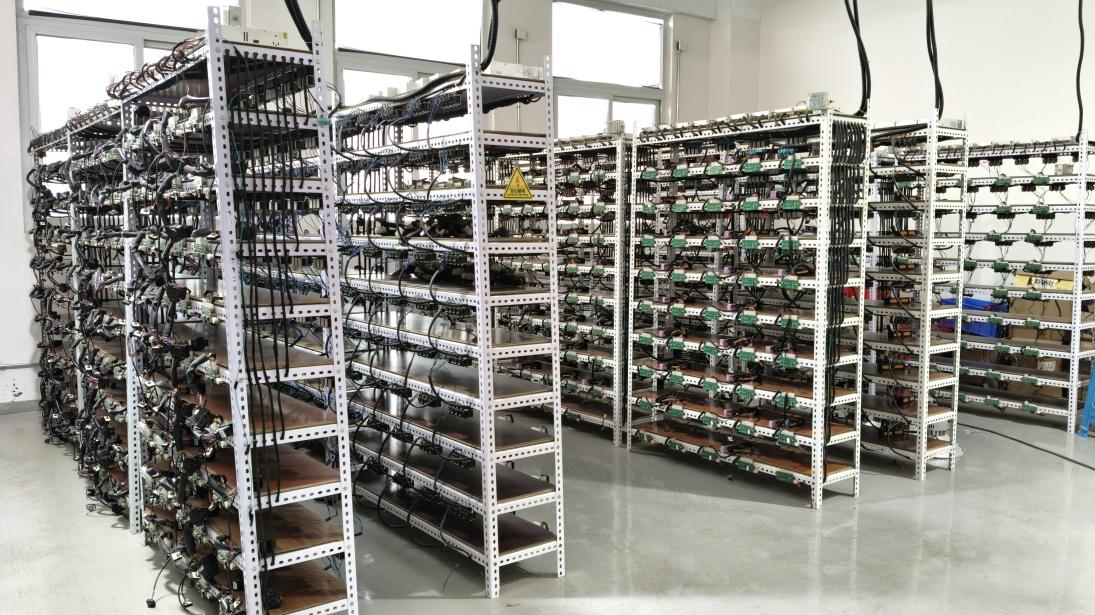
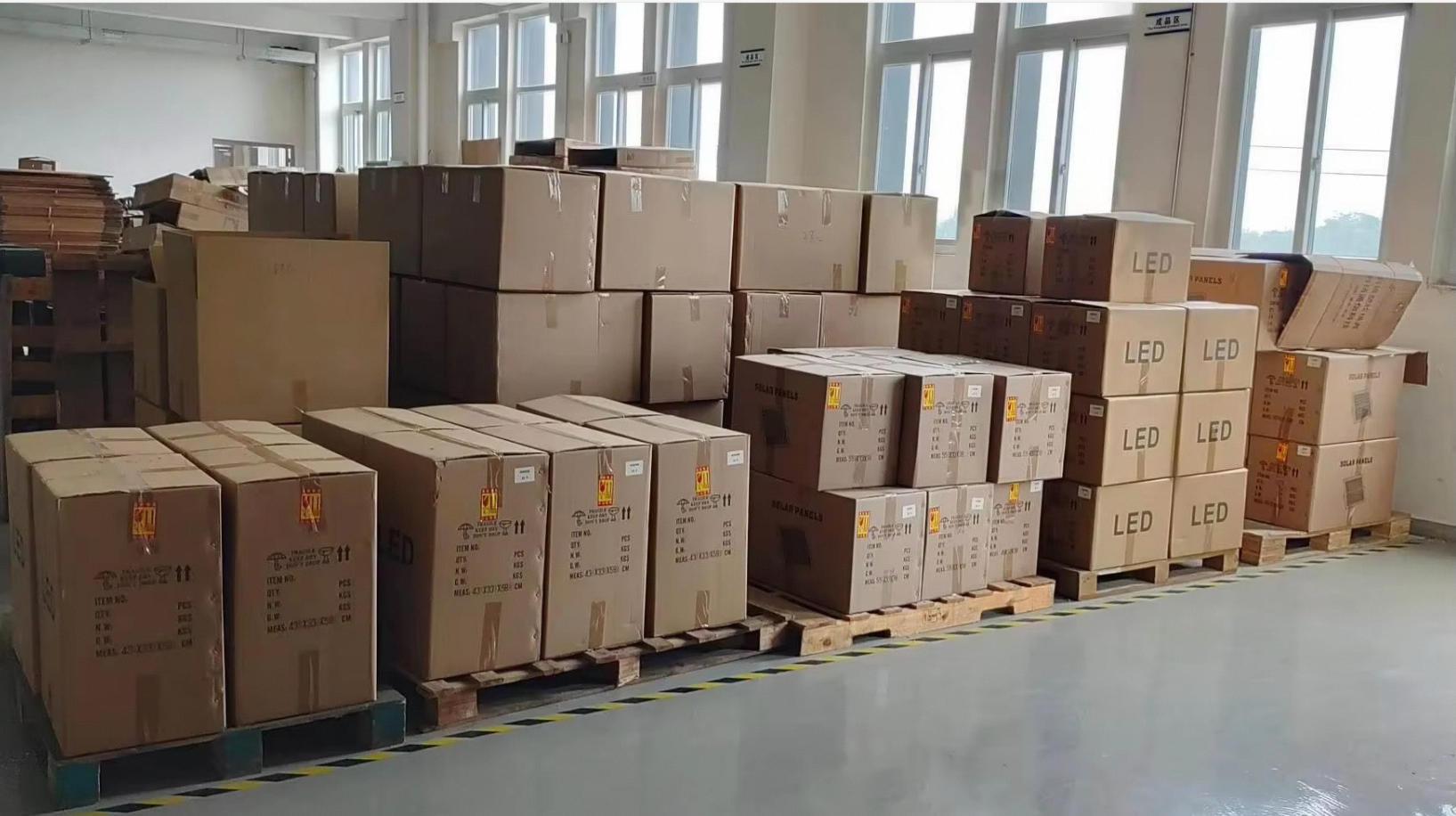
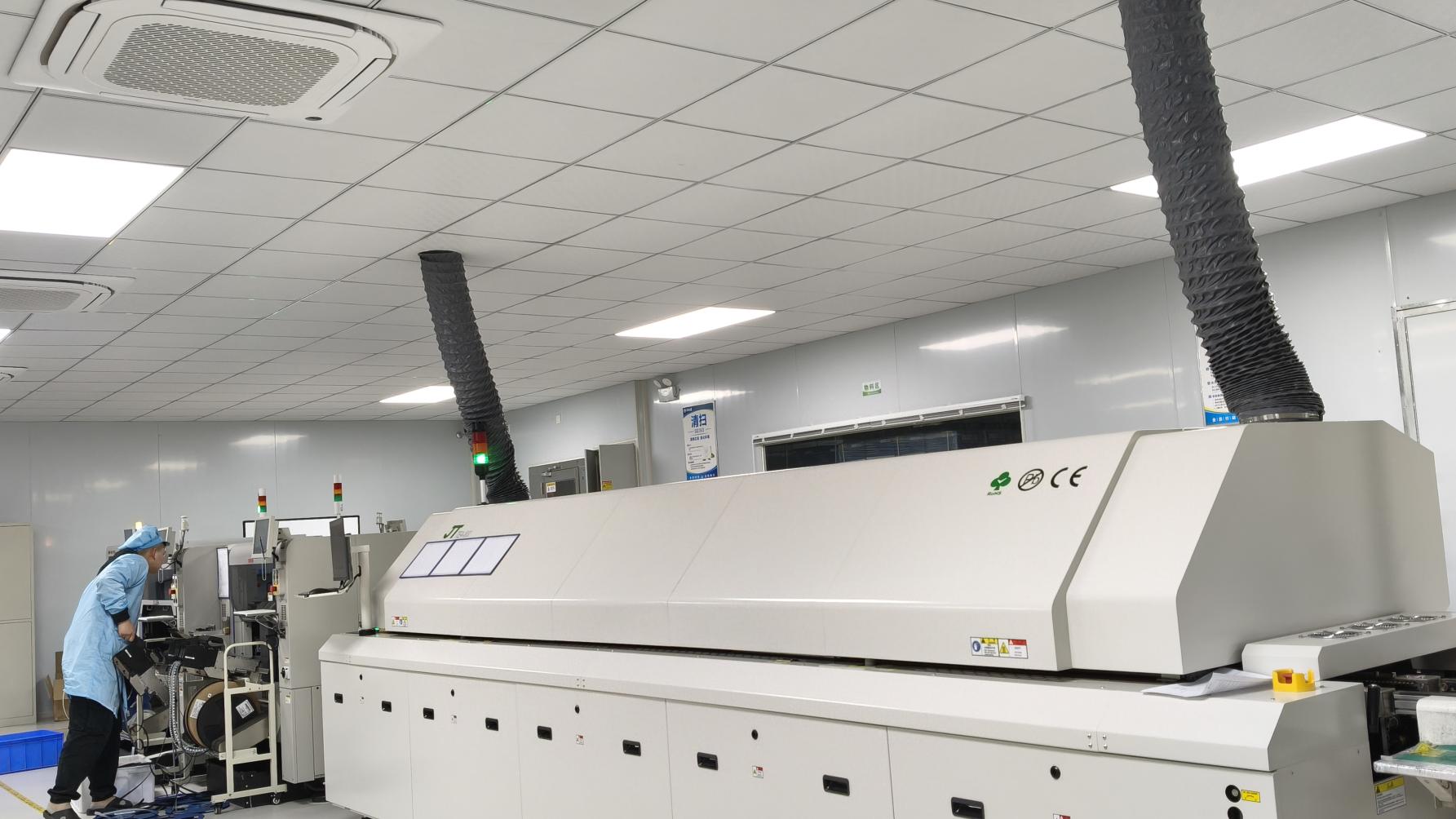
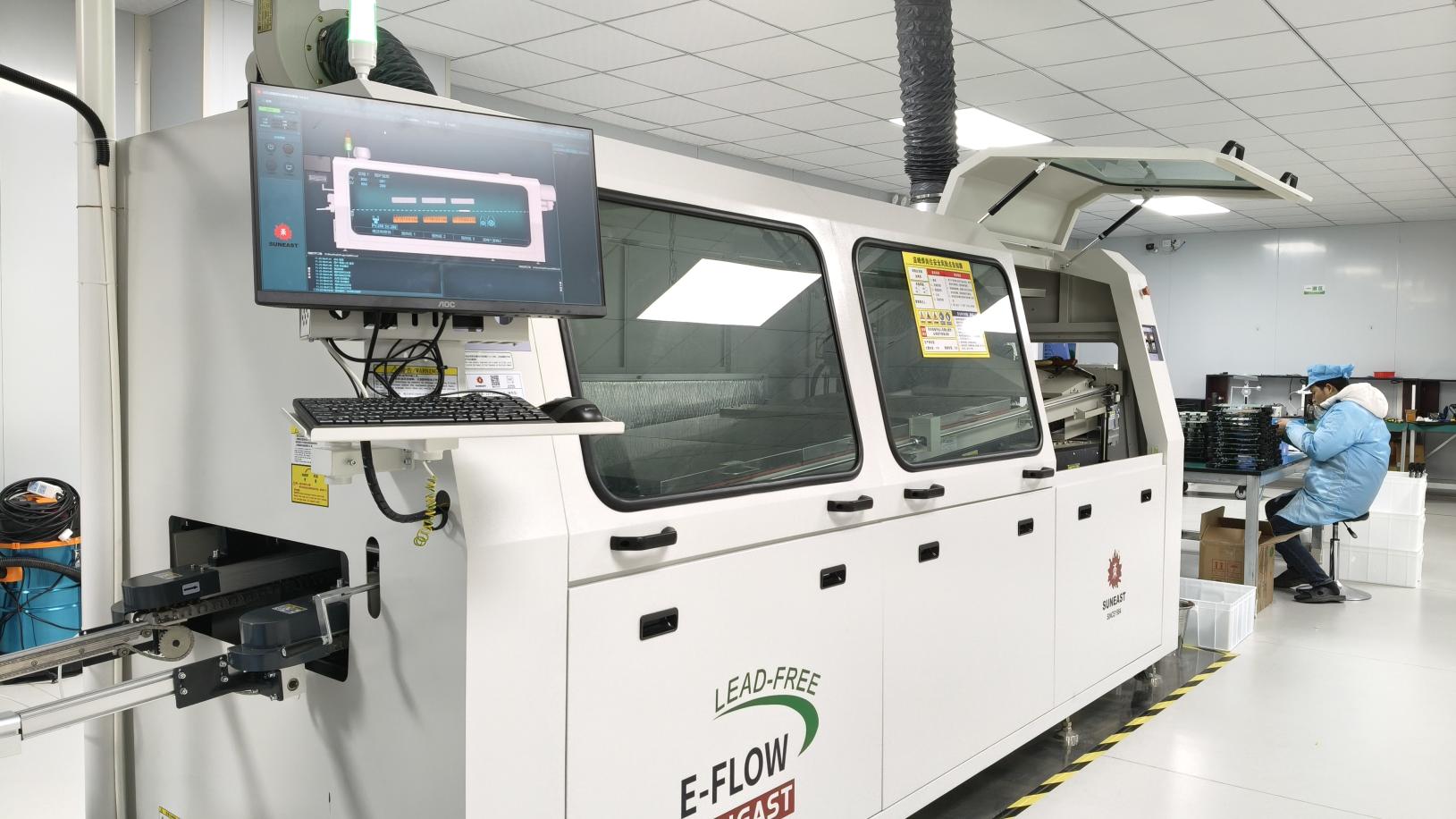
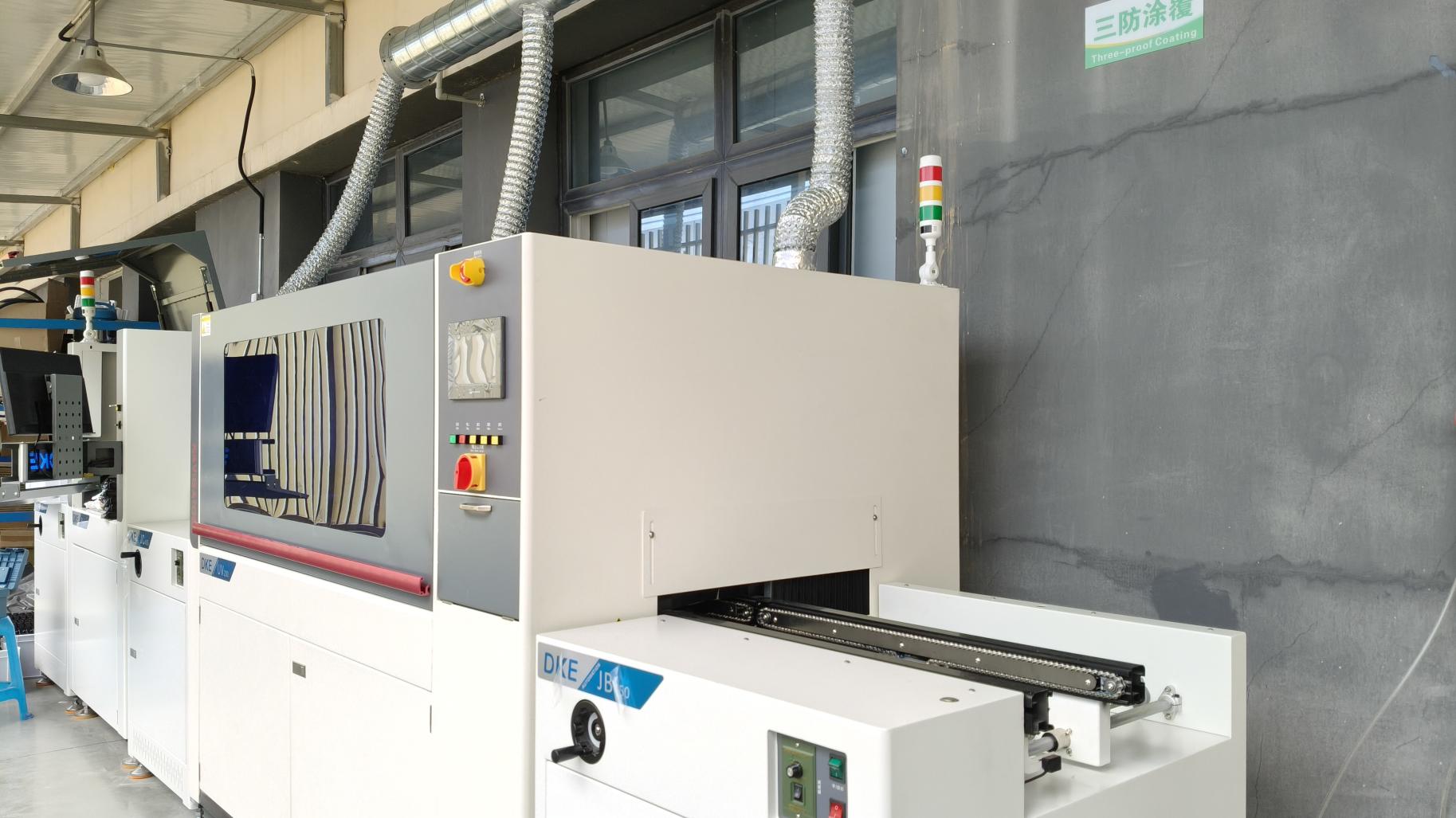
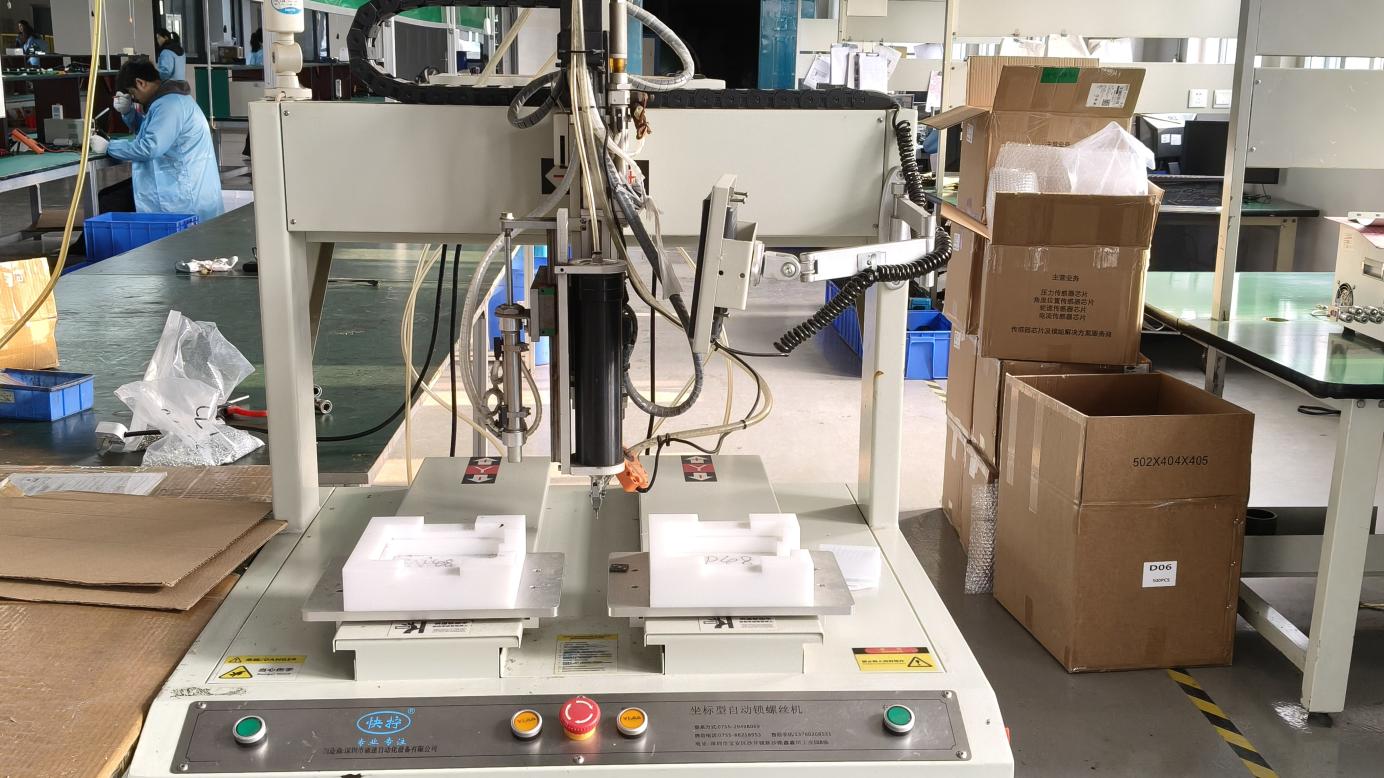
In highly regulated markets like Australia, small errors can lead to major recalls or warranty claims. Implementing automated AOI (Automated Optical Inspection) immediately after SMT ensures that every capacitor, resistor, and diode array is correctly aligned. Furthermore, our Three-proof Coating (Conformal Coating) stage protects drivers against salt spray and moisture, making them ideal for coastal Australian distribution warehouses and marine projects. Our automated assembly lines ensure consistent torque during screw-locking, maintaining the integrity of IP-rated seals over long operational lifespans.
Navigating safety, EMC, and local efficiency requirements for project approval.
Before any electrical product is installed in an Australian commercial project, it must meet several strict local safety and compatibility requirements. At Zhejiang Lili Light Co., Ltd., we prioritize compliance by engineering and testing our products to align with regional standards:
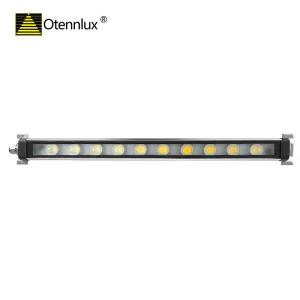
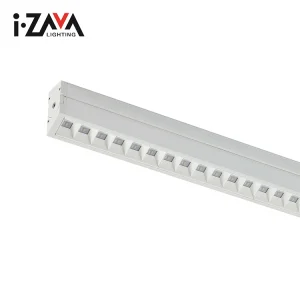
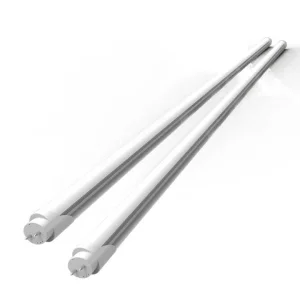
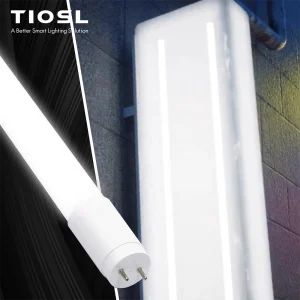
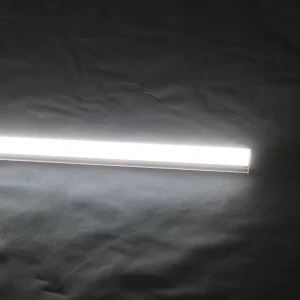
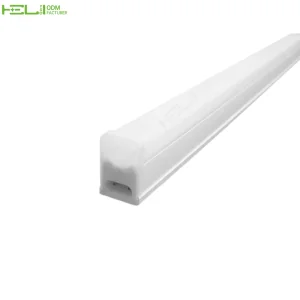
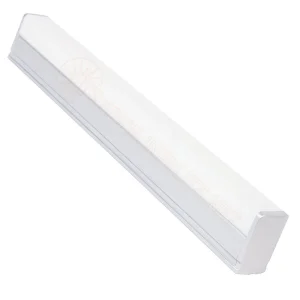
Fully compliant T8 and T5 options for retrofit programs, agricultural settings, and harsh workshops.
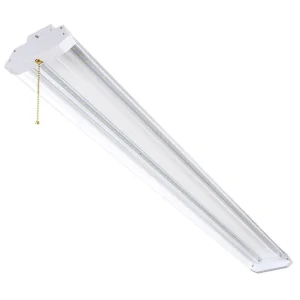
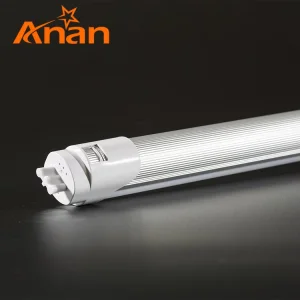
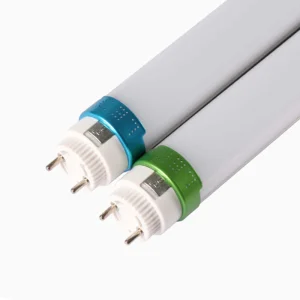
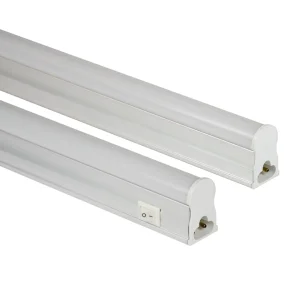
Retaining all original factory models to support standard utility upgrades.
Helpful industry insights for engineering, importing, and safety compliance in Australia.
Yes, for optimal safety, efficiency, and reliability, we recommend bypassing the magnetic or electronic ballast and wiring the power directly to the G13 lampholders (single-ended or double-ended depending on model configuration). This eliminates ballast power losses and potential compatibility failures, while ensuring the retrofitted fixture complies with AS/NZS electrical safety standards.
Imported lighting must carry the Regulatory Compliance Mark (RCM), which is obtained by demonstrating compliance with SAA safety standards (AS/NZS 60598 series) and EMC regulations (CISPR 15). Zhejiang Lili Light Co., Ltd. provides comprehensive certification documentation to ensure smooth customs clearance and compliance for local project installations.
CCT selectable tubes allow installers to choose between multiple color temperatures (e.g., 3000K, 4000K, 5000K, 6500K) using a simple switch integrated on the tube or fixture. For distributors and wholesalers, this significantly reduces inventory overhead by replacing multiple single-temperature SKUs with a single versatile product.
Isolated drivers feature an internal safety transformer that isolates the high-voltage input from the low-voltage DC output, providing enhanced electrical safety and reducing the risk of shock during installation. Non-isolated drivers are more compact and slightly more efficient, but require robust, fully insulated housing to ensure safety. We offer both configurations depending on project requirements.
 Lili Light