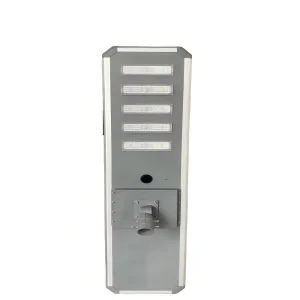
Explore our high-reliability, heavy-duty lighting systems certified for industrial, hazard-prone, and municipal environments globally.
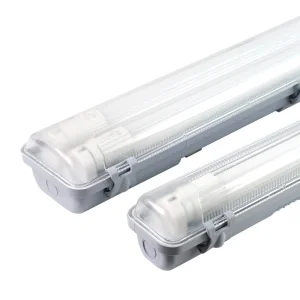
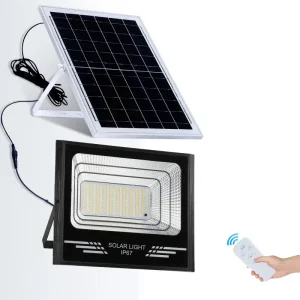
Analyzing the global transition towards solid-state lighting networks in heavy traffic and rail tunnels.
Unlike typical highway or street illumination, tunnel lighting systems operate under unique and extreme environmental stresses. Continuous 24/7/365 operation is non-negotiable. Luminaire failures inside complex vehicular or rail networks introduce substantial maintenance hazards, disrupt regional traffic patterns, and incur immense financial overhead. Globally, municipal transport authorities and industrial procurement divisions are establishing stringent metrics for systemic resilience.
The global market for tunnel lighting has undergone a complete paradigm shift. Conventional High-Pressure Sodium (HPS) and Metal Halide (MH) systems, which long dominated the industry, are being systematically phased out. This phase-out is driven not only by high energy consumption but by the demanding requirements of modern Intelligent Transportation Systems (ITS).
Leading manufacturing facilities in China, notably in industrial hubs like Zhejiang, are at the forefront of this revolution. By integrating high-power LED matrices with advanced optoelectronics, these factories deliver luminaires capable of over 100,000 hours of L80B10 operational life. This transition provides critical "Information Gain" for engineers: modern solid-state systems offer up to 60% direct energy savings over legacy HPS configurations, with further reductions of 20% achievable through integrated intelligent dimming systems.
Tunnel illumination is inherently a safety-critical engineering application. The human visual system requires precise lighting transitions when entering and exiting tunnels at high speeds. Underestimating the "Black Hole Effect" or the "White Hole Effect" can lead to catastrophic accidents.
Consequently, Tier-1 Chinese manufacturers focus their research on custom asymmetric photometrics (counter-beam lighting) and robust power electronics that withstand high transient voltages, vibration, and saline moisture.
Understanding the physics behind optical distribution, thermal dissipation, and dynamic driver technology.
Modern tunnel environments require strict control over glare (UGR < 15) and uniform luminance distributions (UI > 0.8, Uo > 0.4). Chinese factories design specialized PMMA/PC lenses utilizing asymmetric, counter-beam distribution. This targets light at the oncoming vehicle's approach angle, enhancing the driver's visual contrast of obstacles while preventing blinding glare.
Heat is the primary adversary of LED lifespan. High-caliber factories utilize ADC12 die-cast aluminum alloys with integrated geometric fins, optimizing natural convection. Heavy-duty copper heat pipes or vapor chambers are integrated directly behind the metal-core PCBs (MCPCB), ensuring the junction temperature of the CREE, Lumileds, or Osram chips remains far below critical thresholds.
Integrating Smart Dimming protocols (DALI-2, 0-10V, RS-485, and Power Line Carrier - PLC) allows municipal systems to adjust brightness in real time. Exterior photometers calculate ambient daylight, and control modules dim the interior tunnel threshold zones dynamically, preventing visual adaptation shock and saving substantial operating energy.
| Performance Characteristic | Legacy HPS Systems | Zhejiang Lili Light LED Standards | Engineering Benefit |
|---|---|---|---|
| Luminous Efficacy | 60 - 80 lm/W | 140 - 170 lm/W (Optionally 180+ lm/W) | Over 50% decrease in operational electricity demand. |
| L70 Lifespan Rating | 8,000 - 12,000 Hours | > 100,000 Hours (L80B10) | Reduces high-risk closure maintenance frequency. |
| Color Rendering Index (CRI) | Ra < 25 | Ra > 70 / Ra > 80 | Improves spatial rendering and security camera accuracy. |
| Start-Up Characteristics | 5 - 15 minutes strike time | Instantaneous hot restrike (0.1 seconds) | Eliminates blackout hazards after power interruptions. |
| Dimming Capability | Inflexible, step-dimming limited | Continuous linear dimming (0% - 100% via DALI-2) | Adapts to outdoor ambient lux for adaptation safety. |
Optimizing photometric engineering to match geographical, thermal, and atmospheric variables.
High-altitude, mountain-pass tunnels experience extreme cold, moisture freeze-thaw cycles, and heavy vibration from industrial transport. Systems engineered for these environments incorporate specialized pressure equalization valves (breathable membranes like Gore-Tex) to prevent seal failure caused by internal-external pressure variations.
Sub-sea road networks run the risk of constant exposure to highly corrosive saline moisture and sulfur exhaust. Top Chinese factories utilize marine-grade copper-free aluminum alloy, combined with electrophoretic painting and multi-layer fluorocarbon coatings (C5-M corrosion rating compliance) to withstand aggressive marine atmospheres.
Urban commuter tunnels operate near dense commercial centers. They demand high aesthetic values, low Unified Glare Ratings (UGR < 19) to accommodate varied vehicle heights, and compatibility with municipal SCADA networks. The inclusion of DMX-512 controls and tunable white options (CCT 3000K-5700K) helps sync lighting with daylight patterns.
Subway and passenger rail tunnels generate severe structural vibrations. Mechanical stability is achieved through reinforced mounting brackets (304/316 stainless steel) with dual locking pins. Integrated power electronics feature military-grade solid capacitors capable of surviving high-frequency shockwaves.
A leading OEM/ODM powerhouse delivering certified industrial and commercial solid-state lighting globally.
Zhejiang Lili Light Co., Ltd. is a professional manufacturer and exporter specializing in high-performance LED lighting products and integrated intelligent lighting systems. Over years of development in the solid-state lighting industry, the company has committed to providing innovative, energy-efficient, and structurally reliable illumination solutions to a global clientele.
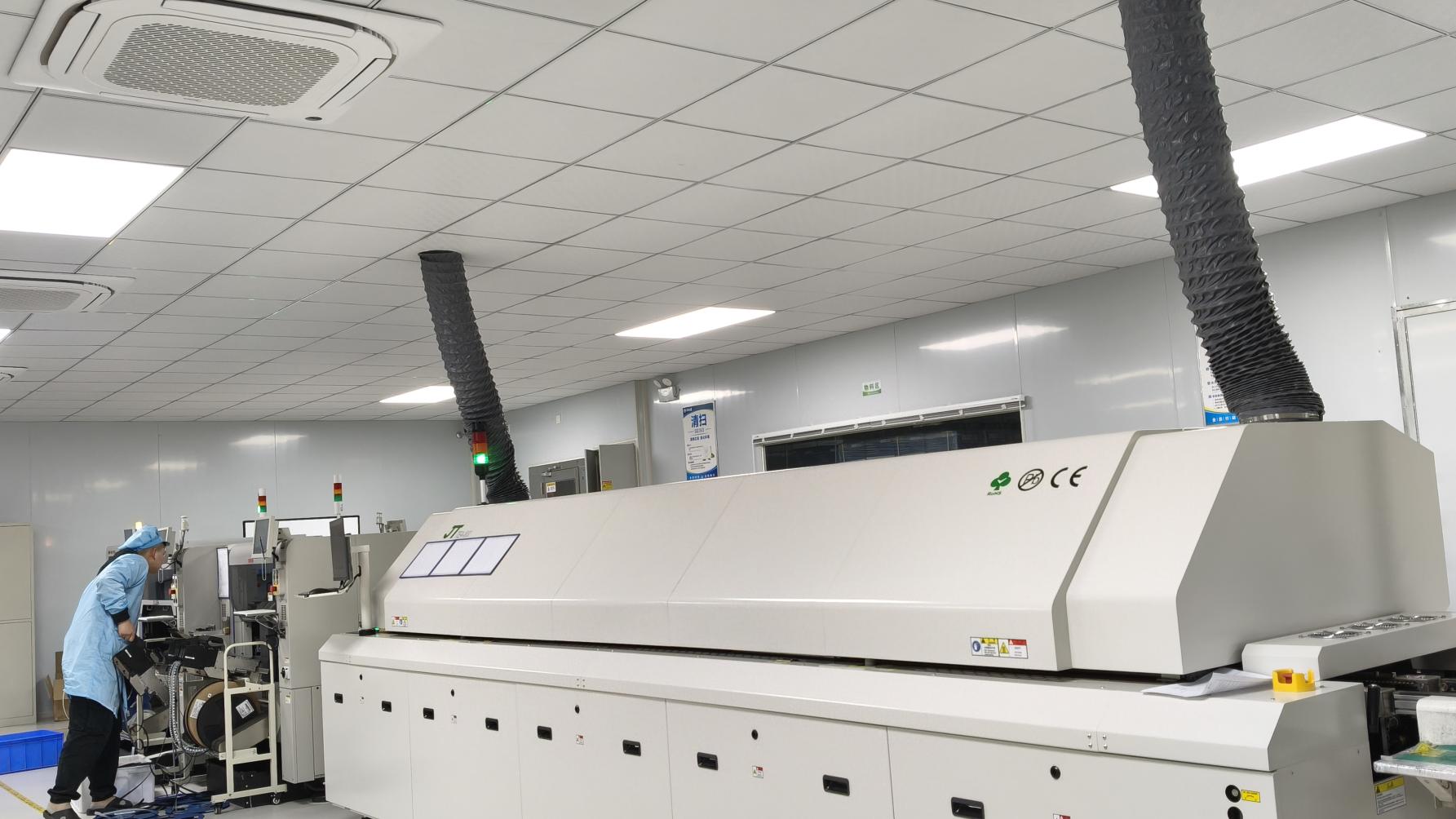
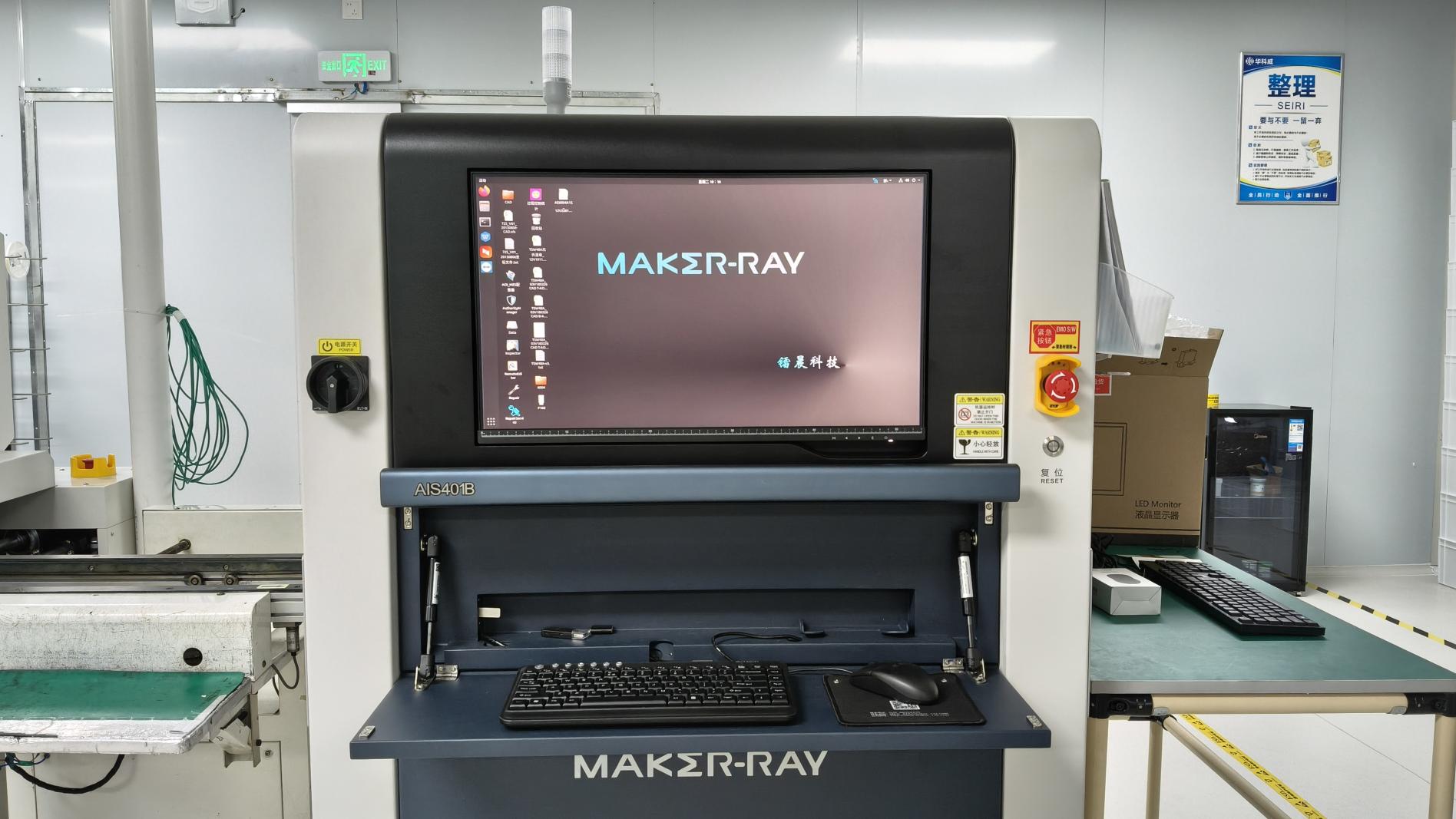
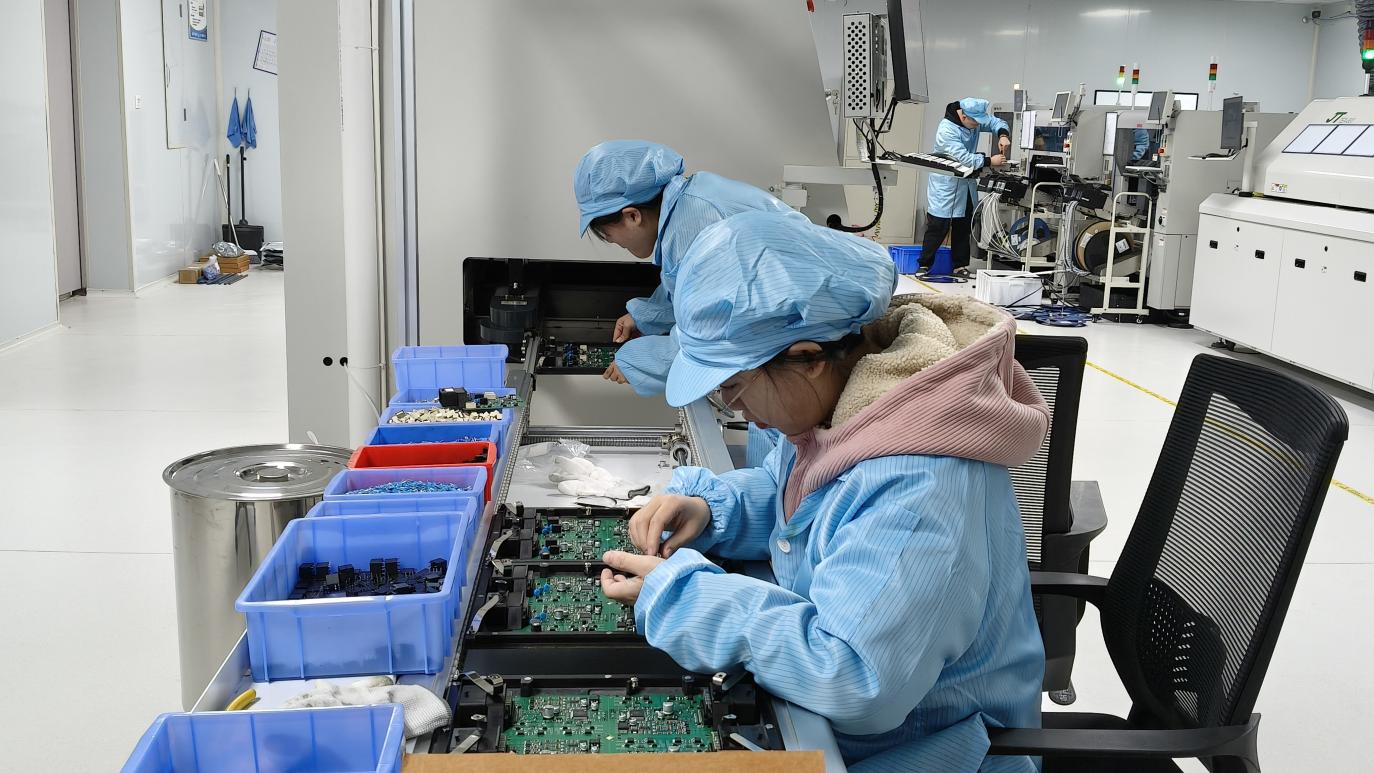
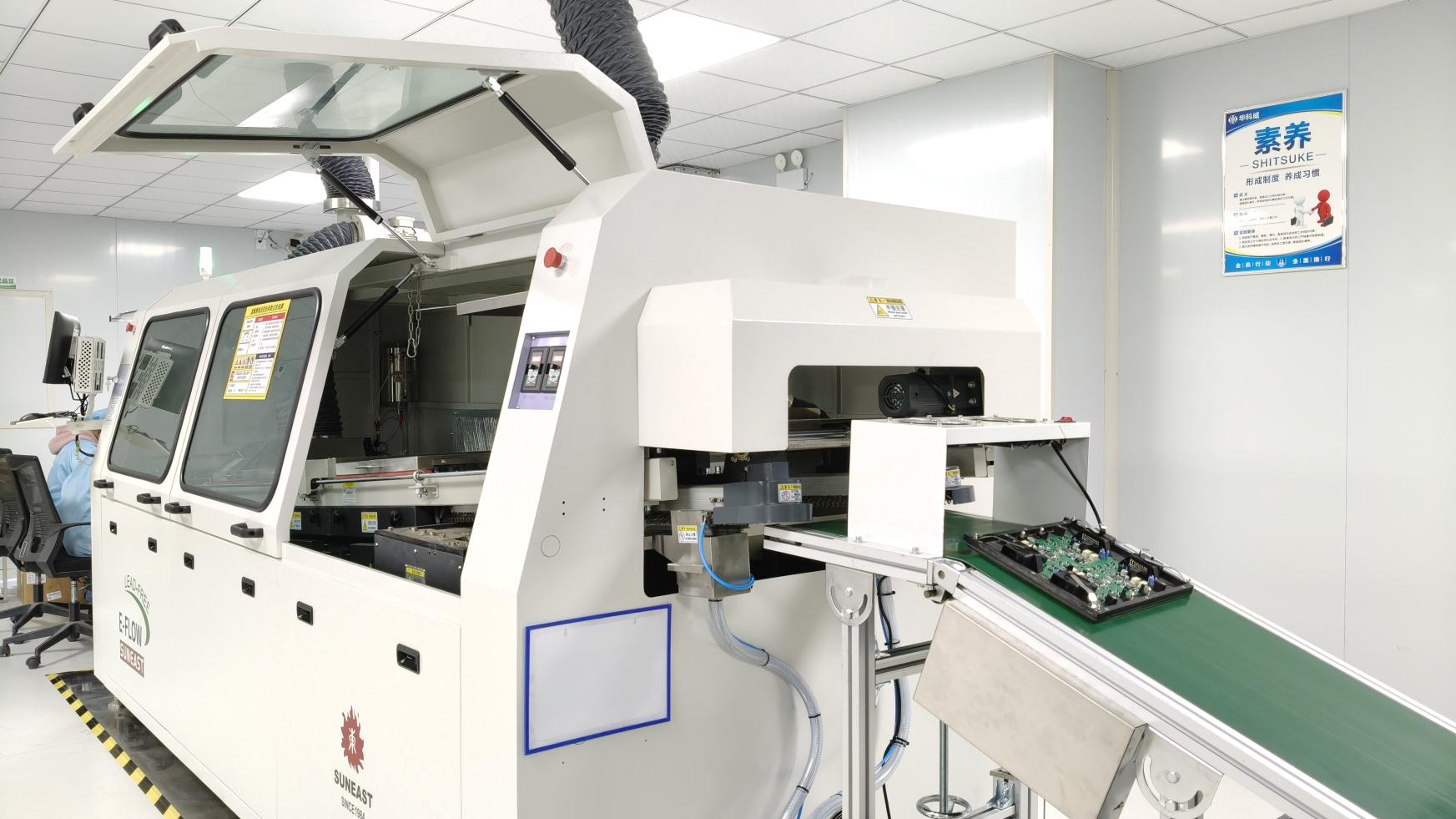
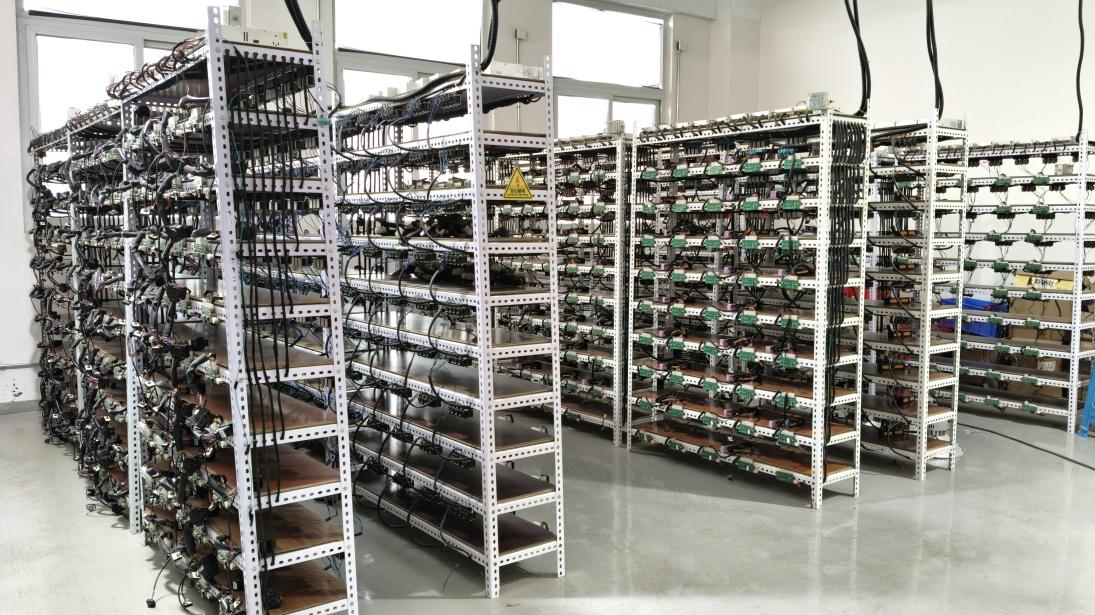
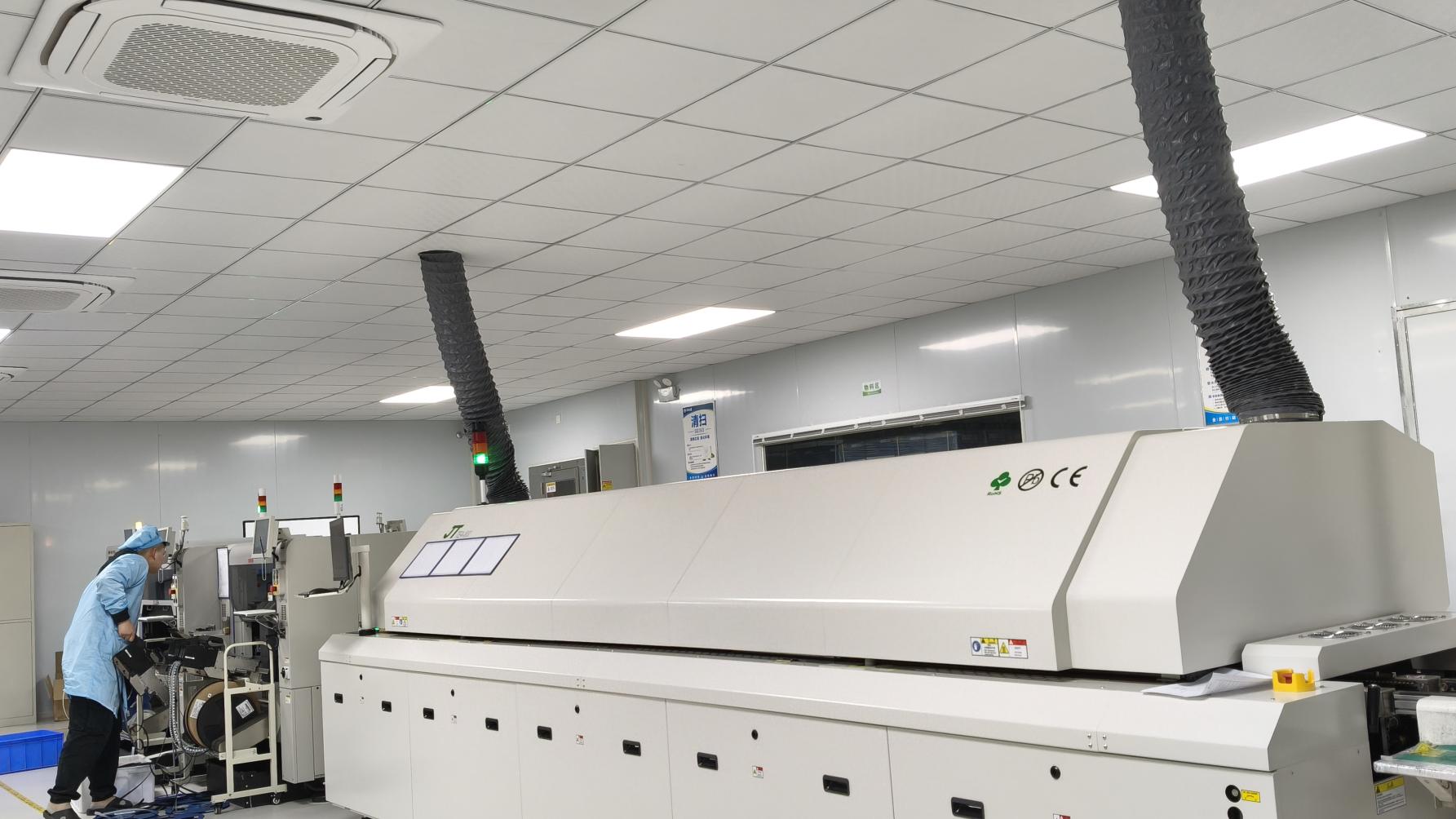
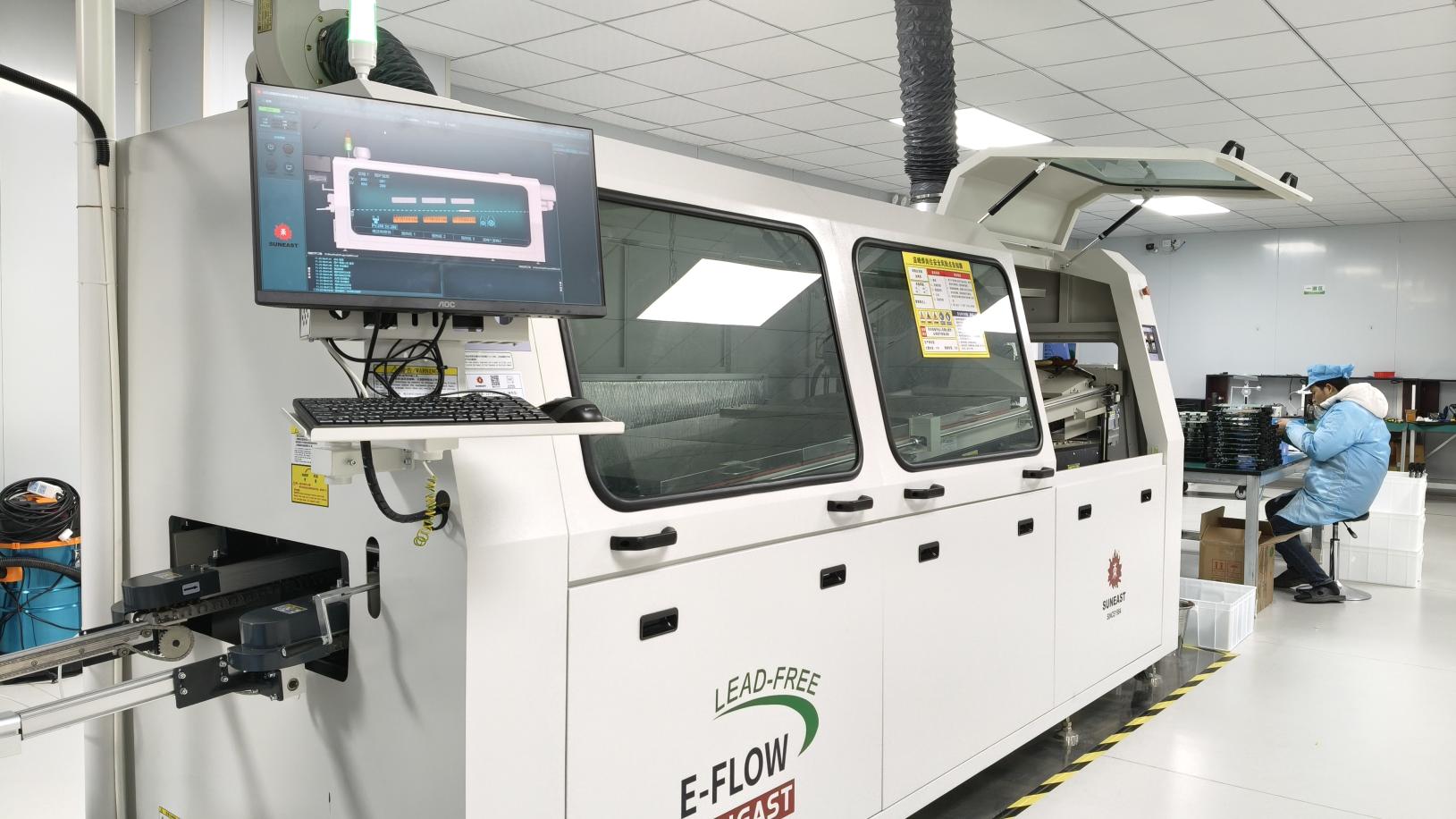
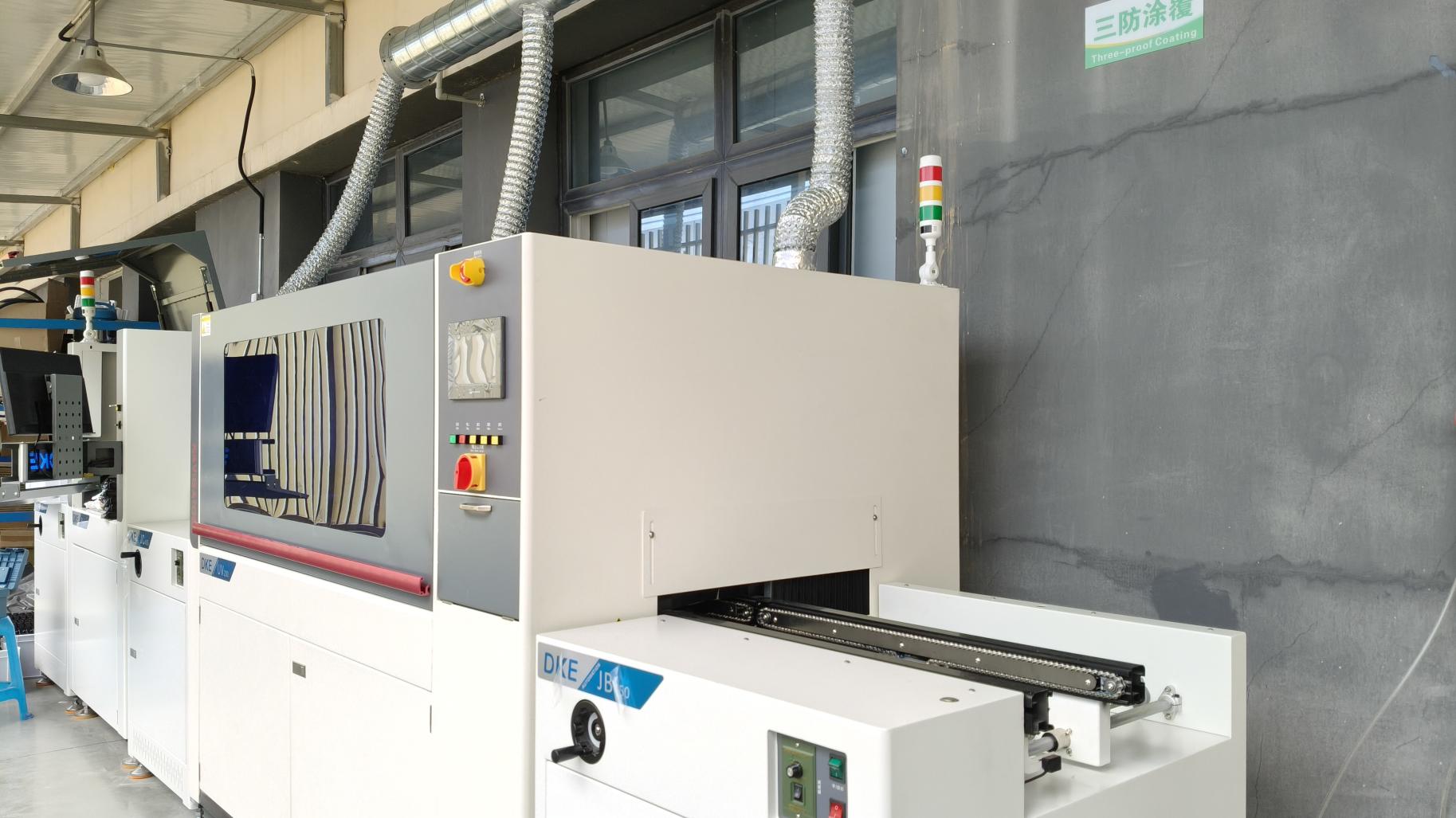
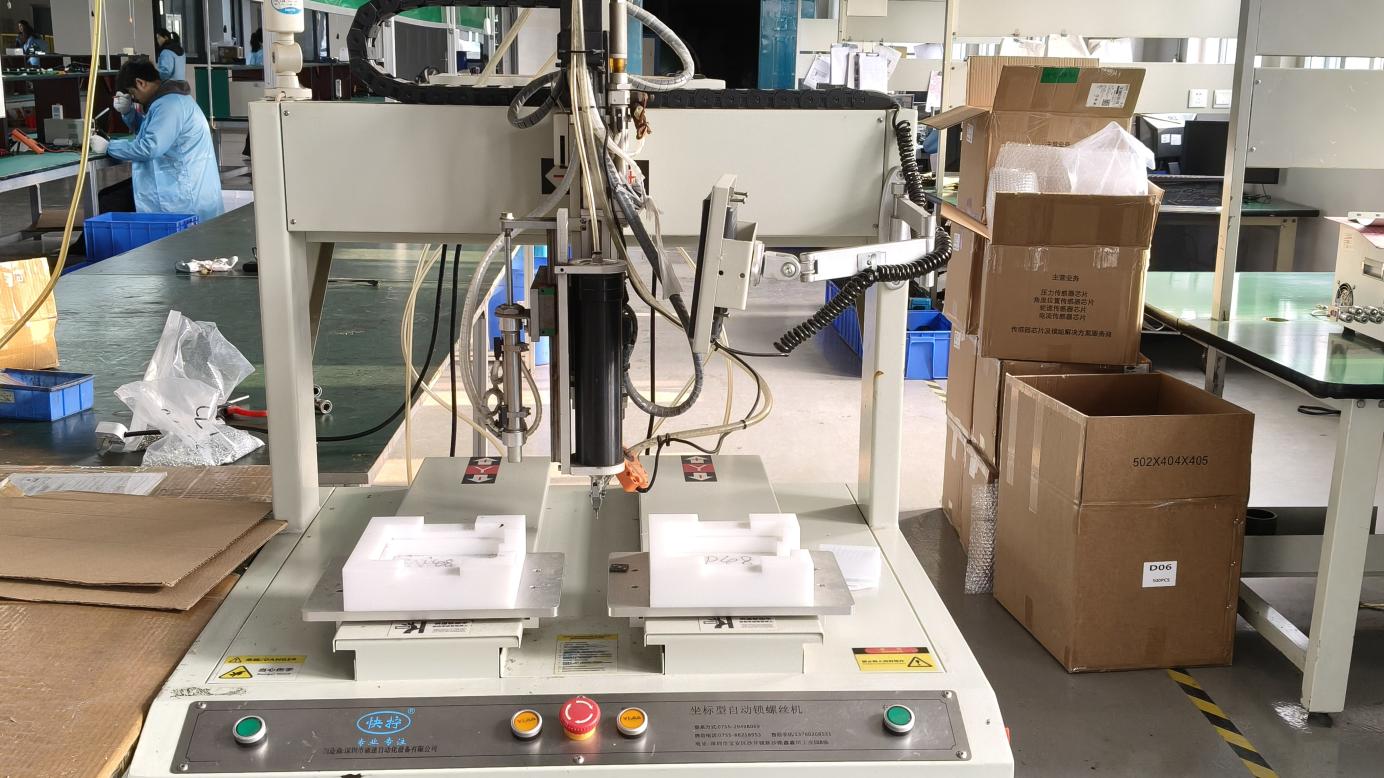
With heavy capital investment in advanced manufacturing, the company has established high-precision automated SMT lines, automated optical inspection systems (AOI), and environmental test labs. Backed by a highly skilled R&D team, modern production environments, and a strict ISO 9001 quality system, the factory has forged stable partnerships across Europe, South America, Southeast Asia, and the Middle East.
The product portfolio spans a broad spectrum of indoor and outdoor environments, providing global partners with options combining mechanical durability, safety certification, and design. Through flexible OEM/ODM services, Zhejiang Lili Light Co., Ltd. assists engineering firms and municipal contractors in designing customized configurations that conform to strict local electrical codes, vibration tolerances, and photometric distributions.
Our engineering processes are aligned with global standards, ensuring certifications like CE, RoHS, CB, and IP66/IP67/IP69K testing are continuously maintained. Our testing laboratories simulate high-humidity, salt spray, thermal cycling, and high-frequency vibration to guarantee stable performance under harsh conditions.
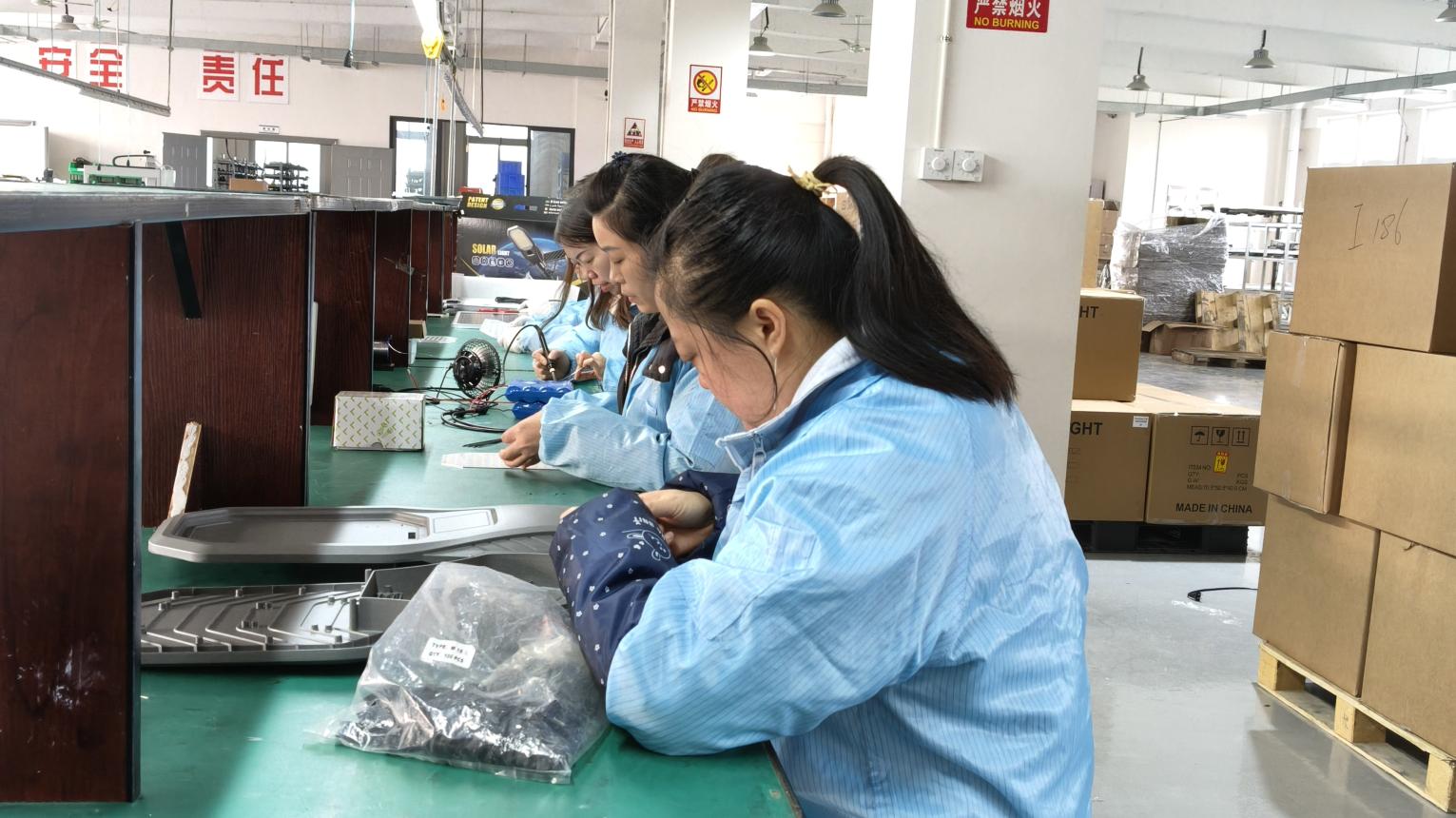
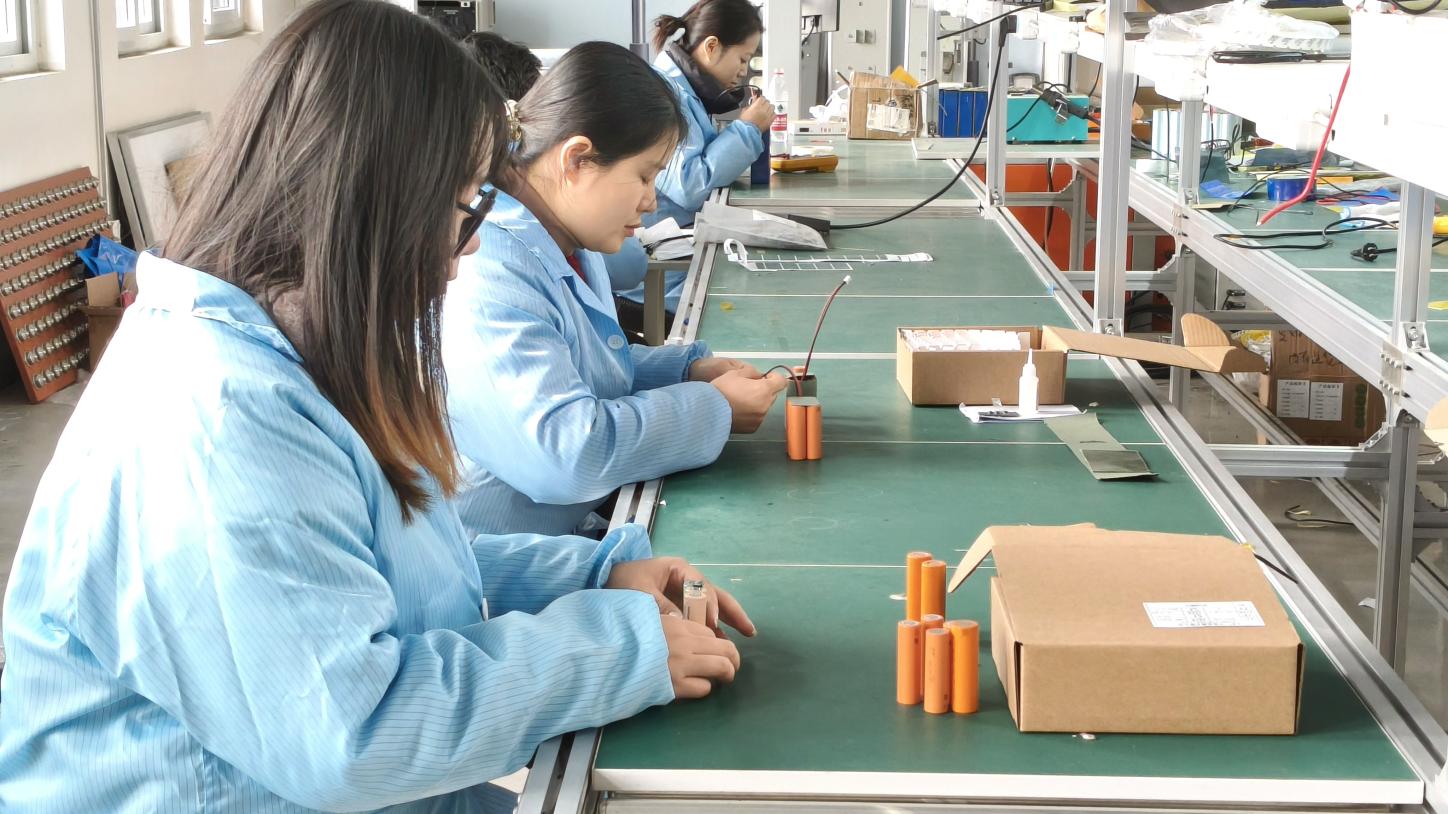
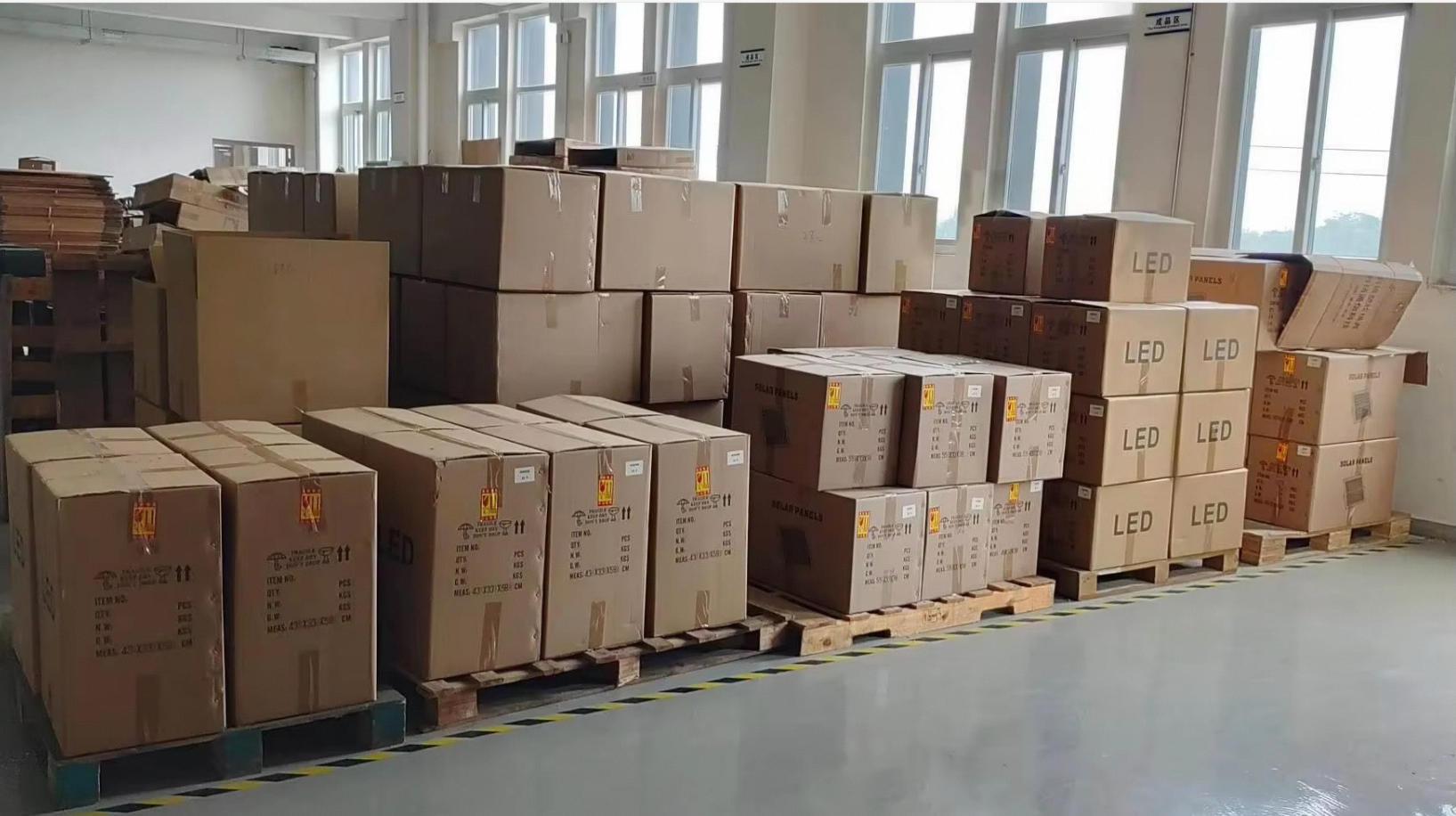
A visual breakdown of the quality assurance and automated manufacturing pipeline at our modern Zhejiang production plant.
Optimal tunnel photometrics requires structuring lighting output into distinct zoning segments.
At the tunnel entrance, drivers require high illuminance levels to adapt from bright ambient daylight. Standard configurations position high-wattage asymmetric luminaires at close spacing distances to match daylight levels and prevent temporary visual impairment.
Luminance transitions smoothly from the entrance zone down to the interior zone. Precision engineering requires stepping down illumination levels in logarithmic stages, preventing adaptation lag.
The longest zone of the tunnel operates at constant, stabilized illumination. The main goals are maximizing color contrast, mitigating visual flicker, and reducing energy use using lower wattages and high spacing efficiency.
As motorists approach the exit, glare from bright daylight requires a gradual increase in illumination. This mitigates the "White Hole Effect," where oncoming traffic or obstacles can be washed out by exit lighting.
Expert answers addressing the critical parameters queried by engineering and operations clients.
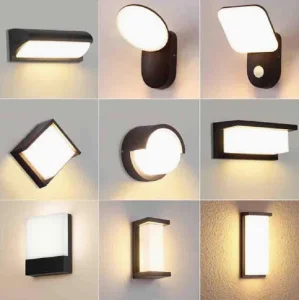
Specialized commercial, decorative, and architectural outdoor luminaires built to high engineering standards.
 Lili Light