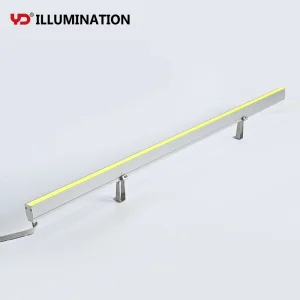
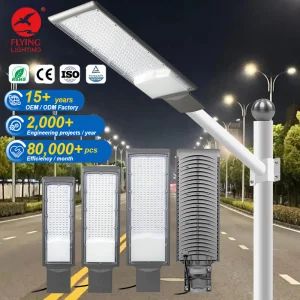
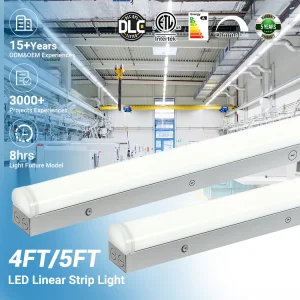
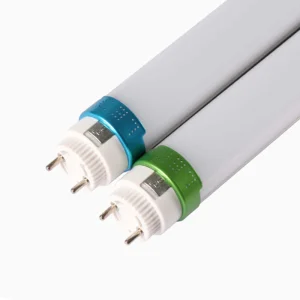
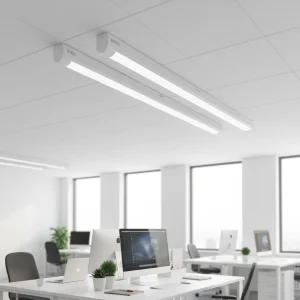
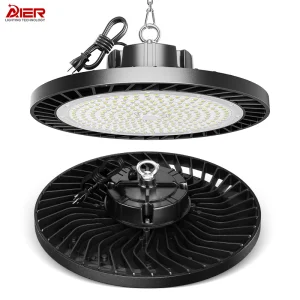
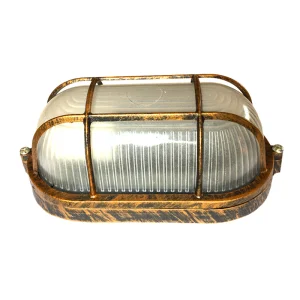
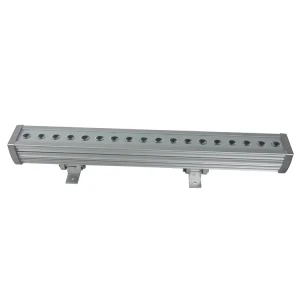
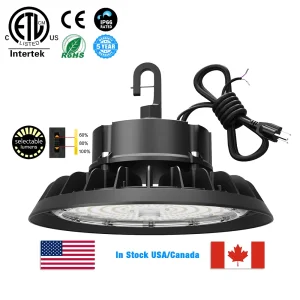
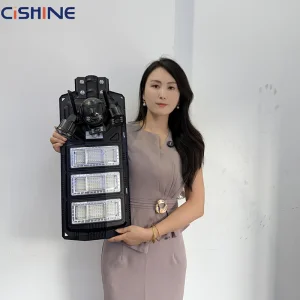
Explore our flagship OEM/ODM LED solutions engineered for unmatched structural durability and spectral consistency.
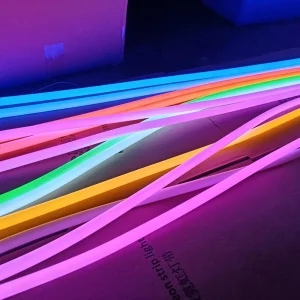
The global commercial lighting sector is undergoing an unprecedented shift toward solid-state lighting (SSL) technologies, where LED color spot lights are no longer viewed merely as functional fixtures, but as fundamental design components. From architectural facade accentuation to dynamic retail environments, smart spot lighting drives both high-level aesthetics and measurable economic returns. Regulatory frameworks in major economic zones (such as the EU’s Single Lighting Regulation and the US's DLC Energy Star requirements) continue to push procurement standards toward systems with superior energy efficiency, minimal color deviation over lifetimes, and seamless controls.
In heavy-duty industrial and outdoor spaces, color spot lights play vital safety, organizational, and signaling roles. Factories, shipyards, and logistical hubs rely on ruggedized, high-power color luminaires to clearly define pathways, indicate hazard boundaries, or construct high-visibility dynamic warnings. Consequently, B2B procurement managers are prioritizing optical precision, IP-rated sealing technology, heat-dissipating alloy housings, and high-performance drivers. This global market landscape demands manufacturers who possess the capacity to execute rigorous OEM and ODM modifications, delivering tailored solutions that match distinct project architectures and extreme operating conditions.
When deploying spot lights across extensive architectural projects, color rendering index (CRI) and TM-30-15 metrics are critical. If CCT (Correlated Color Temperature) values deviate between adjacent fixtures, visual disharmony degrades architectural appeal. Authoritative OEM/ODM suppliers maintain strict binning control, sorting LED emitters so that the chromaticity coordinates align inside very narrow ellipses. This prevents the "patchwork" effect often visible in cheap bulk lighting imports.
Zhejiang Lili Light Co., Ltd. stands as a premier manufacturer and exporter specializing in high-performance LED lighting products and fully integrated commercial lighting solutions. Backed by decades of deep industry experience, we are dedicated to designing, engineering, and manufacturing energy-efficient, robust products that meet strict global performance protocols. Through heavy, continuous investment in automated production facilities, advanced testing hardware, and specialized technical teams, we have constructed a highly resilient supply chain serving clients across Europe, South America, Southeast Asia, and the Middle East.
China’s industrial lighting clusters offer unbeatable manufacturing advantages, blending high production speed, rapid prototyping, and unmatched component availability. By leveraging our state-of-the-art facilities in Zhejiang, we are able to manage the complete life cycle of OEM/ODM orders: from CAD modeling, optical simulation, and rapid prototyping to mass production and strict quality control. This operational fluidity guarantees shorter lead times, lower cost-to-market thresholds, and superior customization options compared to western competitors.
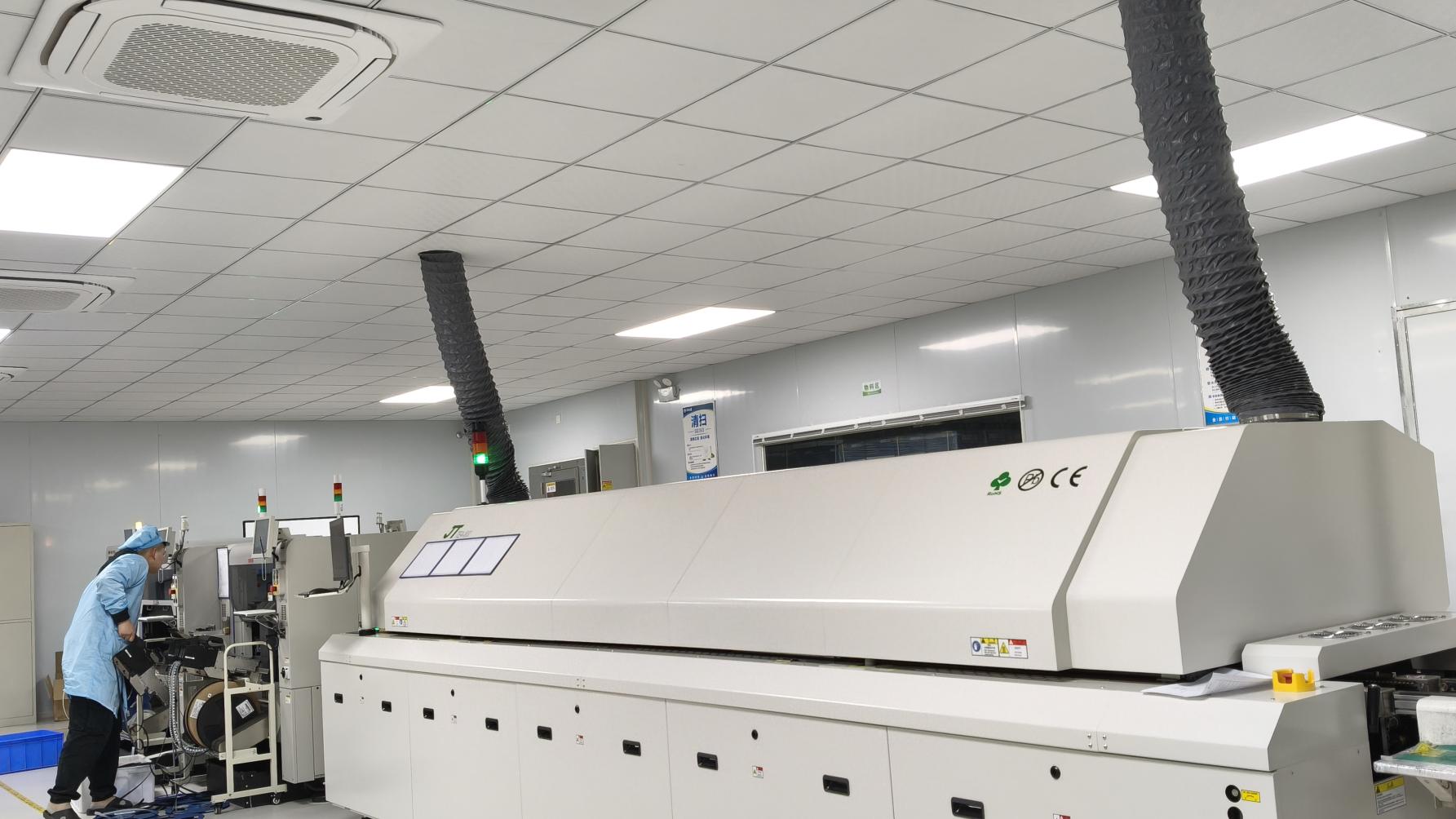
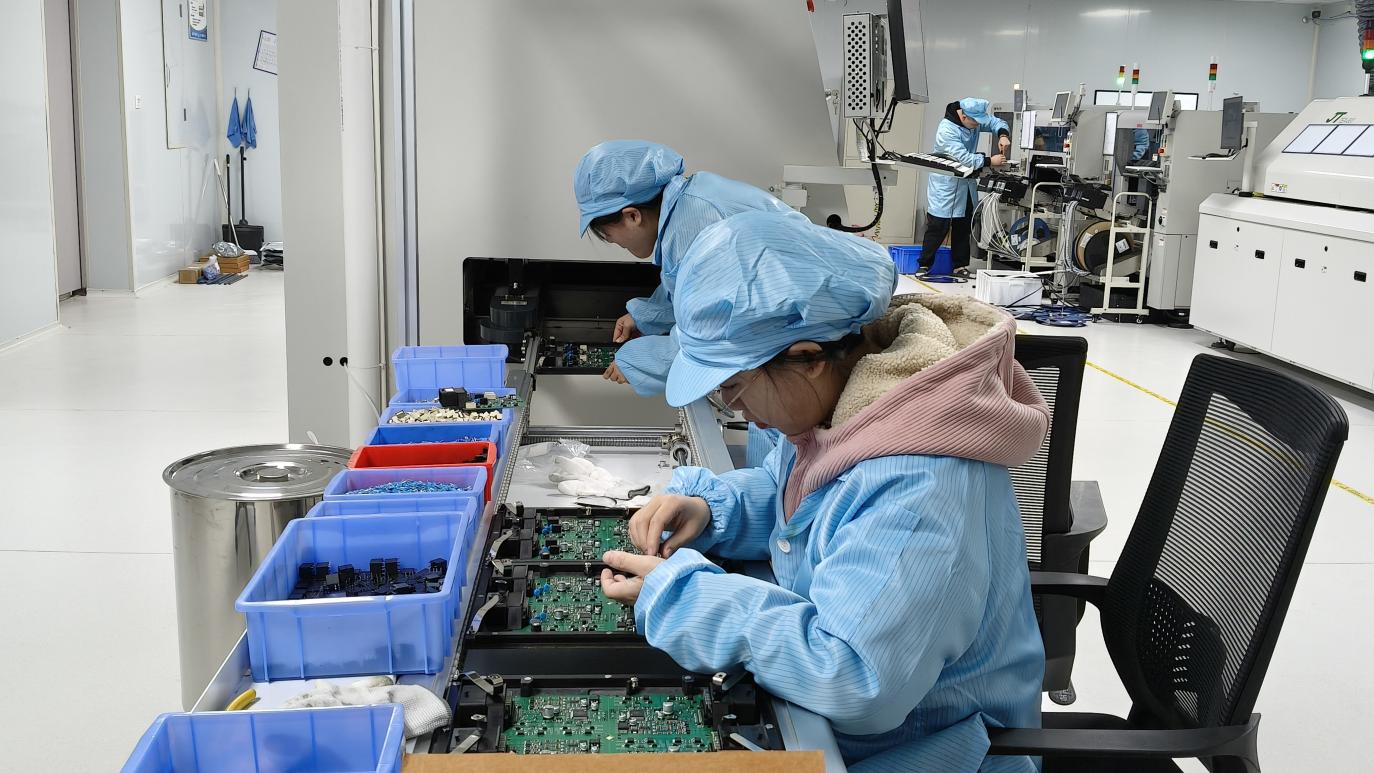
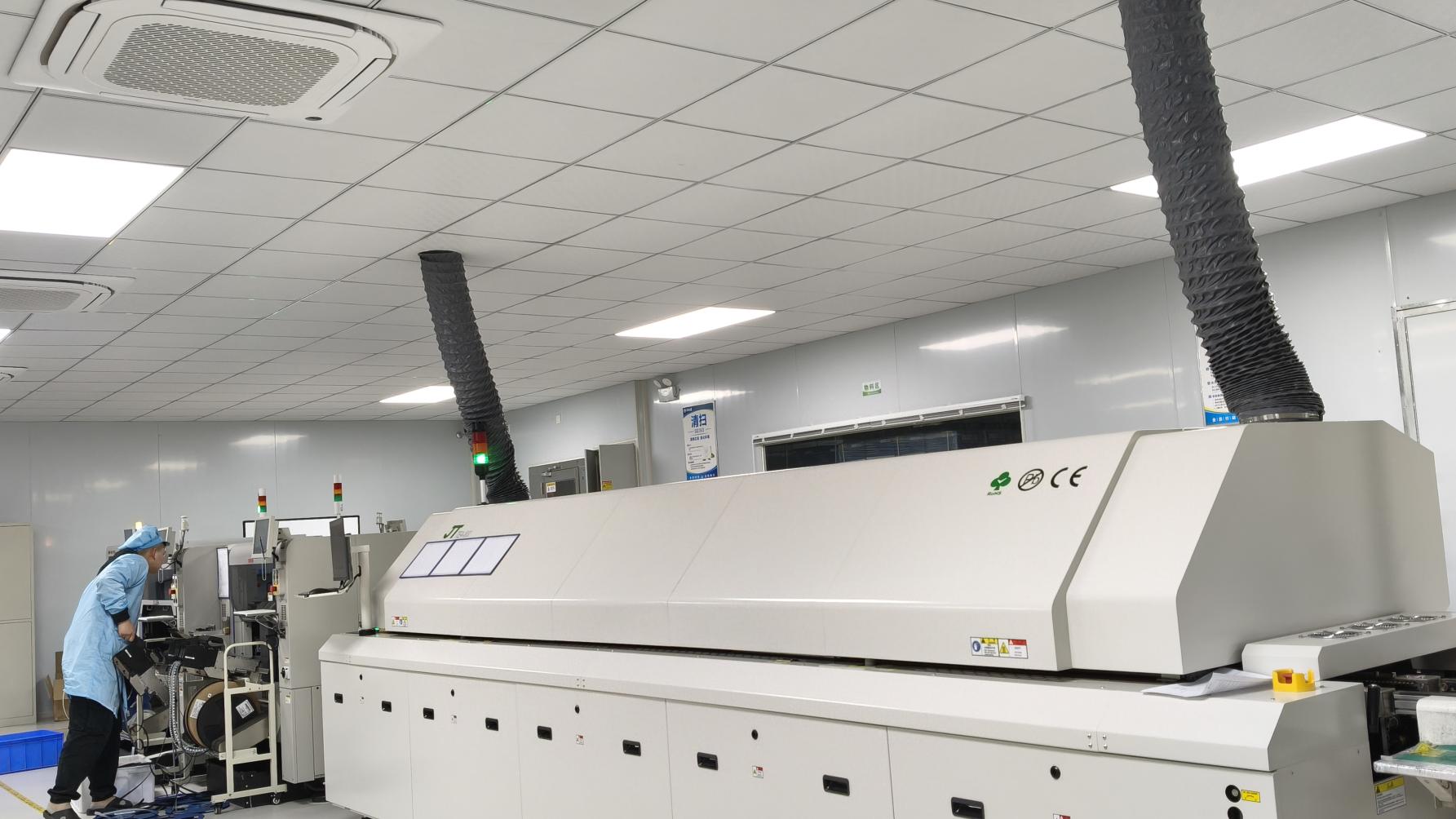
Our surface mount technology lines handle high-density components with extreme speed and precision, maintaining absolute solder joint integrity.
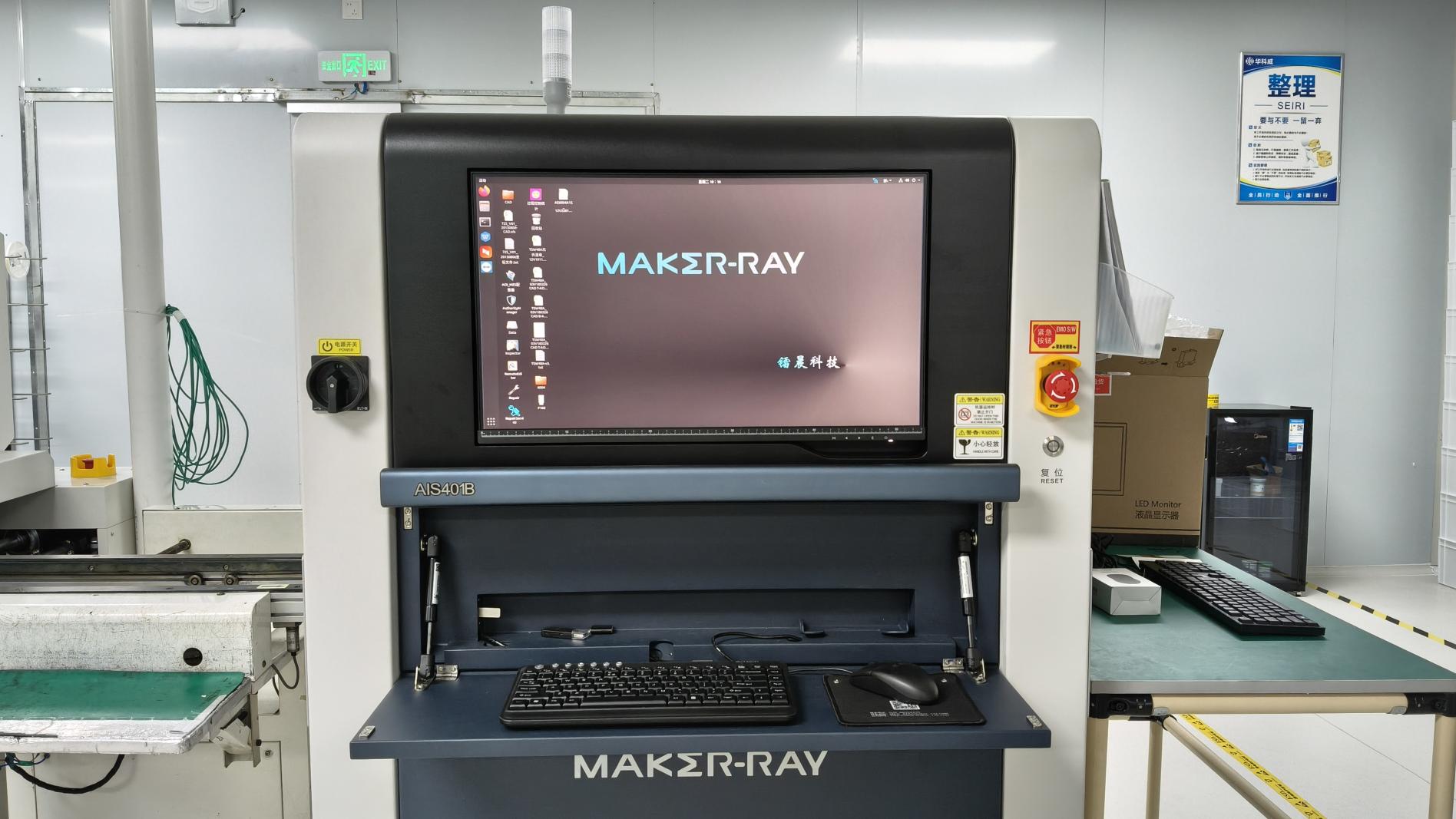
Automated Optical Inspection scans components for alignment, orientation, and bridging faults before products advance to assembly stages.
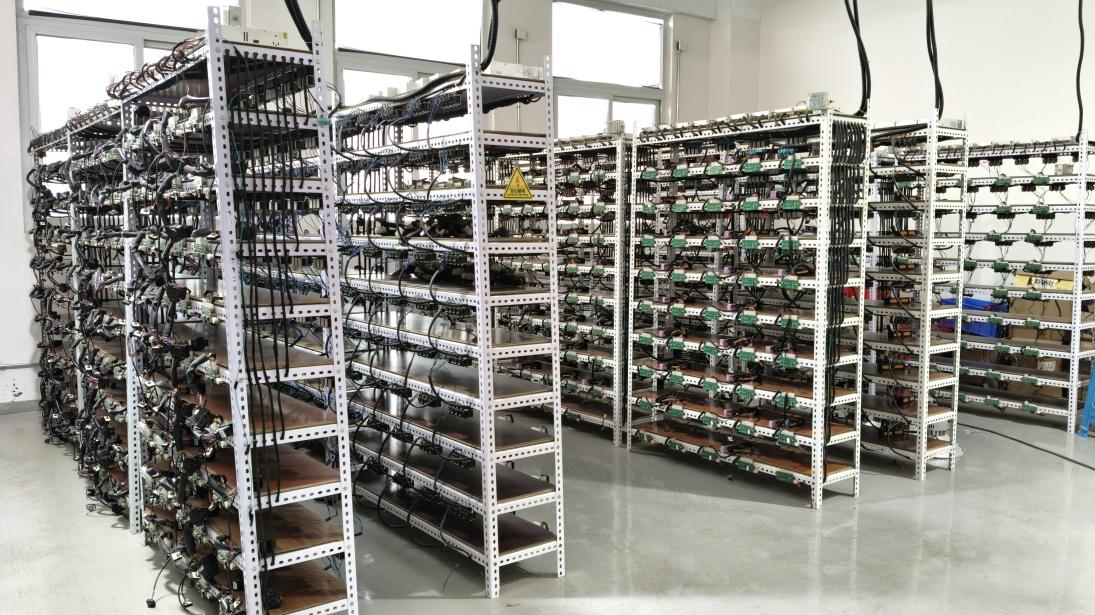
All finished products are subjected to extended high-temperature, high-humidity, and power-cycling burn-in tests to filter out premature failures.
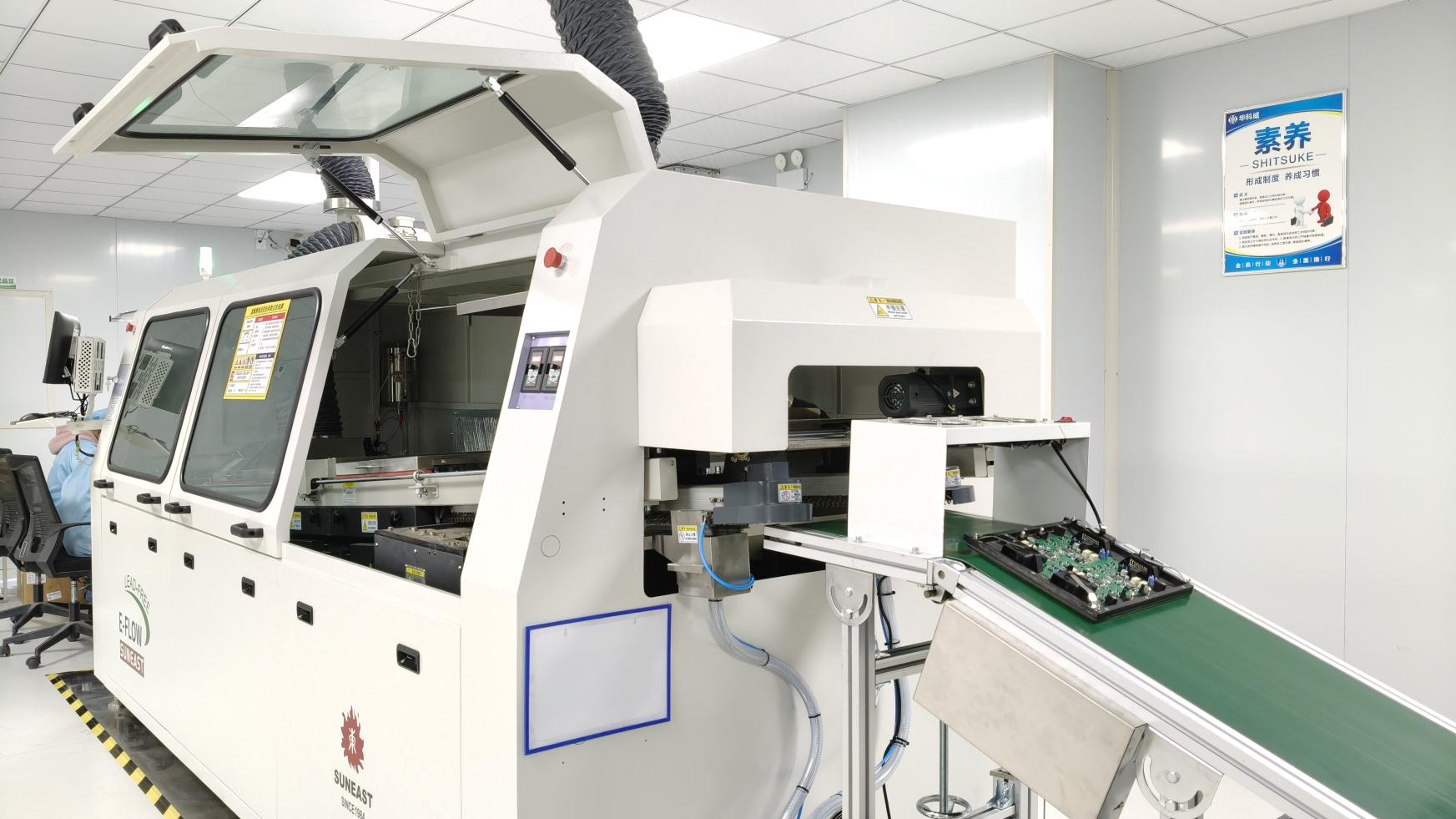
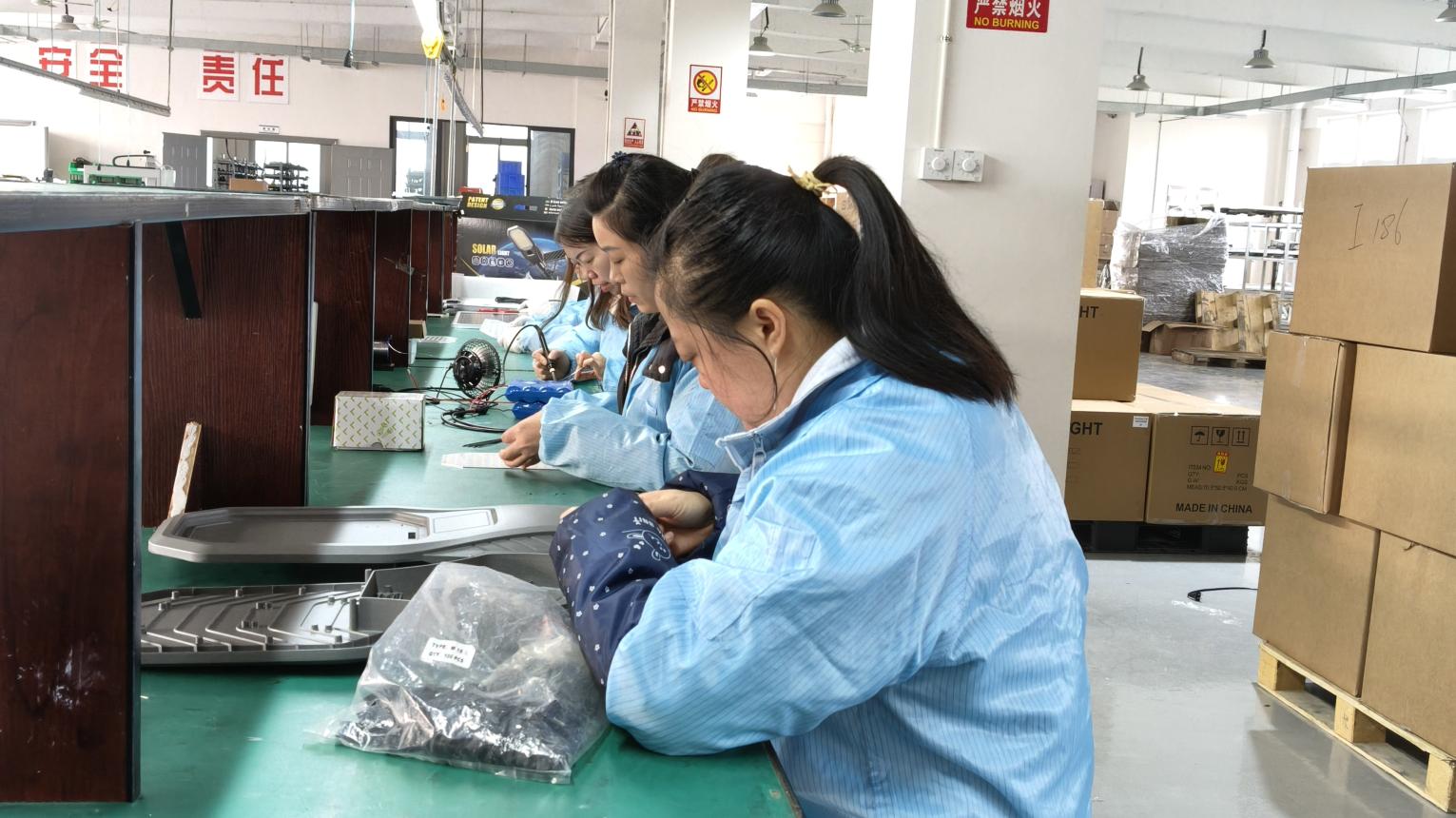
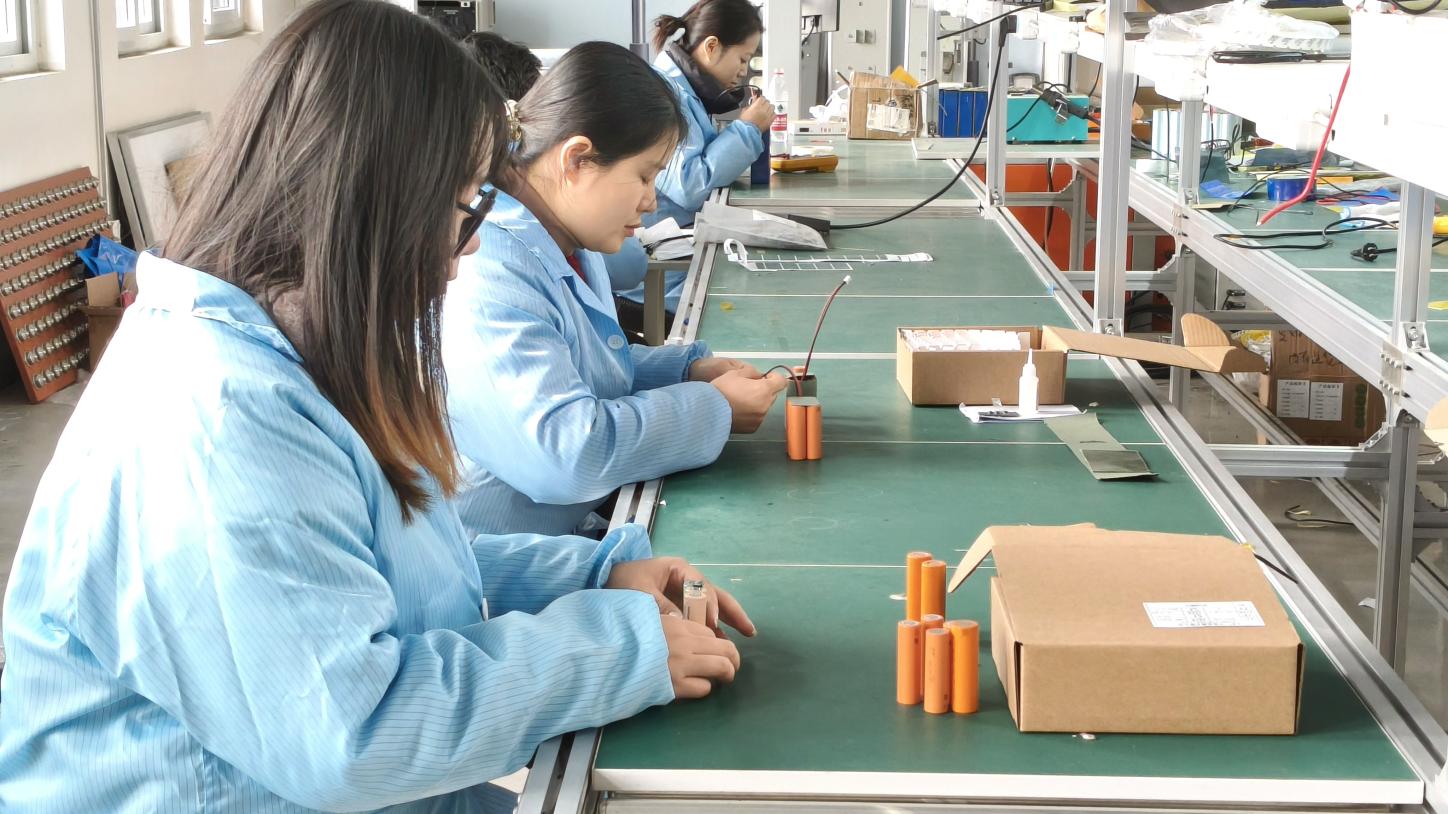
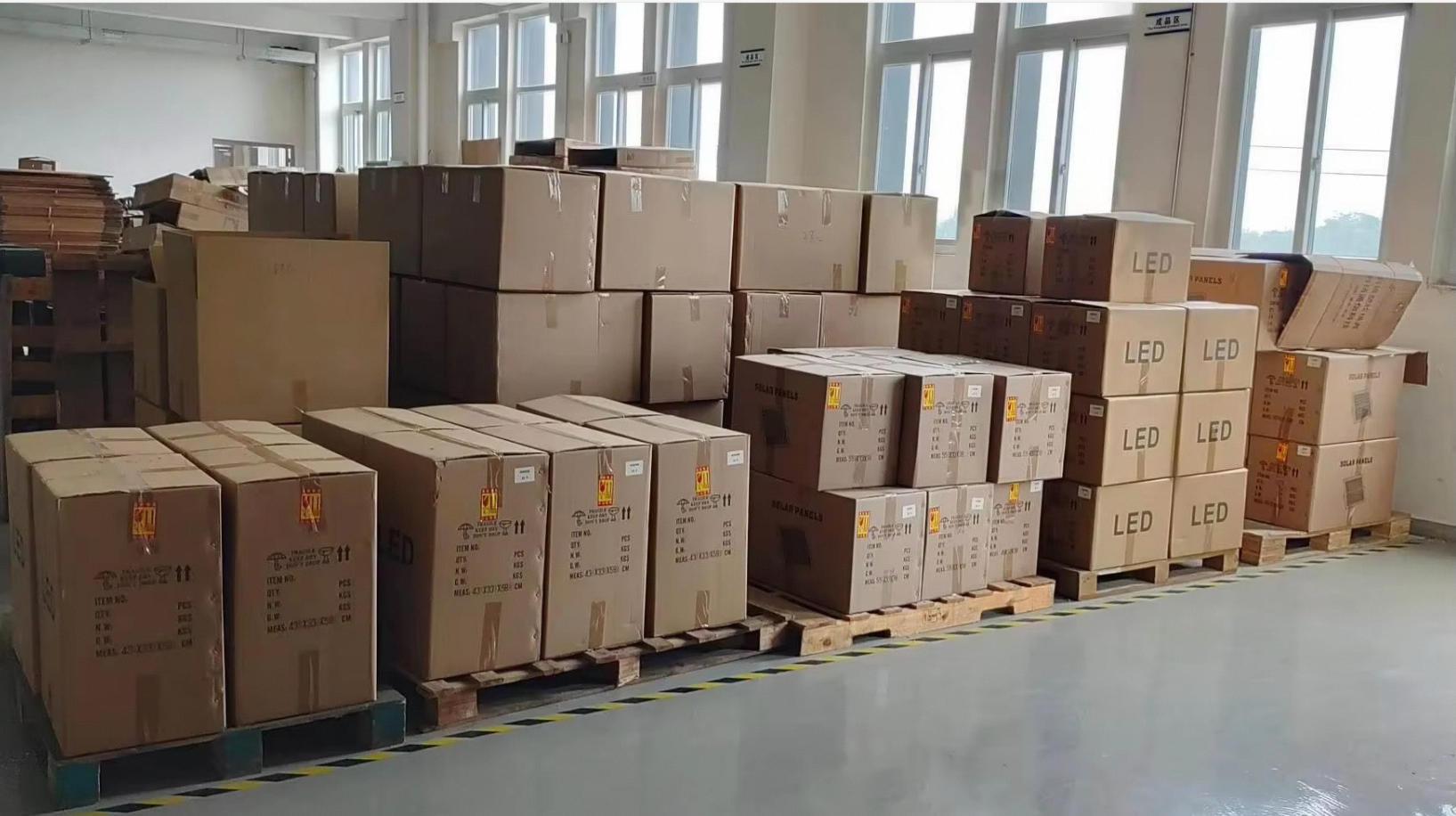
Our manufacturing plant integrates state-of-the-art automation and manual skill to maintain high quality and fast throughput. Below is an overview of our specialized workshops and machineries, showcasing our complete control over the production pipeline:
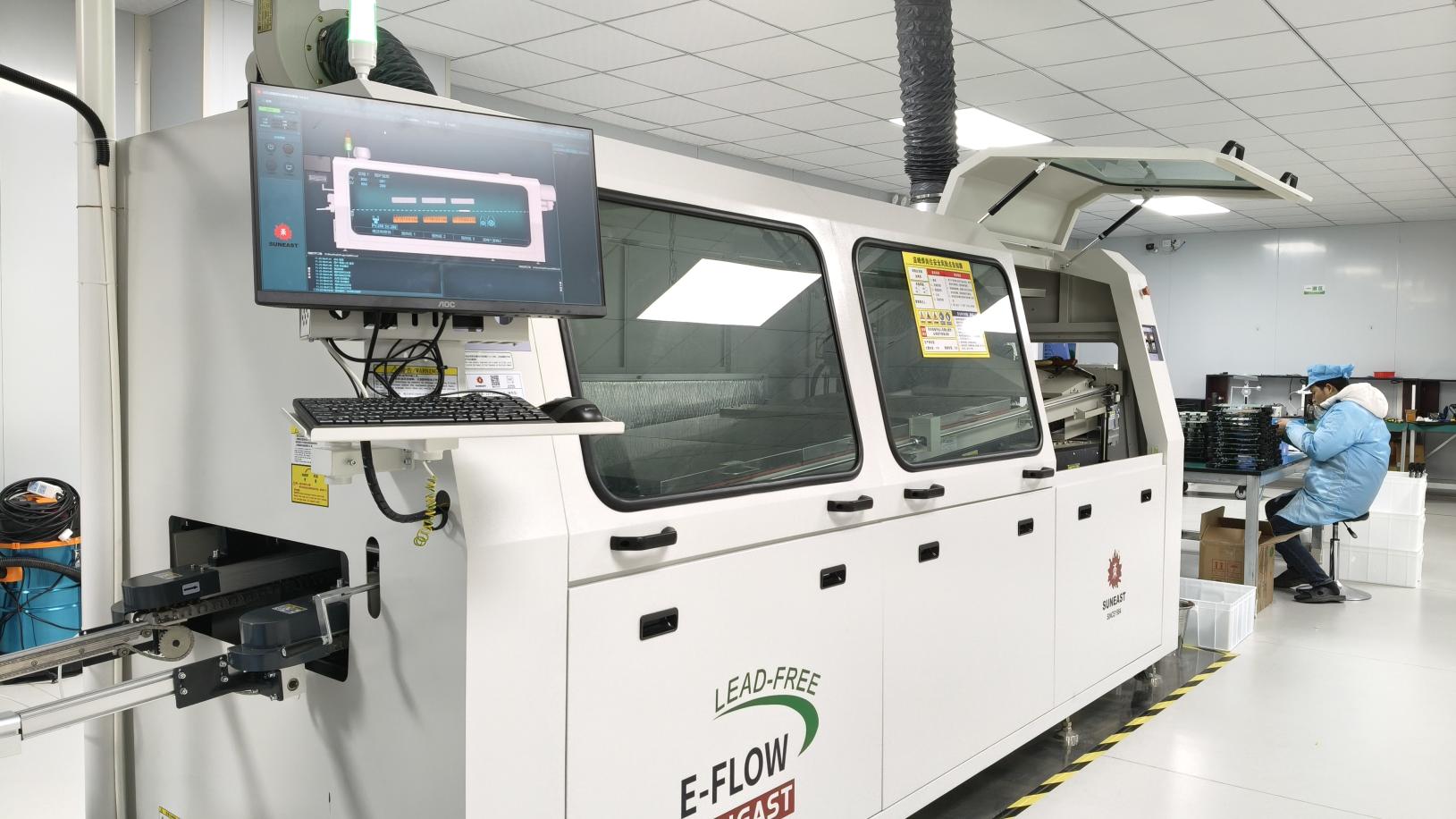
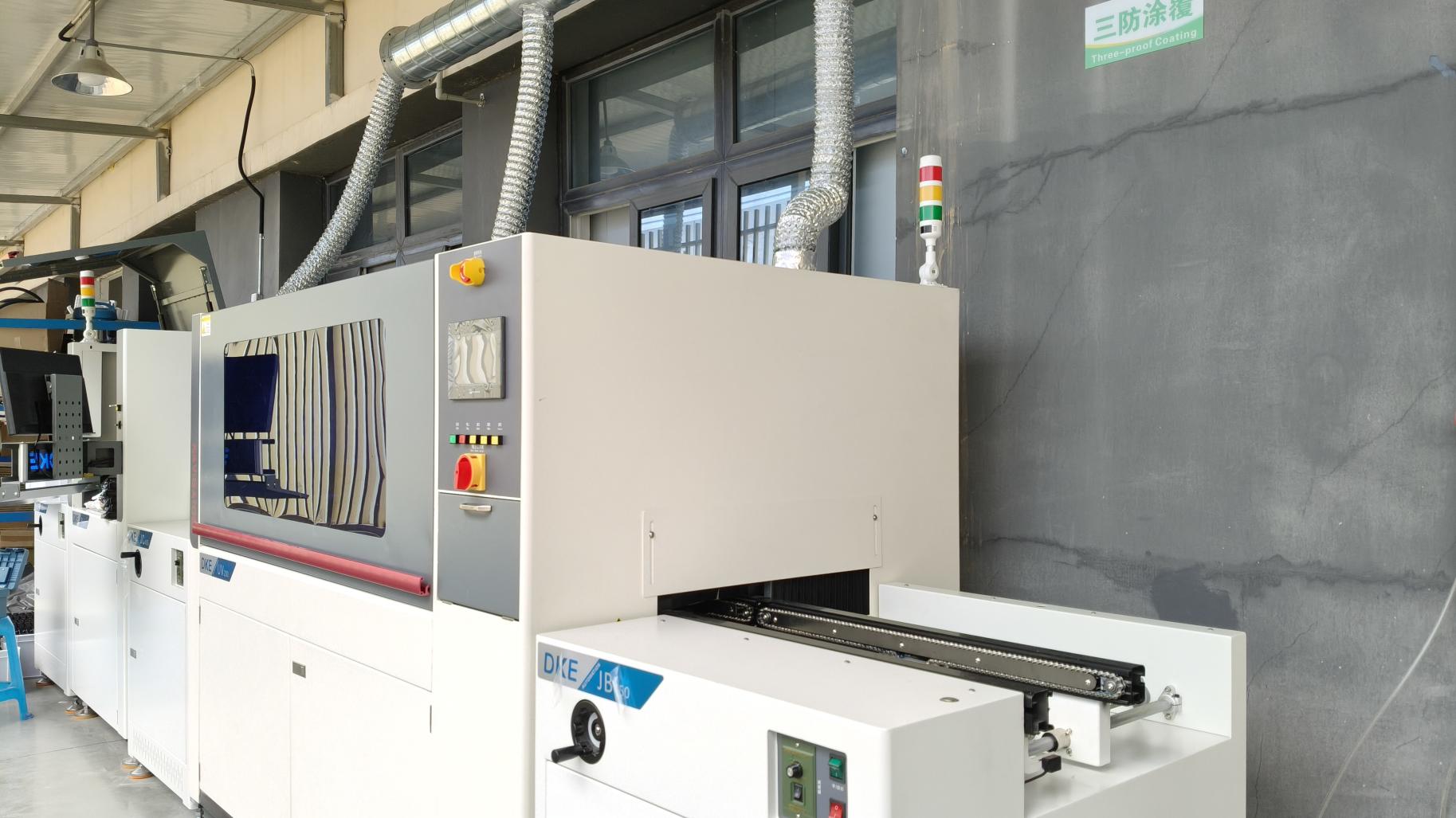
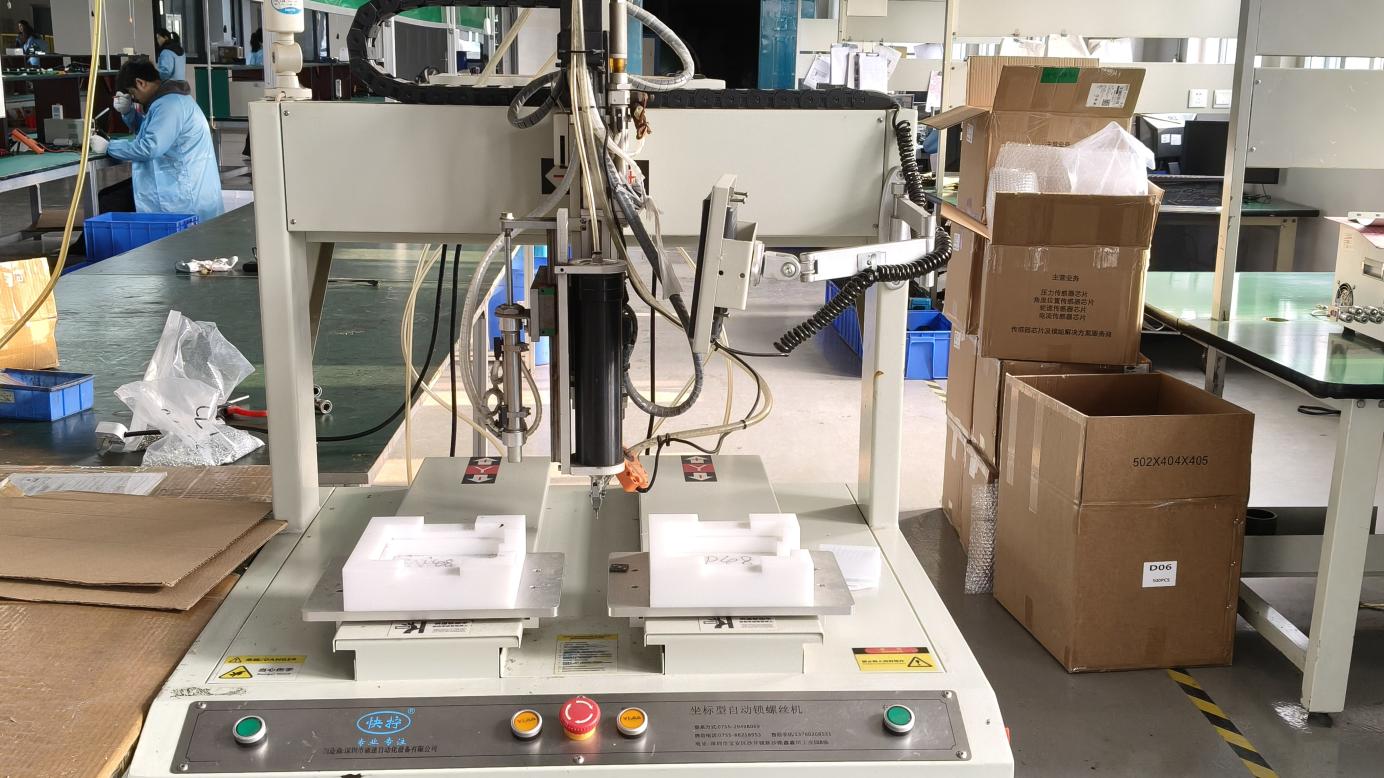
B2B buyers evaluate color spot lights through the lens of specific local codes, physical placement constraints, and environmental challenges. Understanding these variables is key to optimizing search and procurement strategies.
Urban projects require IP66 to IP68 rating certifications to withstand rainfall, dust storm abrasion, and extreme temperature variations. Furthermore, integration with central building automation networks calls for precise control systems—primarily DMX512 or RDM protocols. Modern projects also demand dynamic RGBW or RGBA emitters to output clean pastel tones alongside saturated primary hues.
In retail and exhibition spaces, the primary metric is beam quality and color rendering accuracy. Here, buyers target color spot lights featuring adjustable beam angles (via zoomable lens systems) and High-CRI (R9 > 90) emitters. These specifications prevent visual fatigue while highlighting the authentic color profiles of products or museum artifacts.
Industrial facilities use color spot lights to projection-map safety markings on factory floors or highlight overhead crane hazards. In these zones, high-powered blue, red, and green lights operate continuously under intense ambient temperatures. This makes high-grade aluminum housings, advanced cooling fins, and thermal throttling drivers essential.
For coastal, industrial, or high-humidity applications, standard spot lights are vulnerable to corrosion and sulfur damage. True OEM experts utilize specialized Three-proof Coating Equipment to apply a protective, micron-thin conformal layer over the SMT assemblies. This barrier shields electronics against moisture, salt spray, and chemical vapors, significantly extending the service life of external outdoor spot lights and wall washers.
To maintain competitiveness in the global procurement ecosystem, buyers and manufacturers must align with these industry-defining technological shifts:
Traditional analog controls are being phased out in favor of digital and wireless control protocols. The integration of Bluetooth Mesh, Zigbee, and Matter with outdoor lighting allows municipalities to adjust CCT and brightness based on time of day, pedestrian density, or specific municipal events. This connectivity saves energy while gathering telemetry for predictive maintenance.
Developments in micro-optics and secondary lenses allow color spot lights to generate tight, high-intensity beams with minimal light spill. This level of control prevents light pollution in urban environments while maximizing the lux output delivered to the target surface.
Engineers are moving beyond simple extruded aluminum heatsinks. The use of thermally conductive plastics, magnesium alloys, and vapor chamber technologies reduces overall fixture weight without sacrificing thermal performance. Lighter designs lower shipping costs, simplify pole-mount structural requirements, and reduce physical stress on installers.
Lead times vary depending on the scope of customization. For standard housing modifications with custom driver configurations, lead times average 4 to 6 weeks. When a project requires fresh optical design and tooling, prototype development takes approximately 3 to 4 weeks, with mass production taking 4 to 5 weeks following sample approval.
IP67 rating guarantees protection against short-term immersion in water, while IP68 guarantees continuous operation underwater (e.g., in pools or architectural fountains). This level of protection prevents internal condensation, which can short-circuit electronics and cause optical clouding or shifts in color output.
We configure all industrial-grade spot lights with premium, constant-current drivers. These components feature integrated over-voltage, over-current, and thermal-overload protection, alongside 6KV-10KV surge protection. This isolation shields sensitive LED arrays from grid fluctuations, safeguarding large-scale installations.
RGB systems mix red, green, and blue light to generate color. RGBW adds a dedicated white chip (usually 3000K or 4000K) to output clean, high-CRI white light and create softer pastel shades. RGBA includes an amber chip, expanding the color gamut to render warmer, richer tones like gold, yellow, and deep orange.
We design our spot lights using premium die-cast aluminum alloys (ADC12) featuring customized thermal fins. These fins maximize surface area, drawing heat away from the LED junctions. During our assembly process, we use automated screw-locking machines to apply uniform pressure across the thermal interface materials, optimizing heat transfer.
Explore our industrial-grade luminaires, designed for long life, reliability, and high energy efficiency.
 Lili Light