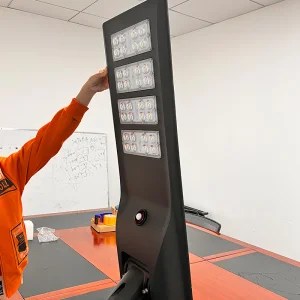
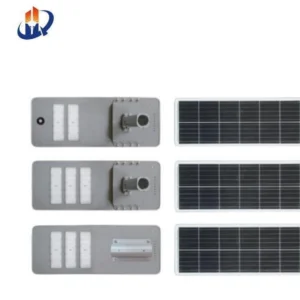
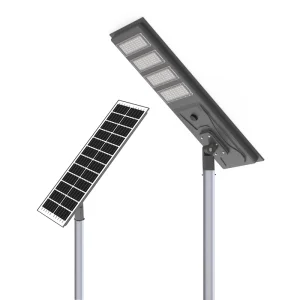
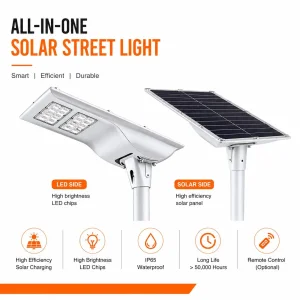
Premium quality integrated lighting products designed for the high performance, smart security, and extreme climate demands of the Middle East.
A comprehensive analysis of the Middle East's transition to solar-powered municipal systems under the Vision 2030 initiative.
The Kingdom of Saudi Arabia (KSA) is undergoing one of the most ambitious infrastructural transformations in modern history. Driven by Saudi Vision 2030 and the National Renewable Energy Program (NREP), the country aims to source 50% of its energy from renewable resources by the end of the decade. Central to this mission is the deployment of off-grid solar municipal assets, notably solar street lighting.
However, the Arabian Peninsula presents uniquely harsh environmental parameters that decimate standard commercial-grade lighting systems. Designing solar streetlights for this territory requires strict engineering countermeasures:
Globally, solar lighting has shifted from a basic "off-grid solution for rural areas" to a strategic "smart grid municipal asset". Modern municipal purchasers look for systems that integrate directly into Smart City command centers. Utilizing technology like LoRaWAN, Zigbee, or 4G/5G cellular nodes, modern streetlights act as localized weather stations, traffic monitoring stations, and public security outposts.
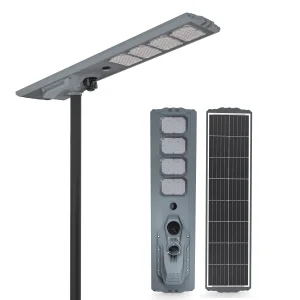
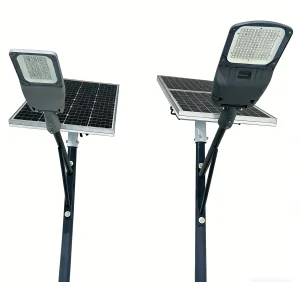
This paradigm shift is highly visible in giga-projects like NEOM, the Red Sea Project, and Qiddiya, where environmental aesthetics must merge with high-end IoT security systems. For example, our IP67 High Power 60 Watt Solar LED Street Light 4G CCTV meets this intersection perfectly, combining high-lumen output with remote streaming video surveillance.
Why Tier-1 developers and EPC contractors in Saudi Arabia choose Zhejiang Lili Light Co., Ltd. for large-scale procurement.
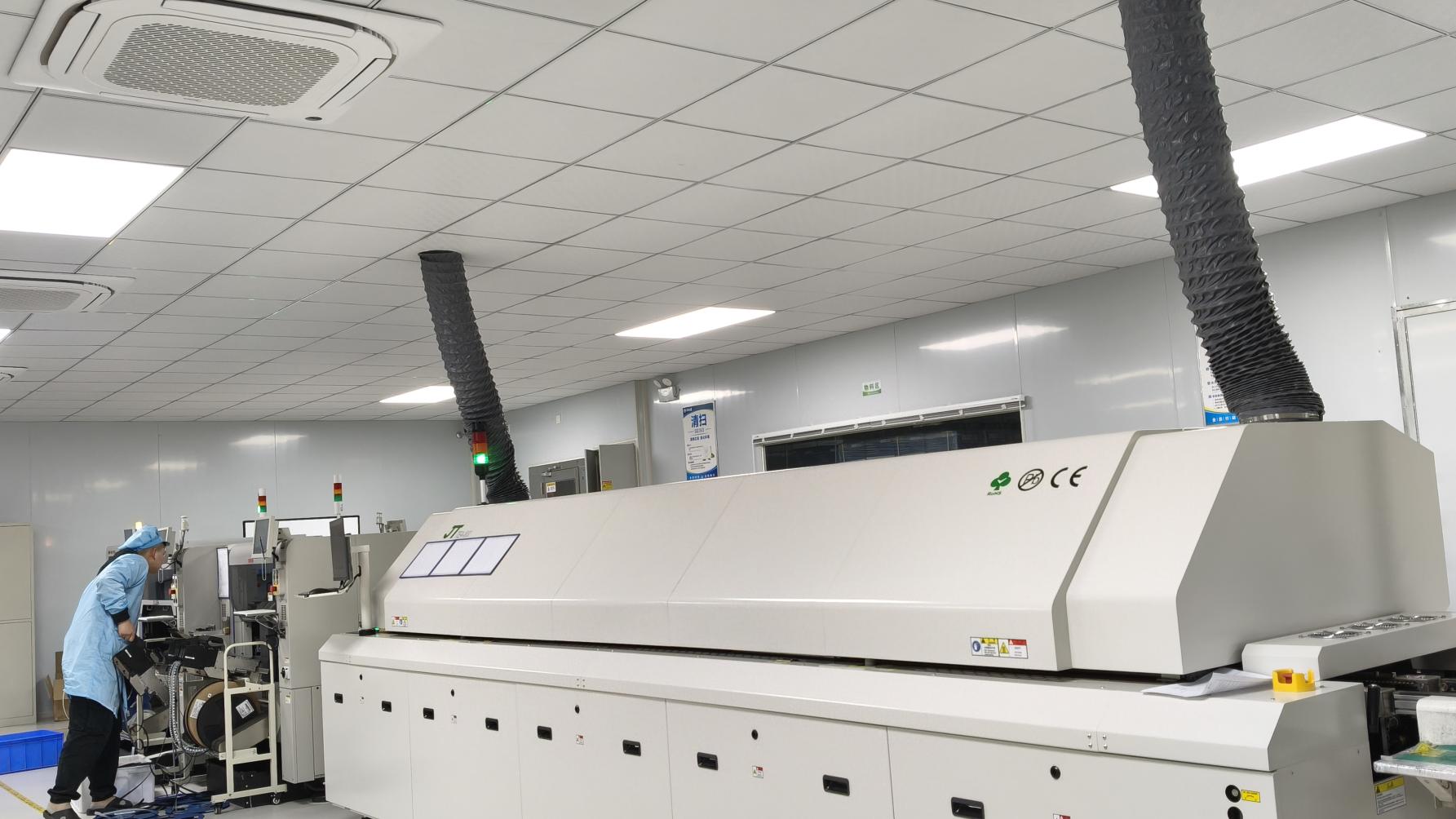
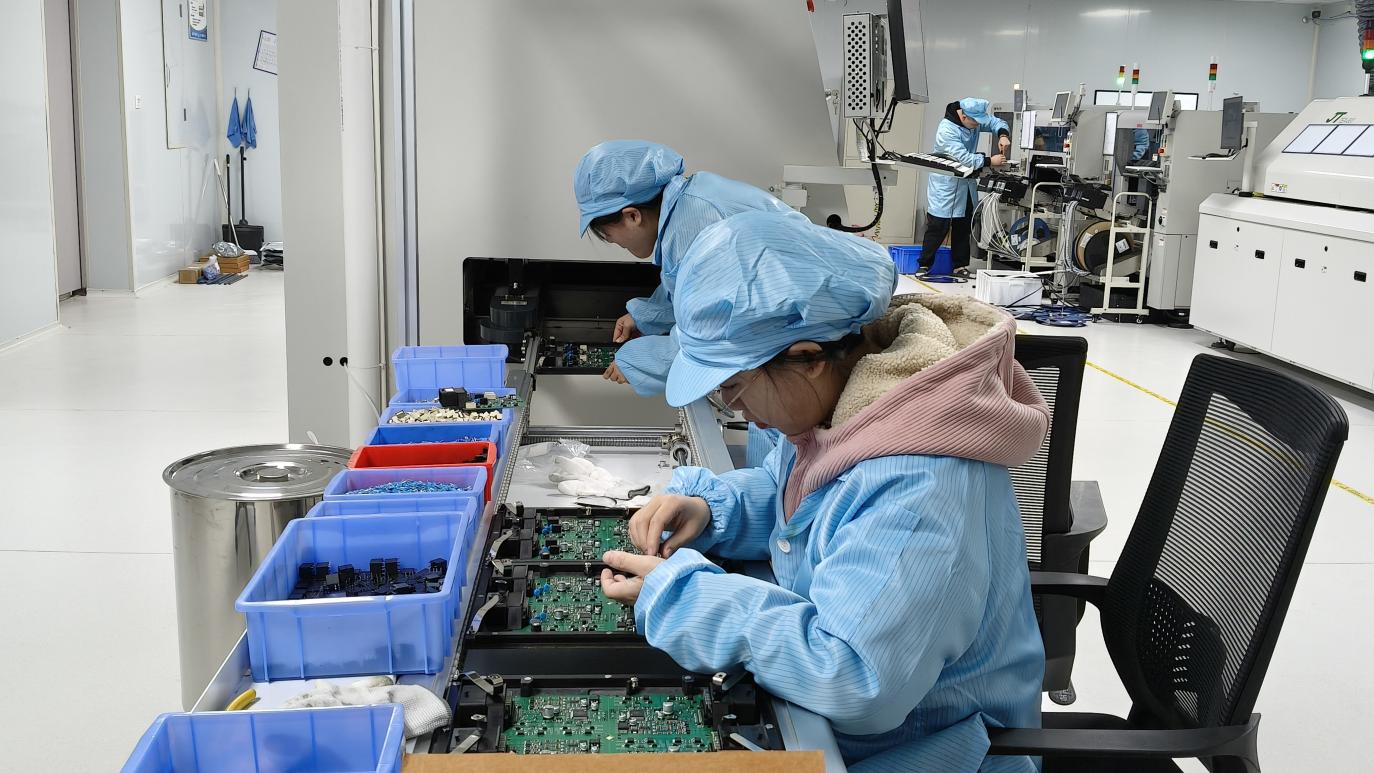
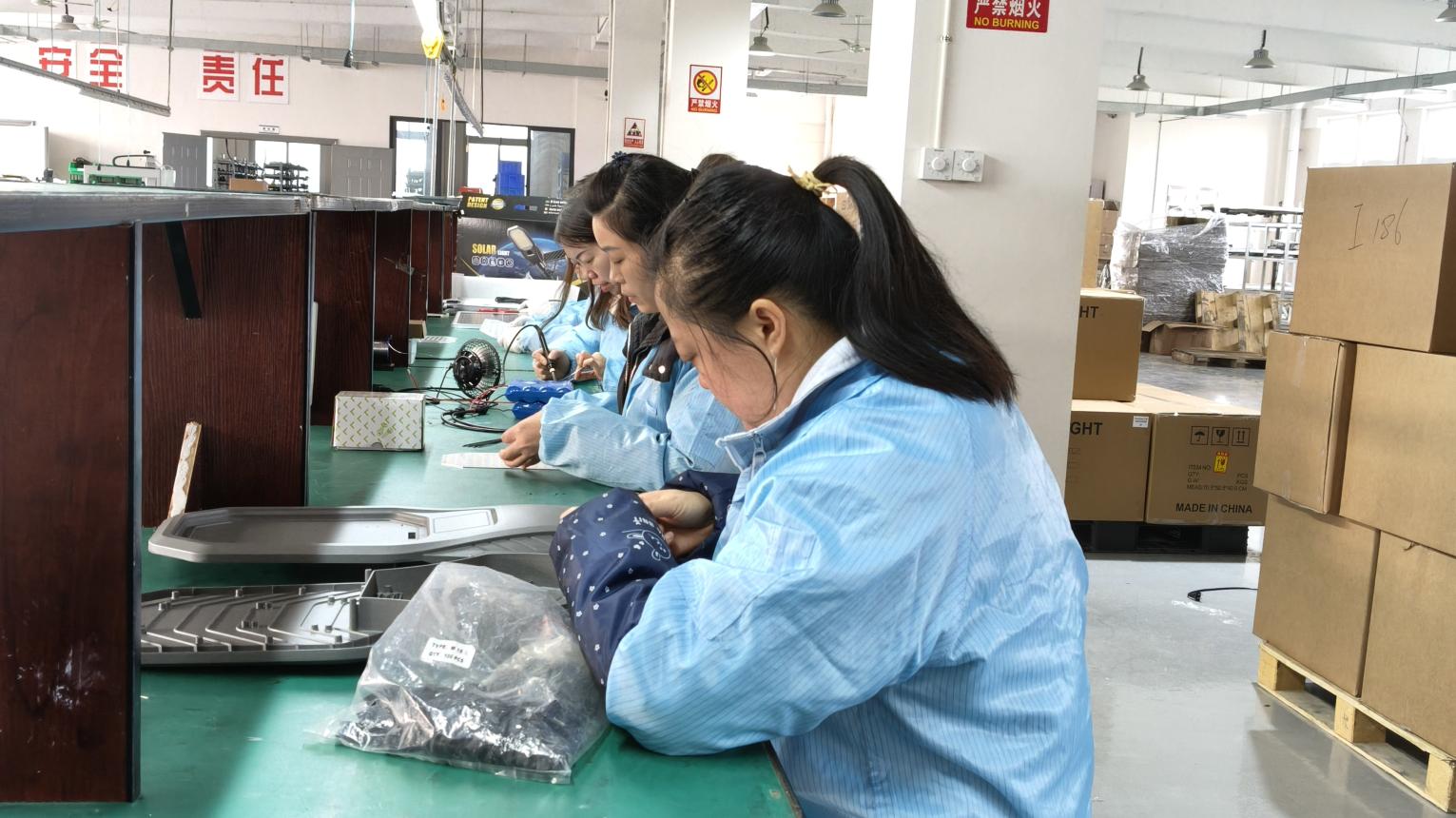
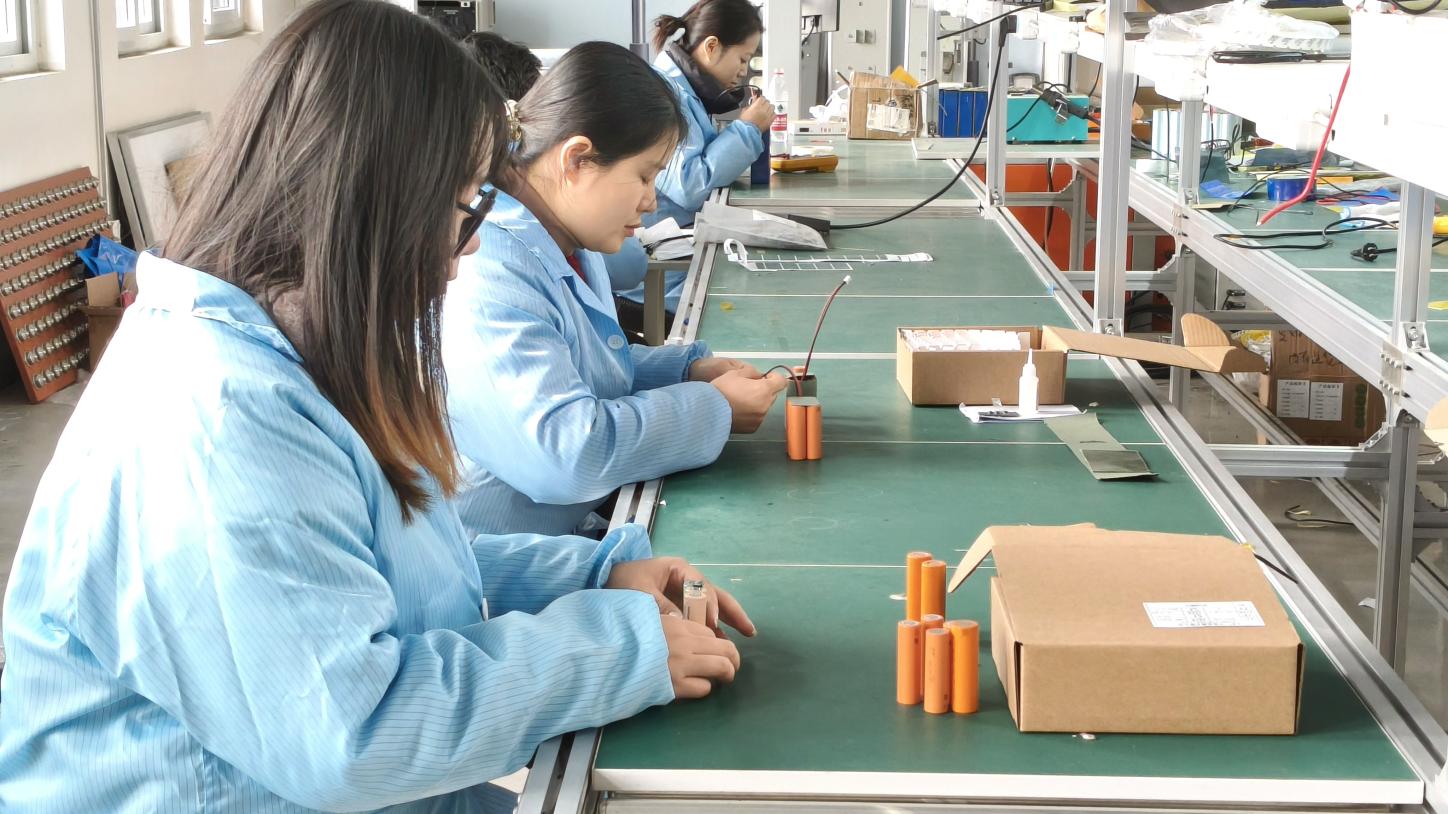
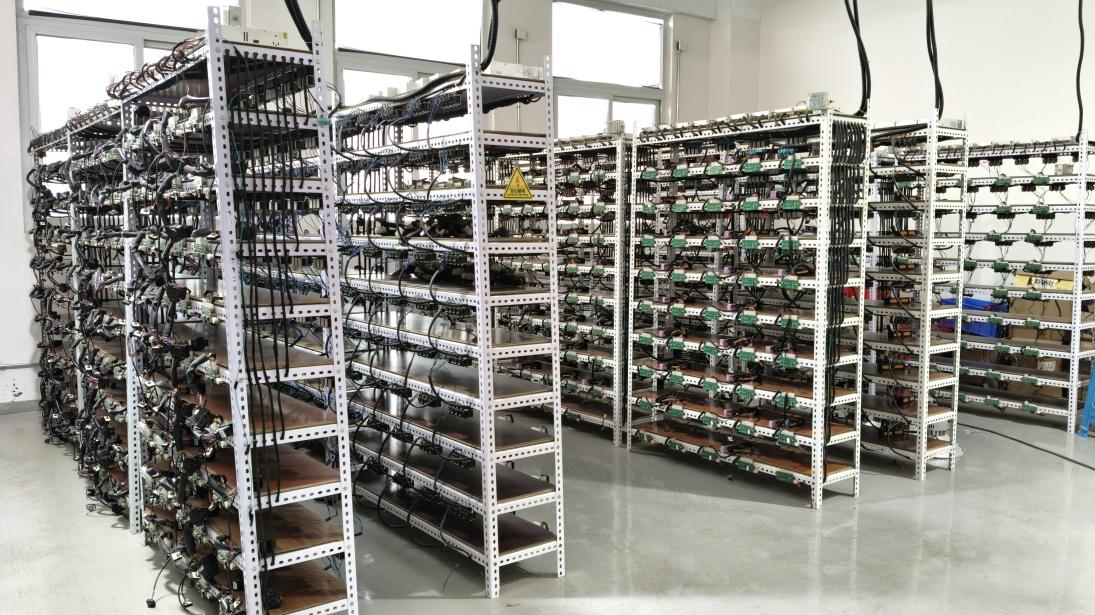
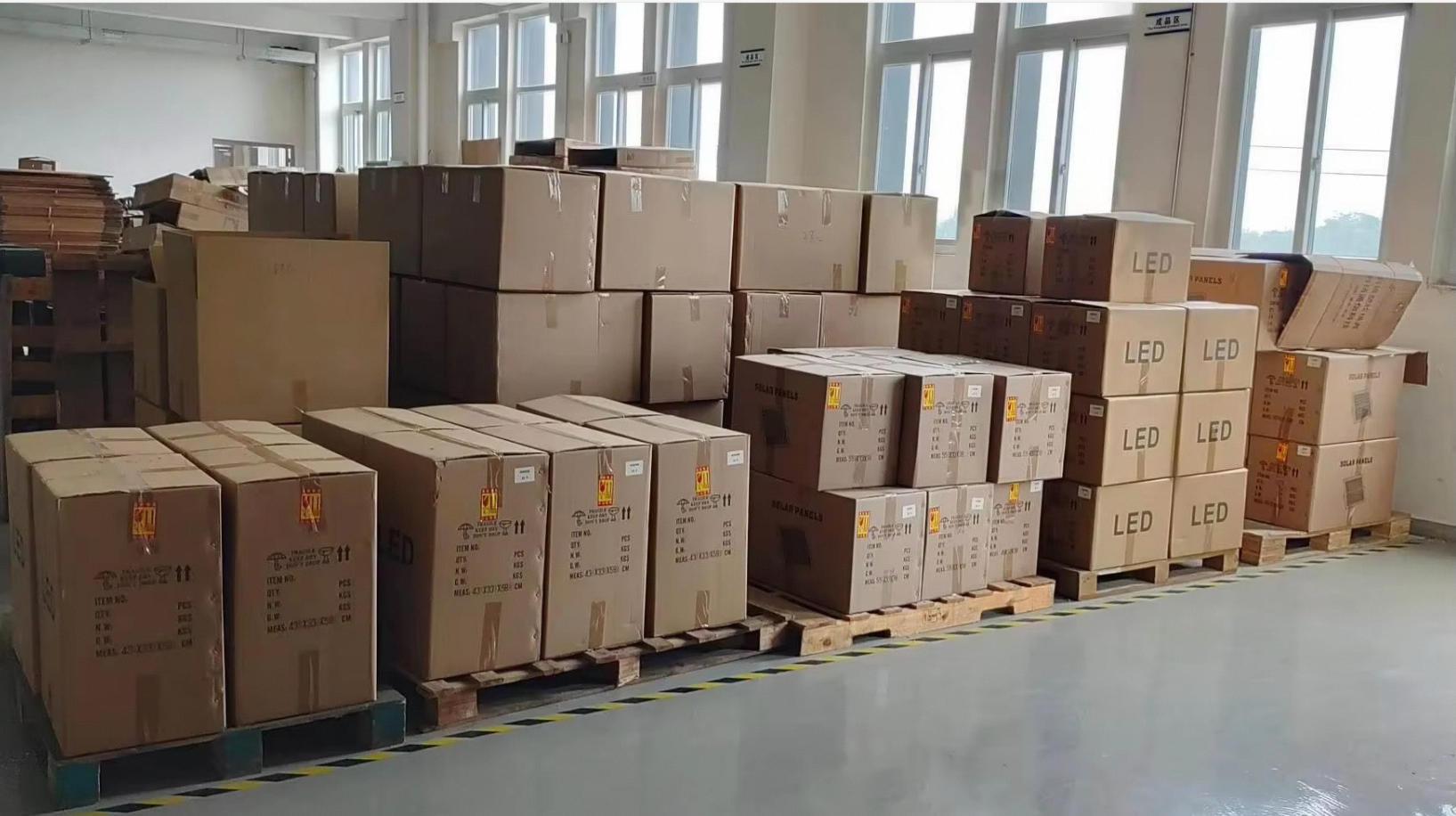
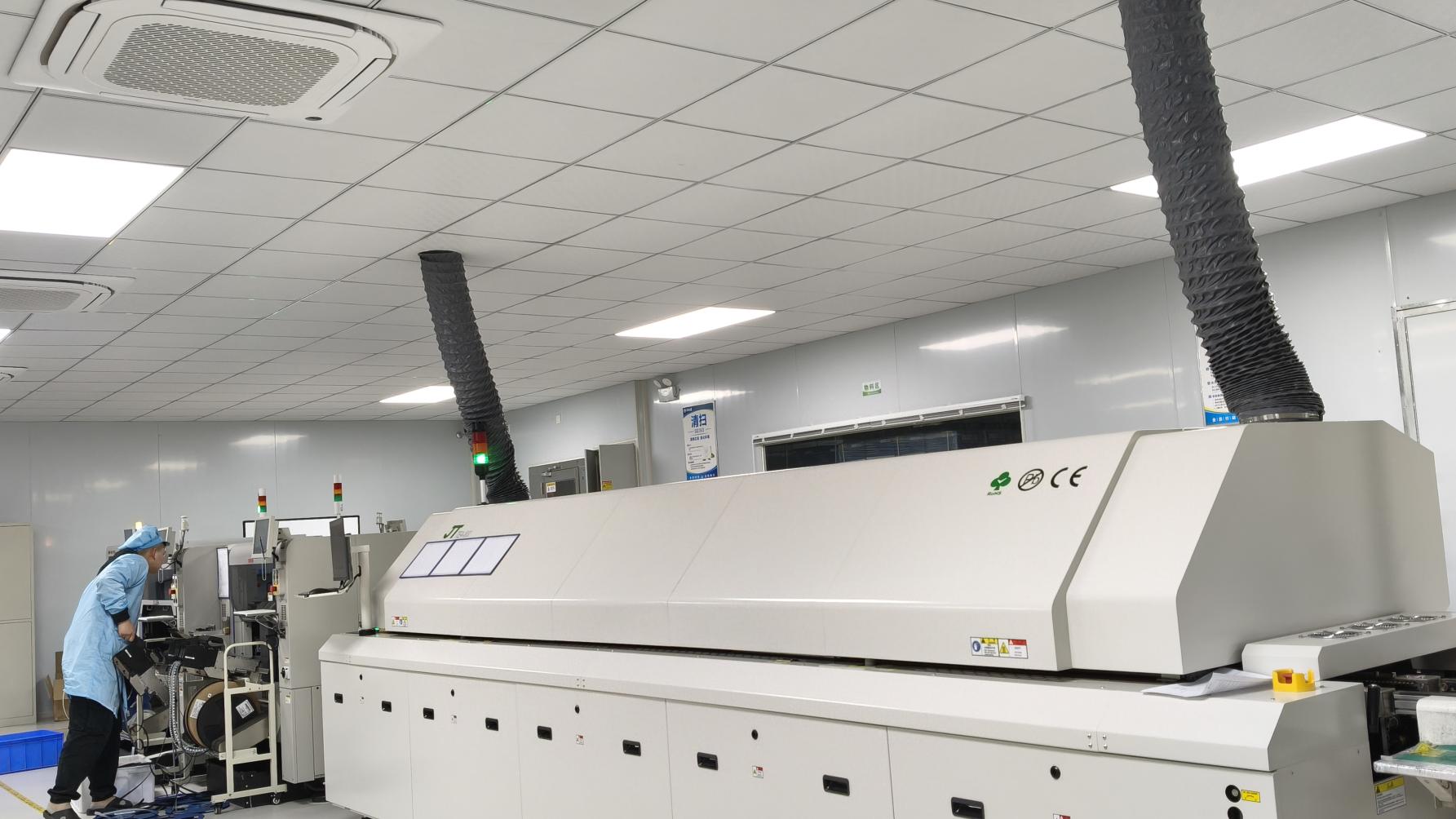
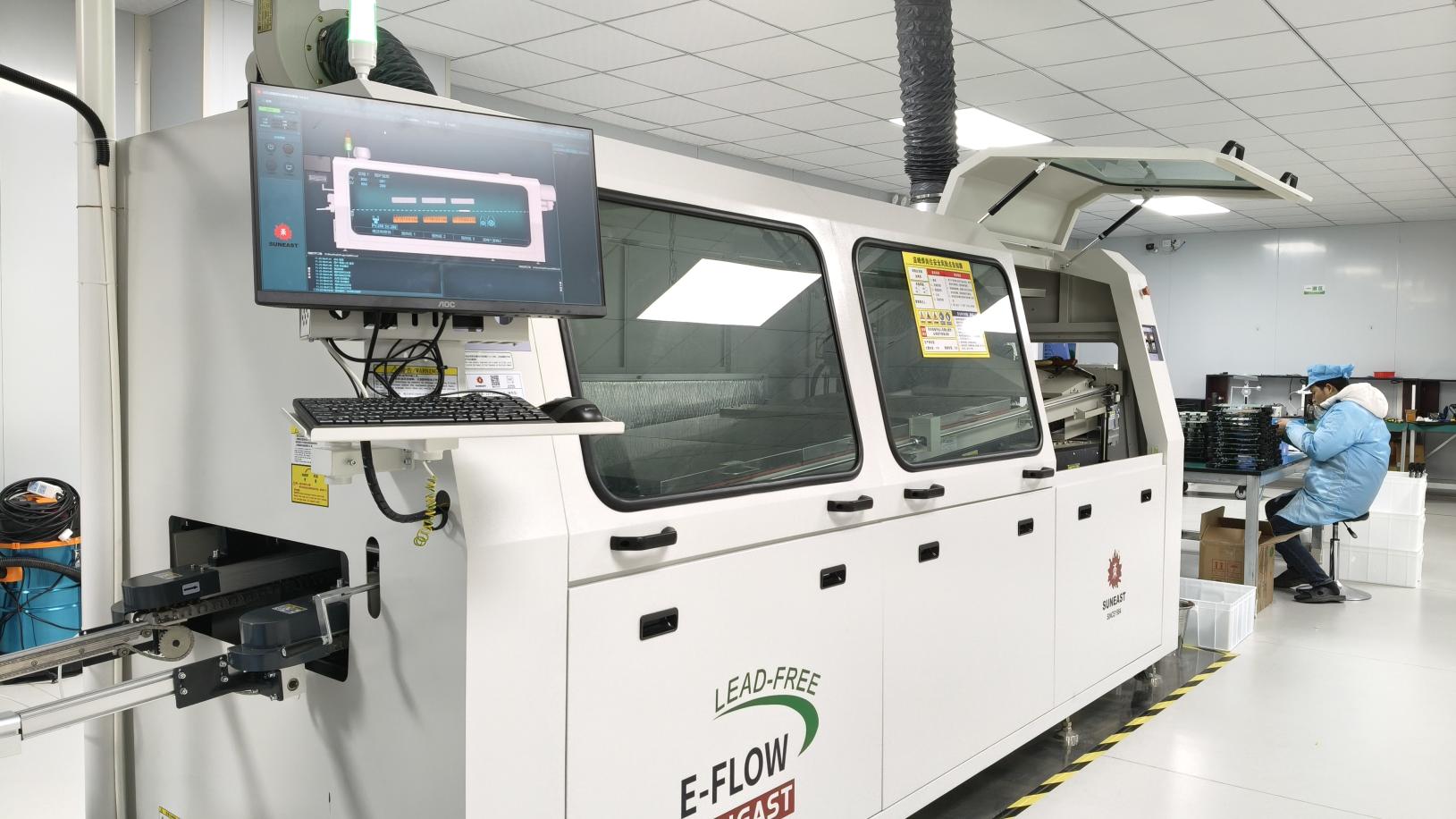
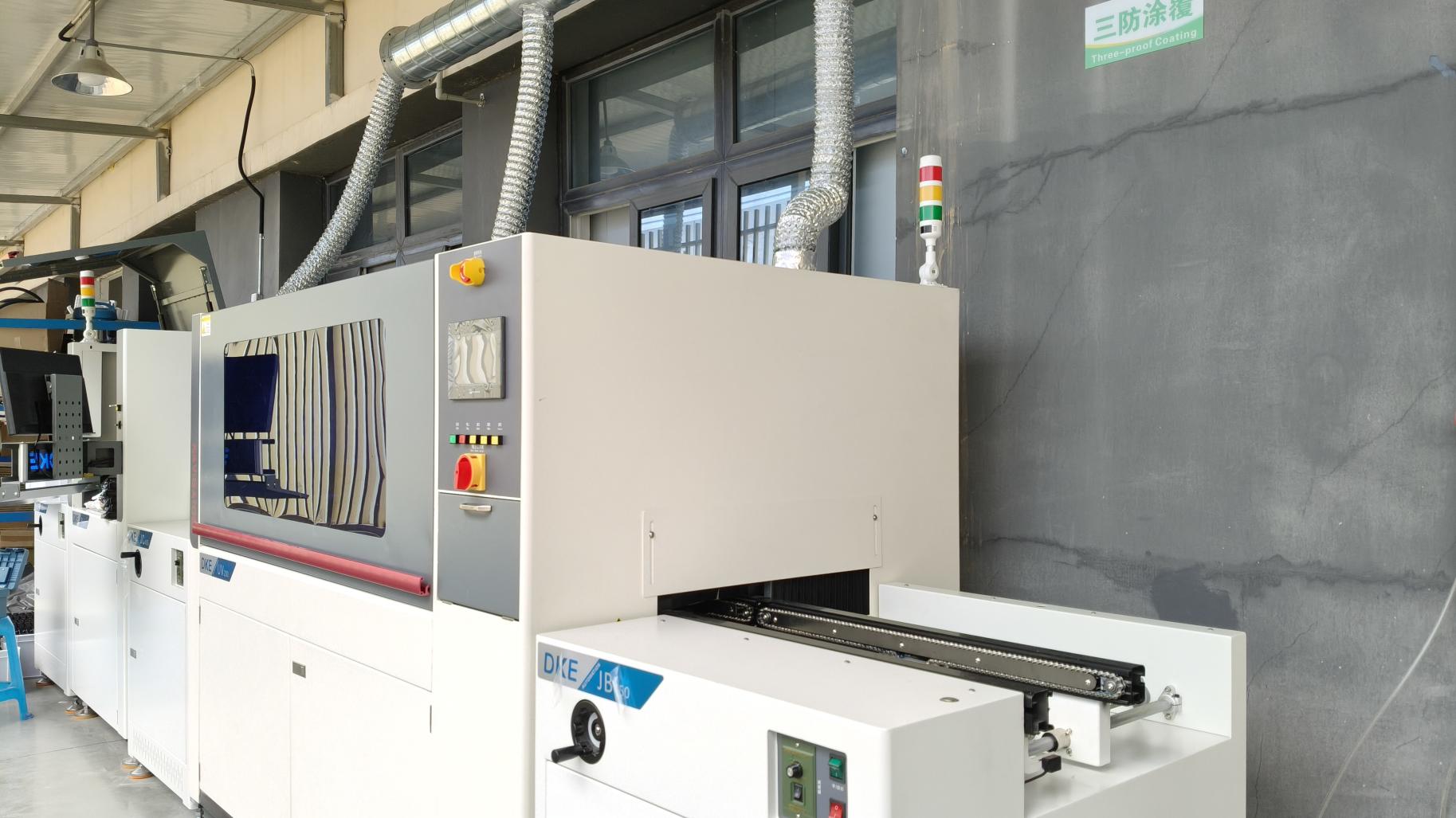
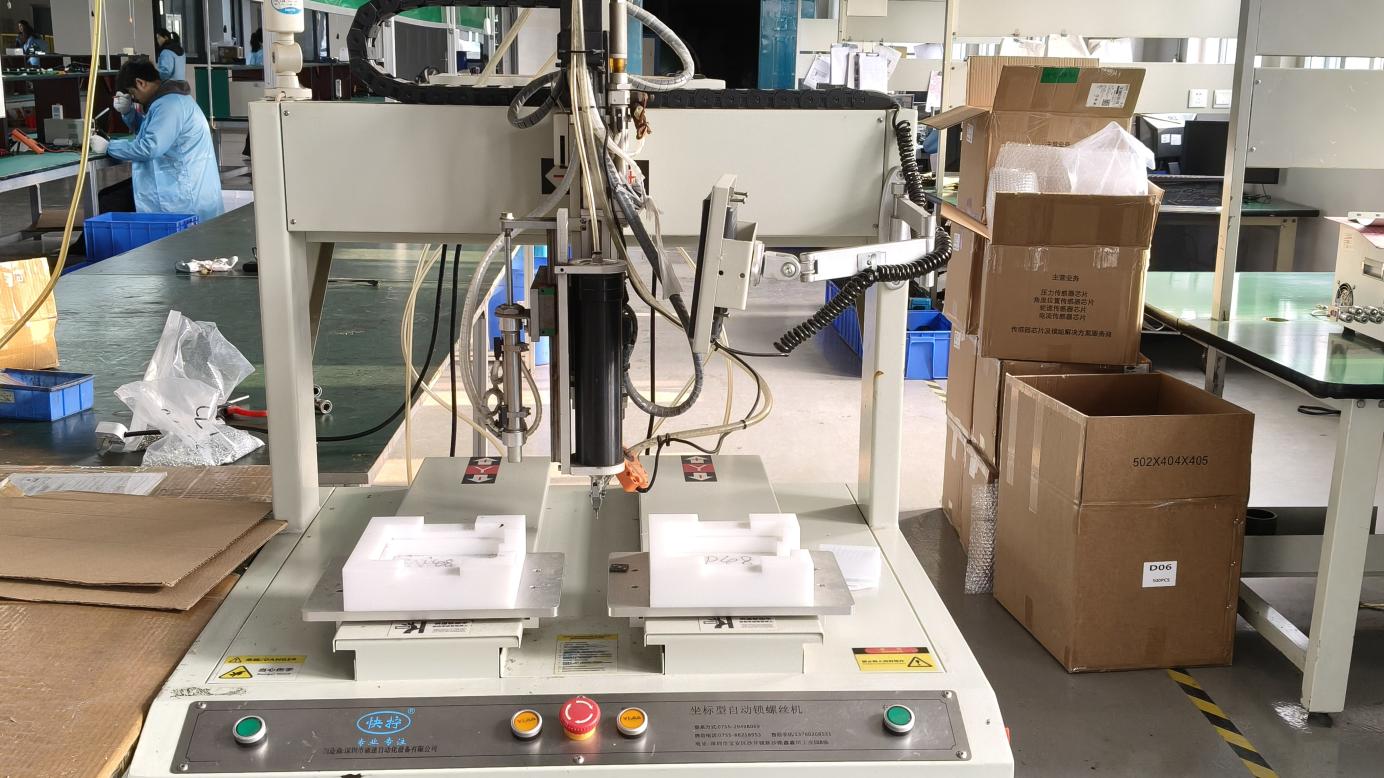
Zhejiang Lili Light Co., Ltd. stands as a world-class manufacturing authority for specialized LED lighting and solar integration systems. Unlike simple assembly operations, our facility integrates vertical production control, ensuring that raw material selection, component matching, and quality testing happen under one roof.
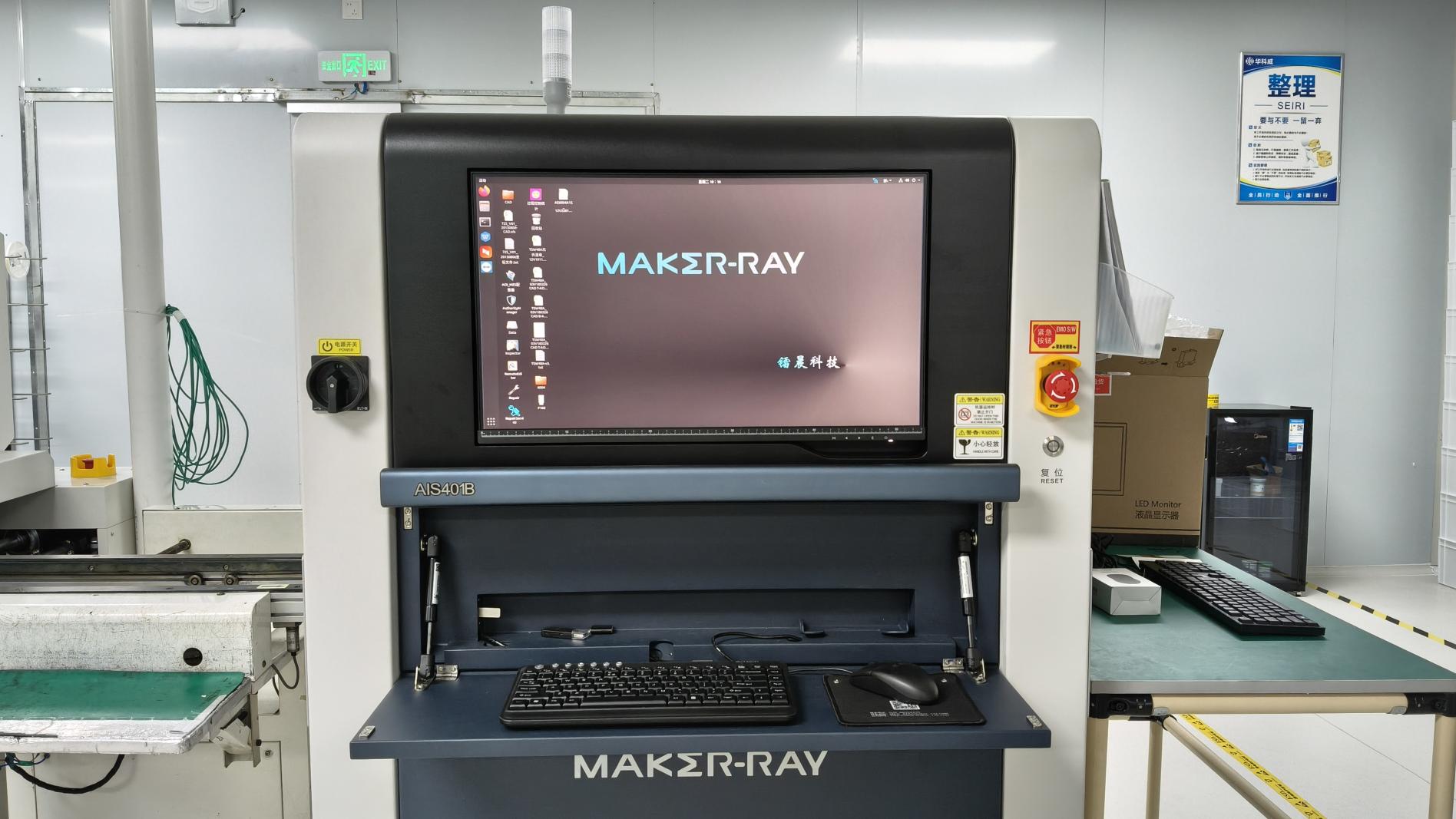
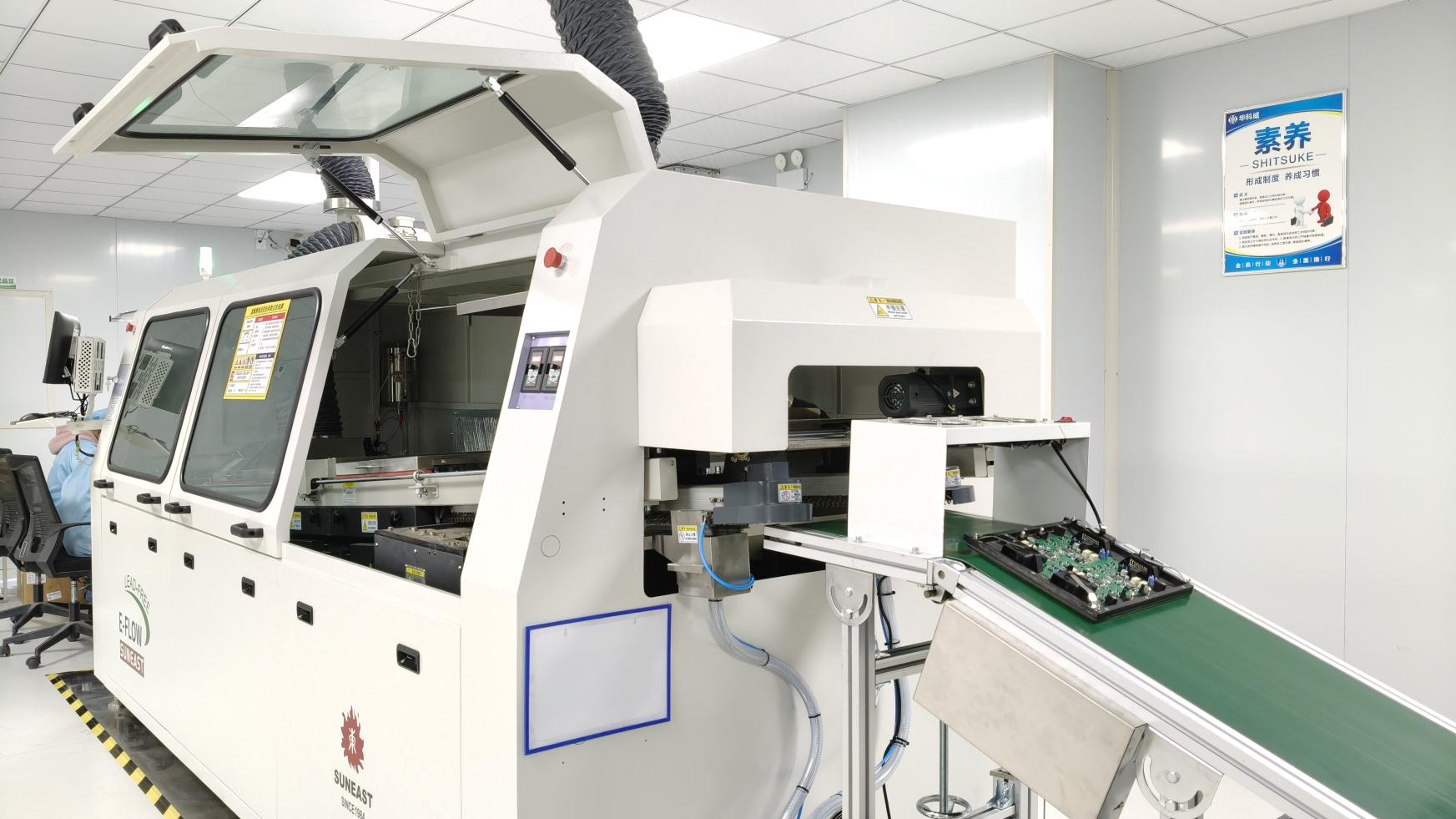
By leveraging China's optimized electronic supply chain hubs and implementing strictly automated industrial production lines, we provide massive cost advantages without compromising reliability. This includes advanced SMT (Surface Mount Technology), AOI (Automated Optical Inspection) systems, and multi-day environmental chamber simulation tests designed specifically to mimic desert climates.
"Under severe desert conditions, a single component failure can trigger massive maintenance overhead. Zhejiang Lili Light addresses this by installing only Tier-1 monocrystalline silicon solar cells, smart MPPT (Maximum Power Point Tracking) solar charge controllers, and high-safety LiFePO4 batteries in all export models."
Understanding how geographical demands shape specialized solar product deployment parameters across the Kingdom.
These flagship modern projects require ultra-sleek, smart-connected infrastructure. Systems deployed here require 4G or 5G telemetry integration, AI-driven motion detection, and CCTV integration to ensure security monitoring while minimizing electricity grid draw.
Areas such as Jubail and Yanbu Industrial Cities have corrosive marine environments with high humidity and salt spray. Products used here must have marine-grade aluminum construction, anti-corrosive powder finishes, and IP68 waterproof ratings.
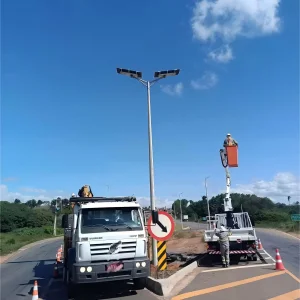
Long highway stretches lack electrical grid access. Remote highway solar lighting needs ultra-high capacity batteries, automated self-cleaning features to keep sand off solar cells, and highly reliable high-lumen output LED arrays.
The solar street lighting sector is evolving from passive fixtures to complex, active technology nodes. Key developments include:
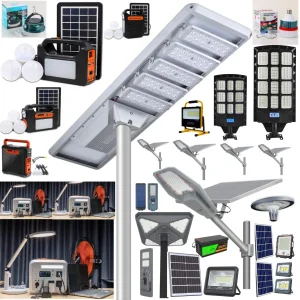
Our complete range of outdoor municipal, commercial, and residential-grade solar lighting units optimized for Middle Eastern distribution.
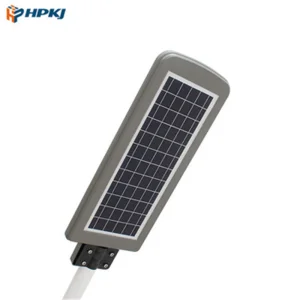
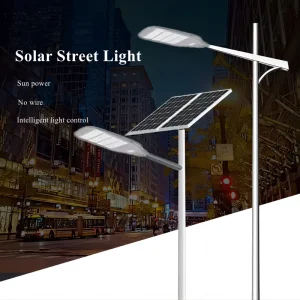
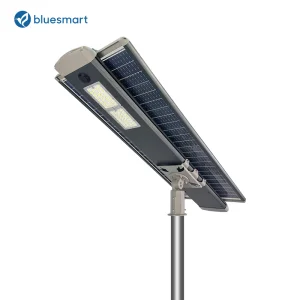
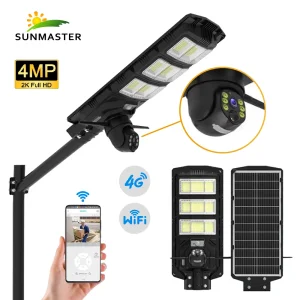
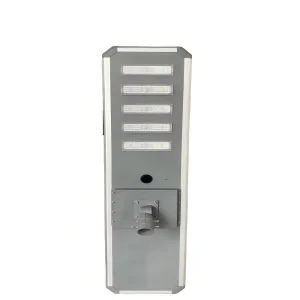
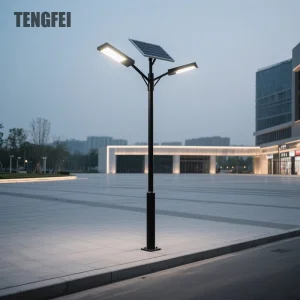
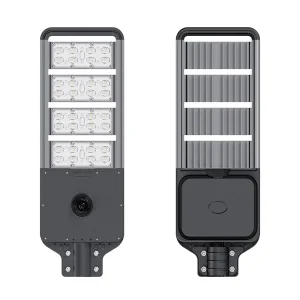
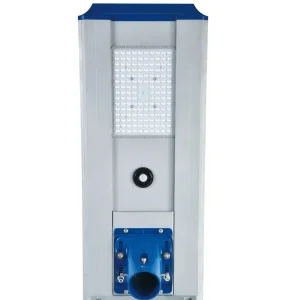
A technical guide for engineering consultants and municipal sourcing directors when selecting solar streetlight vendors.
Procuring solar infrastructure in the Middle East demands strict quality verification to prevent project failure. Simple compliance documents are often not enough. Sourcing experts should verify these three key criteria:
For temperatures exceeding 50°C, LiFePO4 (Lithium Iron Phosphate) remains the only viable commercial battery chemistry due to its thermal stability. Always ask manufacturers for the BMS thermal cut-off values. Zhejiang Lili Light integrates temperature sensors directly into the battery pack, stopping charging when cells exceed safe temperature ranges, protecting the asset's lifespan.
Windblown sand covering solar panels creates hot spots and cuts power output. Standard PWM controllers cannot adjust to these rapid power drops. A smart MPPT controller updates its voltage tracking algorithm every few seconds, recovering up to 30% of lost power compared to older controllers.
Severe dust storms create high wind forces on streetlights. Sourcing specifications should require grade AL6063-T5 or higher aluminum structures, which resist rust and withstand wind forces up to 160 km/h.
Our solar streetlights are fully tested to meet ISO 9001, CE, RoHS, and IP67/IP68 standards. We also offer customization to meet SASO requirements for Saudi municipal tenders.
Expert answers addressing the main operational and sourcing concerns of buyers in the GCC and Saudi Arabian markets.
Get in touch with our engineering team today for technical catalogs, pricing for bulk orders, and custom solar lighting solutions tailored to your project requirements.
Send Inquiry Now Lili Light