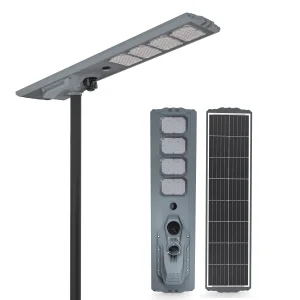
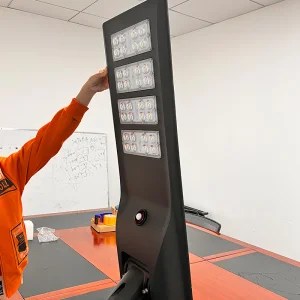
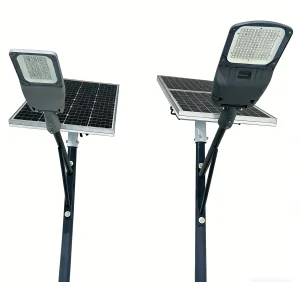
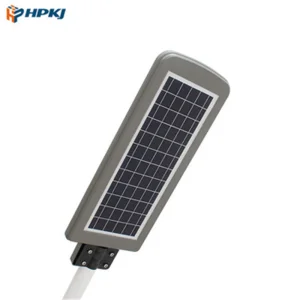
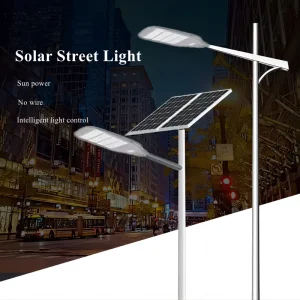
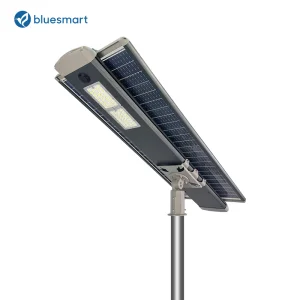
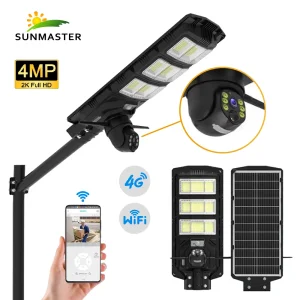
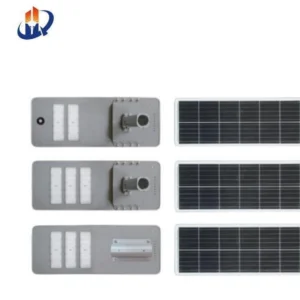
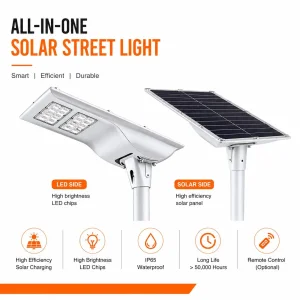
Pre-engineered configurations optimized for Southern California solar irradiance conditions, integrated with smart connectivity options.
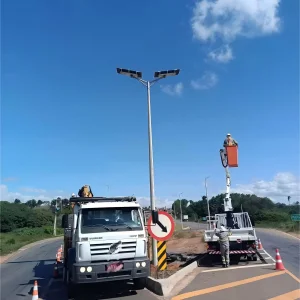
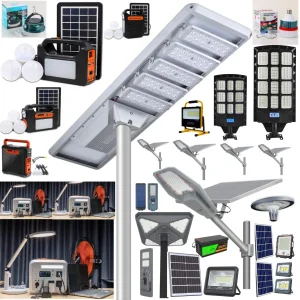
Analyzing the intersection of municipal policy, solar yield potential, and grid modernization within the Los Angeles metropolitan area.
The city of Los Angeles, along with the broader Southern California region, is undergoing an unprecedented energy transition. Driven by the aggressive mandates of LA’s Green New Deal (Sustainable City pLAn), municipal authorities, real estate developers, and port operators are tasked with reducing carbon footprints while bolstering emergency grid resilience. The local grid faces persistent threats from extreme weather events, seasonal wildfire-related Public Safety Power Shutoffs (PSPS), and rising utility-rate structures driven by grid modernization costs.
Consequently, off-grid public infrastructure, specifically solar-powered street lighting, has transitioned from a niche sustainability alternative to a baseline infrastructure requirement. In key commercial and industrial hubs—ranging from the logistics corridors near the Port of Los Angeles and Port of Long Beach to the expansive commercial real estate complexes in the San Fernando Valley and the Inland Empire—off-grid lighting mitigates systemic risks. By decoupling lighting networks from the fragile municipal utility grid, project developers guarantee uninterrupted illumination during emergency shutoffs while bypassing the significant capital expenditure associated with trenching, copper wiring, and utility connection fees.
Los Angeles benefits from an exceptional solar profile, averaging between 5.5 and 6.2 peak sun hours per day. However, microclimates ranging from the marine layers of coastal areas like Santa Monica and San Pedro to the high heat parameters of inland valleys require customized solar street lighting architectures. Systems deployed in these regions must feature intelligent power management systems to account for marine fog density, high-efficiency monocrystalline solar panels with low temperature-coefficient ratings, and advanced thermal management for lithium energy storage systems.
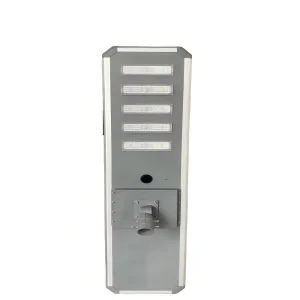
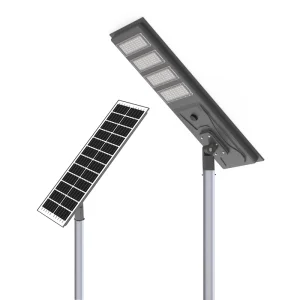
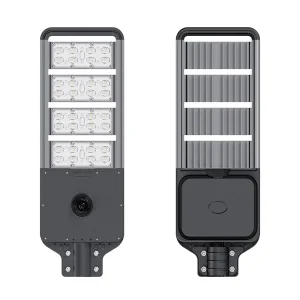
Heavy-duty, vibration-resistant, and high-lumen solar street lighting configurations designed for public roadways, industrial yards, and municipal parks.
A technical guide to navigating California Title 24, International Dark-Sky Association (IDA) guidelines, and seismic structural requirements.
California’s Title 24 energy code mandates stringent controls for outdoor lighting systems to minimize energy waste and light pollution. For solar street light systems, compliance focuses on Automatic Dimming Control, occupancy sensing, and astronomical time switches. Our integrated solar systems are equipped with programmable MPPT (Maximum Power Point Tracking) controllers supporting multi-stage dimming protocols (e.g., 100% brightness for 4 hours, followed by 30% background illumination with a step-up to 100% upon motion detection via PIR or microwave radar sensors). This design complies with state efficiency directives and maximizes the depth of discharge (DoD) reserves of the internal batteries during consecutive overcast winter days.
Light pollution mitigation is highly regulated in regions surrounding the Santa Monica Mountains and suburban LA counties. The International Dark-Sky Association (IDA) guidelines restrict upward light emissions. Our solar optical engines utilize specialized asymmetric TYPE II, III, and IV lenses with a BUG (Backlight, Uplight, Glare) rating of U0. This ensures zero percent light spill above 90 degrees horizontal, directing 100% of generated lumens to target ground surfaces, thus preserving wildlife nocturnal cycles and keeping projects within county compliance.
Southern California's climate patterns present distinct challenges for solar energy storage systems. High temperatures in regions such as the San Fernando Valley can degrade traditional lead-acid and standard lithium ion (NMC) cells rapidly. Our solar street lights are designed exclusively around Lithium Iron Phosphate (LiFePO4) chemistry. LiFePO4 batteries feature an exceptionally high thermal runaway threshold (up to 60°C/140°F) and offer over 3,000-5,000 charge cycles at 80% Depth of Discharge. This extends the service life of our units to over 8–10 years, dramatically reducing long-term maintenance overhead.
A professional manufacturer and exporter specializing in LED lighting products, solar-powered systems, and integrated global lighting solutions.
Zhejiang Lili Light Co., Ltd. is committed to providing innovative, energy-efficient, and reliable products to municipal and commercial clients worldwide. Since our establishment, we have invested in advanced product development, manufacturing technology, and strict quality management frameworks. Supported by a skilled technical team, modern production facilities, and a strict quality control system, we have built long-term partnerships with customers across Europe, North America, South America, and other major international markets.
Our product portfolio covers a wide range of indoor and outdoor lighting applications. From architectural downlights and commercial panel lights to off-grid solar-powered lighting systems designed for municipal roadways, highway connectors, and remote industrial zones. We offer flexible OEM and ODM services, allowing Los Angeles-based engineering firms and distribution partners to customize solar capacities, battery sizes, optical distributions, and smart IoT modules to align with local design specifications.
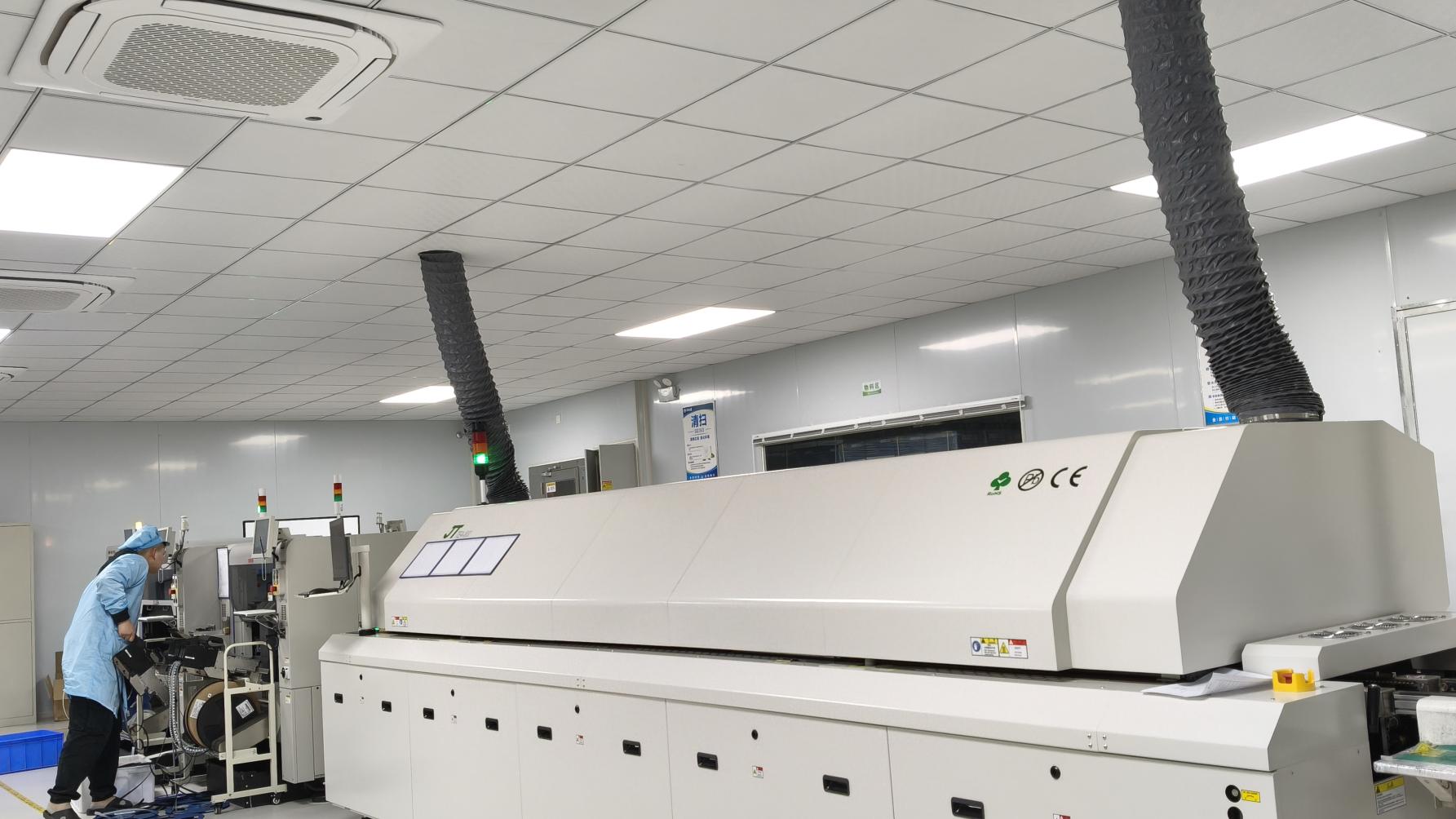
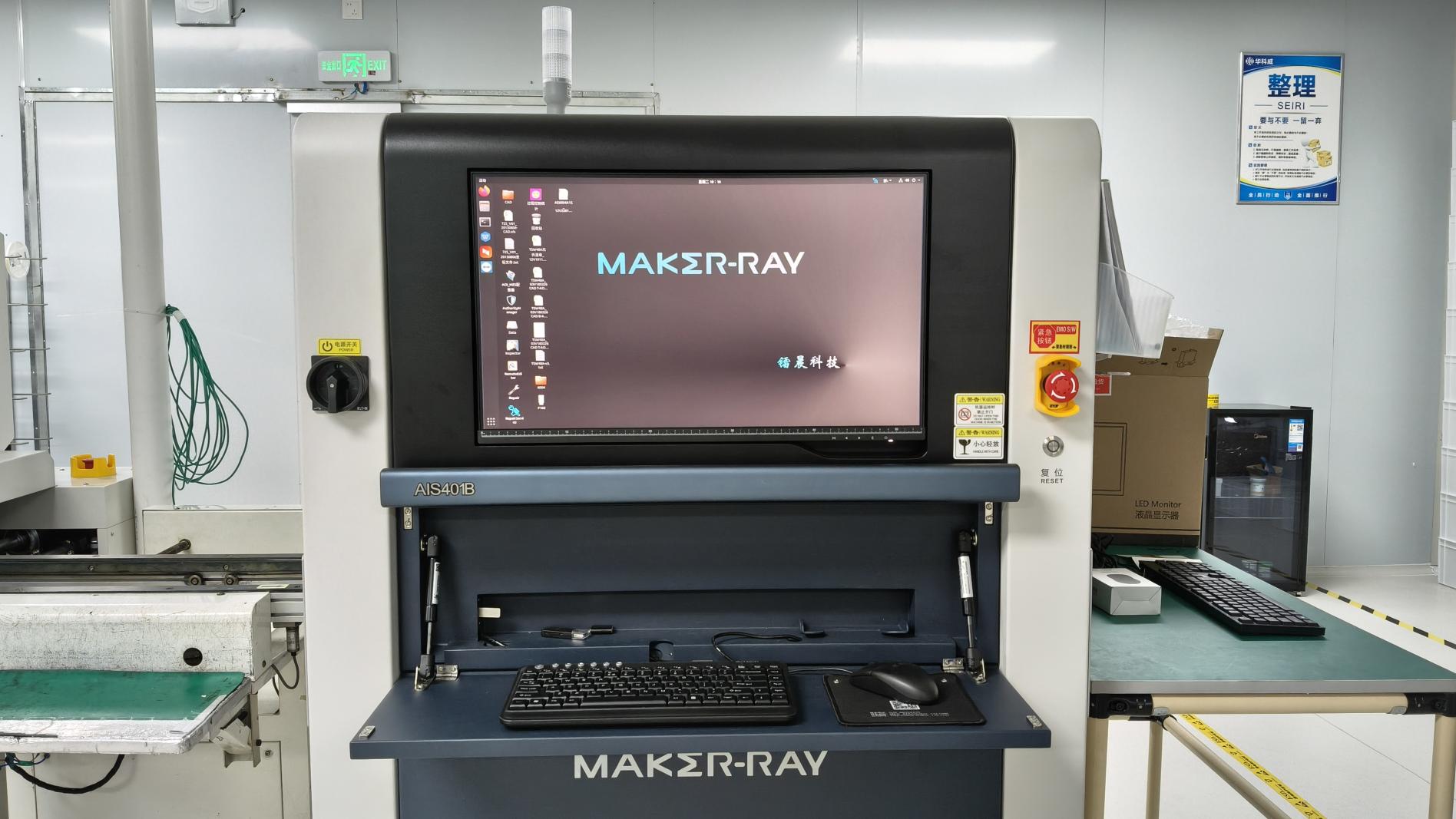
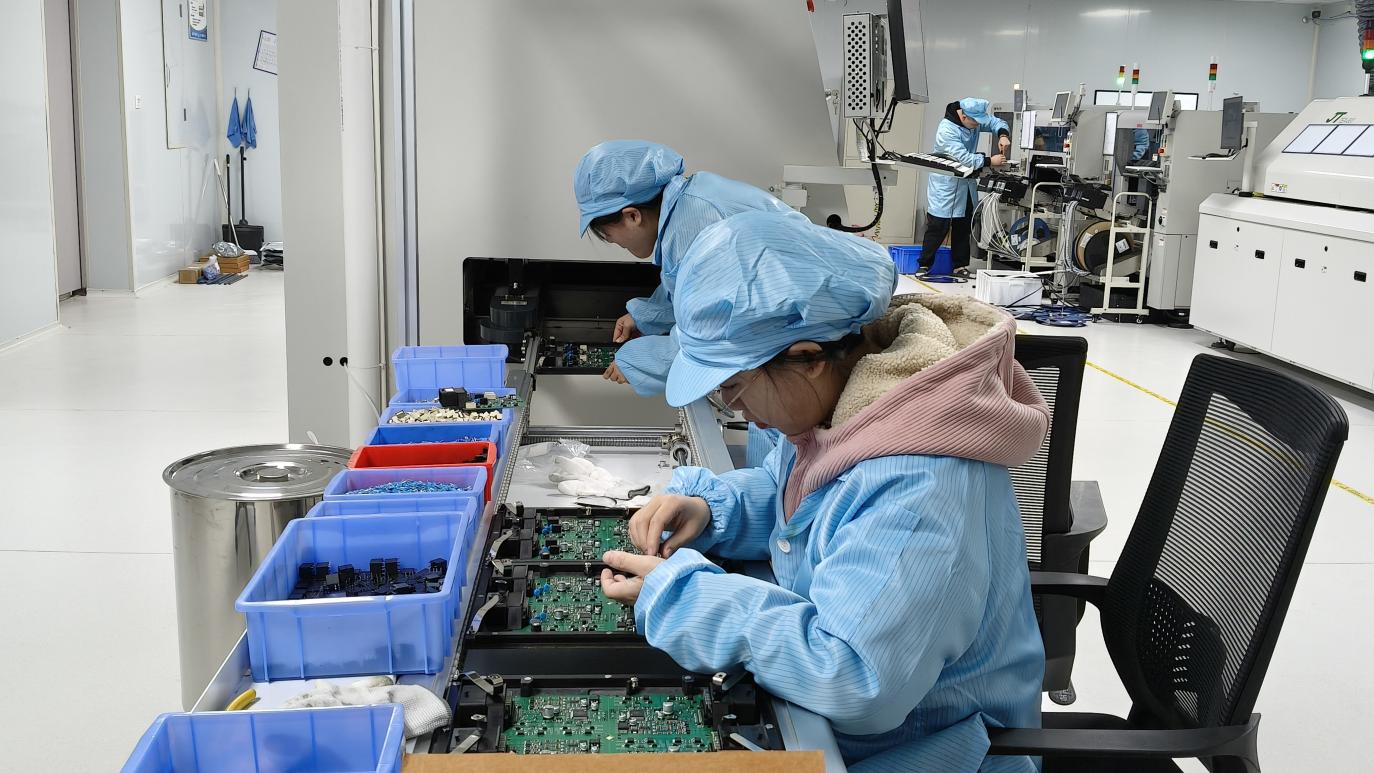
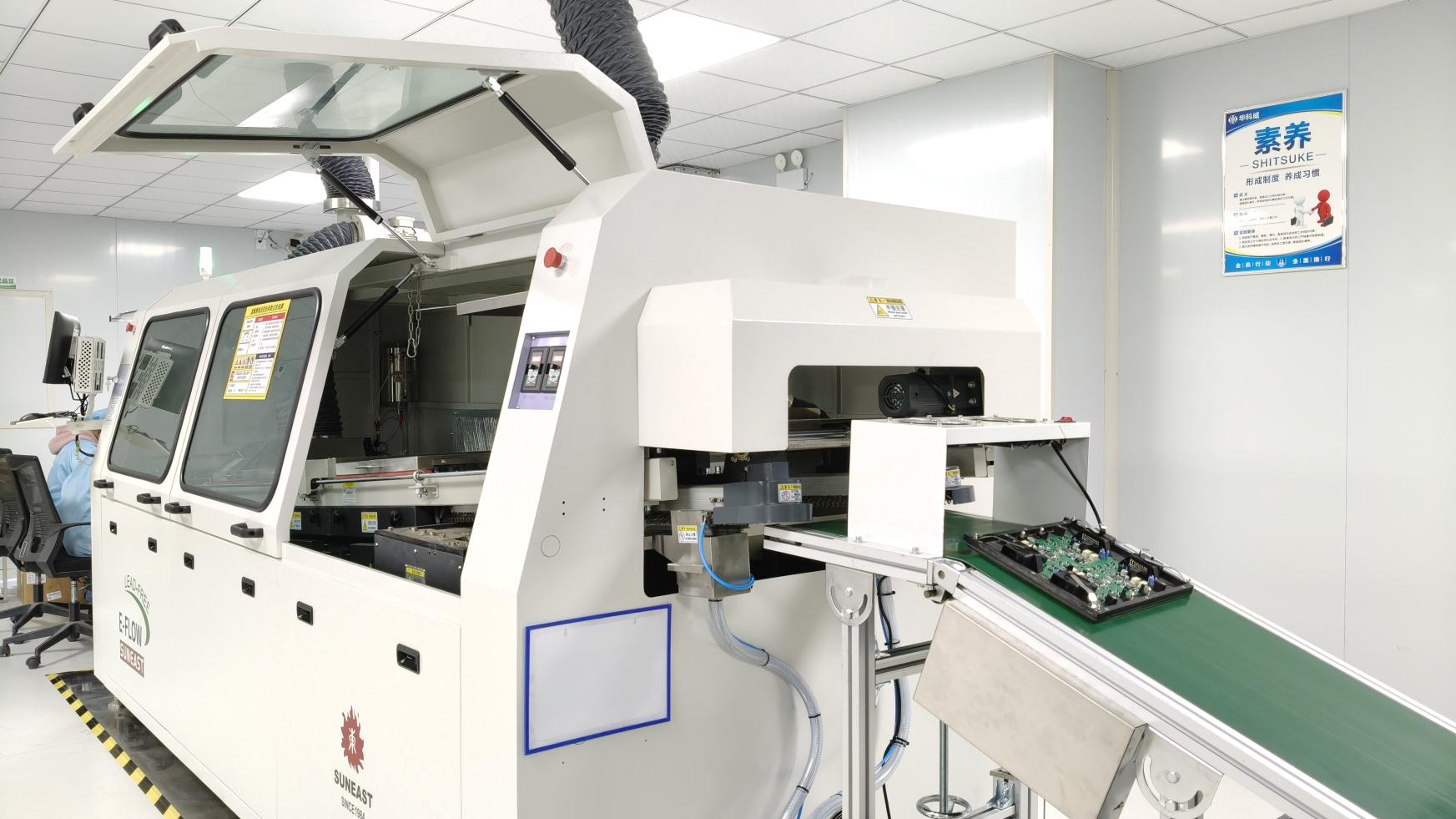
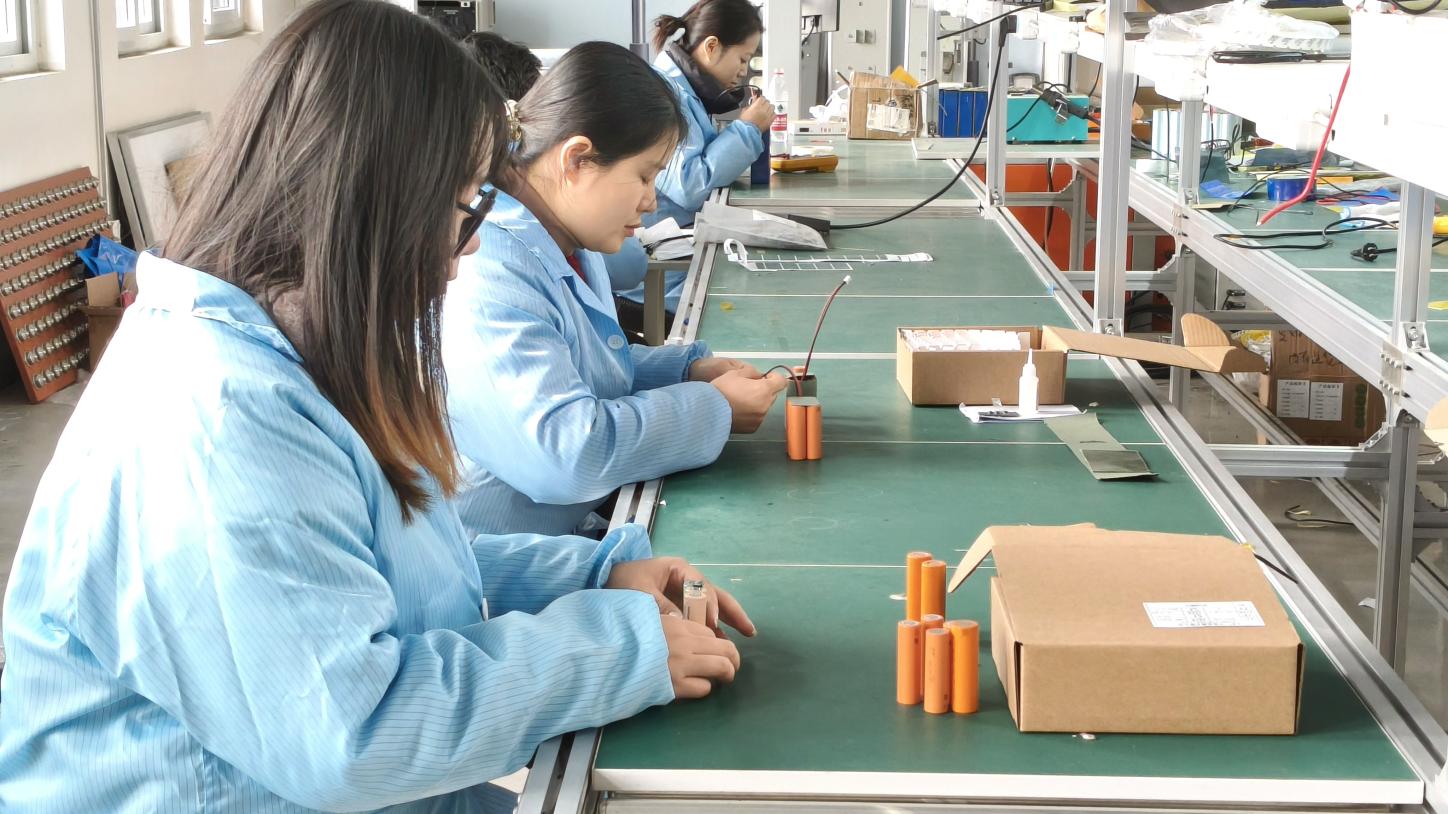
Every product undergoes inspection throughout the manufacturing process to ensure performance stability, high efficacy, and long service life. Below is a look at our state-of-the-art production pipeline:

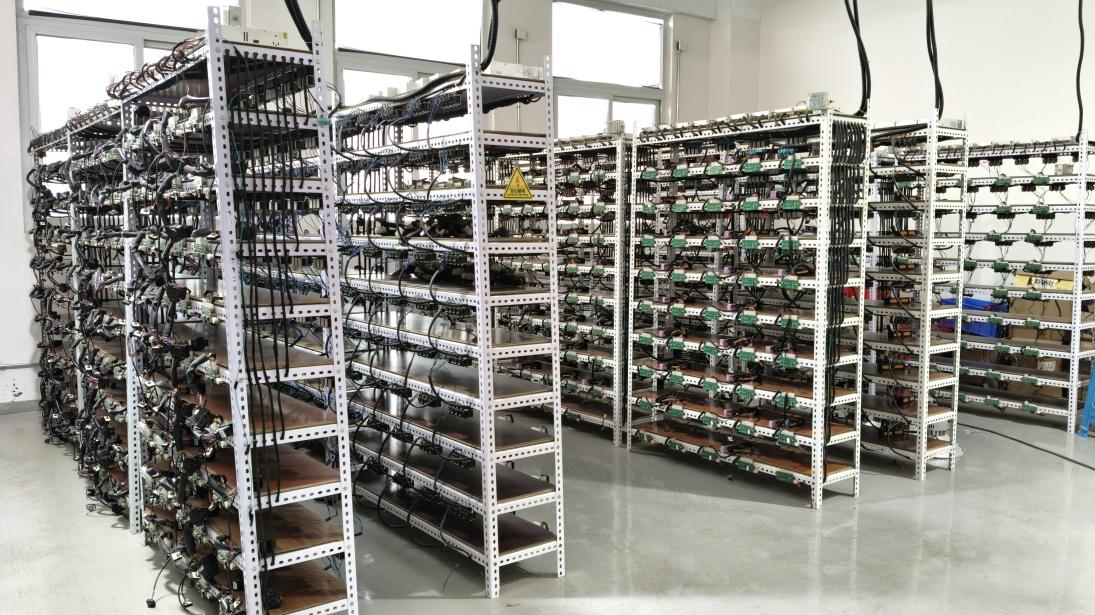
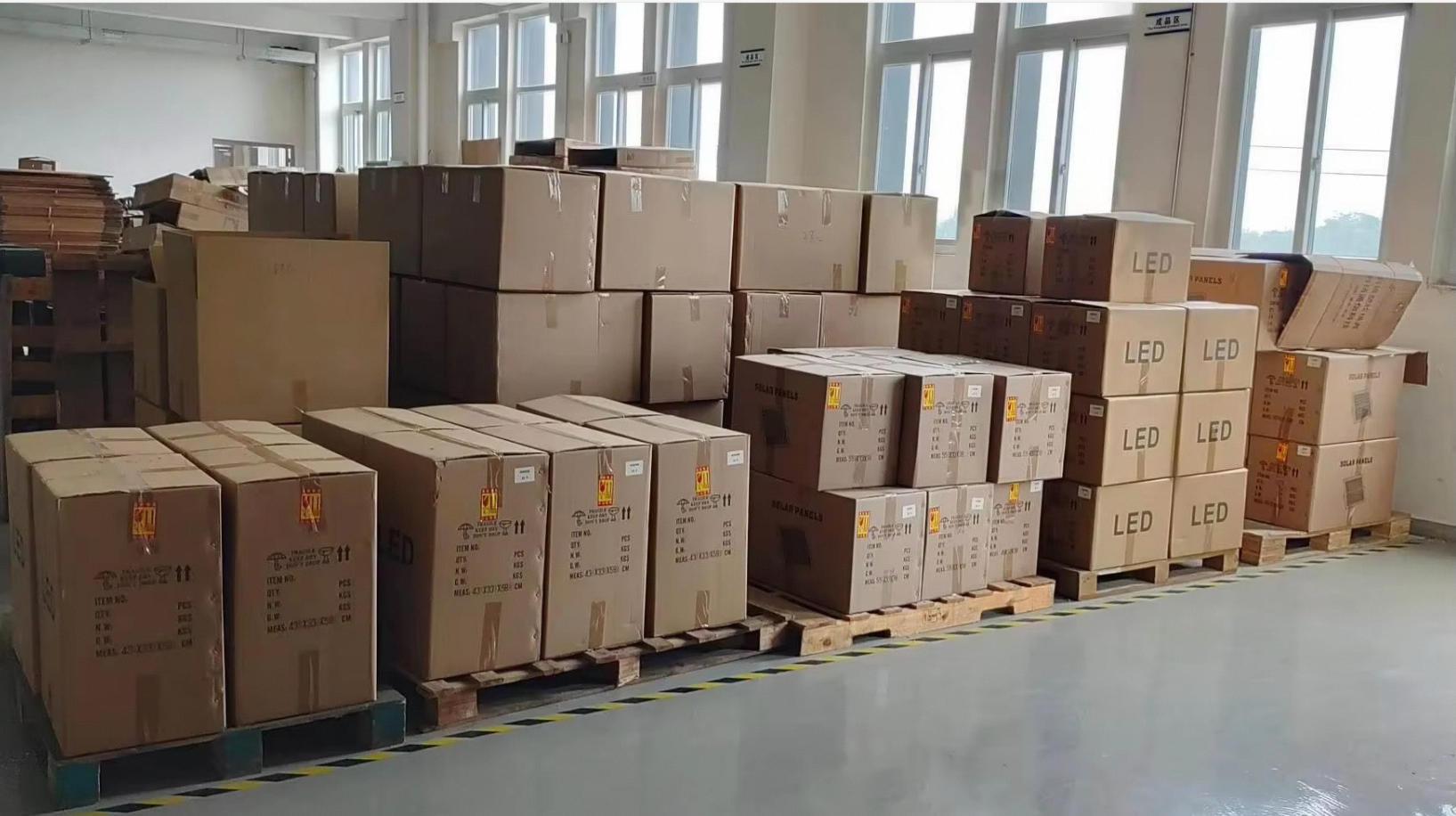
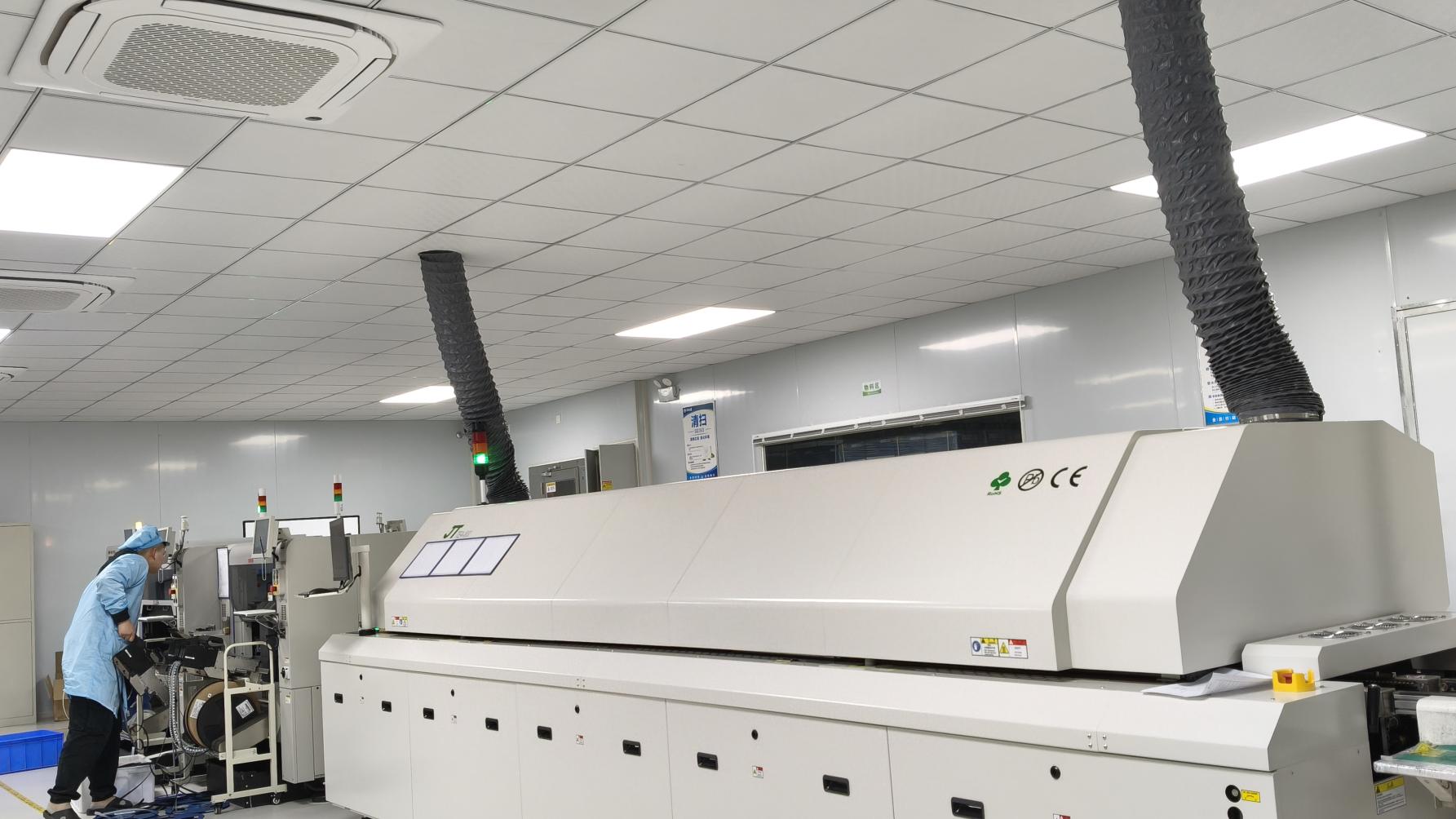
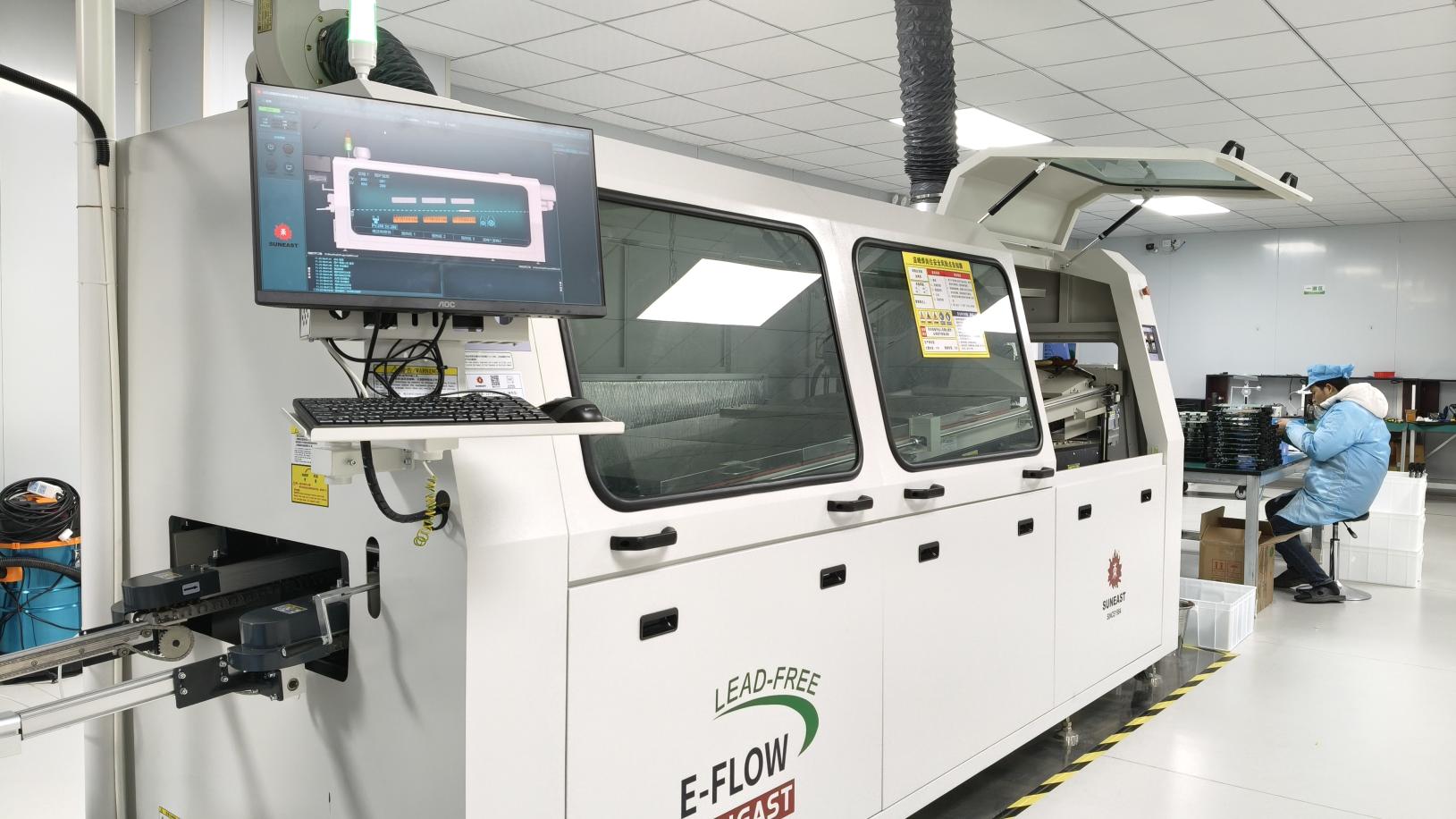
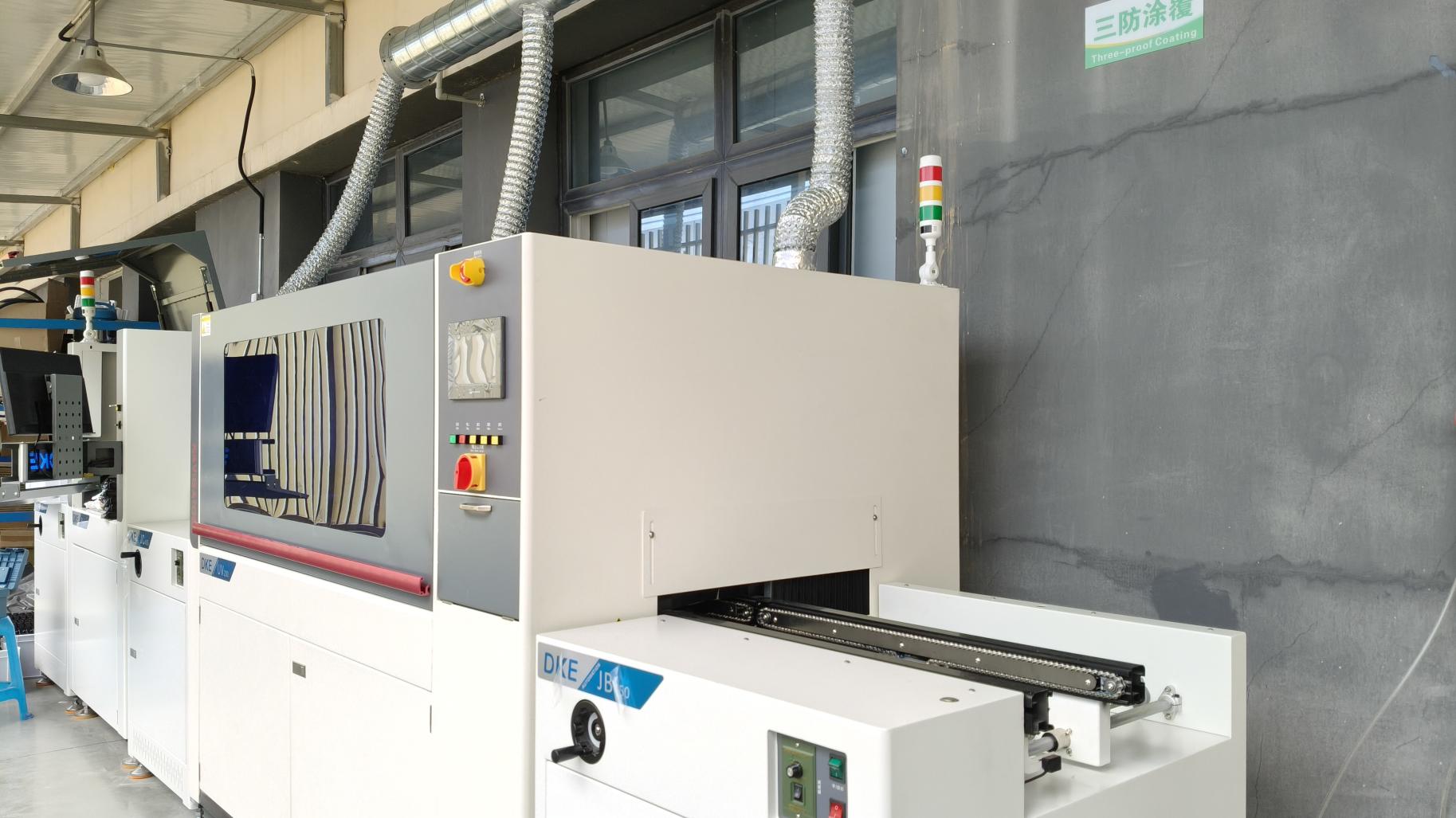
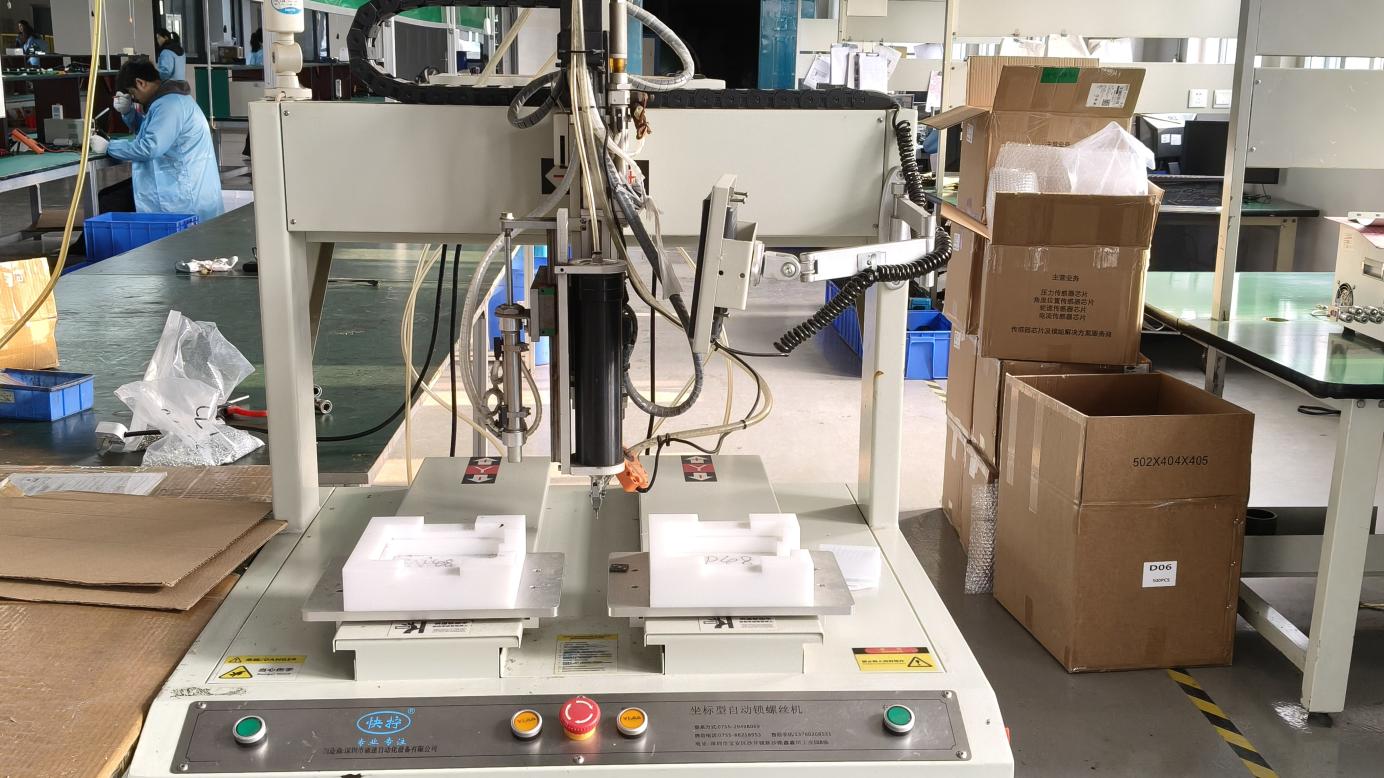
Empowering cities through IoT node integration, edge computing, and real-time remote monitoring.
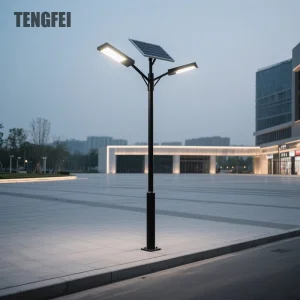
Modern municipal engineering requires solar street lights to do more than simply generate light. In modern smart city planning, solar light poles serve as multi-functional node terminals. By utilizing the integrated high-capacity battery packs and structural capacity of off-grid solar poles, municipalities can deploy decentralized sensors, telecommunication nodes, and surveillance devices without straining existing utility layouts.
Our technical roadmap emphasizes three core dimensions of smart integration:
Explore our complete catalog of industrial, commercial, and roadway solar light systems configured for international municipal projects.
Addressing the technical, regulatory, and logistics queries raised by civil engineers, procurement managers, and commercial real estate developers.
Compliance with Title 24 is integrated directly into our programmable MPPT controller systems. These controllers support auto-dimming schemes and motion sensor inputs (PIR or microwave radar). This allows the light system to lower output to a preset dimming state during periods of low foot or vehicle traffic, meeting Title 24’s outdoor dimming requirements while preserving battery reserves.
We use high-capacity Lithium Iron Phosphate (LiFePO4) battery cells, which feature a thermal runaway threshold of up to 60°C (140°F). Combined with our intelligent battery management system (BMS) that monitors charging temperatures, these batteries avoid overheating and are designed to sustain 3,000 to 5,000 cycles at 80% Depth of Discharge (DoD), corresponding to an operational lifespan of 8 to 10 years in desert or high-heat environments.
Yes, our anti-impact, anti-vibration systems feature reinforced aluminum alloys, corrosion-resistant powder coatings, and mechanical connections engineered to withstand structural vibration. The split and all-in-one structures are aerodynamically optimized to meet the EPA (Effective Projected Area) wind load requirements common in Southern California coastal zones.
As a direct manufacturer, our typical production lead time for volume orders ranges from 20 to 30 days. Transpacific shipping to the Port of Los Angeles or Port of Long Beach takes approximately 18 to 25 days depending on shipping lanes. We offer direct-to-port and DDP shipment services, working with your freight forwarding network to streamline customs clearance.
Yes, our flexible OEM and ODM services allow you to configure monocrystalline PV panel wattages, battery capacities, and LED lumen outputs to meet specific average sun hour conditions, structural requirements, or lighting classes.
 Lili Light