Explore our high-performance luminaires engineered for structural durability, optimal luminous efficacy, and smart-system compatibility across international commercial projects.
Modern architectural and lighting designs demand more than mere ambient glow; they require integration of thermodynamic efficiency, intelligent protocol control, and optical excellence. As global developers, MEP (Mechanical, Electrical, and Plumbing) contractors, and wholesale distributors evaluate LED Sconce Light Manufacturers & Suppliers in China, the purchasing criterion has shifted from basic cost-arbitrage to comprehensive value integration. This whitepaper analyzes the capabilities, regulatory matrices, and localized engineering support infrastructure that define top-tier Chinese luminaire manufacturers.
Integration of Smart Home networks, IoT platforms, and commercial building management systems (BMS) through DALI-2, Zigbee, DMX512, and Tuya interfaces directly at the driver level.
Precision beam-shaping lenses, anti-glare COB configurations (Unified Glare Rating < 19), and premium Color Rendering Indices (CRI Ra > 90) representing the premium standard for high-end hospitality projects.
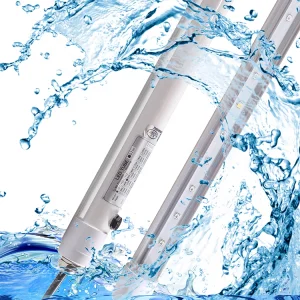
Thermal-break structural engineering combined with anti-corrosion marine-grade anodized coatings, ensuring IP65, IP66, and IP67 parameters for coastal or industrial environments.
Zhejiang Lili Light Co., Ltd. is a professional manufacturer and exporter specializing in high-performance LED lighting products and integrated lighting systems. With years of experience in the lighting industry, we are committed to providing innovative, energy-efficient, and reliable products to customers around the world.
Since its establishment, the company has continuously invested in product development, manufacturing technology, and quality management. Supported by a skilled technical team, modern production facilities, and a strict quality control system, we have built long-term partnerships with customers across Europe, South America, Southeast Asia, the Middle East, and other international markets.
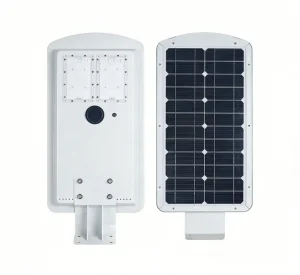
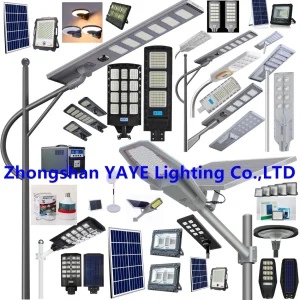
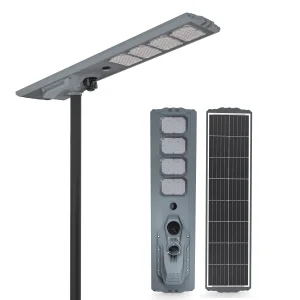
Our product portfolio covers a wide range of indoor and outdoor lighting applications, including residential, commercial, industrial, and public projects. From modern indoor lighting products such as downlights, spotlights, bulbs, panel lights, ceiling lights, and track lights to outdoor floodlights, wall lights, and solar-powered lighting solutions, we provide customers with comprehensive lighting options that combine functionality, durability, and aesthetic design.
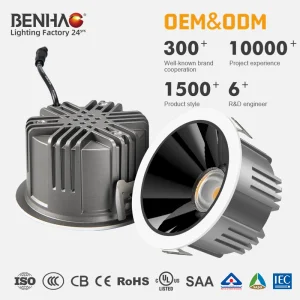
Quality and customer satisfaction are the foundation of our business. Every product undergoes rigorous inspection throughout the manufacturing process to ensure stable performance, energy efficiency, and long service life. We also offer flexible OEM and ODM services, helping customers develop customized products that meet their specific market requirements.
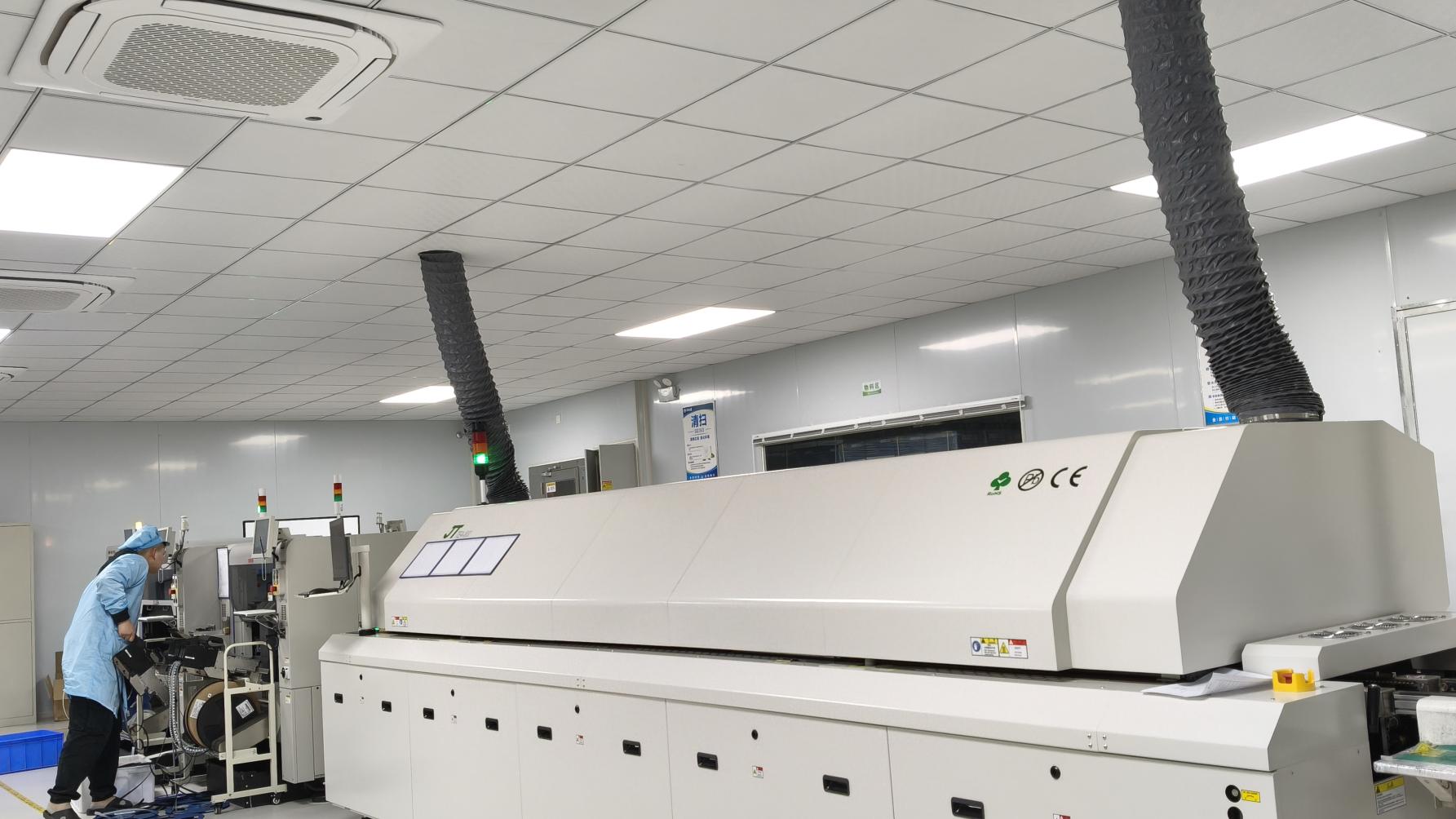
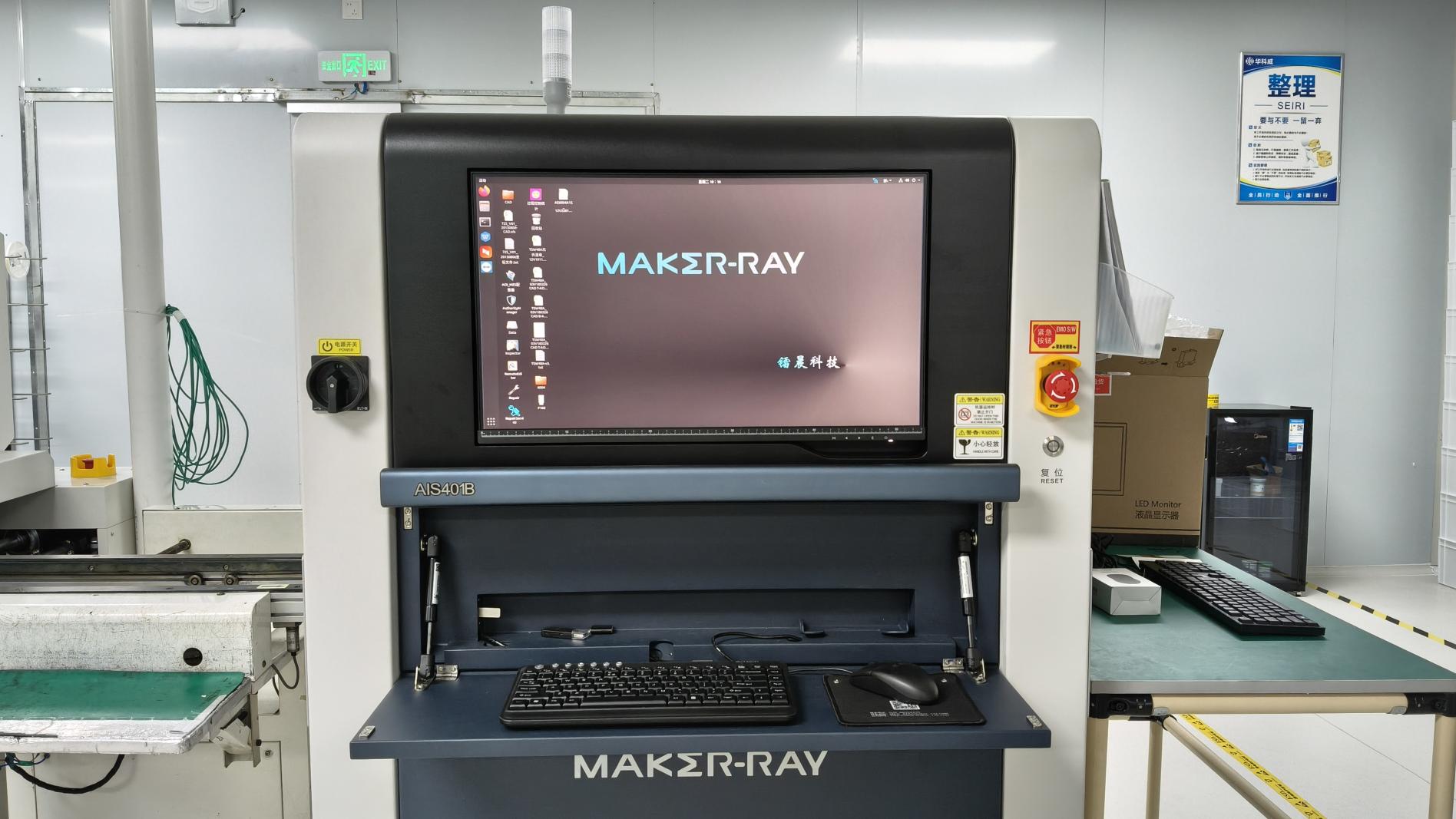
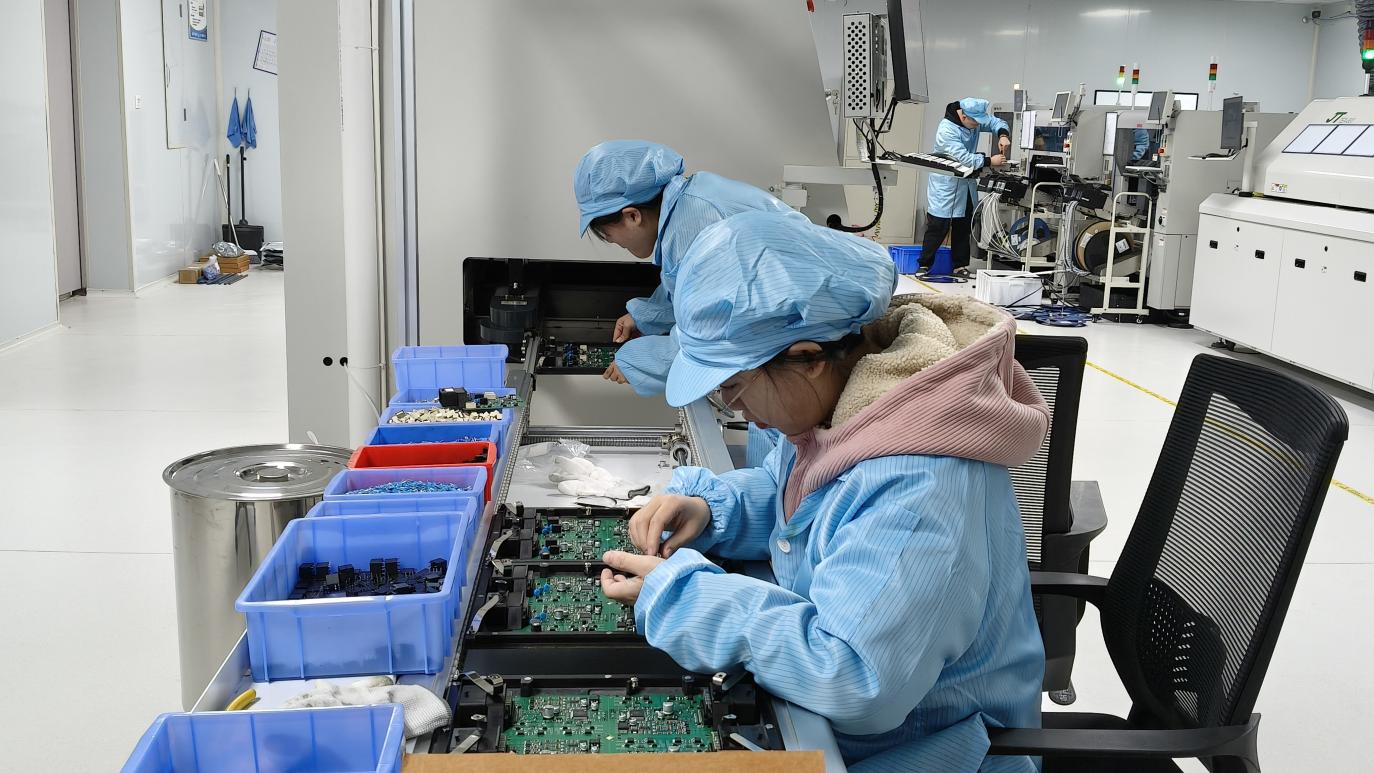
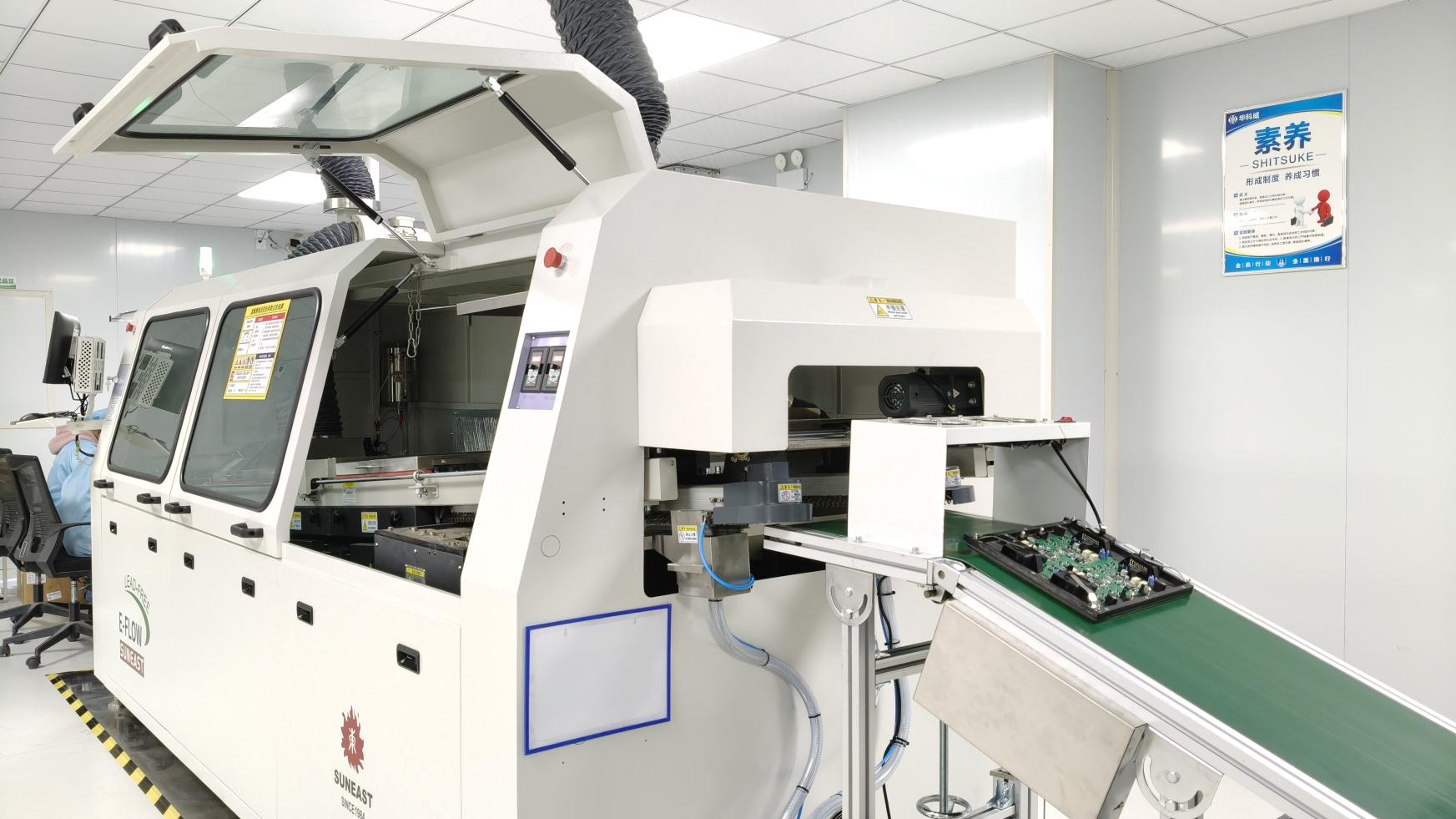
Our modern production facility features high-precision machinery, certified quality assurance protocols, and complete traceabilty at every stage of production.
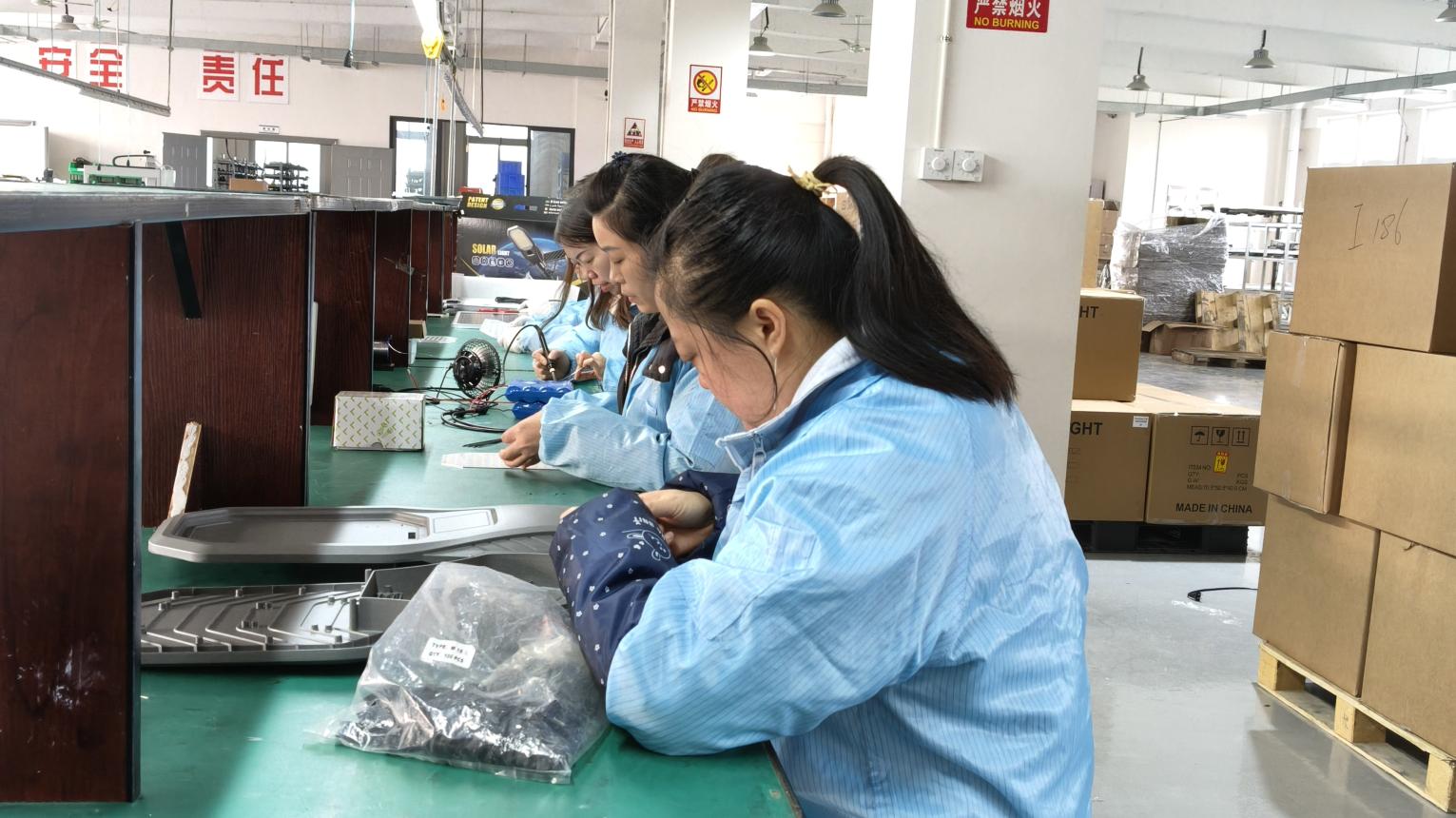
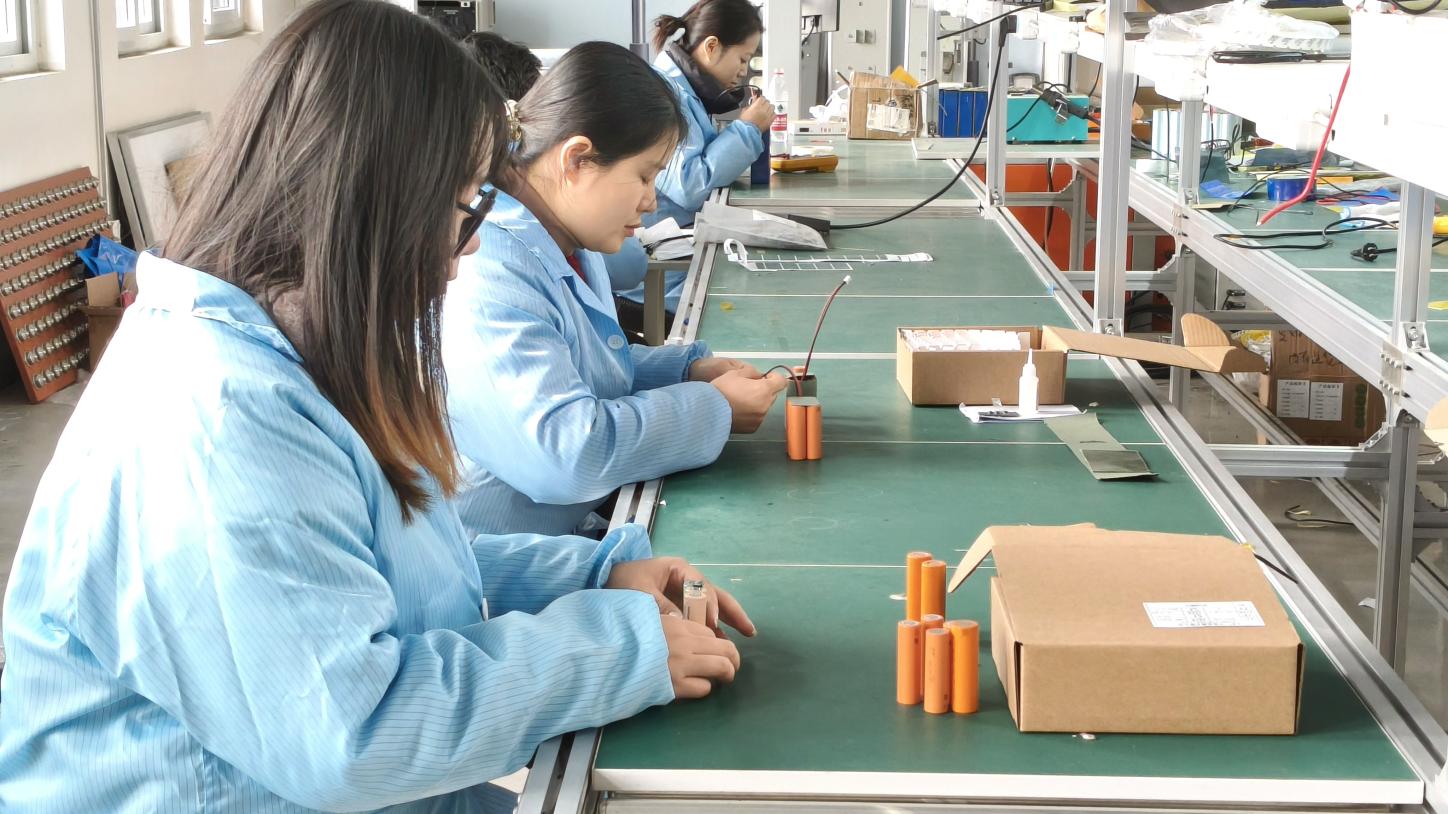
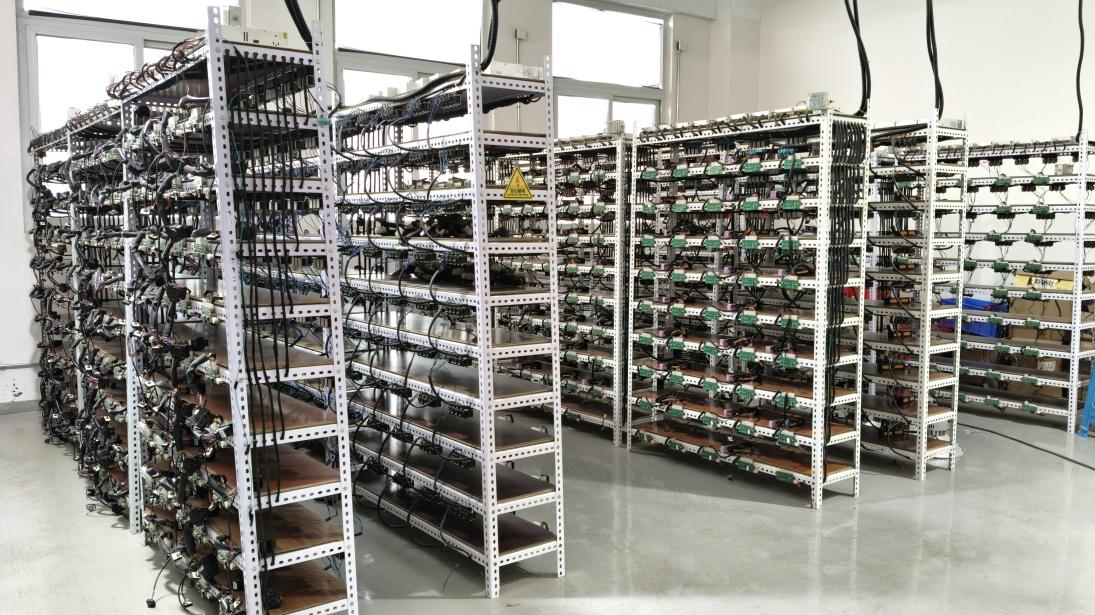
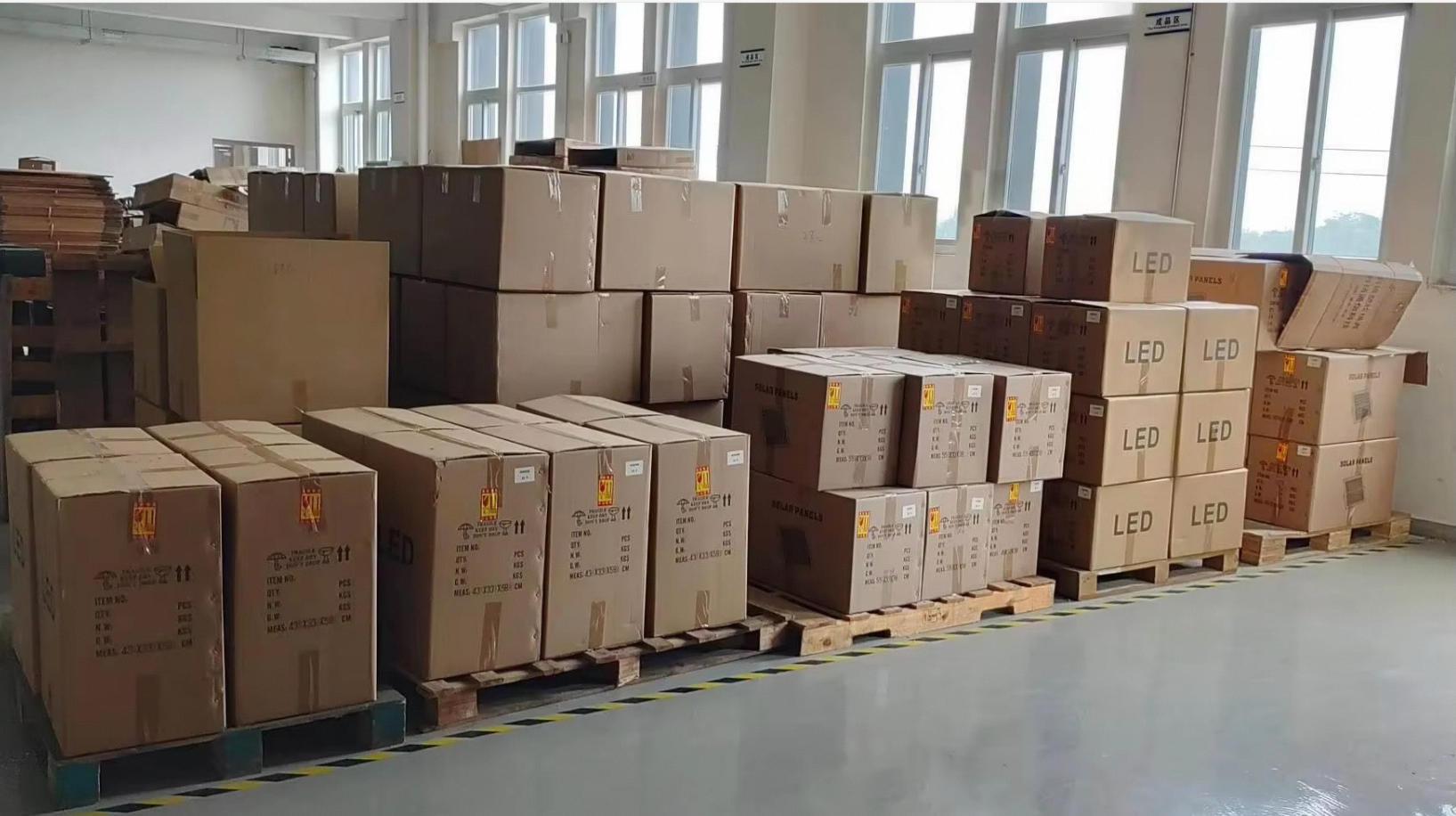
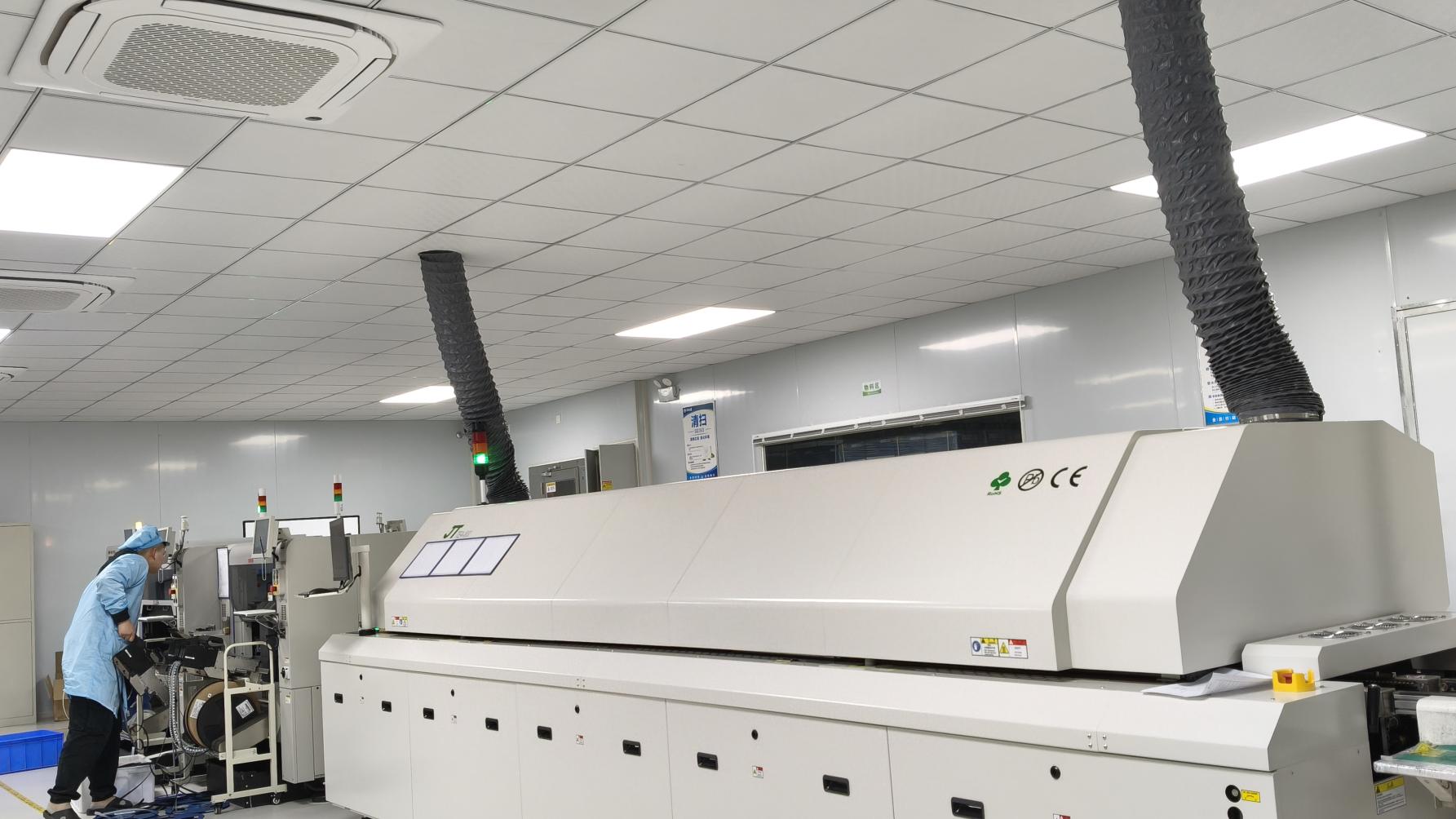
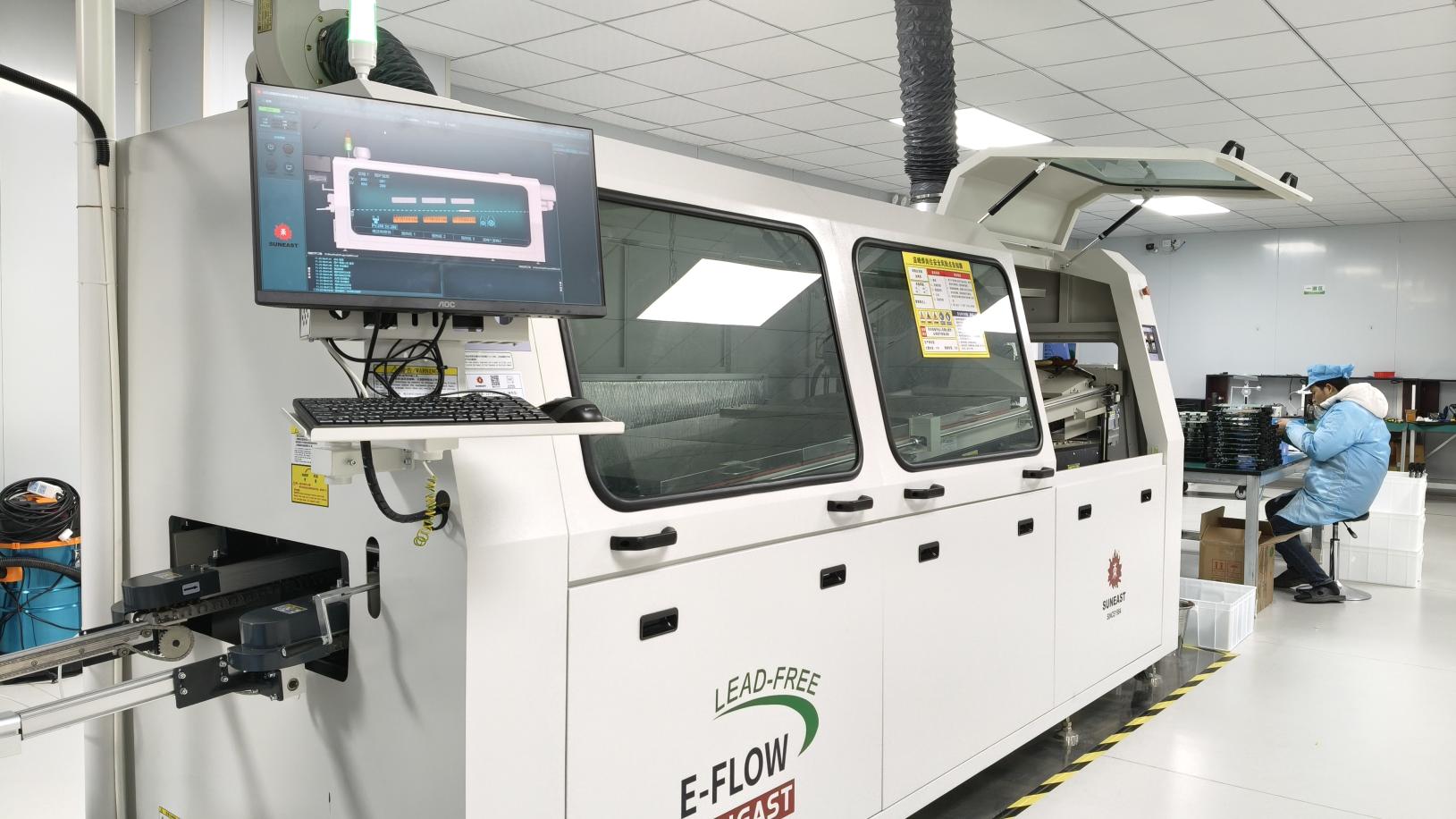
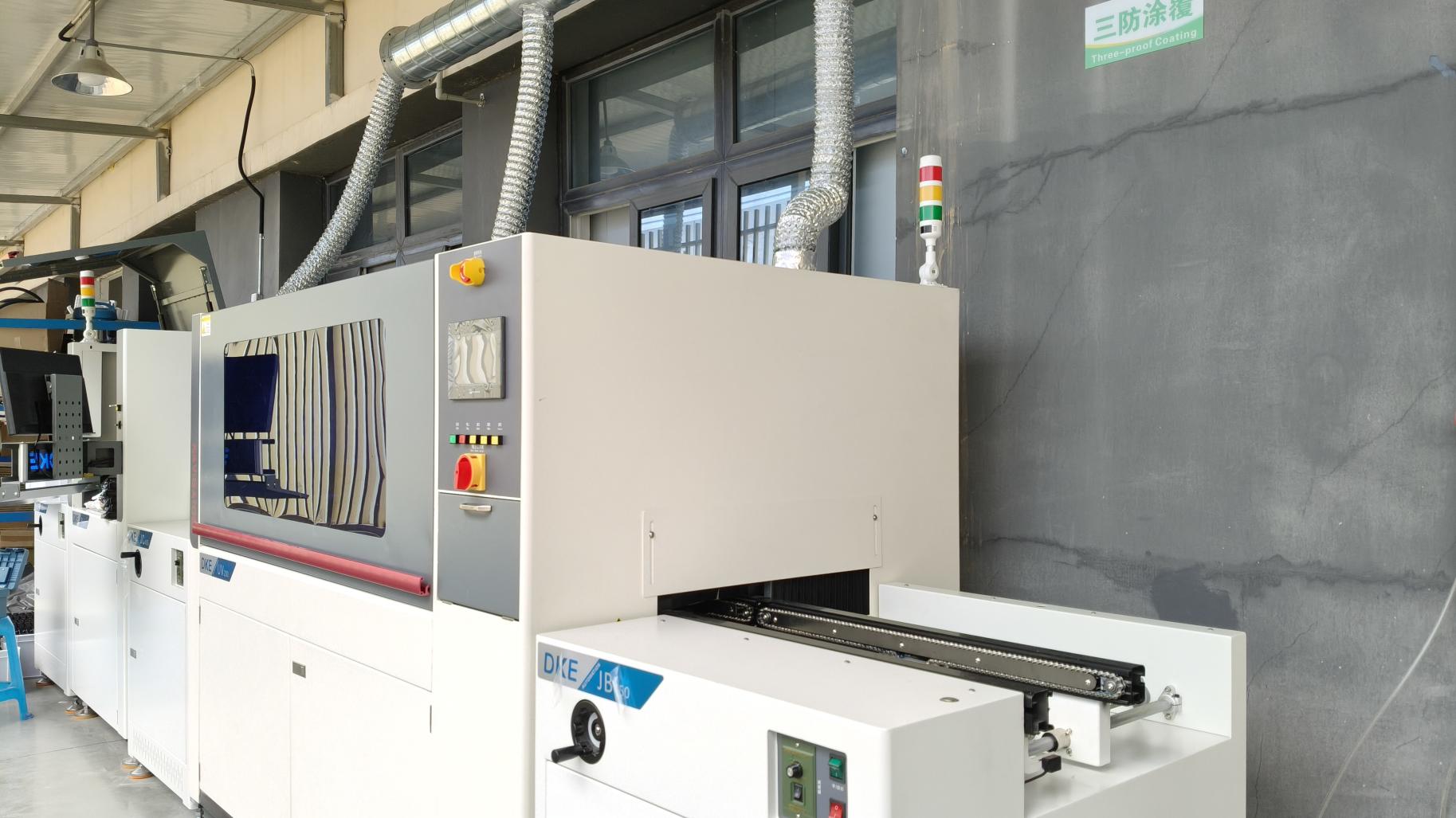
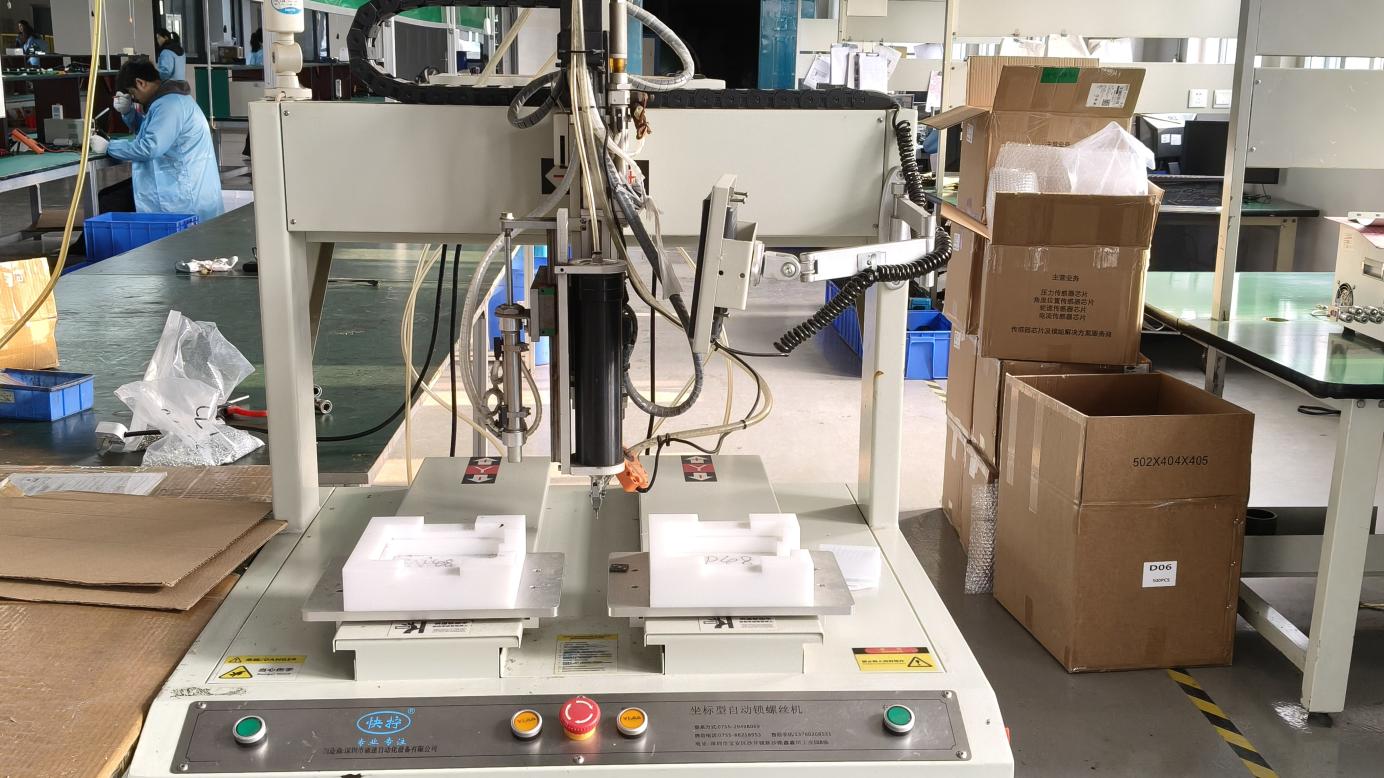
The production of high-caliber LED sconce lights relies on a highly interconnected network of material suppliers and specialized vendors. Zhejiang, along with adjacent industrial clusters in Guangdong, forms the epicenter of global solid-state lighting manufacturing. This geographic concentration gives Chinese suppliers unparalleled structural advantages:
Thermal management is the single most critical factor determining the lifespan of an LED sconce. China's industrial base offers immediate access to premium raw aluminum die-casting plants. Alloys like A380 and ADC12 are cast under intense pressure to eliminate internal air pockets, ensuring maximum heat dissipation. Advanced anodization and powder-coating technologies prevent oxidation, even under harsh marine conditions.
The driver serves as the control hub of any LED luminaire. By utilizing advanced SMT (Surface Mount Technology) lines and automated AOI (Automated Optical Inspection) systems, Zhejiang Lili Light Co., Ltd. populates PCB boards with optimal heat-spread layouts. This level of vertical integration means drivers can be customized for specific input voltages (e.g., 120-277V for North American industrial lines or 220-240V for Europe) and specialized dimming protocols (0-10V, Triac, DALI-2).
For architectural B2B projects, custom luminaire dimensions are often required. The local manufacturing ecosystem enables rapid CNC prototyping and swift mold creation. We can take an architectural CAD rendering, generate photometric calculations, create a 3D-printed physical mock-up, and manufacture production-ready molds in a fraction of the time compared to Western counterparts.
Exporting structural luminaires requires rigorous alignment with national safety and environmental frameworks. Working with an uncertified or under-tested manufacturer is a primary source of project delays and legal liabilities for engineers. Here is how advanced suppliers guarantee compliance across major markets:
Luminaires destined for the US and Canadian commercial spaces require listing under UL 1598 (Luminaires) or UL 8750 (Light Emitting Diode Light Sources for Use in Lighting Products). Additionally, meeting DLC (DesignLights Consortium) standards qualifies products for utility rebate programs, significantly reducing the payback period for developers.
Compliance with the CE mark (including LVD 2014/35/EU and EMC 2014/30/EU directives) is mandatory for the European Economic Area. The latest ErP (Energy-Related Products) directive requires high energy efficacy and strict circular economy readiness, ensuring components like light sources and drivers can be serviced or replaced without replacing the entire fixture.
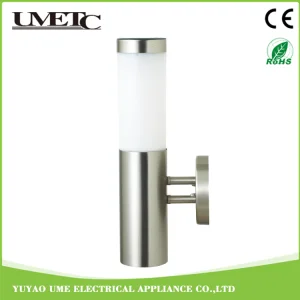
Sconce lights used in exterior elevations must carry verified IP ratings. IP65 ensures protection against dust ingress and low-pressure water jets, while IP66 and IP67 designs incorporate silicone-molded gaskets and hermetically sealed chambers to survive heavy downpours and brief water submersions.
Lighting design software such as Dialux or AGi32 requires accurate IES (.ies) and LDT (.ldt) files. Top manufacturers maintain in-house goniophotometer systems and integrating spheres to test and output precise light distribution curves, ensuring lighting designers can plan uniform layouts without on-site dark spots.
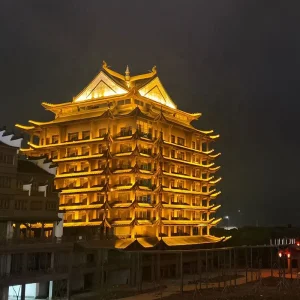
LED sconce lights are no longer secondary fixtures; they are essential design elements that define the night-time identity of buildings. Below are the dominant applications where localized architectural preferences dictate product specifications:
Requirements: Warm color temperatures (2200K - 2700K), high CRI (Ra > 90), and flicker-free Triac dimming down to 1%.
Trend: Indirect illumination profiles that wash the wall surface with soft, diffused light, hiding the light source to minimize occupant glare in corridors and lobbies.
Requirements: Dual-direction up-and-down light outputs, motion sensor integration, and high resistance to ambient dirt.
Trend: Sleek geometric shapes (cylindrical, cubic) with adjustable optical baffles that allow users to change the beam angle of the up/down wash on site.
Requirements: Impact protection (IK08 to IK10), high lumens, emergency battery backup, and photometrics that comply with dark-sky initiatives.
Trend: Heavy-duty die-cast housings with integrated photocells for automated dusk-to-dawn switching.
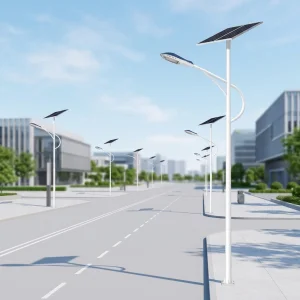
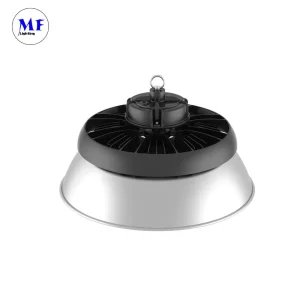
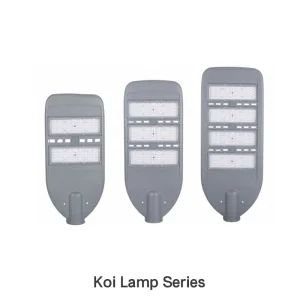
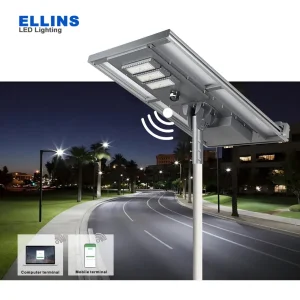
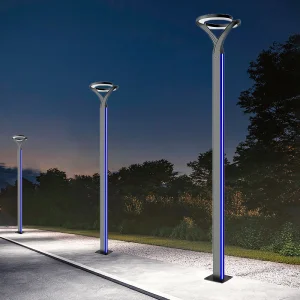
A diversified range of outdoor smart-city lights, high-voltage washers, and industrial fixtures engineered for heavy-duty commercial deployment.
 Lili Light