Premium components, advanced manufacturing standards, and customized options for global projects.
The global transition from traditional T5 and T8 fluorescent tube fittings to integrated LED batten lights represents a major shift in industrial, commercial, and utility lighting architectures. As energy grids face unprecedented strain and multinational corporations align operations with environmental, social, and governance (ESG) targets, the demand for high-efficiency, long-lifespan linear luminaire configurations has surged. Today’s modern LED batten light is not merely a replacement lamp; it is a highly engineered, integrated optoelectronic system designed to maximize light output per watt while ensuring minimal thermal degradation and maintenance over decades of operation.
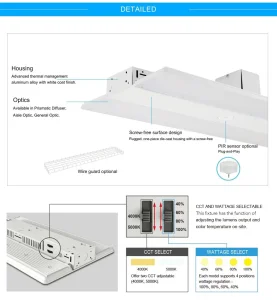
In geographic regions such as North America, the European Union, and developed parts of Asia-Pacific, strict legislative acts (e.g., EU's ErP directives and RoHS regulations banning mercury-containing lamps) have phased out fluorescent tubes entirely. This regulatory landscape has driven commercial facility managers, logistics developers, and municipal engineers to specify high-lumen, high-durability integrated LED battens. These devices consistently yield up to 160 lm/W system efficacy, integrating advanced optical diffusers to reduce eye strain (low Unified Glare Rating - UGR) and implementing multi-wattage and selectable CCT (Correlated Color Temperature) switches.
Moreover, the modern deployment of commercial linear luminaires is heavily influenced by the rise of smart building frameworks. Top-tier LED batten suppliers are now integrating DALI-2, 1-10V dimming protocols, Zigbee, and Bluetooth Mesh wireless controllers directly into the internal driver chassis. These additions allow for automated daylight harvesting, occupancy sensing, and scheduled load shedding, converting simple ceiling lights into interactive, data-collecting nodes within the Internet of Things (IoT) infrastructure of warehouses and modern smart factories.
Zhejiang Lili Light Co., Ltd. is a professional manufacturer and exporter specializing in LED lighting products and integrated lighting solutions. With years of experience in the lighting industry, we are committed to providing innovative, energy-efficient, and reliable products to customers around the world.
Since its establishment, the company has continuously invested in product development, manufacturing technology, and quality management. Supported by a skilled technical team, modern production facilities, and a strict quality control system, we have built long-term partnerships with customers across Europe, South America, Southeast Asia, the Middle East, and other international markets.
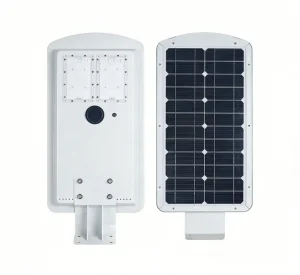
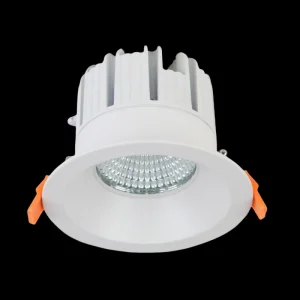
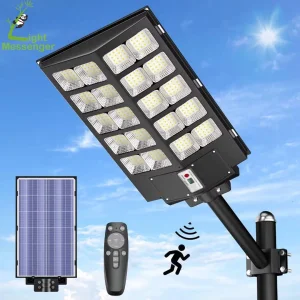
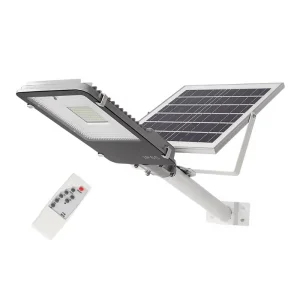
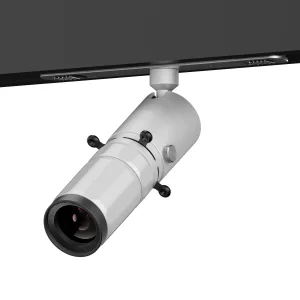
Our product portfolio covers a wide range of indoor and outdoor lighting applications, including residential, commercial, industrial, and public projects. From modern indoor lighting products such as downlights, spotlights, bulbs, panel lights, ceiling lights, and track lights to outdoor floodlights, wall lights, and solar-powered lighting solutions, we provide customers with comprehensive lighting options that combine functionality, durability, and aesthetic design.
Quality and customer satisfaction are the foundation of our business. Every product undergoes rigorous inspection throughout the manufacturing process to ensure stable performance, energy efficiency, and long service life. We also offer flexible OEM and ODM services, helping customers develop customized products that meet their specific market requirements.
Looking ahead, Zhejiang Lili Light Co., Ltd. will continue to focus on innovation, quality, and service excellence. We sincerely welcome customers worldwide to establish long-term business relationships with us and create a brighter future through mutually beneficial cooperation.
To maintain rigorous quality and guarantee consistent performance across thousands of batches, Zhejiang Lili Light Co., Ltd. utilizes highly automated, state-of-the-art manufacturing facilities. Below is an overview of our specialized production processes:
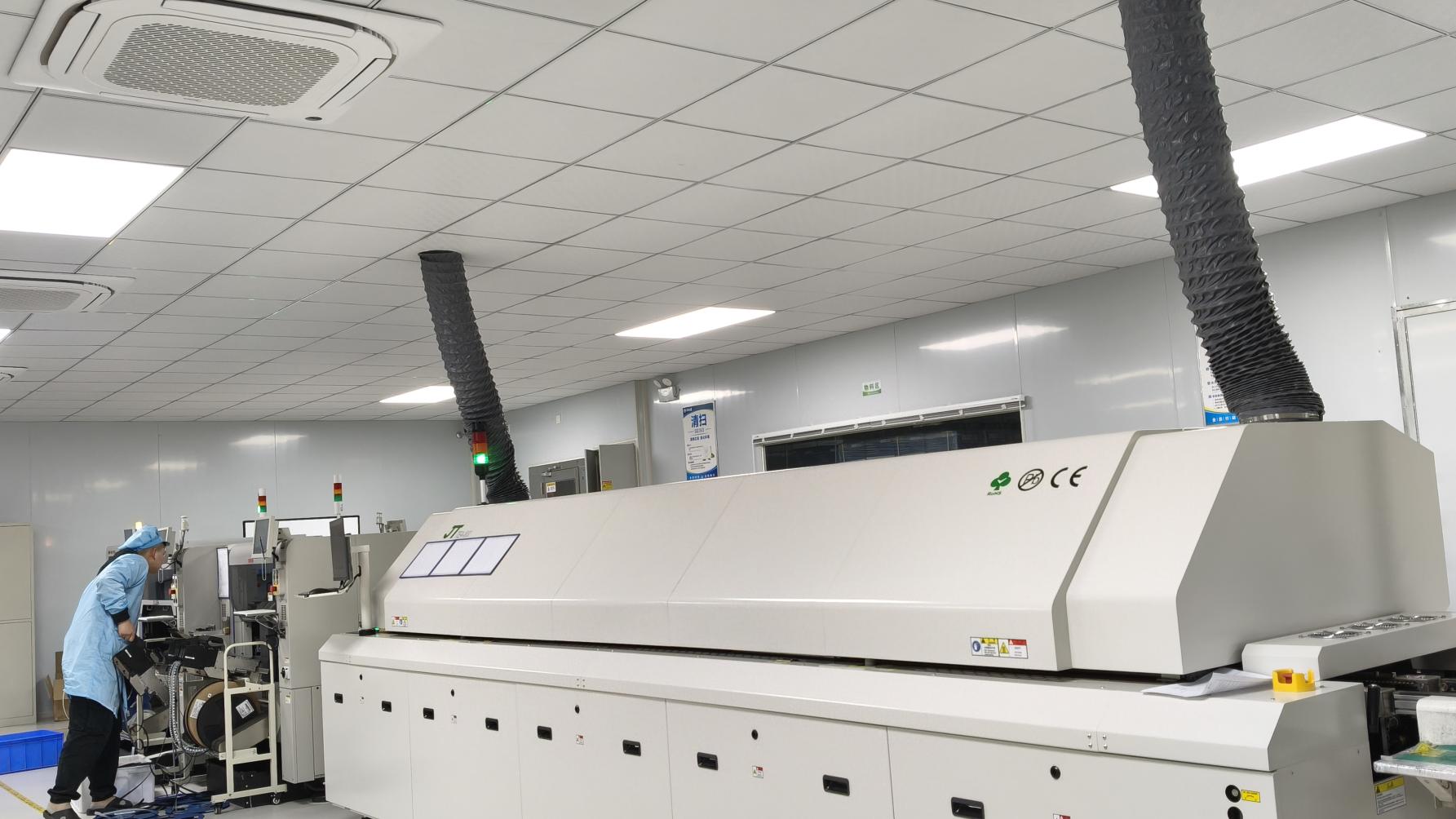
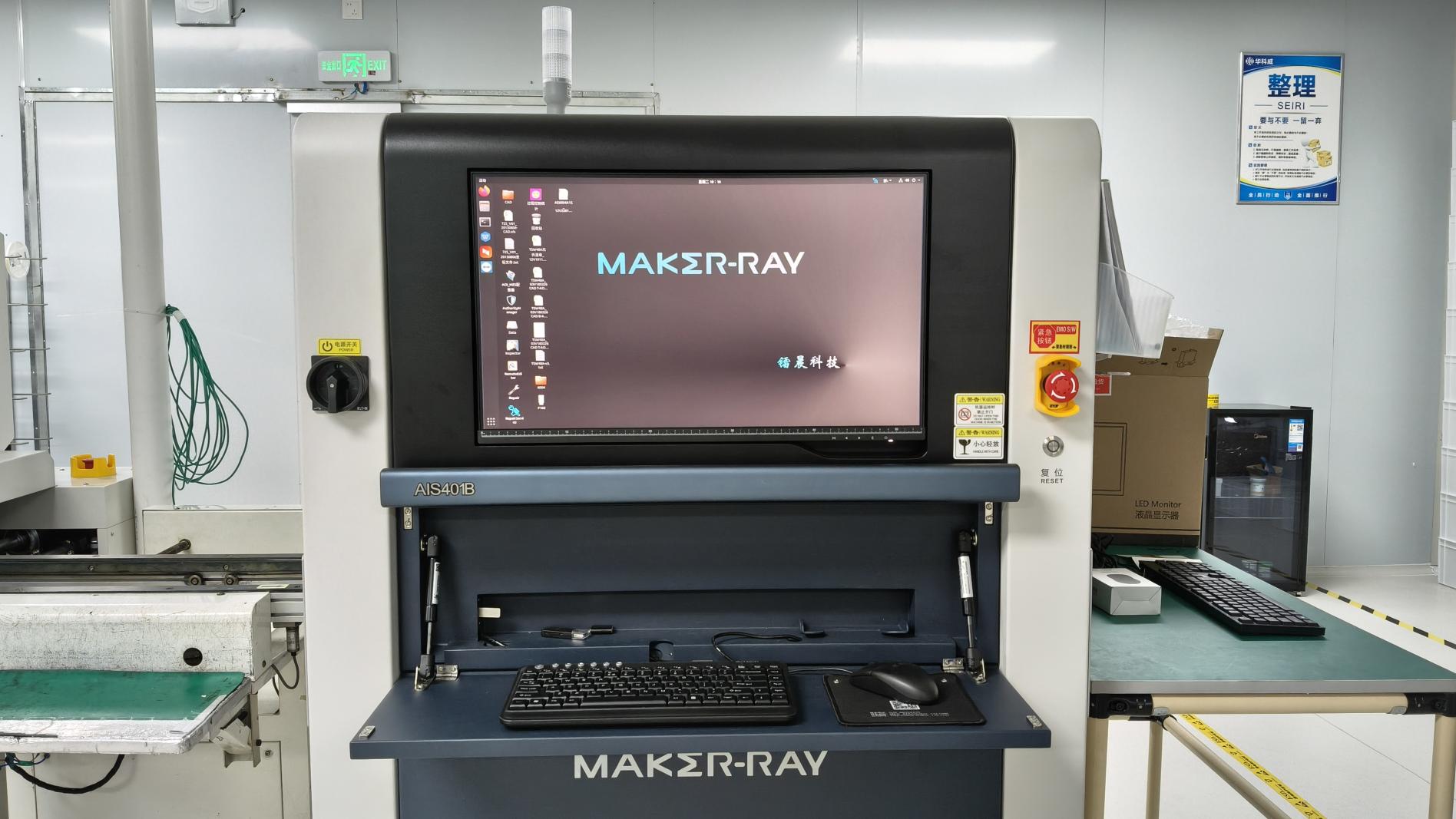
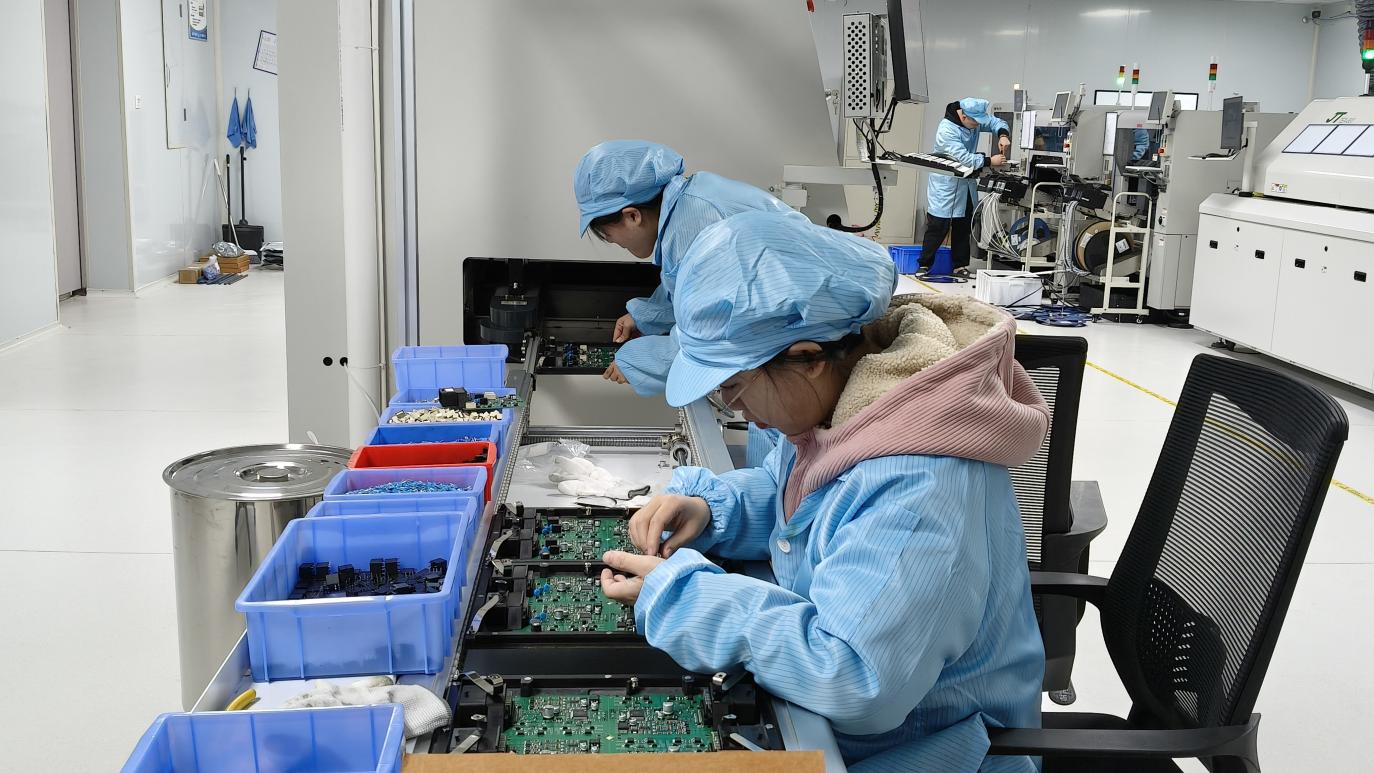
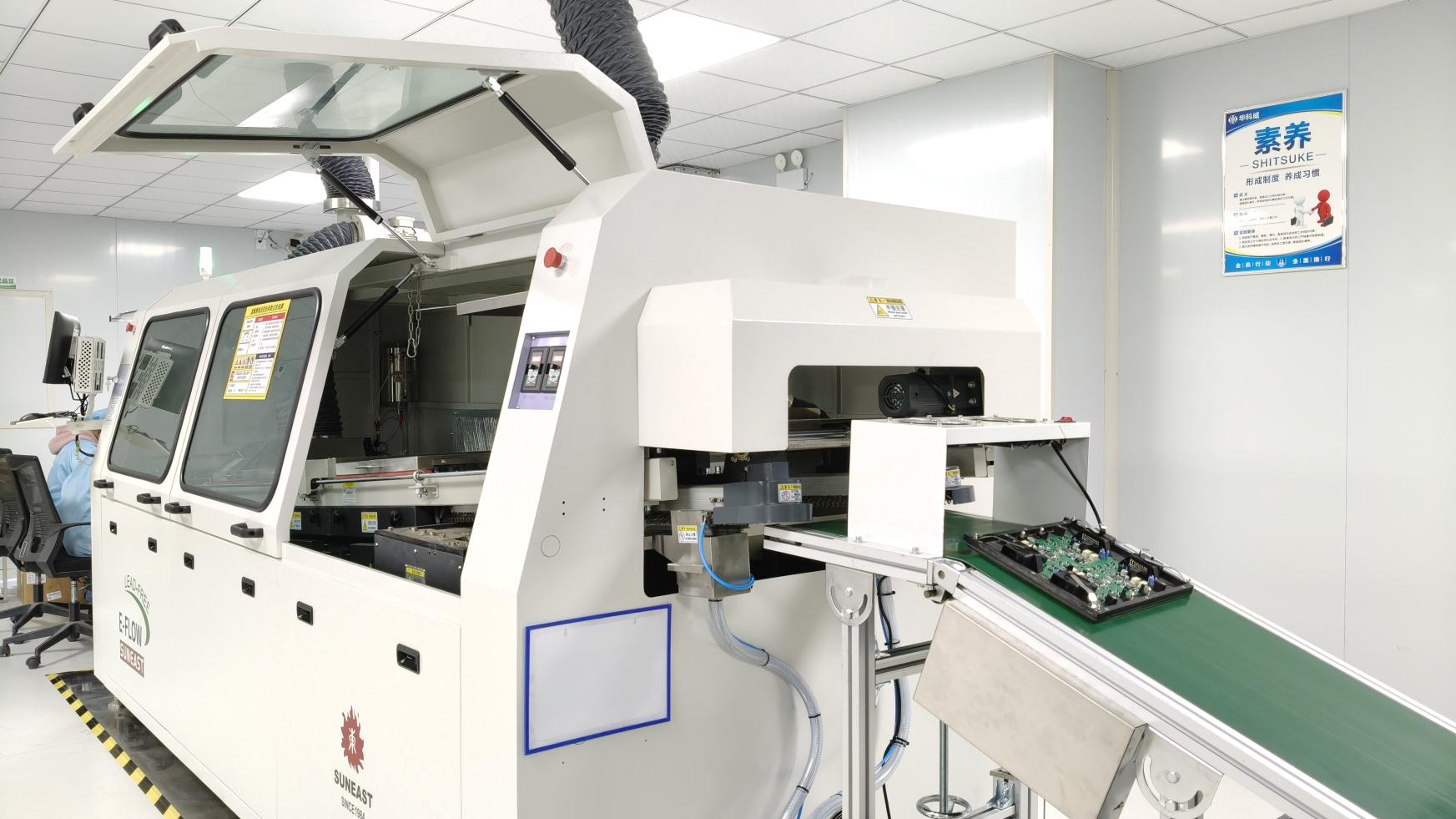
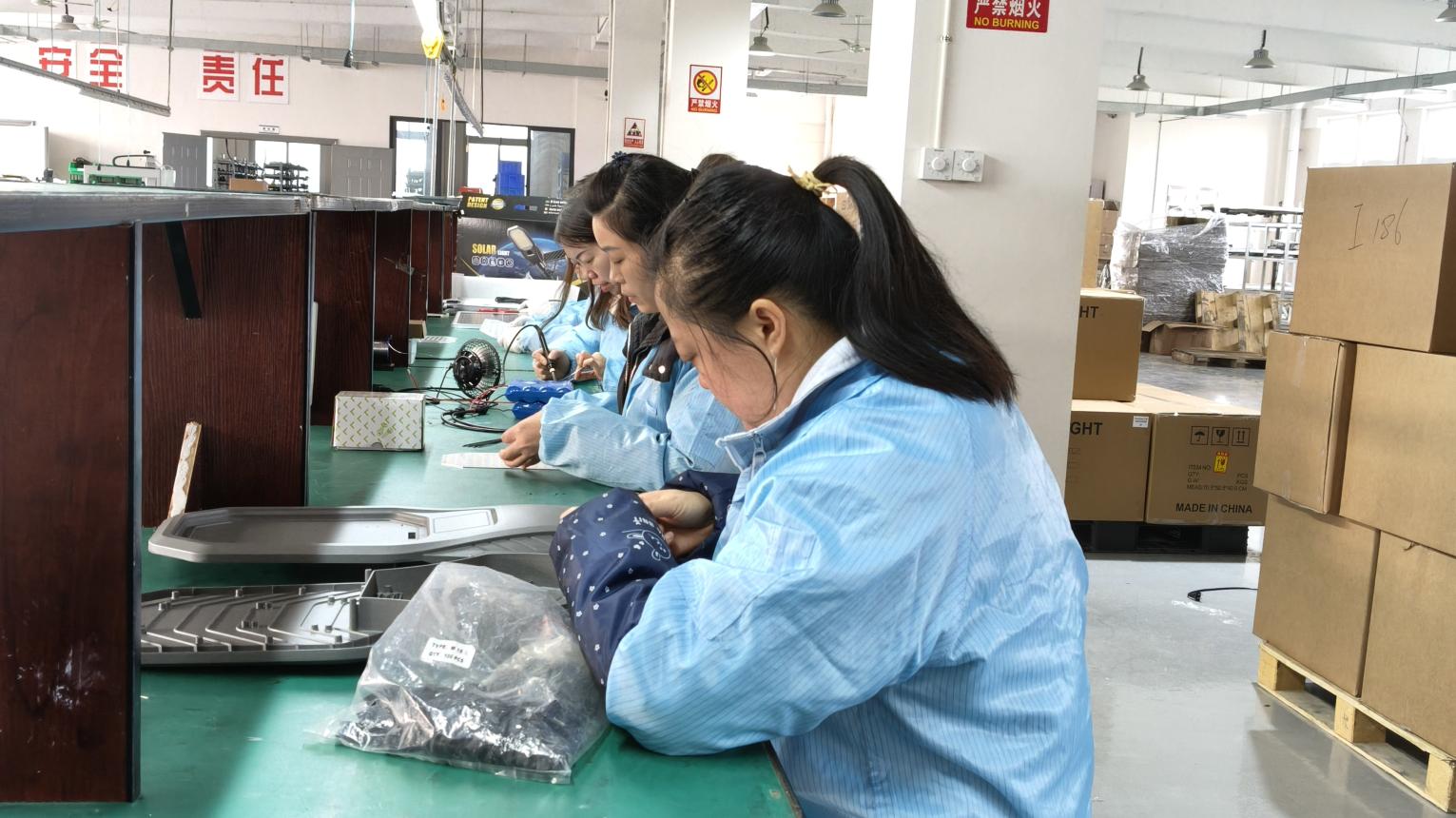
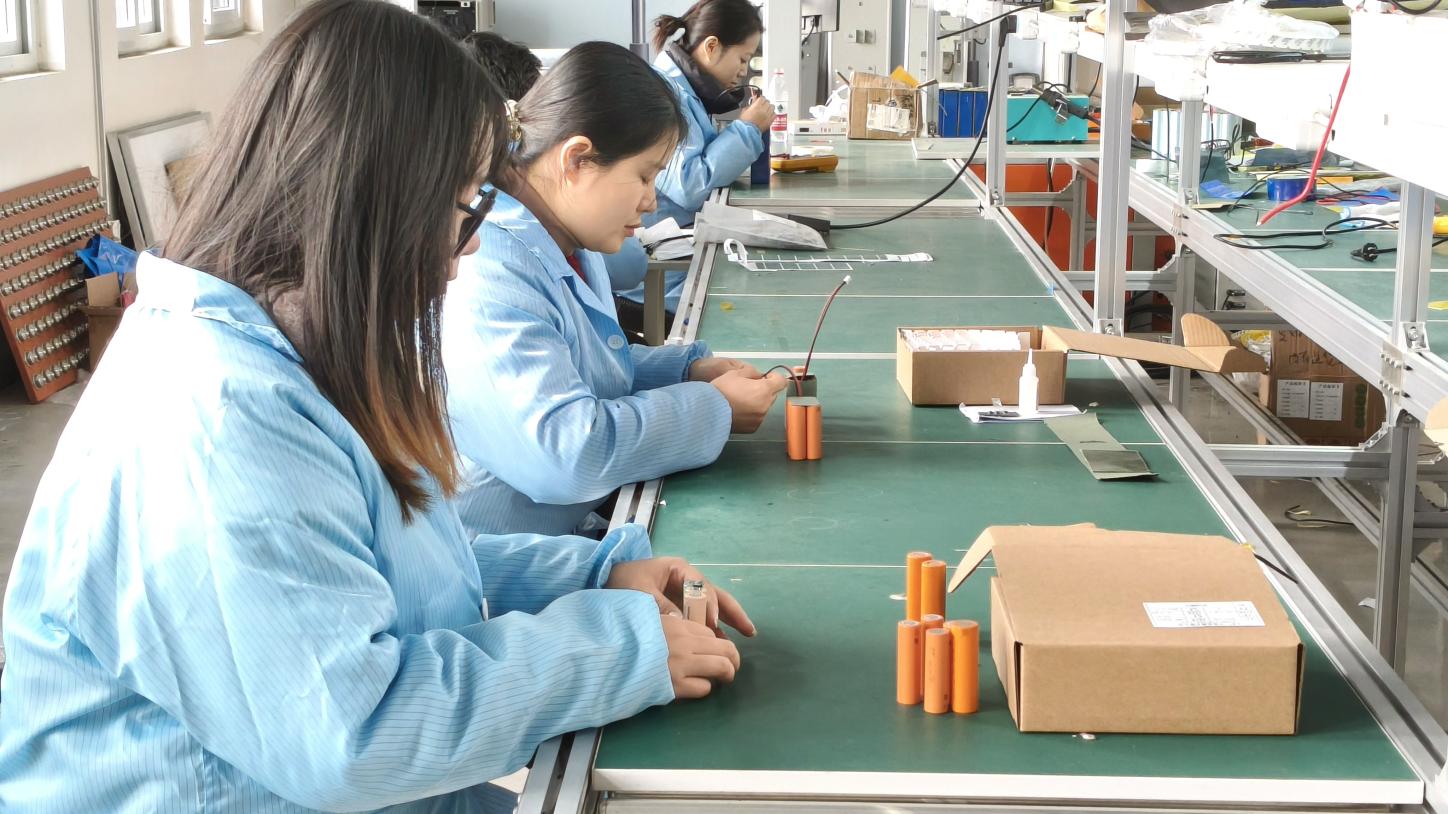
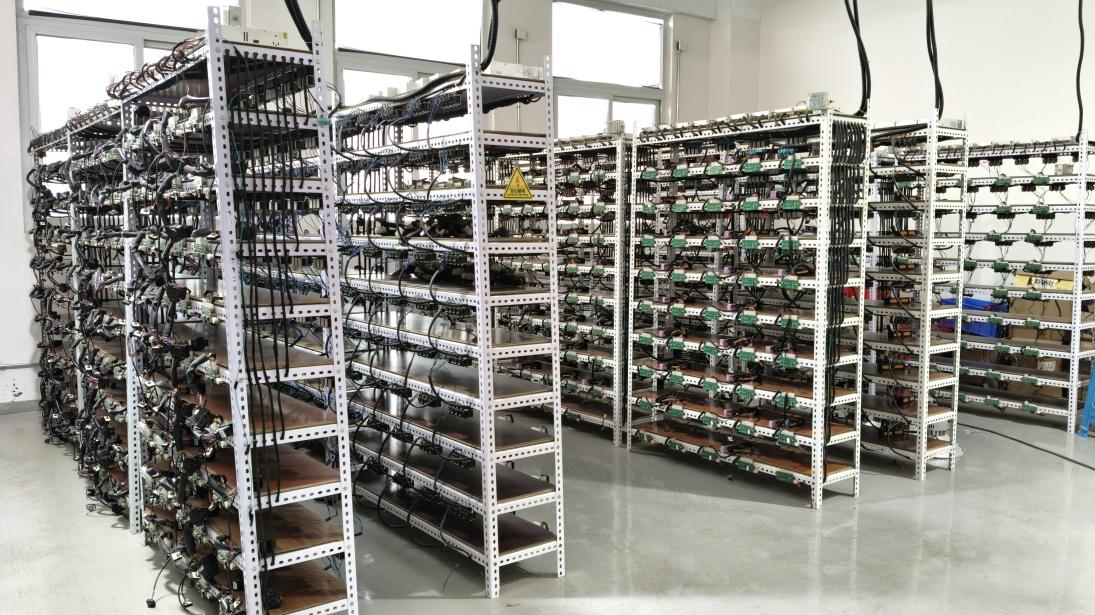
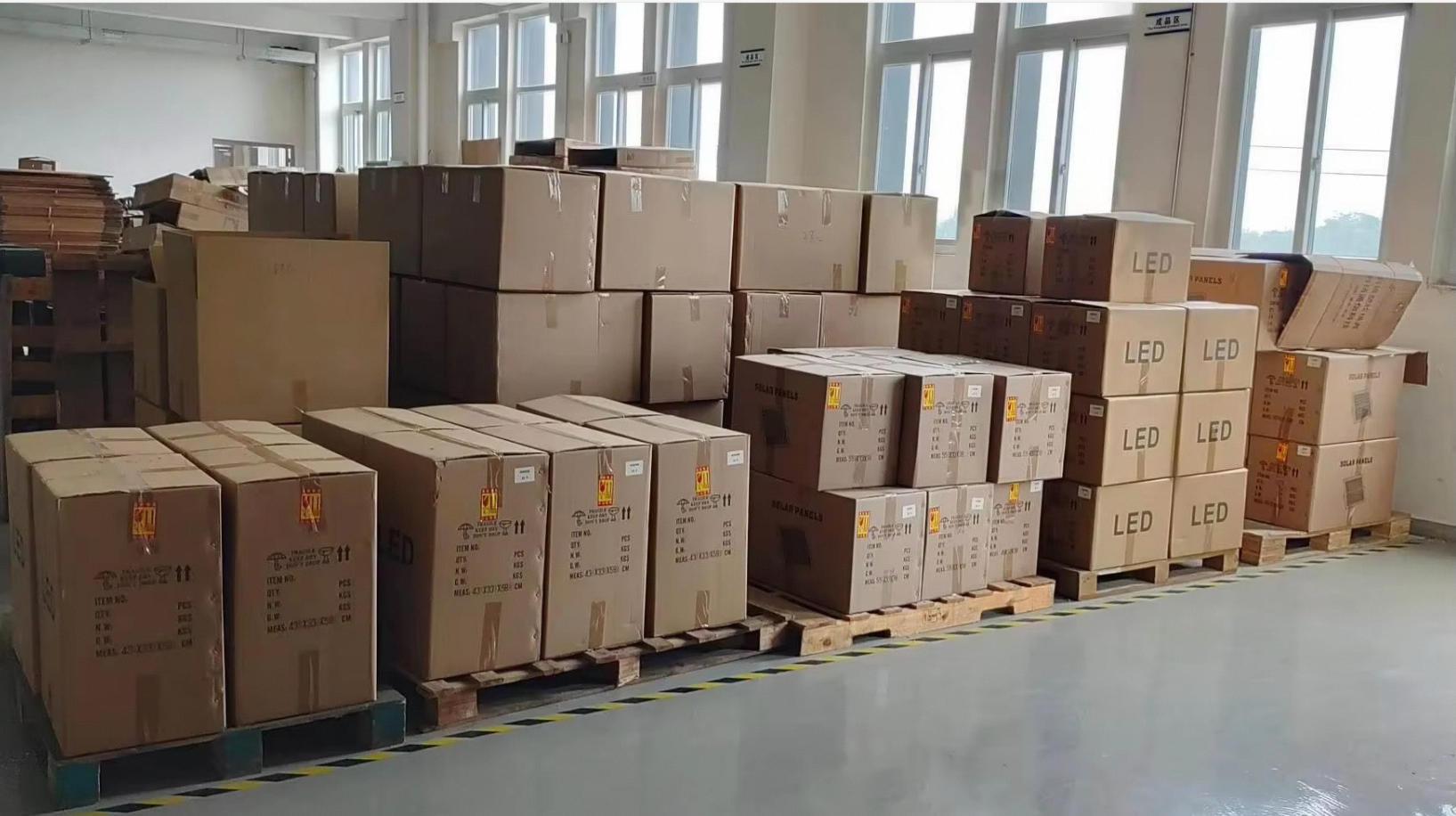
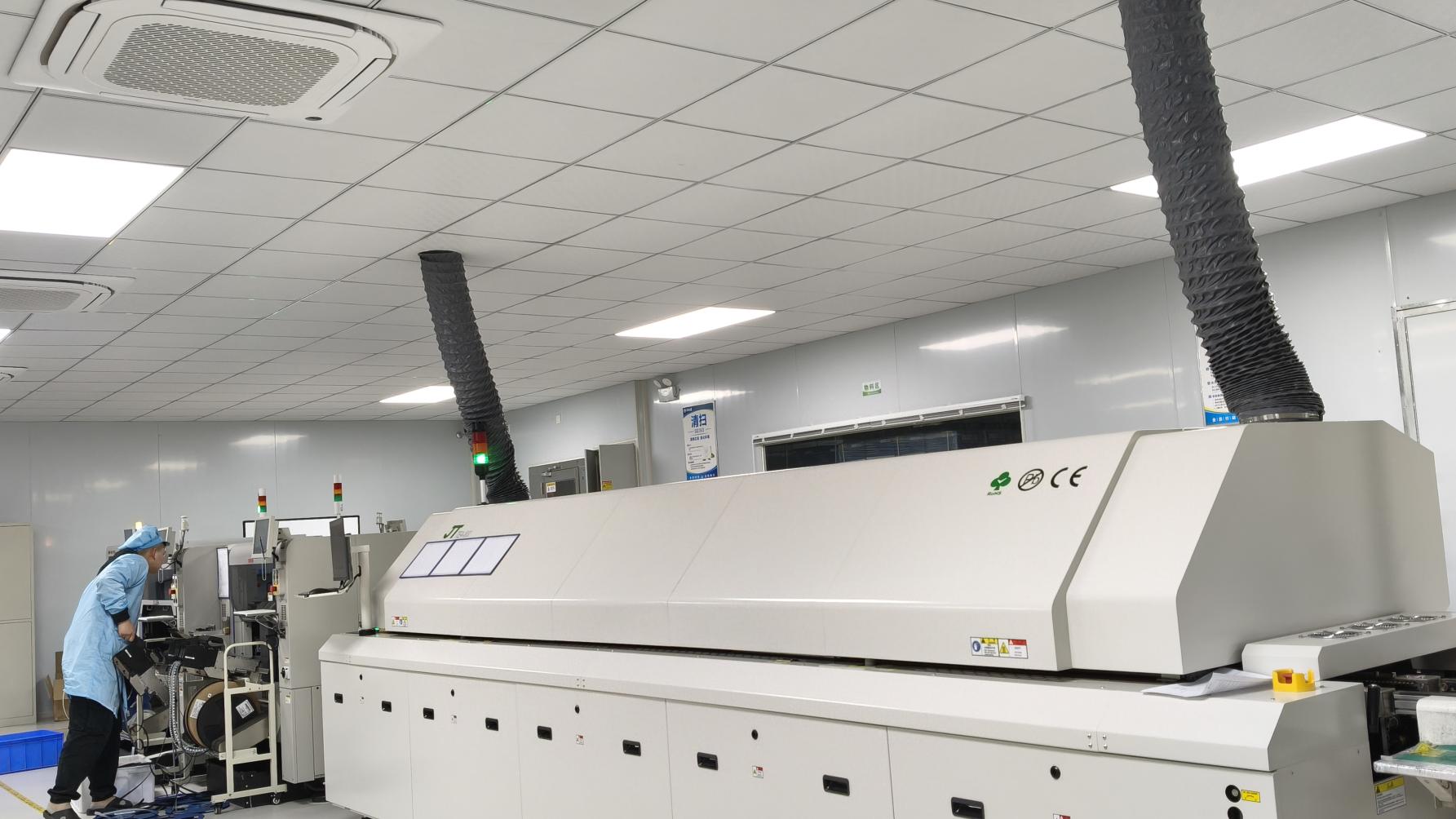
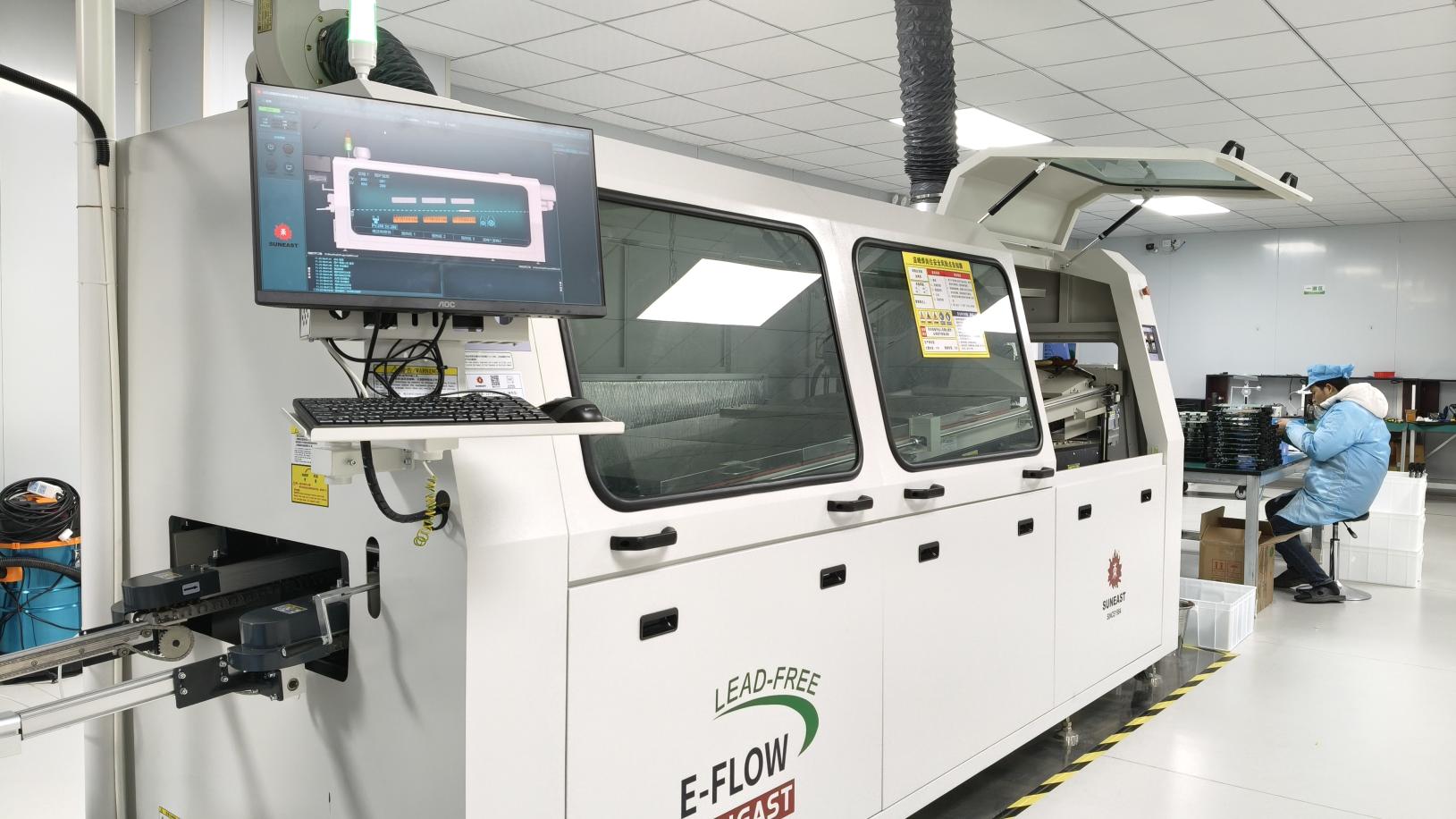
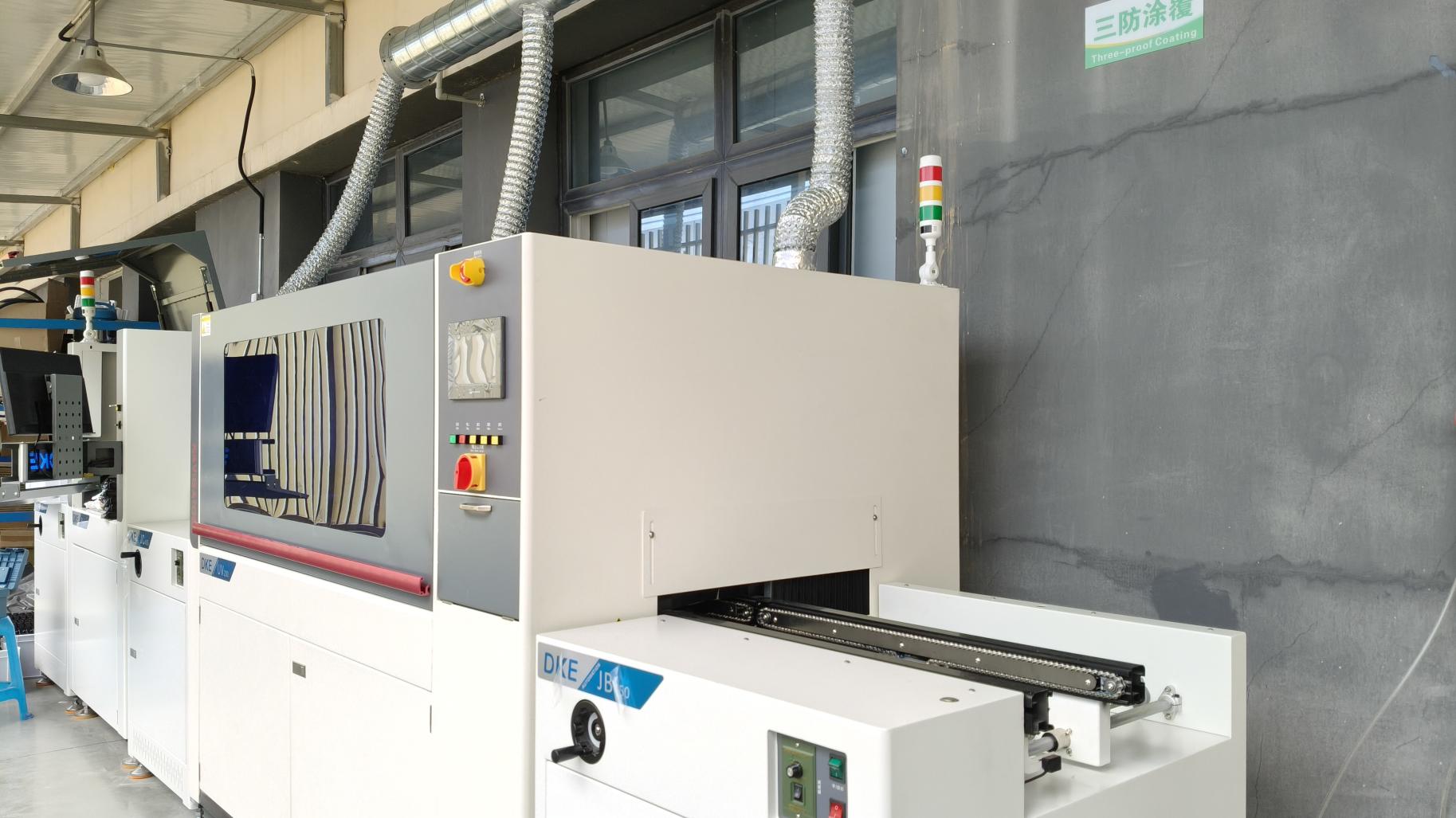
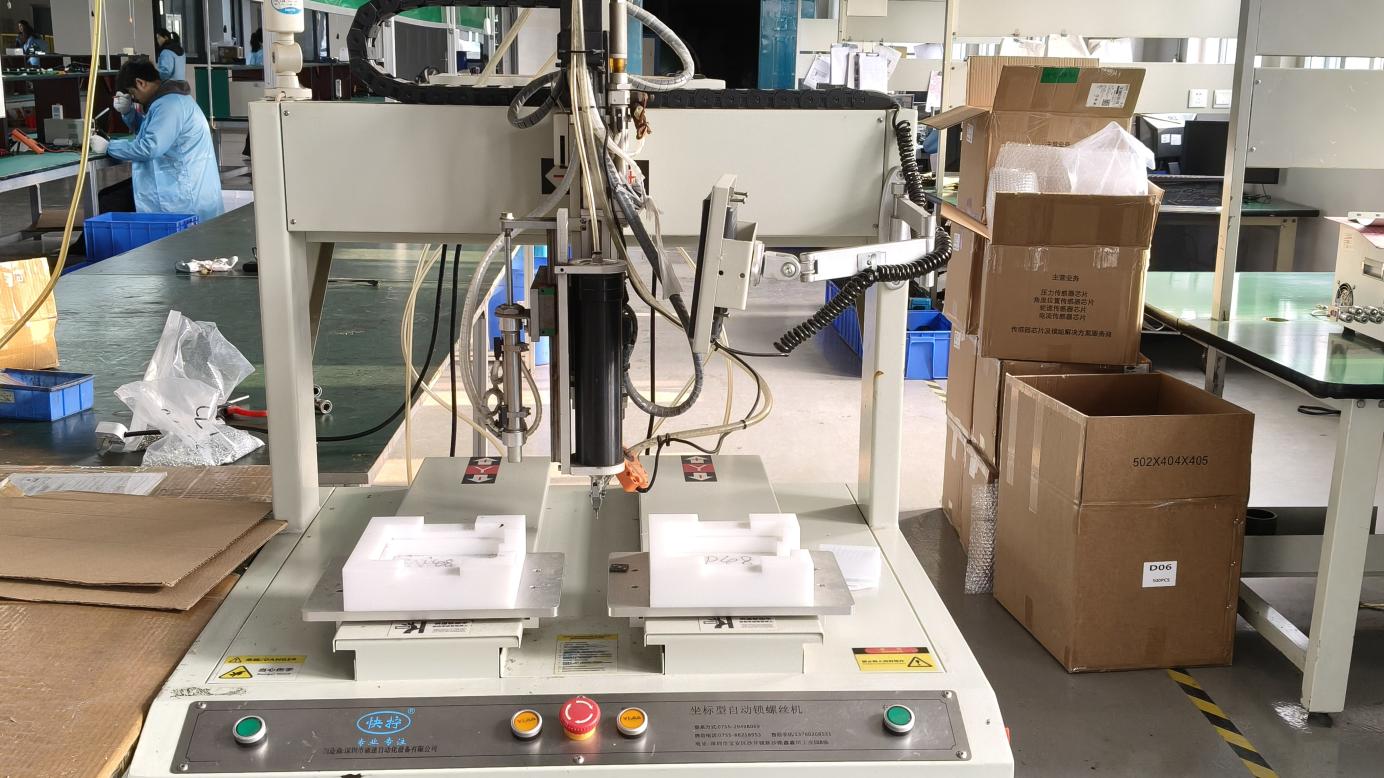
The global competitiveness of LED products from China lies in the unparalleled integration of the supply chain in key manufacturing hubs, such as Zhejiang and Guangdong. Zhejiang Lili Light Co., Ltd. operates at the core of this cluster, providing rapid lead times and raw material cost control that overseas regional factories cannot match. In our facility, the raw PC (polycarbonate) pellets, aluminum extrusions, internal driver components, and silicon gaskets are sourced, fabricated, tested, and shipped under a highly integrated vertical workflow.
The efficiency advantage of a China-based LED factory manifests in several critical operation steps:
Furthermore, China’s industrial ecosystem allows factories to rapidly scale production to meet large commercial orders, reducing shipping lead times from months to weeks. Flexible OEM/ODM capacity also enables quick configuration adjustments—whether an engineer requires specific lumen levels, custom CRI targets, or regional driver certifications (such as CE, RoHS, UL, or SAA).
Modern LED batten lights are deployed across diverse operating environments. Different spaces present unique challenges regarding ambient temperatures, chemical exposures, dust levels, and operating duty cycles. Understanding these specific application scenarios ensures the selection of the correct product configuration.
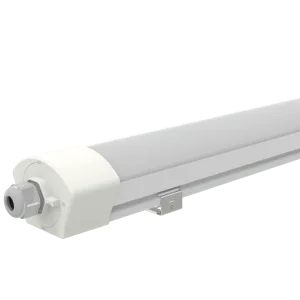
High-ceilinged storage environments require continuous, high-intensity lighting with minimum maintenance access. For these projects, integrated LED battens featuring IP65 or IP66 dust and waterproof ratings are the industry standard. Cold storage facilities benefit particularly from LED technology, as the efficiency of solid-state chips actually increases in low temperatures, unlike fluorescent lamps which struggle to start or experience severe lumen drop-off in the cold. Additionally, linkable versions of waterproof LED battens allow contractors to chain multiple units along a single trunking line, reducing labor and wiring costs in expansive spaces.
Manufacturing areas require high illuminance levels with minimal glare to ensure safety and precision. High-CRI (Color Rendering Index) LED battens with a CRI > 80 or > 90 ensure accurate wire-harness identification and defect inspection. In locations dealing with chemical washes, heavy machinery vibratory stresses, or fine particulate matter, tri-proof LED linear fittings with robust PC shells and heavy aluminum heat sinks are specified to prevent housing cracks or internal driver failure.
Operating 24 hours a day, parking structures present a major energy challenge for facility managers. Modern LED batten fixtures optimized for garages integrate microwave motion sensors. These sensors dim the output to 10% or 20% standby levels during inactive hours, ramping up to 100% brightness instantly when a vehicle enters the zone. By combining occupancy sensing with linkable wiring layouts, parking garage projects achieve payback periods under 18 months.
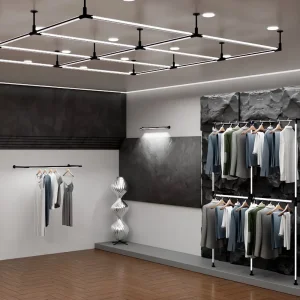
Aesthetic presentation and visual comfort are key priorities in retail and administrative offices. Slim LED linear battens, magnetic track configurations, and modern recessed downlights with low glare indices are preferred in these environments. Using seamless linkable connectors, contractors can create continuous lines of light across ceilings, providing modern geometric profiles that complement contemporary architectural designs.
As global energy prices fluctuate and sustainability standards rise, procurement strategies must evolve beyond simple upfront unit cost calculations. Global procurement agents, project contractors, and lighting distributors are now evaluating products on a **Total Cost of Ownership (TCO)** basis.
The primary trend in commercial lighting is the transition toward higher lumen-per-watt limits and smart building integration. Future-proof specifications require:
Answers to technical and logistics questions for importers, distributors, and specifiers.
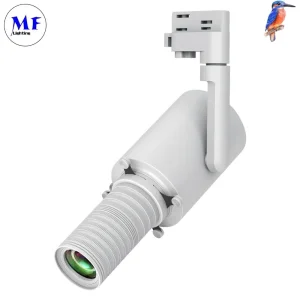
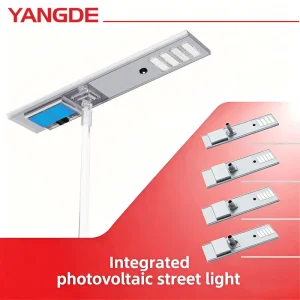
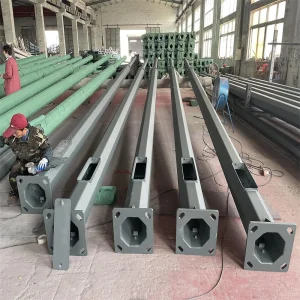
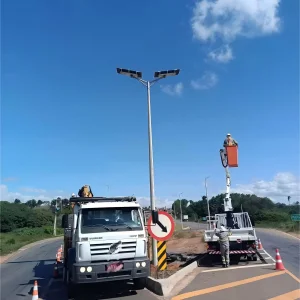
Explore our extended line of smart track lights, tri-proof fittings, solar outdoor solutions, and poles.
 Lili Light